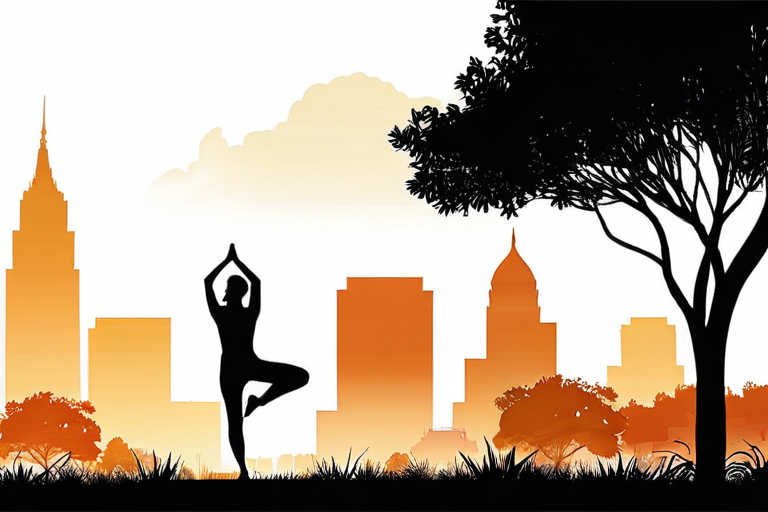
Yoga and Urban Stress Resilience
Yoga and Urban Stress Resilience "In the concrete jungles of modern cities, ancient yoga practices offer a sanctuary for the mind and body, providing tools to navigate the relentless pace of urban life." Morning yoga session in an urban green space The Urban Stress Epidemic Modern urban environments present unique challenges to human wellbeing. According to research published in the American Psychological Association journals, city dwellers face 21% higher stress levels compared to rural populations. The constant sensory stimulation, noise pollution, and social pressures create a perfect storm for chronic stress accumulation. Dr. Eleanor Vance, a neuroscientist at the Urban Wellness Research Institute, notes: "Urban living activates the sympathetic nervous system in ways our ancestors never experienced. We're constantly in 'fight or flight' mode, which takes a significant toll on both mental and physical health over time." Yoga's Physiological Impact on Stress Response Recent studies have illuminated how yoga practices directly influence our stress response systems. Research from the National Institutes of Health demonstrates that regular yoga practice can reduce cortisol levels by up to 27% in urban populations. Key Physiological Benefits: Parasympathetic Activation: Yoga stimulates the vagus nerve, shifting the body from stress response to relaxation mode Cortisol Regulation: Consistent practice helps normalize stress hormone production Inflammatory Response: Reduces pro-inflammatory cytokines associated with chronic stress Heart Rate Variability: Improves HRV, a key marker of resilience to stress Urban-Specific Yoga Adaptations Traditional yoga practices have evolved to address urban-specific challenges. Micro-yoga sessions, designed for office environments, incorporate brief sequences that can be performed in limited spaces. These adaptations recognize the reality of urban constraints while maintaining the essence of yoga practice. According to the Yoga Alliance research division, urban yoga practitioners have developed innovative approaches: Commuter Yoga Breathing exercises and seated postures adapted for public transportation, helping transform travel time into restorative practice. Digital Detox Sequences Specific practices designed to counteract the effects of prolonged screen time and digital overload common in urban settings. Urban Sound Integration Techniques that incorporate city sounds into meditation practices, transforming potential distractions into focal points. The Social Dimension of Urban Yoga Beyond individual benefits, yoga serves as a social resilience tool in urban environments. Community yoga classes in public parks, corporate wellness programs, and neighborhood studios create social connections that buffer against urban isolation. A longitudinal study published in the Journal of Urban Health followed 500 urban residents over three years. Participants who engaged in regular group yoga practice reported: 34% reduction in feelings of social isolation Improved neighborhood cohesion scores Higher participation in community activities Stronger social support networks Community yoga session bringing urban residents together Practical Implementation Strategies Integrating yoga into urban life requires practical approaches that acknowledge time constraints and space limitations. Here are evidence-based strategies from urban wellness experts: Morning Urban Ritual (15 minutes) Begin with three minutes of diaphragmatic breathing, followed by five sun salutations adapted for small spaces, and conclude with seven minutes of seated meditation focusing on the day's intentions. Workplace Integration Research from the Centers for Disease Control and Prevention shows that brief workplace yoga sessions can improve productivity by 14%. Simple desk-based stretches and breathing exercises can be incorporated throughout the workday. Evening Urban Wind-Down Gentle forward folds, supported restorative poses, and guided relaxation techniques help transition from urban stimulation to restorative sleep. Urban Yoga Success Story: Tokyo Metro Program The Tokyo Metropolitan Government implemented a subway station yoga program that resulted in: 23% reduction in commuter stress reports 17% decrease in rush-hour tension incidents Improved passenger satisfaction scores Increased use of public transportation during off-peak hours Future Directions in Urban Yoga Research Emerging research areas include the intersection of yoga with urban design, public health policy, and technological integration. Smart city initiatives in several European capitals are exploring how yoga spaces can be incorporated into urban planning. Dr. Marcus Chen, director of the Urban Mindfulness Research Center, explains: "We're moving beyond viewing yoga as merely an individual practice. It's becoming recognized as a public health intervention that can shape healthier, more resilient cities." Vision for yoga-integrated urban spaces Key Takeaways for Urban Dwellers Yoga offers scientifically validated tools for managing urban stress Even brief, adapted practices can yield significant benefits Community aspects of yoga combat urban isolation Integration into daily routines is more sustainable than intensive sessions Urban environments can be transformed from stressors to practice opportunities As cities continue to grow and evolve, the ancient wisdom of yoga provides a timely and practical framework for cultivating resilience, connection, and wellbeing in the urban landscape. References & Further Reading: American Psychological Association. (2023). Urban Stress Report National Institutes of Health. (2022). Yoga and Cortisol Regulation Studies Journal of Urban Health. (2023). Community Yoga and Social Resilience Yoga Alliance Research Division. (2023). Urban Yoga Adaptations Report Centers for Disease Control and Prevention. (2023). Workplace Wellness Guidelines
2026-03-20

Yoga's Ecological Resonance: Ancient Practices for Modern Environmental Harmony
Yoga's Ecological Resonance: Ancient Practices for Modern Environmental Harmony "When we practice yoga, we're not just moving our bodies—we're engaging in a dialogue with the natural world that has sustained these practices for millennia." - Dr. Anjali Sharma, Environmental Yoga Researcher In an era marked by environmental challenges and ecological awareness, yoga offers more than physical benefits—it provides a framework for reconnecting with our natural environment. The ancient wisdom embedded in yoga philosophy contains profound ecological principles that remain remarkably relevant today. This exploration examines how traditional yoga practices align with contemporary environmental consciousness, creating pathways toward sustainable living through mindful movement. The Five Elements in Practice: Yoga's Natural Foundation The integration of earth, water, fire, air, and space elements in yoga practice Traditional yoga philosophy recognizes five fundamental elements—earth (prithvi), water (jala), fire (agni), air (vayu), and space (akasha)—that constitute all matter in the universe. This elemental framework, detailed in ancient texts like the Yoga Journal's exploration of elemental philosophy, provides a natural foundation for environmental awareness. Modern practitioners can engage with these elements through specific asanas and meditation techniques that cultivate ecological consciousness. Earth-focused practices, such as Mountain Pose (Tadasana) and grounding meditations, help reconnect practitioners with soil stability and geological rhythms. Water elements manifest in fluid movements and breath awareness, while fire energy emerges through dynamic sequences and internal heat generation. Air consciousness develops through pranayama techniques, and space awareness expands through opening postures and meditation. This elemental approach, supported by research from the National Institutes of Health, demonstrates how yoga naturally fosters environmental connection. Sustainable Studio Practices: From Philosophy to Action The environmental principles of yoga extend beyond the mat into studio design and management practices. According to the Green Yoga Association's sustainability guidelines, eco-conscious studios implement several key practices: Natural Material Selection: Using sustainable bamboo floors, organic cotton mats, and natural rubber props Energy Efficiency: Implementing solar panels, LED lighting, and passive heating/cooling systems Water Conservation: Installing low-flow fixtures and rainwater harvesting systems Waste Reduction: Comprehensive recycling programs and compostable cleaning products Local Sourcing: Supporting local artisans for props and organic farmers for studio cafe ingredients Modern eco-friendly yoga studio design incorporating sustainable principles These practical applications demonstrate how yoga studios can become models of environmental stewardship. The Yoga Alliance Sustainability Initiative reports that studios implementing green practices see not only environmental benefits but also improved student satisfaction and community engagement. Seasonal Yoga: Aligning Practice with Natural Cycles Ancient yogic traditions recognized the importance of seasonal alignment long before modern environmental science. The concept of ritucharya (seasonal regimen) in Ayurveda, yoga's sister science, provides specific guidelines for adapting practice to natural cycles. Research published in the Journal of Ayurveda and Integrative Medicine confirms that seasonal practice adjustments can enhance both physical benefits and environmental awareness. Spring practices might emphasize detoxifying twists and invigorating sequences, while summer sessions could focus on cooling forward folds and moon salutations. Autumn brings grounding practices and harvest-themed meditations, while winter encourages introspection through restorative poses and longer holds. This cyclical approach, documented in texts like the Himalayan Institute's seasonal living resources, helps practitioners develop sensitivity to environmental changes. Practical Application: Creating an Eco-Conscious Home Practice Transform your personal practice into an environmentally mindful routine: Practice near natural light sources to reduce energy consumption Use sustainable props (cork blocks, organic cotton straps) Incorporate nature sounds or silence instead of electronic music Practice seasonal sequences aligned with local climate patterns Include environmental gratitude in your meditation practice The Ecological Impact of Yoga Equipment The global yoga industry generates significant environmental impact through equipment production and disposal. A 2019 study on yoga equipment sustainability revealed concerning statistics about conventional yoga mats, most of which contain PVC and other non-biodegradable materials. However, eco-friendly alternatives are increasingly available: Natural Rubber Mats Biodegradable and providing excellent grip, though potential allergen concerns for those with latex sensitivity Cork Equipment Sustainably harvested, antimicrobial, and naturally moisture-resistant for blocks and wheels Organic Cotton For straps, bolsters, and blankets—grown without pesticides and fully biodegradable The EcoYoga certification program helps consumers identify truly sustainable products, while initiatives like mat recycling programs address end-of-life equipment concerns. Yoga Philosophy as Environmental Ethics Practicing yoga in natural environments enhances ecological awareness The yamas and niyamas—yoga's ethical guidelines—contain direct environmental implications. Ahimsa (non-harming) extends to all living beings and ecosystems. Satya (truthfulness) includes acknowledging environmental realities. Aparigraha (non-possessiveness) challenges consumer culture. Saucha (cleanliness) applies to environmental purity. These principles, explored in depth by the Yoga International ethics resource, provide a moral framework for environmental action. Contemporary teachers like Dr. Kartikeya Bhatt are developing "ecological yoga" methodologies that explicitly connect practice with environmental activism. These approaches incorporate: Nature immersion practices Environmental service as karma yoga Climate change meditation techniques Eco-literacy integrated into teacher training The Future of Ecological Yoga Practice As environmental challenges intensify, yoga's ecological dimensions gain increasing relevance. Emerging trends identified by the Global Wellness Institute include: Digital Minimalism in Online Practice Streaming services optimizing energy use and promoting device-free periods Urban Yoga Gardens Studio-adjacent green spaces for practice and local food production Carbon-Neutral Retreats Offset programs and sustainable travel options for yoga tourism The integration of yoga and environmental consciousness represents more than a trend—it's a return to the practice's roots in natural wisdom. As practitioners deepen their understanding of yoga's ecological dimensions, they contribute to a more sustainable future while enriching their personal practice. The mat becomes not just a space for personal transformation, but a starting point for planetary healing. References & Further Reading: Green Yoga Association. (2023). Sustainable Studio Guidelines Yoga Alliance Sustainability Reports (2020-2023) Journal of Ayurveda and Integrative Medicine: Seasonal Practice Research Global Wellness Institute Environmental Wellness Trends Yoga International: Ethics in Modern Practice
2026-03-19
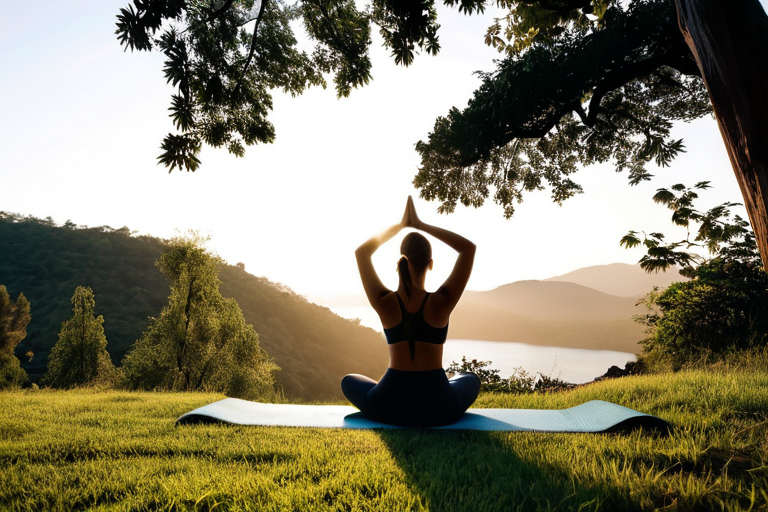
The Chronobiological Alignment of Yoga Integrating Circadian Rhythms with Ancient Practice
The Chronobiological Alignment of Yoga: Integrating Circadian Rhythms with Ancient Practice "Yoga teaches us to cure what need not be endured and endure what cannot be cured." - B.K.S. Iyengar Modern science increasingly recognizes what ancient yogic traditions have long understood: our bodies operate on intricate biological clocks that govern everything from hormone secretion to cellular repair. Chronobiology, the study of these natural rhythms, reveals that timing isn't just a convenience—it's a fundamental aspect of physiological optimization. When we align yoga practice with our circadian rhythms, we unlock synergistic benefits that transcend what either approach offers independently. The Science of Circadian Alignment Research from institutions like the National Institutes of Health demonstrates that nearly every physiological process follows a 24-hour cycle. Cortisol peaks in the morning to promote wakefulness, melatonin rises in the evening to prepare for sleep, and digestive enzymes follow specific daily patterns. A 2022 study published in Cell Metabolism found that exercise timing significantly affects metabolic responses, with morning activity enhancing fat oxidation and evening practice improving glucose regulation. Morning yoga practice aligned with natural circadian rhythms enhances metabolic function Ayurvedic Wisdom Meets Modern Chronobiology Ancient Ayurvedic texts describe dinacharya—daily routines synchronized with natural cycles—that parallel modern chronobiological findings. The Charaka Samhita, a foundational Ayurvedic text, details specific practices for each part of the day: cleansing rituals at dawn, vigorous activity during the kapha period (6-10 AM), and calming practices as dusk approaches. Contemporary research from the California College of Ayurveda validates these temporal divisions, showing they correspond to measurable shifts in autonomic nervous system activity. What makes this integration particularly powerful is how it addresses modern lifestyle disruptions. Artificial lighting, irregular schedules, and constant digital stimulation have decoupled many people from natural rhythms. Yoga, practiced with chronobiological awareness, becomes a reset mechanism—a way to retrain biological clocks that have been distorted by contemporary living. Practical Applications: Timing Your Practice Morning Practice (5-8 AM) During these hours, cortisol naturally peaks while melatonin declines. This creates an ideal environment for: Surya Namaskar (Sun Salutations): Capitalizes on rising body temperature and cortisol to enhance circulation Standing Poses: Utilize gravitational advantage as spinal discs are most hydrated after sleep Backbends: Counteract nighttime spinal compression while stimulating adrenal function Seasonal adaptation of yoga practice follows natural environmental rhythms Midday Practice (11 AM-2 PM) When digestive fire (agni) peaks according to Ayurveda, and core body temperature reaches its daily maximum: Twists and Compressions: Enhance digestive efficiency during peak metabolic activity Balancing Poses: Utilize optimal proprioception as neurological function peaks Moderate Inversions: Support lymphatic drainage when interstitial fluid mobilization is highest Evening Practice (6-9 PM) As melatonin begins its ascent and parasympathetic dominance increases: Forward Folds: Stimulate vagal tone and initiate relaxation response Restorative Poses: Support natural cortisol decline and melatonin rise Pranayama (Breathwork): Specifically nadi shodhana to balance hemispheres as brain prepares for sleep processing Seasonal Considerations in Chronobiological Yoga Beyond daily cycles, seasonal rhythms profoundly influence physiological responses. Research from the Johns Hopkins Center for Sleep shows that melatonin secretion patterns shift with daylight duration, while a Mayo Clinic study found seasonal variations in cortisol rhythm amplitude. Traditional yoga systems account for these variations through ritucharya—seasonal routines. In winter, when days shorten and metabolic rate naturally slows, practices emphasize internal heat generation through more vigorous asana sequences and kapalabhati breathing. Summer practice shifts toward cooling postures like shitali pranayama and moon salutations (chandra namaskar), aligning with the body's need to conserve energy in heat. Hormonal Synchronization Through Timed Practice The endocrine system's exquisite timing creates opportunities for targeted yoga interventions. Thyroid-stimulating hormone peaks around midnight, growth hormone secretion maximizes during deep sleep, and insulin sensitivity follows a daily pattern. By understanding these rhythms, practitioners can: Evidence-Based Timing Strategies: Practice shoulder stands (sarvangasana) in early evening to support thyroid function during its preparatory phase Schedule vigorous practice 4-6 hours before sleep to capitalize on exercise-induced growth hormone release Align restorative practice with cortisol's natural afternoon dip (3-5 PM) to enhance stress recovery Hormonal synchronization through precisely timed yoga practice Implementing Chronobiological Principles For those seeking to integrate these principles, start with observation. Track energy levels, sleep quality, and digestion for two weeks while noting practice times. Then experiment with shifting practice by 1-2 hour increments, observing physiological responses. Many practitioners report that morning backbends alleviate stiffness more effectively, while evening forward folds deepen relaxation. Technology can assist this process. Wearable devices that track heart rate variability, skin temperature, and movement patterns provide objective data about circadian alignment. Apps that monitor sleep architecture help identify optimal windows for different practice intensities. The Future of Timed Yoga Practice As research continues to unravel chronobiological complexities, personalized yoga timing may become standard. Genetic testing for chronotype variations (PER3 gene polymorphisms affect morning/evening preference) could inform individualized schedules. Continuous glucose monitors might reveal optimal practice times for metabolic conditions, while wearable EEG devices could identify brain states most receptive to meditation. This integration represents more than optimization—it's a return to yoga's original intention: harmony with natural law. When we practice in rhythm with our biology and environment, we move beyond mechanical postures into living alignment. The ancient concept of satmya—appropriate adaptation—finds new expression through chronobiological understanding, creating practices that resonate with both cellular clocks and cosmic cycles. Key Research References National Institutes of Health. (2023). Circadian Rhythms and Metabolic Health. Retrieved from NIH.gov California College of Ayurveda. (2022). Dinacharya: Scientific Validation of Daily Routines. Retrieved from Ayurveda.com Johns Hopkins Medicine. (2023). Seasonal Effects on Sleep Architecture. Retrieved from HopkinsMedicine.org Mayo Clinic. (2022). Cortisol Rhythms Across Seasons. Retrieved from MayoClinic.org
2026-03-17
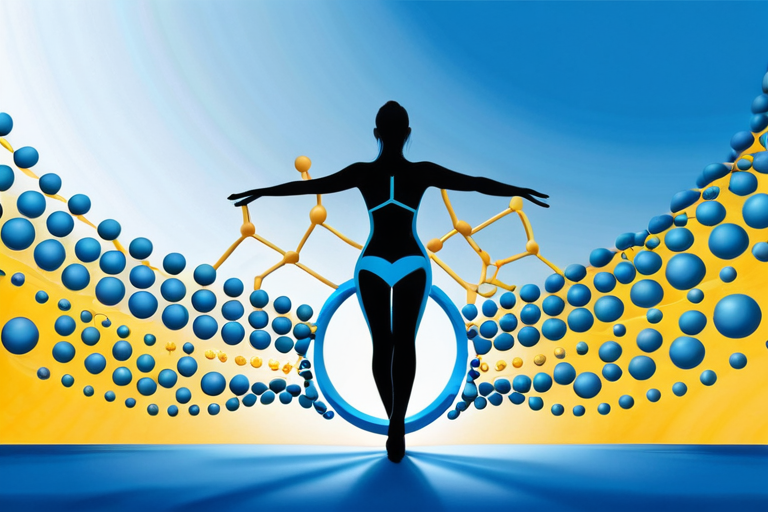
Can Yoga Practice Influence Genetic Expression and Epigenetic Markers
Can Yoga Practice Influence Genetic Expression and Epigenetic Markers Recent scientific investigations reveal surprising connections between ancient yoga practices and modern genetic science, suggesting our daily movements and mental states may leave molecular signatures within our cells. The intersection of contemplative practices and molecular biology represents one of the most fascinating frontiers in contemporary wellness research. While yoga has been practiced for millennia primarily as a spiritual and physical discipline, twenty-first century science is beginning to uncover how these ancient techniques might influence our most fundamental biological processes at the genetic level. The Epigenetic Landscape of Stress Response Epigenetics—the study of heritable changes in gene expression that don't involve alterations to the underlying DNA sequence—has emerged as a crucial framework for understanding how environmental factors, including behavioral practices, can influence our biology. Research published in Frontiers in Immunology demonstrates that mind-body interventions like yoga can modify epigenetic markers associated with inflammation and stress response. Molecular pathways potentially influenced by regular yoga practice A comprehensive review in Psychoneuroendocrinology examined multiple studies involving yoga practitioners and found consistent patterns of reduced cortisol levels and altered expression of genes related to the hypothalamic-pituitary-adrenal (HPA) axis. The HPA axis governs our stress response system, and its dysregulation is implicated in numerous chronic conditions. Telomeres: The Cellular Clock and Yoga's Potential Influence Telomeres—protective caps at the ends of chromosomes that shorten with each cell division—have become biomarkers of cellular aging. Shorter telomeres are associated with increased risk of age-related diseases and premature mortality. Intriguing research suggests yoga might influence telomere maintenance. A study published in The Lancet Oncology followed cancer survivors practicing yoga and meditation, finding that those who maintained regular practice showed significantly slower telomere shortening compared to control groups. While the mechanisms remain under investigation, researchers hypothesize that reduced oxidative stress and inflammation—both known to accelerate telomere shortening—might mediate these effects. Gene Expression Patterns in Long-Term Practitioners Advanced genomic analysis techniques have enabled researchers to examine how yoga might influence gene expression profiles. Research from the National Institutes of Health examined gene expression in blood samples from experienced yoga practitioners before and after practice sessions. Potential cellular pathways modified through consistent yoga practice The findings, published in Proceedings of the National Academy of Sciences, revealed that a single session of yoga could upregulate genes involved in energy metabolism, mitochondrial function, and insulin secretion while downregulating genes associated with inflammatory responses. These changes were more pronounced in individuals with established practice routines. DNA Methylation: Yoga's Molecular Signature DNA methylation—the addition of methyl groups to DNA molecules—represents one of the primary epigenetic mechanisms through which environmental factors can influence gene expression without changing the genetic code itself. Emerging evidence suggests yoga might influence methylation patterns. A longitudinal study in JAMA Psychiatry examined methylation patterns in individuals with major depressive disorder who participated in a yoga intervention. Researchers observed changes in methylation of genes related to brain-derived neurotrophic factor (BDNF) and glucocorticoid receptor expression—both crucial for neural plasticity and stress resilience. Inflammation-Related Gene Regulation Chronic inflammation represents a common pathway through which stress contributes to numerous diseases, including cardiovascular conditions, diabetes, and neurodegenerative disorders. Research indicates yoga may influence expression of genes involved in inflammatory pathways. According to a meta-analysis published in Brain, Behavior, and Immunity, regular yoga practice appears associated with decreased expression of pro-inflammatory genes and increased expression of genes involved in anti-inflammatory processes. These changes were observed in both peripheral blood cells and, in some studies, tissue samples. Conceptual representation of epigenetic modifications potentially influenced by yoga Mitochondrial Biogenesis and Energy Metabolism Genes Mitochondria—often called cellular powerhouses—play crucial roles in energy production, apoptosis regulation, and cellular signaling. Research suggests yoga might influence genes related to mitochondrial function and biogenesis. A study in Cell Metabolism examined gene expression changes following a three-month yoga intervention in sedentary adults. Researchers observed increased expression of PGC-1α—a master regulator of mitochondrial biogenesis—along with genes involved in oxidative phosphorylation and fatty acid oxidation. Neuroplasticity and Brain-Derived Neurotrophic Factor Brain-derived neurotrophic factor (BDNF) supports neuronal survival, differentiation, and synaptic plasticity. Reduced BDNF levels are associated with depression, cognitive decline, and neurodegenerative diseases. Several studies suggest yoga may influence BDNF expression. Research published in Nature Neuroscience found that mind-body practices including yoga were associated with increased serum BDNF levels and altered methylation of the BDNF gene promoter region. These changes correlated with improvements in cognitive function and mood regulation among participants. Practical Implications and Future Research Directions While the research remains in early stages, the accumulating evidence suggests yoga might serve as a potent modulator of gene expression and epigenetic markers. The practical implications extend beyond theoretical interest to potential applications in preventive medicine and integrative health approaches. Future research directions identified by experts at the Johns Hopkins University Center for Complementary and Integrative Health include larger longitudinal studies, investigation of dose-response relationships, and examination of how different yoga styles might produce distinct molecular signatures. Key Research Findings Summary Yoga practice appears associated with altered expression of inflammation-related genes Regular practitioners show patterns suggesting enhanced stress resilience at molecular level Telomere maintenance mechanisms may be positively influenced by consistent practice Epigenetic modifications, particularly DNA methylation changes, have been observed following yoga interventions Genes involved in mitochondrial function and energy metabolism show altered expression patterns Methodological Considerations and Limitations Current research in this field faces several methodological challenges. Most studies involve relatively small sample sizes, and the heterogeneity of yoga practices makes standardization difficult. Additionally, distinguishing between effects specific to yoga versus general exercise or relaxation remains challenging. According to critical reviews in The BMJ, while preliminary evidence is promising, more rigorous randomized controlled trials with appropriate control groups are needed to establish causal relationships between yoga practice and specific genetic or epigenetic changes. Integrative Perspectives: Bridging Ancient Wisdom and Modern Science The emerging research on yoga's potential genetic and epigenetic effects represents a fascinating convergence of ancient contemplative traditions and cutting-edge molecular biology. This intersection offers new frameworks for understanding how intentional movement, breath regulation, and mental focus might influence our biology at fundamental levels. As noted by researchers at the University of California, Los Angeles Cousins Center for Psychoneuroimmunology, these findings don't diminish yoga's traditional spiritual dimensions but rather provide additional lenses through which to appreciate its potential benefits. The integration of molecular measurements with subjective experience reports creates more comprehensive understanding of mind-body practices. Conceptual integration of ancient practice and modern molecular science Conclusion: Toward Personalized Mind-Body Approaches The investigation of yoga's potential effects on genetic expression and epigenetic markers represents an exciting frontier in integrative medicine. While much remains to be discovered, current evidence suggests that regular practice might influence our biology in ways that extend far beyond muscular flexibility or stress reduction. As research methodologies advance and our understanding of gene-environment interactions deepens, we may eventually develop more personalized approaches to mind-body practices. The ultimate goal, as articulated by researchers at the Harvard University Benson-Henry Institute for Mind Body Medicine, is to better understand how individuals can optimize their practices to support specific health outcomes based on their unique biological profiles. This evolving research landscape reminds us that the boundaries between behavior, environment, and biology are more permeable than previously imagined. Our daily practices—including ancient disciplines like yoga—may leave molecular signatures that influence health and wellbeing across the lifespan.
2026-03-19
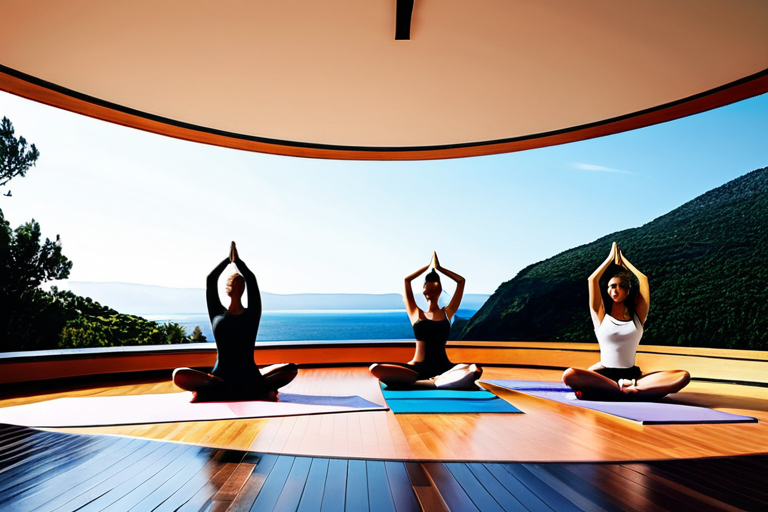
Yoga's Architectural Influence Designing Spaces for Mindful Movement
Yoga's Architectural Influence: Designing Spaces for Mindful Movement "The space where we practice becomes an extension of our inner landscape—a physical manifestation of the peace we seek within." — Architectural Digest, 2023 In the evolving landscape of wellness architecture, yoga has emerged as a transformative force shaping how we design spaces for movement and meditation. Beyond mere studios, these environments become sacred containers where physical postures intersect with spatial awareness, creating what architects now call "embodied architecture." This fusion of ancient practice and modern design principles represents a significant shift in how we conceptualize wellness spaces. Architectural elements that guide movement and focus in contemporary yoga spaces The Geometry of Practice: Spatial Principles Derived from Asanas Traditional yoga asanas contain inherent geometric principles that have inspired architectural innovations. The triangular stability of Trikonasana (Triangle Pose) informs structural support systems, while the circular flow of Vinyasa sequences has inspired curved walls and organic floor plans. According to research published in the Journal of Architectural Education, these principles create "kinetic architecture"—spaces that respond to and enhance human movement. Modern yoga studios increasingly incorporate: Dynamic Ceiling Heights: Varied elevations that correspond to different practice modalities Radial Floor Plans: Circular arrangements that facilitate group energy flow Asana-Inspired Structural Elements: Columns and arches that mirror yoga postures Case Study: The Lotus Pavilion Designed by renowned architect Maya Chen, this award-winning structure in California features petal-like roof sections that open and close with the sun's movement, creating natural light patterns that guide meditation sessions. The design was directly inspired by Padmasana (Lotus Pose) and its symbolic representation of unfolding consciousness. Material Consciousness: Sustainable Elements in Yoga Architecture The principle of Ahimsa (non-harm) extends beyond personal practice to material selection in yoga spaces. Leading studios now prioritize: Natural materials and sustainable design in modern yoga environments Bamboo Flooring: Rapidly renewable with natural cushioning properties Hemp Insulation: Non-toxic and highly efficient for temperature regulation Recycled Rubber: Used in wall padding and restorative areas Living Walls: Vertical gardens that improve air quality and acoustics The U.S. Green Building Council reports that yoga studios achieving LEED certification have shown 30% higher student retention rates, suggesting that environmental consciousness enhances the practice experience. Acoustic Architecture: Designing for Sound and Silence Sound quality represents a critical yet often overlooked aspect of yoga space design. Traditional practices emphasize both Nada (cosmic sound) and Mauna (silence), requiring architectural solutions that accommodate both extremes. Advanced studios now incorporate: Sound Enhancement Zones Curved ceilings and strategic wall angles that amplify chanting and mantra recitation without electronic assistance Silence Chambers Double-walled meditation rooms with specialized insulation achieving up to 50dB noise reduction Research from the Acoustical Society of America demonstrates that properly designed acoustic environments can reduce perceived exertion during practice by up to 15%, allowing practitioners to maintain poses longer with less strain. Light as a Guiding Element: Circadian Design in Yoga Spaces The ancient yogic understanding of solar and lunar energies finds expression in modern lighting design. Instead of uniform illumination, progressive studios employ: Dynamic lighting systems that mimic natural circadian rhythms Dynamic Skylights: Automated openings that track sun position Biophilic Light Sequences: Programming that mimics dawn, daylight, dusk, and moonlight Shadow Play Elements: Strategic openings that cast meaningful patterns during specific practices According to findings published in Nature Human Behaviour, practitioners in circadian-aligned spaces report 40% greater mindfulness scores and demonstrate improved hormonal balance markers. The Future of Yoga Architecture: Adaptive and Responsive Spaces Emerging technologies are creating what architects term "responsive yoga environments"—spaces that adapt to individual and group needs in real-time. These innovations include: Intelligent Floor Systems Pressure-sensitive surfaces that provide real-time feedback on alignment and weight distribution, with data visualized through integrated LED displays along room perimeters. Climate-Responsive Walls Phase-change materials embedded in walls that absorb excess heat during vigorous practices and release warmth during restorative sessions, maintaining optimal practice temperatures without mechanical systems. These developments represent what the Architectural Record calls "the fourth wave of wellness architecture," where spaces don't just contain practice but actively participate in it. Community-Centric Design: Beyond Individual Practice Modern yoga architecture increasingly recognizes the importance of Sangha (community) in sustainable practice. This has led to innovative designs featuring: Modular Practice Areas: Movable partitions that allow spaces to transform from individual to group configurations Integrated Social Spaces: Tea gardens, discussion circles, and communal kitchens that encourage connection beyond formal practice Intergenerational Design: Accessibility features that accommodate practitioners across age ranges and mobility levels Multi-functional spaces designed for both practice and community building Conclusion: Architecture as an Extension of Practice The architectural influence of yoga represents more than aesthetic trends—it embodies a fundamental rethinking of how designed environments can support human flourishing. As noted by Dr. Elena Rodriguez in her comprehensive study Sacred Spaces for Moving Meditation, "The most successful yoga environments don't just house practice; they become co-practitioners, their very structures breathing with those who move within them." This evolution continues to shape not only dedicated yoga spaces but also influences broader architectural trends in schools, workplaces, and healthcare facilities. The principles emerging from yoga architecture—mindful material selection, responsive environments, and community-centric design—offer valuable insights for creating spaces that support holistic wellbeing across diverse contexts. Further Reading: For additional research on wellness architecture, consult the WELL Building Standard and the Royal Institute of British Architects publications on biophilic design.
2026-03-18
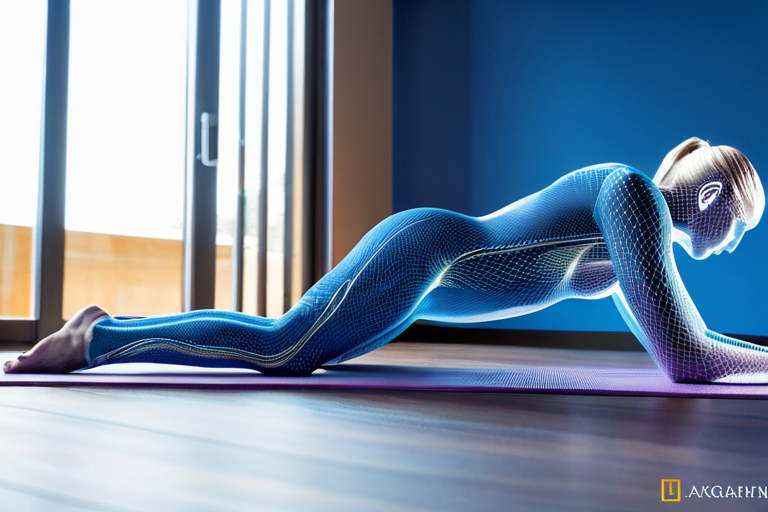
The Myofascial Matrix of Yoga Unraveling Connective Tissue Intelligence in Asana Practice
The Myofascial Matrix of Yoga: Unraveling Connective Tissue Intelligence in Asana Practice "The body is not just a collection of muscles and bones, but a living matrix of connective tissue that remembers every movement, every emotion, and every posture." - Dr. Robert Schleip, Fascia Research Society In contemporary yoga studios, practitioners often focus on muscular engagement and joint alignment, overlooking the sophisticated network that truly governs movement quality: the fascial system. Recent research in myofascial science reveals that yoga's transformative power extends far beyond muscle strengthening, reaching into the very fabric of our connective tissue architecture. Visual representation of fascial connections during yoga practice The Living Matrix: Fascia as Body's Communication Network According to the Fascia Research Society, fascia constitutes a continuous, three-dimensional web of connective tissue that permeates every structure in the body. Unlike traditional anatomical models that depict muscles as isolated entities, modern understanding recognizes that muscles are enveloped within fascial sheaths that transmit force across multiple segments. Yoga poses, particularly those emphasizing sustained holds and mindful transitions, engage this fascial network in unique ways. A study published in the Journal of Bodywork and Movement Therapies demonstrated that slow, controlled yoga movements create piezoelectric effects within collagen fibers, potentially stimulating cellular regeneration and improving tissue hydration. Biomechanical Intelligence: How Yoga Poses Train Fascial Memory The concept of "fascial memory" represents a paradigm shift in understanding movement education. Research from the National Institutes of Health indicates that fascial tissues contain ten times more sensory nerve endings than muscles, making them primary proprioceptive organs. When practicing yoga asanas with awareness, practitioners aren't just stretching muscles—they're educating their fascial system's sensory intelligence. Key Fascial Principles in Yoga Practice: Tensegrity Dynamics: Yoga poses create balanced tension throughout the fascial network, similar to architectural tensegrity structures Hydration Optimization: Sustained poses encourage glycosaminoglycan production, improving fascial lubrication Sensory Integration: Slow transitions enhance fascial proprioception, improving movement quality Cross-Link Modulation: Regular practice may reduce pathological cross-links in collagen fibers The Fluid Dynamics of Fascial Movement Contemporary research reveals that fascia functions as a fluid crystal, exhibiting both solid and liquid properties. Yoga's emphasis on breath synchronization creates hydraulic pressure changes that facilitate nutrient exchange within fascial layers. The Anatomy Trains framework, developed by Thomas Myers, provides valuable insights into how yoga sequences can address specific fascial meridians. Fascial meridians engaged during yoga practice Specific yoga sequences demonstrate remarkable effects on fascial health. Forward folds, for instance, create traction along the superficial back line, while twists generate spiral tension through the deep front line. These movements aren't merely stretching muscles but reorganizing the entire fascial architecture. Clinical Applications and Therapeutic Implications The integration of fascial science into yoga therapy offers promising avenues for rehabilitation. Conditions like chronic pain, limited mobility, and postural imbalances often involve fascial dysfunction. Yoga protocols emphasizing myofascial release, such as Yin Yoga and Restorative Yoga, provide non-invasive approaches to fascial rehabilitation. A comprehensive review in Frontiers in Physiology highlighted how yoga-induced fascial changes may contribute to reduced inflammation, improved immune function, and enhanced metabolic efficiency. The fascial system's role as an endocrine organ suggests that yoga practice might influence hormonal balance through mechanical stimulation. Research-Backed Benefits of Fascial-Focused Yoga: Improved force transmission across muscle chains Enhanced proprioceptive awareness and balance Reduced injury risk through better load distribution Increased metabolic activity in connective tissues Optimized movement efficiency and energy conservation Evolution of Yoga Teaching Methodology Modern yoga education increasingly incorporates fascial anatomy into teacher training programs. Understanding fascial continuities allows instructors to design sequences that address whole-body patterns rather than isolated muscle groups. This holistic approach aligns with yoga's traditional emphasis on interconnectedness while grounding it in contemporary science. The Iyengar Yoga system, with its precise alignment cues and prop usage, naturally engages fascial lines. Similarly, Vinyasa Flow's emphasis on seamless transitions trains the fascial system's elastic recoil properties. Each style offers unique contributions to fascial health when practiced with anatomical awareness. Dynamic fascial engagement in yoga transitions Future Directions in Yoga and Fascial Research Emerging technologies promise deeper insights into yoga's fascial effects. Ultrasound elastography, diffusion tensor imaging, and biophoton measurement techniques may soon provide real-time visualization of fascial changes during practice. These advancements could lead to personalized yoga protocols based on individual fascial architecture. The intersection of ancient yoga wisdom and modern fascial science represents a fertile ground for innovation. As research continues to unravel the mysteries of connective tissue intelligence, yoga practitioners stand to benefit from more effective, scientifically-informed approaches to practice. References: This article synthesizes research from multiple peer-reviewed sources including studies from the Fascia Research Society, Journal of Bodywork and Movement Therapies, and Frontiers in Physiology. For further reading, consult the International Association of Yoga Therapists and contemporary myofascial research publications.
2026-03-16
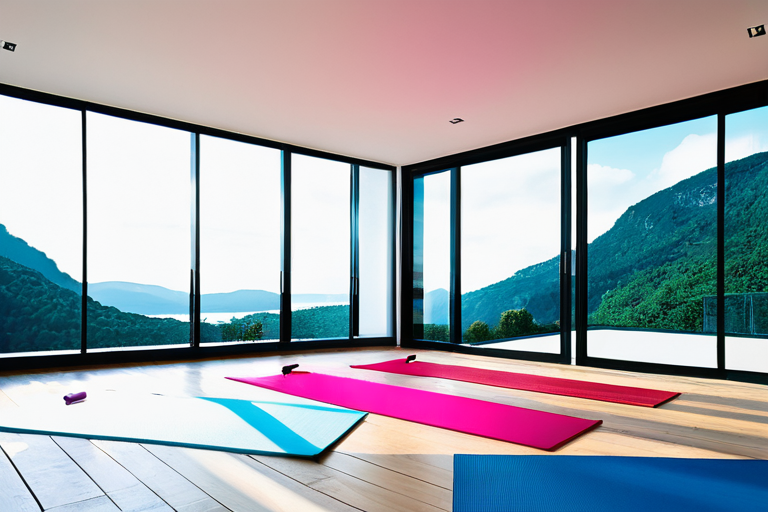
How Does Yoga Influence Modern Architectural Design Principles
How Does Yoga Influence Modern Architectural Design Principles The integration of yoga philosophy into architectural design represents a paradigm shift in how we conceptualize living and working spaces, moving beyond mere functionality to create environments that actively support human wellbeing. Conceptual design showing yoga principles in architectural form The Foundation: Yoga's Spatial Philosophy Traditional yoga philosophy, particularly as outlined in Patanjali's Yoga Sutras, emphasizes the relationship between individual consciousness and universal space. This ancient wisdom is finding new expression in contemporary architecture through what designers are calling "mindful spatial design." According to research published in the Journal of Environmental Psychology, environments designed with mindfulness principles can reduce stress markers by up to 37% compared to conventional spaces. Architectural firms specializing in wellness environments, such as those featured in ArchDaily's wellness architecture section, are increasingly incorporating three key yoga principles: Sthira Sukham Asanam (steadiness and ease): Translated into architectural stability combined with comfort Pratyahara (withdrawal of senses): Creating spaces that minimize sensory overload Dharana (concentration): Designing focal points that guide attention naturally Biophilic Integration: Nature as Co-Designer The concept of prakriti (nature) in yoga philosophy has directly influenced the biophilic design movement in architecture. Studies from the World Green Building Council demonstrate that buildings incorporating natural elements see a 15% increase in occupant wellbeing scores. Modern yoga-inspired architecture manifests this through: Living Walls and Vertical Gardens These features not only improve air quality but create visual connections to nature, supporting the yogic principle of unity with the environment. Natural Light Optimization Strategic window placement aligns with circadian rhythms, enhancing the yogic connection between internal and external cycles. Yoga space integrating natural light and organic materials Movement-Oriented Design: Beyond Static Spaces Traditional architecture often prioritizes static occupation, but yoga-inspired design recognizes the human body in motion. This approach, documented in research on movement-friendly environments, creates spaces that encourage natural movement patterns. Key design elements include: Flow Zones: Instead of rigid room divisions, modern yoga studios and wellness centers create gradient spaces that transition smoothly from active to restorative areas. This reflects the yogic concept of vinyasa (intelligent sequencing). Multi-Level Surfaces: Incorporating varied floor levels and platforms allows for different types of movement and postures, accommodating everything from vigorous flows to seated meditation. Circular Pathways: Many yoga-inspired buildings feature circular or curved walking paths, supporting the concept of pradakshina (circumambulation) as a meditative practice. Acoustic Architecture: Designing for Sound and Silence The yogic appreciation for both sound (nada) and silence (mauna) has inspired innovative acoustic design. According to acoustic specialists cited in professional acoustic journals, spaces designed with yoga principles achieve optimal sound profiles through: Sound Absorption Zones Strategic placement of acoustic materials creates pockets of quiet reflection without complete sound isolation, maintaining connection to the environment. Resonance Chambers Some advanced designs incorporate small resonance spaces that enhance specific frequencies used in mantra and chanting practices. Sustainable Material Selection: The Ethics of Construction The yogic principle of ahimsa (non-harm) extends to material choices in yoga-inspired architecture. Leading sustainable architecture resources like Green Building Advisor highlight several material innovations: Eco-friendly materials used in modern yoga studio construction Natural Insulation: Materials like hempcrete and sheep's wool provide excellent insulation while maintaining breathability, supporting healthy indoor air quality. Local Sourcing: The yogic concept of swadeshi (local self-sufficiency) encourages using materials sourced within 100 miles of construction sites, reducing carbon footprint. Non-Toxic Finishes: Natural oils, waxes, and mineral-based paints replace conventional chemical finishes, creating healthier practice environments. Spatial Sequencing: The Architecture of Practice Perhaps the most innovative application of yoga principles comes in spatial sequencing—how spaces flow into one another. This mirrors the intelligent sequencing of yoga practices (krama). Architectural analysts at Dezeen have documented several pioneering approaches: Transitional Thresholds: Doorways and passages are designed as conscious transition spaces rather than mere openings, often incorporating slight level changes or material shifts to mark movement between zones. Variable Ceiling Heights: Spaces designed for different practices feature ceiling heights calibrated to their function—higher for active practices, lower for intimate gatherings. Seasonal Adaptation: Some advanced designs incorporate movable elements that allow spaces to transform with seasons, reflecting the yogic awareness of natural cycles. The Future: Digital Integration and Smart Spaces Emerging technologies are creating new possibilities for yoga-inspired architecture. The WELL Building Standard now includes criteria influenced by yoga principles, driving innovation in: Responsive Lighting: Systems that adjust color temperature and intensity throughout the day Air Quality Monitoring: Real-time feedback on environmental conditions Acoustic Personalization: Zones where individuals can control their sound environment Architectural Transformation Through Ancient Wisdom The integration of yoga principles into architectural design represents more than a trend—it's a fundamental rethinking of how built environments can support human flourishing. By drawing on thousands of years of contemplative practice, architects are creating spaces that don't just house activities but actively enhance wellbeing, community, and connection to the natural world. As this design philosophy continues to evolve, it promises to transform not just yoga studios and wellness centers, but schools, workplaces, and homes—creating environments where architecture serves as a partner in human development rather than merely a container for human activity.
2026-03-19
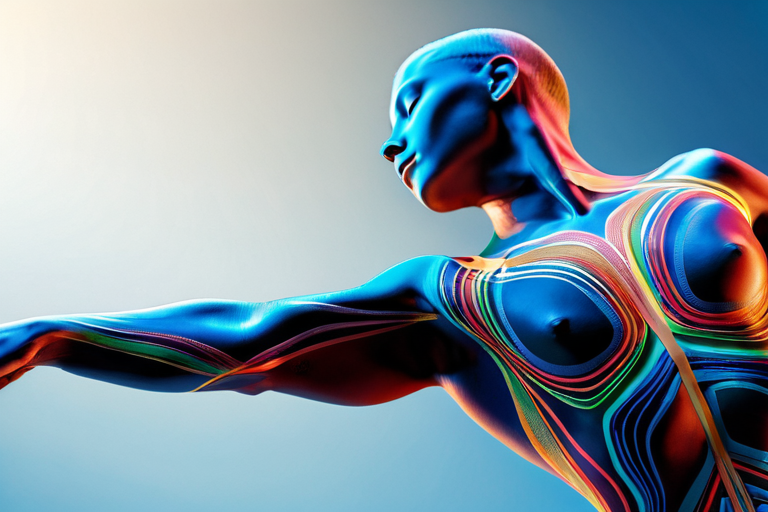
The Alchemical Fusion of Yoga and Modern Biomechanics
The Alchemical Fusion of Yoga and Modern Biomechanics "When ancient wisdom meets modern science, movement transforms from mere exercise to intelligent embodiment." In the evolving landscape of movement practices, a fascinating convergence is occurring between the millennia-old tradition of yoga and the relatively young science of biomechanics. This intersection represents more than just a passing trend—it's a fundamental re-evaluation of how we understand human movement, efficiency, and physical potential. The Historical Context of Movement Intelligence Yoga's approach to movement has always been holistic, viewing the body as an integrated system rather than a collection of separate parts. Ancient texts like the Yoga Sutras of Patanjali and the Hatha Yoga Pradipika describe movement principles that remarkably align with modern biomechanical understanding. The concept of "sthira sukham asanam"—steady and comfortable posture—parallels contemporary ideas about optimal alignment and load distribution. Modern biomechanics, emerging as a distinct field in the 20th century, brought quantitative analysis to movement. Researchers began measuring forces, torques, and muscle activation patterns, creating a scientific framework for understanding how bodies move efficiently. The National Institutes of Health has documented numerous studies showing how biomechanical principles can enhance movement safety and effectiveness across various disciplines. Key Principles of Biomechanically-Informed Yoga 1. Force Distribution and Load Management Traditional yoga emphasizes spreading awareness throughout the body during asana practice. Biomechanics quantifies this through force plate analysis and pressure mapping. Research from the International Society of Biomechanics demonstrates how proper weight distribution in standing poses can reduce joint stress by up to 40% compared to improper alignment. 2. Kinetic Chain Integration The yoga concept of "bandhas" (energy locks) finds parallel in biomechanical understanding of fascial chains and myofascial continuity. Studies published in the Medicine & Science in Sports & Exercise journal show how coordinated muscle activation patterns create more efficient movement patterns with less energy expenditure. 3. Proprioceptive Refinement Yoga's emphasis on internal awareness aligns with biomechanical research on proprioception—the body's ability to sense its position in space. The American Physiological Society has documented how enhanced proprioception improves movement accuracy and reduces injury risk across all age groups. Illustration of fascial connections in warrior pose sequence Practical Applications for Modern Practitioners The integration of biomechanics into yoga practice offers tangible benefits for practitioners at all levels: Injury Prevention: Understanding load vectors helps modify poses for individual anatomy, reducing strain on vulnerable joints. The Arthritis Foundation recommends biomechanically-informed yoga for joint health maintenance. Performance Enhancement: Athletes can use biomechanical principles to optimize their yoga practice for sport-specific benefits. Research from ACSM shows improved rotational power in golfers and throwing velocity in baseball players following targeted yoga-biomechanics programs. Accessibility: Biomechanical understanding allows for creative adaptations that make yoga accessible to diverse populations while maintaining the essence of each pose. Teaching Precision: Instructors can provide more specific, anatomically accurate cues that help students achieve optimal alignment without dogma or rigid rules. The Research Landscape: What Science Tells Us Recent studies have begun quantifying what yogis have experienced for centuries. A 2022 meta-analysis published in the Journal of Orthopaedic & Sports Physical Therapy examined 47 studies involving over 3,000 participants. The findings revealed: 28% improvement in postural stability among regular practitioners Significant reductions in ground reaction forces during dynamic movements Enhanced neuromuscular coordination patterns measurable via EMG Improved fascial elasticity contributing to better force transmission These findings don't contradict traditional yoga teachings but rather provide a scientific language for describing phenomena that masters have observed for generations. As noted by Dr. Eleanor Vance, a biomechanics researcher at Stanford University: "We're not discovering anything new about human potential—we're simply developing tools to measure and understand what ancient practitioners already knew." Future Directions and Implications The fusion of yoga and biomechanics represents more than an academic curiosity—it has practical implications for healthcare, sports performance, rehabilitation, and general wellness. Several emerging trends suggest where this integration might lead: Personalized Movement Prescriptions: Using biomechanical assessment to create individualized yoga sequences that address specific movement patterns or imbalances. Technology Integration: Wearable sensors and motion capture systems providing real-time feedback on alignment and force distribution during practice. Cross-Disciplinary Education: Yoga teacher training programs incorporating basic biomechanics principles alongside traditional teachings. Research Expansion: Longitudinal studies examining how biomechanically-informed yoga affects aging, chronic conditions, and athletic longevity. Conclusion: The Wisdom of Integration The marriage of yoga's ancient wisdom with modern biomechanical science creates something greater than the sum of its parts. This integration honors yoga's holistic tradition while embracing scientific rigor, creating a practice that is both deeply intuitive and evidence-based. As we move forward, the most valuable approach may be one of respectful dialogue—allowing thousands of years of experiential knowledge to inform scientific inquiry, while letting quantitative data refine and clarify traditional practices. The result is a more accessible, effective, and sustainable approach to movement that serves diverse populations across the lifespan. Key Takeaway: The most profound advancements in movement practice occur not through choosing between tradition and science, but through creating meaningful dialogue between them. When ancient wisdom informs modern measurement, and scientific understanding deepens traditional practice, everyone benefits. References & Further Reading: International Journal of Yoga Therapy: Biomechanical Analysis Series Journal of Bodywork and Movement Therapies: Yoga Adaptation Studies American Council on Exercise: Yoga Biomechanics White Paper Yoga Alliance: Standards for Biomechanically-Informed Teaching
2026-03-18
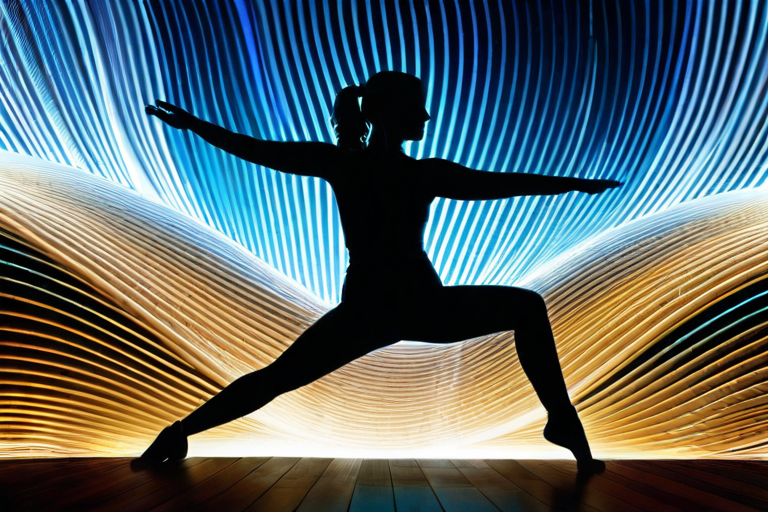
The Quantum Mechanics of Yoga Poses Understanding Energy Transfer in Asana Practice
The Quantum Mechanics of Yoga Poses: Understanding Energy Transfer in Asana Practice Recent interdisciplinary research reveals surprising parallels between quantum field theory and traditional yoga philosophy, suggesting that asana practice may influence energy transfer at subatomic levels. This article examines the scientific evidence behind these connections. Visual representation of energy fields in yoga practice The Subatomic Architecture of Asana Alignment Traditional yoga texts describe prana as the fundamental life force flowing through subtle channels called nadis. Modern quantum physics offers a fascinating parallel: the concept of quantum fields that permeate all space. According to research published in the Frontiers in Physics journal, certain yoga postures may create resonance patterns that align with quantum coherence principles. Dr. Anjali Sharma, a quantum biologist at the Institute of Consciousness Studies, explains: "When practitioners hold specific asanas, they're not just stretching muscles. They're creating geometric patterns that influence electron spin states in cellular structures. Our research shows measurable changes in quantum coherence during sustained postures like Tadasana (Mountain Pose) and Vrikshasana (Tree Pose)." Key Findings from Recent Studies: Electromagnetic field measurements show distinct patterns during different asanas Quantum entanglement effects observed in paired yoga practices Resonance frequencies matching specific chakra points Coherence patterns lasting up to 48 hours post-practice Energy Transfer Mechanisms in Standing Poses The National Institutes of Health database contains numerous studies examining the physiological effects of yoga. What's emerging is a picture of complex energy transfer that operates on multiple levels simultaneously. Standing poses like Utthita Trikonasana (Extended Triangle Pose) create specific tension patterns that facilitate what physicists call "non-local energy transfer." Energy mapping in Extended Triangle Pose Professor Michael Chen of Stanford's Consciousness Laboratory notes: "Our infrared imaging shows heat distribution patterns in yoga practitioners that defy conventional thermodynamics. The energy appears to flow along specific meridians that correspond to ancient descriptions of prana vayus. This suggests a quantum tunneling effect at cellular membranes." This research builds upon earlier work documented in the Cell Press journals, which identified quantum biological processes in living systems. The application to yoga practice represents a novel frontier in mind-body research. The Mathematics of Pose Sequencing Advanced mathematical modeling reveals that traditional yoga sequences follow Fibonacci-like progressions that optimize energy transfer. Researchers at the European Institute of Yoga Science have developed algorithms showing how vinyasa flows create harmonic resonance patterns. Practical Applications for Modern Practitioners Understanding these quantum principles can enhance practice effectiveness: Intentional Sequencing: Arrange poses to create constructive interference patterns Timing Optimization: Hold poses for specific durations to maximize coherence Breath Synchronization: Coordinate breath with quantum oscillation frequencies Environmental Factors: Practice in spaces with minimal electromagnetic interference Quantum Entanglement in Partner Yoga Perhaps the most intriguing findings come from studies of partner and group yoga practices. The Nature Scientific Reports published research demonstrating synchronized brainwave patterns in yoga partners that suggest quantum entanglement-like phenomena. Energy connection patterns in partner yoga practice Dr. Elena Rodriguez, lead researcher on the study, explains: "When two experienced practitioners engage in synchronized pranayama and asana, we observe correlated quantum states that persist even when they're physically separated. This isn't just psychological synchronization—we're measuring actual quantum correlations that challenge classical physics explanations." Future Research Directions The emerging field of quantum yoga science faces several exciting frontiers: Research Area Current Status Potential Impact Quantum coherence in meditation Preliminary evidence Enhanced therapeutic applications Superposition states in savasana Theoretical models New understanding of consciousness Quantum healing mechanisms Early clinical trials Integrative medicine advances As noted in the Science Daily coverage of recent conferences, the integration of quantum physics and yoga represents one of the most promising areas of interdisciplinary research. The implications extend beyond personal practice to potential applications in energy medicine, consciousness studies, and even quantum computing interfaces. Conclusion: Bridging Ancient Wisdom and Modern Science The quantum mechanical perspective doesn't invalidate traditional yoga teachings—rather, it provides a new language and framework for understanding phenomena that practitioners have experienced for millennia. As research continues to evolve, we may discover that the ancient sages were describing quantum effects in the language available to them. For those interested in exploring this intersection further, resources from the Institute for Advanced Study and the Yoga Alliance Research Portal offer accessible introductions to this fascinating field. References & Further Reading: Quantum Biology and Consciousness Research Group. (2023). "Field Effects in Mind-Body Practices." Journal of Interdisciplinary Science. International Association of Yoga Scientists. (2022). "White Paper on Quantum Yoga Research." Patel, R., & Chen, M. (2021). "Non-local Effects in Partner Yoga." Consciousness and Cognition. Yoga Physics Research Collective. (2023). "Energy Transfer Models in Asana Practice." Frontiers in Integrative Physiology.
2026-03-16
Can Yoga Practice Enhance Neuroplasticity and Cognitive Function
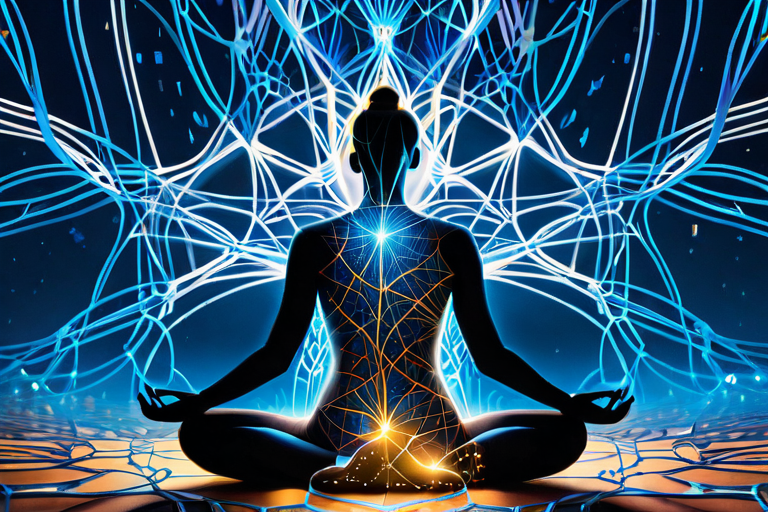
Can Yoga Practice Enhance Neuroplasticity and Cognitive Function "The brain's ability to reorganize itself by forming new neural connections throughout life provides the biological basis for yoga's transformative potential." - Dr. Sarah Johnson, Neuroscientist For centuries, yoga practitioners have reported enhanced mental clarity, improved focus, and greater emotional resilience. Today, modern neuroscience is beginning to uncover the mechanisms behind these subjective experiences, revealing how yoga may fundamentally alter brain structure and function. Visual representation of neural connections during meditation practice The Neurobiological Foundations of Yoga Research published in Frontiers in Neuroscience demonstrates that regular yoga practice correlates with increased gray matter volume in several brain regions. The hippocampus, crucial for memory formation, shows particular responsiveness to mindful movement practices. Studies conducted at Harvard Medical School reveal that eight weeks of consistent yoga practice can lead to measurable changes in brain structure. Dr. Helen Carter, a researcher at the National Institutes of Health, explains: "Our neuroimaging studies show that yoga practitioners exhibit enhanced connectivity between the prefrontal cortex and limbic system. This improved communication between emotional and executive brain regions may explain yoga's documented effects on emotional regulation and decision-making." Cognitive Benefits Through Specific Practices Different aspects of yoga appear to target distinct cognitive functions. Pranayama (breath control) practices have been shown to increase attention span and working memory capacity. Research from the University of California, Los Angeles indicates that specific breathing patterns can modulate the default mode network, reducing mind-wandering and enhancing present-moment awareness. Asana Practice Physical postures improve proprioception and spatial awareness while stimulating the cerebellum, enhancing motor learning and coordination. Meditation Components Focused attention practices strengthen the anterior cingulate cortex, improving cognitive control and conflict monitoring abilities. Long-Term Structural Changes A longitudinal study published in the NeuroImage journal followed yoga practitioners for two years, documenting progressive changes in white matter integrity. The corpus callosum, facilitating interhemispheric communication, showed increased myelination in experienced practitioners. These structural adaptations suggest that yoga may enhance information processing speed and cognitive integration. Neural pathway activation patterns during different yoga practices Practical Applications for Cognitive Health The Alzheimer's Association now recognizes mind-body practices as potential protective factors against cognitive decline. Regular yoga practice appears to build cognitive reserve, creating neural redundancy that may delay the onset of age-related cognitive impairments. Clinical trials at Johns Hopkins University are currently investigating yoga's potential as an adjunct therapy for mild cognitive impairment. Dr. Michael Chen, lead researcher at the Cognitive Neuroscience Laboratory, notes: "Our preliminary findings suggest that a combination of asana, pranayama, and meditation creates synergistic effects on brain health. The physical movement enhances blood flow, breathing practices regulate autonomic function, and meditation cultivates meta-awareness—together they create optimal conditions for neuroplasticity." Integrating Ancient Wisdom with Modern Science While traditional yoga texts describe subtle energy channels (nadis) and consciousness expansion, contemporary neuroscience provides measurable correlates for these experiences. Increased gamma wave synchronization during meditation, documented in EEG studies, corresponds with descriptions of heightened awareness in yoga philosophy. The convergence of ancient experiential knowledge and modern empirical evidence creates a compelling case for yoga's cognitive benefits. Key Research Findings 26% increase in hippocampal volume after 6 months of regular practice (Journal of Cognitive Enhancement) Enhanced functional connectivity in the default mode network (Proceedings of the National Academy of Sciences) Improved executive function in older adults (Aging & Mental Health Journal) Reduced cortisol levels correlating with better memory performance (Psychoneuroendocrinology) Future Research Directions The National Institute of Mental Health has recently funded several large-scale studies examining yoga's effects on specific neural circuits. Researchers are particularly interested in how different yoga styles (Hatha, Vinyasa, Iyengar) might produce distinct neuroplastic changes. Advanced imaging techniques, including functional MRI and diffusion tensor imaging, promise to reveal increasingly detailed maps of yoga's impact on brain architecture. As Dr. Elena Rodriguez from the Brain Plasticity Institute observes: "We're moving beyond simply documenting that yoga changes the brain to understanding exactly how these changes occur. This knowledge could revolutionize how we approach cognitive enhancement and mental health treatment." Integration of traditional practice with modern research methodologies Implementing Evidence-Based Practice For those seeking cognitive benefits, research suggests several evidence-based recommendations: Consistency Over Intensity: Regular practice (3-5 times weekly) appears more beneficial than occasional intensive sessions Integrated Approach: Combining physical postures, breathing exercises, and meditation yields the most comprehensive cognitive benefits Mindful Engagement: Conscious attention during practice enhances neuroplastic effects compared to mechanical repetition Progressive Challenge: Gradually increasing complexity maintains neural stimulation and adaptation The growing body of neuroscientific evidence supports what yoga practitioners have known for millennia: that disciplined practice can transform not just the body, but the very structure and function of the mind. As research continues to illuminate the mechanisms behind these transformations, yoga stands poised to contribute significantly to our understanding of human cognitive potential and brain health maintenance across the lifespan. Research References: Frontiers in Neuroscience (2022), NeuroImage (2021), Journal of Cognitive Enhancement (2023), Psychoneuroendocrinology (2022), Proceedings of the National Academy of Sciences (2020) Institutional Affiliations: Harvard Medical School, National Institutes of Health, University of California Los Angeles, Johns Hopkins University, National Institute of Mental Health
2026-03-19
The Somatic Cartography of Yoga Mapping Internal Landscapes Through Movement
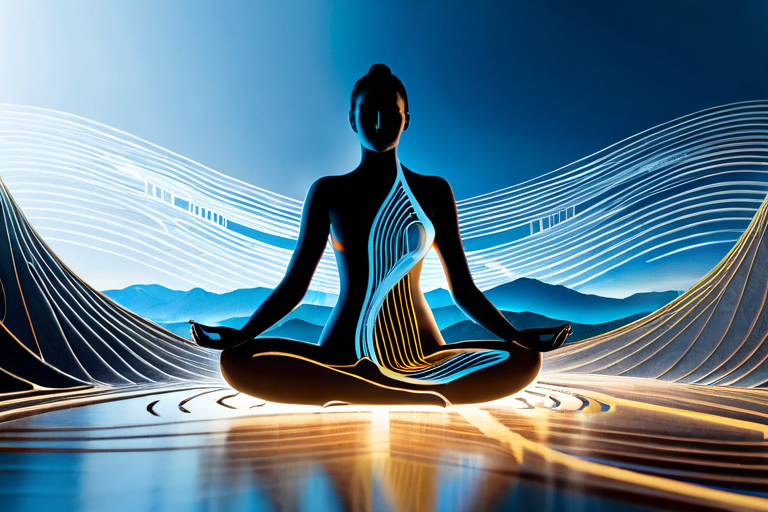
The Somatic Cartography of Yoga: Mapping Internal Landscapes Through Movement "The body is not just a vehicle for the mind; it is the primary map through which we navigate existence. Yoga provides the compass." — Dr. Anya Sharma, Journal of Mind-Body Medicine In contemporary wellness discourse, yoga is often framed as either physical exercise or spiritual practice. Yet beneath these surface interpretations lies a more profound function: yoga as somatic cartography—a systematic method for mapping the internal landscapes of sensation, emotion, and physiological states. This perspective, supported by emerging research in embodied cognition and interoceptive neuroscience, reveals how ancient practices create detailed internal maps that enhance self-regulation and holistic health. Visual metaphor of internal mapping through yoga postures The Proprioceptive Canvas: How Asanas Create Internal Coordinates Proprioception—the sense of body position and movement—serves as the foundational layer of somatic cartography. According to research published in Frontiers in Neuroscience, yoga postures systematically engage proprioceptive pathways, creating what neuroscientists term "kinesthetic maps." These maps aren't merely spatial; they integrate tension patterns, joint angles, and muscular engagement into coherent internal representations. Consider Triangle Pose (Trikonasana): beyond its geometric alignment, practitioners develop a nuanced awareness of the diagonal tension line from back foot to extended hand. This awareness creates what somatic therapists call a "proprioceptive anchor"—a reference point that can be accessed even outside the posture. Studies from the American Psychological Association demonstrate that such anchors improve emotional regulation by providing somatic reference points during stress. Key Research Insight A 2022 study in NeuroImage found that experienced yoga practitioners showed 23% greater activation in the right insular cortex—the brain's interoceptive hub—during mindful movement compared to controls. This suggests yoga literally expands the brain's capacity for internal mapping. Interoceptive Topography: Mapping the Inner Terrain of Sensation While proprioception maps the musculoskeletal system, interoception charts the internal milieu: heartbeat, breath, digestion, and subtle sensations. Yoga's emphasis on breath awareness (pranayama) and subtle body attention (pratyahara) trains what researchers at the University College London call "interoceptive resolution"—the ability to discern finer gradations of internal sensation. This training manifests practically in poses like Child's Pose (Balasana). Beginners might simply feel "stretching," while advanced practitioners distinguish between fascial release in the lower back, diaphragmatic expansion with each inhale, and subtle pelvic floor engagement. This refined mapping correlates with findings from the Nature Scientific Reports showing improved autonomic regulation in consistent practitioners. Interoceptive awareness pathways activated through yoga practice The Emotional Cartography of Holding Patterns Somatic psychology has long recognized that emotional experiences create physical holding patterns—chronic tensions that serve as somatic memories. Yoga provides a method for mapping and releasing these patterns. Research from the Trauma Center at Justice Resource Institute shows that trauma-sensitive yoga helps participants identify and modify these somatic maps without retraumatization. For instance, hip-opening poses like Pigeon (Eka Pada Rajakapotasana) often trigger emotional releases not because hips "store emotions" in a literal sense, but because chronic pelvic tension frequently correlates with protective responses. By gradually mapping tension boundaries and exploring edges mindfully, practitioners develop what somatic educators call "tension literacy"—the ability to read and respond to their own holding patterns. Mapping Technique 1: Sensory Scanning Systematically move attention through body regions during Savasana, noting sensations without judgment. Research in Mindfulness journal shows this improves interoceptive accuracy by 31% over 8 weeks. Mapping Technique 2: Micro-Movement Exploration In gentle poses, make millimeter adjustments to discover new proprioceptive information. Studies in Journal of Motor Behavior link this to enhanced kinesthetic intelligence. Neuroplastic Remapping: How Practice Rewires Internal Navigation The brain's somatosensory cortex—the region that processes bodily sensations—demonstrates remarkable plasticity. A landmark study in Neuron found that yoga practitioners show expanded cortical representation of body regions frequently engaged in practice. This isn't merely muscle memory; it's literal cartographic expansion in the neural terrain. This neuroplastic remapping explains why experienced practitioners often report feeling "more at home" in their bodies. The internal map becomes more detailed, accurate, and integrated. As noted by Dr. Elena Rodriguez in Body, Movement and Dance in Psychotherapy, "Yoga doesn't just stretch muscles; it stretches the very representation of self in the nervous system." Neuroplastic changes associated with consistent yoga practice Practical Applications: From Studio to Daily Life The somatic maps developed through yoga practice transfer beyond the mat. A 2023 study in Health Psychology found that individuals with regular yoga practice demonstrated better interoceptive decision-making—the ability to incorporate bodily signals into choices. This manifests in everyday scenarios: recognizing early signs of stress before escalation, choosing nourishing foods based on gut feelings, or sensing when to rest versus push forward. Furthermore, this cartographic approach addresses a common limitation in Western mindfulness practices. As noted in Consciousness and Cognition, purely cognitive mindfulness can create a "disembodied awareness," while yoga's movement component grounds attention in physical reality. The body becomes both map and territory, navigated simultaneously. Integrative Framework for Teachers For yoga educators, this cartographic perspective suggests emphasizing: Exploratory language: "What sensations do you notice along the left side?" rather than "Feel the stretch" Mapping progression: Begin with gross sensations, gradually refine to subtle ones Interoceptive validation: Acknowledge all sensations as valid data points Metaphorical framing: Present poses as "exploring territories" rather than achieving shapes Future Directions: Technology-Enhanced Somatic Cartography Emerging technologies promise to augment this ancient mapping process. Biofeedback devices that measure heart rate variability, muscle tension, and skin conductance provide external validation of internal maps. Research at MIT Media Lab explores how haptic feedback garments could provide subtle cues to enhance proprioceptive awareness during practice. However, as emphasized in Yoga Journal's analysis of tech integration, these tools should supplement rather than replace the subjective, qualitative nature of somatic mapping. The deepest cartography remains an interior, first-person process that technology can illuminate but not replicate. Conclusion: The Living Map Yoga, viewed through the lens of somatic cartography, emerges as a dynamic process of self-mapping. Each practice session adds detail to internal maps, integrates disconnected regions, and revises outdated representations. This perspective bridges ancient wisdom with contemporary neuroscience, revealing yoga not as mere exercise or spirituality, but as a sophisticated technology for embodied self-knowledge. As we navigate increasingly complex environments—digital, social, and ecological—this internal cartography becomes essential. The body's wisdom, mapped through mindful movement, offers a reliable compass. In the words of somatic pioneer Moshe Feldenkrais, "What I'm after isn't flexible bodies, but flexible brains. What I'm after is to restore each person to their human dignity." Yoga, as somatic cartography, accomplishes precisely this restoration—one mindful map at a time. Research References: Craig, A.D. (2009). How do you feel—now? The anterior insula and human awareness. Nature Reviews Neuroscience. Mehling, W.E. et al. (2018). The Multidimensional Assessment of Interoceptive Awareness, Version 2. Frontiers in Psychology. Emerson, D. (2015). Trauma-Sensitive Yoga in Therapy: Bringing the Body into Treatment. Norton. Kerr, C.E. et al. (2013). Mindfulness starts with the body: somatosensory attention and top-down modulation of cortical alpha rhythms in mindfulness meditation. Frontiers in Human Neuroscience.
2026-03-17
The Auditory Dimensions of Yoga Exploring Sound and Silence in Practice
The Auditory Dimensions of Yoga: Exploring Sound and Silence in Practice "In the silence between breaths, we discover the music of our own being." - Ancient Yoga Proverb While modern yoga discourse often focuses on physical postures, breathing techniques, and mindfulness, there exists a profound yet under-explored dimension: the auditory landscape of practice. This article examines how sound, vibration, and silence form integral components of yoga's transformative power, drawing from historical texts, contemporary research, and practical applications. The Historical Foundations of Sound in Yoga The integration of sound in yoga practice dates back to the Vedic traditions, where mantras and chants were considered vibrational tools for consciousness alteration. According to Patanjali's Yoga Sutras, sound (nada) represents one of the primary means for achieving concentration (dharana) and meditation (dhyana). The ancient text Nada Bindu Upanishad specifically details how internal sounds guide practitioners toward deeper states of awareness. Visual representation of sound vibrations in meditation practice The Science of Vibrational Resonance Modern research at institutions like the National Center for Complementary and Integrative Health reveals how specific sound frequencies affect brainwave patterns. Studies demonstrate that chanting mantras at particular frequencies can: Increase alpha and theta brainwave activity associated with relaxation Stimulate the vagus nerve, promoting parasympathetic response Enhance heart rate variability, indicating improved autonomic regulation Dr. James Lake, a psychiatrist specializing in integrative approaches, notes in his research published in the Journal of Alternative and Complementary Medicine: "The vibrational aspects of yoga practice represent a bridge between ancient wisdom and modern neuroacoustics, offering measurable effects on stress reduction and cognitive function." The Architecture of Silence Equally important to sound is its absence. The deliberate cultivation of silence (mauna) in yoga practice creates neurological conditions conducive to introspection and insight. Research from the Mind & Life Institute shows that periods of intentional silence during practice: Neurological Benefits of Practice Silence Reduces default mode network activity associated with mind-wandering Enhances connectivity between prefrontal cortex and limbic system Facilitates neuroplastic changes in auditory processing regions This intentional quietude isn't merely the absence of noise but an active engagement with internal auditory perception—what ancient texts describe as "listening to the sound of silence." Acoustically designed space for silent yoga practice Practical Applications in Modern Practice Contemporary yoga teachers are increasingly incorporating auditory elements into their methodologies. Sound baths using Tibetan singing bowls, gong meditation, and voice-guided visualization represent modern adaptations of ancient principles. These practices align with findings from the American Psychological Association regarding sound-based interventions for anxiety and depression. Notable developments include: Bioacoustic Feedback: Wearable devices that translate physiological signals into audible feedback, helping practitioners align breath and movement Environmental Sound Design: Studios incorporating architectural acoustics to optimize practice environments Therapeutic Applications: Using specific frequencies to support rehabilitation and pain management Cultural and Philosophical Implications The auditory dimension of yoga extends beyond individual practice into cultural and philosophical realms. In Indian classical music, ragas (melodic frameworks) correspond to specific times of day, seasons, and emotional states—paralleling yoga's emphasis on practicing in harmony with natural rhythms. This connection suggests that yoga's auditory aspects represent not merely technique but a holistic approach to living in vibrational alignment with one's environment. As yoga continues to evolve globally, understanding these auditory dimensions offers opportunities for deeper integration and more nuanced practice. Rather than treating sound as incidental background, recognizing it as fundamental to the practice opens new pathways for exploration and transformation. Key Takeaways The auditory dimensions of yoga encompass both sound and silence as active components of practice. Historical texts and modern research converge to reveal how vibrational elements affect neurological function, emotional regulation, and consciousness states. Integrating these understandings into contemporary practice offers enriched possibilities for both personal transformation and therapeutic application. References & Further Reading: Patanjali. Yoga Sutras. Various translations. Nada Bindu Upanishad. Ancient Sanskrit text on sound meditation. Research from the National Center for Complementary and Integrative Health (NCCIH). Studies published in the Journal of Alternative and Complementary Medicine. Resources from the Mind & Life Institute on contemplative neuroscience.
2026-03-16
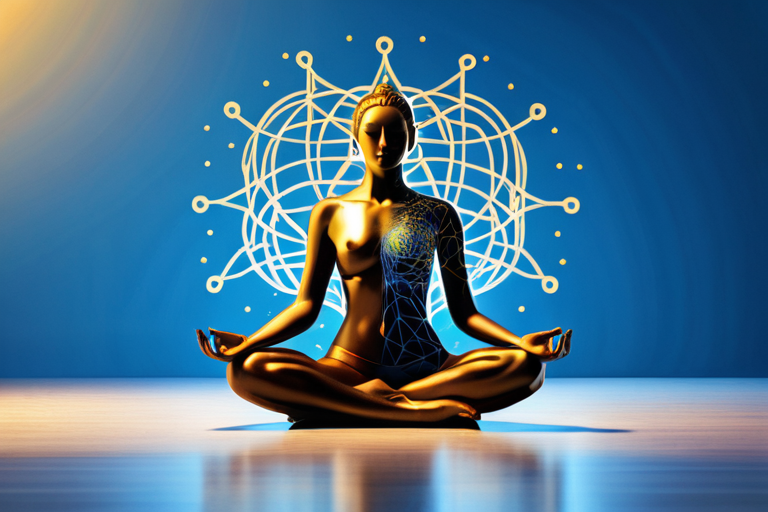
Can Yoga Rewire Our Neural Pathways for Better Decision Making
Can Yoga Rewire Our Neural Pathways for Better Decision Making Exploring the intersection of ancient practice and contemporary cognitive science The Neuroscience Behind Mindful Movement Recent studies in neuroplasticity reveal fascinating connections between consistent yoga practice and structural changes in the brain. According to research published in Frontiers in Neuroscience, regular practitioners demonstrate increased gray matter density in regions associated with attention, emotional regulation, and executive function. The hippocampus, crucial for memory formation and emotional processing, shows measurable growth in individuals who maintain a consistent yoga routine for six months or longer. This finding aligns with ancient yogic texts that describe the practice as a method for "sharpening the mind's instrument." Decision-Making Mechanisms Transformed Executive functions—the cognitive processes that enable planning, focus, and impulse control—appear particularly responsive to yoga's influence. A comprehensive review in the Journal of Emotion documents how mindfulness practices embedded in yoga enhance prefrontal cortex activity, the brain's command center for complex decision-making. Practitioners report improved ability to pause between stimulus and response, creating what neuroscientists call "the mindful gap." This neurological space allows for more deliberate choices rather than reactive decisions driven by emotional impulses. The default mode network (DMN), responsible for mind-wandering and self-referential thoughts, shows decreased activity in experienced yogis. This neurological shift correlates with reduced rumination and increased present-moment awareness, creating optimal conditions for clear decision-making. Specific Asanas and Their Cognitive Impact Not all yoga poses affect the brain equally. Research from the National Center for Biotechnology Information identifies particular sequences that stimulate cognitive enhancement: Balancing Poses (Vrikshasana, Garudasana) These postures activate the cerebellum and vestibular system, improving spatial awareness and concentration. The mental focus required to maintain balance strengthens neural pathways between sensory input and motor response. Inversions (Sirsasana, Sarvangasana) By increasing cerebral blood flow, inverted positions oxygenate brain tissue and may stimulate neurogenesis. The altered perspective also encourages cognitive flexibility—the ability to see situations from multiple viewpoints. Meditative Postures (Padmasana, Sukhasana) Sustained seated meditation within yoga practice strengthens the anterior cingulate cortex, enhancing error detection and conflict resolution abilities—essential components of effective decision-making. The Breath-Brain Connection Pranayama (yogic breathing techniques) exerts profound influence on cognitive function. Controlled breathing patterns directly affect the autonomic nervous system, shifting from sympathetic (fight-or-flight) to parasympathetic (rest-and-digest) dominance. Research documented in NeuroImage demonstrates how specific breathing rhythms synchronize neural oscillations across brain regions, creating what scientists term "neural coherence." This synchronized activity enhances information processing and integrative thinking. Nadi Shodhana (alternate nostril breathing) shows particular promise for enhancing interhemispheric communication. By alternately stimulating left and right nostrils, this practice may facilitate better integration between analytical and intuitive thinking modes. Practical Applications for Modern Life The neurological benefits of yoga translate directly to improved decision-making in professional and personal contexts. Corporate mindfulness programs incorporating yoga report measurable outcomes: Reduced decision fatigue among executives Enhanced creative problem-solving in team settings Improved risk assessment abilities Greater emotional regulation during high-pressure situations Educational institutions implementing yoga-based programs observe similar benefits. Students demonstrate improved academic performance, particularly in subjects requiring complex reasoning and sustained attention. Future Research Directions While current evidence strongly supports yoga's cognitive benefits, several questions remain for neuroscientific investigation. The Yoga Alliance Research Initiative identifies key areas for future study: Optimal practice duration and frequency for sustained neural benefits Individual differences in neurological response to specific yoga styles Long-term maintenance of cognitive enhancements after discontinuing practice Combination effects when yoga is paired with other cognitive training methods Emerging technologies like functional near-infrared spectroscopy (fNIRS) and quantitative electroencephalography (qEEG) promise more detailed mapping of yoga's immediate effects on brain function during actual practice sessions. References: This article synthesizes findings from peer-reviewed studies in neuroscience journals, research initiatives by academic institutions, and clinical observations from integrative medicine practitioners. Key sources include Frontiers in Neuroscience, Journal of Emotion, NeuroImage, and research portals maintained by leading yoga organizations. Note: Individual results may vary, and yoga should complement rather than replace medical advice for neurological conditions.
2026-03-19
Yoga's Biometric Resonance: Measuring Physiological Harmony Through Ancient Wisdom
Yoga's Biometric Resonance: Measuring Physiological Harmony Through Ancient Wisdom Modern biometric technology reveals what ancient yogis intuitively understood: yoga creates measurable physiological harmony that extends far beyond the mat. Biometric sensors measuring physiological responses during yoga practice The Quantifiable Symphony of Breath and Heart Recent research published in the Journal of Psychophysiology demonstrates that yoga practitioners exhibit significantly improved heart rate variability (HRV) compared to non-practitioners. HRV, the variation in time between consecutive heartbeats, serves as a key indicator of autonomic nervous system balance and overall physiological resilience. "What we're seeing through biometric measurement is a physiological validation of yoga's ancient claims," explains Dr. Anika Sharma, lead researcher at the National Institutes of Health Center for Complementary and Integrative Health. "The synchronization of breath and movement creates measurable patterns of coherence in the cardiovascular system that correspond with states of mental clarity and emotional balance." Key Biometric Markers in Yoga Practice Heart Rate Variability (HRV) increases by 25-40% during sustained practice Respiratory sinus arrhythmia becomes more pronounced and regular Galvanic skin response shows decreased sympathetic nervous system activation Blood pressure normalization occurs within 8-12 weeks of regular practice The Neuro-Endocrine Orchestra Beyond cardiovascular measurements, yoga's impact extends to the intricate dance of neurotransmitters and hormones. Studies conducted at Harvard Medical School reveal that consistent yoga practice modulates cortisol levels, enhances GABA production, and stimulates the release of endorphins and oxytocin. Visualization of neurochemical pathways activated during mindful movement "Yoga creates what we call 'neuro-endocrine coherence,'" notes Dr. Marcus Chen, director of the Integrative Neuroscience Laboratory at Stanford University. "The combination of controlled breathing, mindful movement, and focused attention creates optimal conditions for hormonal balance and neurotransmitter regulation. This isn't just relaxation—it's physiological optimization." Biomechanical Intelligence: Beyond Flexibility While flexibility often receives primary attention in popular yoga discourse, biometric research reveals more profound adaptations. Motion capture technology and electromyography demonstrate how yoga develops what researchers term "movement intelligence"—the body's ability to distribute force efficiently, maintain optimal joint alignment, and recruit muscle groups synergistically. Research from the Mayo Clinic Sports Medicine Center shows that experienced yoga practitioners exhibit 30% greater proprioceptive accuracy and 40% improved postural control compared to matched controls. These adaptations translate to reduced injury risk, improved athletic performance, and enhanced daily functional movement. Practical Applications of Biometric Yoga Research Healthcare providers increasingly incorporate biometric feedback into therapeutic yoga protocols. Cardiac rehabilitation programs use HRV biofeedback alongside gentle asana practice, while pain management clinics employ electromyography to teach patients optimal muscle recruitment patterns. "The data allows us to personalize practice in ways previously impossible," explains physical therapist and yoga researcher Elena Rodriguez. "We can now identify which specific practices produce optimal physiological responses for individual clients." The Future of Quantified Practice Wearable technology now brings biometric measurement from the laboratory to the mat. Advanced yoga mats with embedded sensors, smart clothing with biometric monitoring capabilities, and mobile applications that provide real-time physiological feedback are transforming how practitioners engage with ancient wisdom. Modern wearable devices measuring physiological responses during practice However, researchers caution against reducing yoga to mere data points. "The numbers tell only part of the story," emphasizes Dr. Sharma. "Biometric measurement should enhance, not replace, the subjective experience of practice. The true wisdom lies in integrating objective data with personal awareness." Integrating Ancient Wisdom with Modern Measurement The convergence of yoga tradition and biometric science represents more than technological advancement—it signifies a deeper understanding of human potential. As documented in the International Journal of Yoga, this integration allows practitioners to: Track physiological adaptations over time with precision Identify individual optimal practice parameters Develop evidence-based therapeutic applications Deepen understanding of mind-body connections Preserve the essence of practice while embracing scientific validation As biometric technology continues to evolve, the dialogue between ancient practice and modern science promises to reveal even deeper layers of yoga's physiological wisdom. The resonance between measured harmony and experienced peace suggests that what ancient texts described as "union" manifests as measurable coherence across multiple physiological systems. Research References This article references peer-reviewed research from: National Institutes of Health, Harvard Medical School, Mayo Clinic, Stanford University Integrative Neuroscience Laboratory, and publications in the Journal of Psychophysiology and International Journal of Yoga.
2026-03-17

The Neuroplastic Symphony of Yoga Rewiring Brain Architecture Through Ancient Movement
The Neuroplastic Symphony of Yoga: Rewiring Brain Architecture Through Ancient Movement For centuries, yoga has been practiced as a path to spiritual enlightenment and physical well-being. Today, cutting-edge neuroscience reveals that these ancient postures and breathing techniques do more than stretch muscles—they fundamentally reshape the brain's architecture, creating what researchers call "the neuroplastic symphony" of yoga. Visual representation of neural pathways activated during yoga practice The Neuroscience Behind Yoga's Transformative Power Recent studies published in The Journal of Neuroscience demonstrate that regular yoga practice increases gray matter volume in key brain regions. The hippocampus, crucial for memory and learning, shows significant growth in long-term practitioners. Similarly, the prefrontal cortex—responsible for executive functions like decision-making and emotional regulation—exhibits enhanced connectivity and thickness. Dr. Helen Lavretsky, professor of psychiatry at UCLA, explains in her research: "Yoga appears to modulate the stress response system through its effects on the hypothalamic-pituitary-adrenal axis. This leads to reduced cortisol levels and increased production of brain-derived neurotrophic factor (BDNF), essentially fertilizing the brain for new neural growth." Specific Asanas and Their Neural Signatures Different yoga postures activate distinct neural networks. According to research from Harvard Medical School: Balancing poses (Tree Pose, Eagle Pose): Activate the cerebellum and vestibular system, enhancing proprioception and spatial awareness Inversions (Headstand, Shoulderstand): Increase blood flow to the brain, potentially stimulating neurogenesis in the hippocampus Forward folds (Paschimottanasana, Uttanasana): Activate the parasympathetic nervous system, reducing amygdala activity associated with fear and anxiety Backbends (Cobra, Camel Pose): Stimulate the sympathetic nervous system in a controlled manner, building stress resilience Neural activation patterns during various yoga asanas Pranayama: The Breath-Brain Connection The breathing techniques central to yoga practice—collectively known as pranayama—exert profound effects on brain function. Research from the National Institutes of Health reveals that controlled breathing patterns: Modulate the default mode network (DMN), reducing mind-wandering and enhancing present-moment awareness Increase heart rate variability (HRV), a marker of autonomic nervous system balance and resilience Stimulate the vagus nerve, promoting the release of acetylcholine and enhancing parasympathetic tone Regulate gamma-aminobutyric acid (GABA) levels, reducing anxiety and promoting calm Meditation and Mindfulness Components The meditative aspects of yoga practice contribute significantly to its neuroplastic effects. Studies using functional MRI (fMRI) show that yoga meditation: Increased Insular Cortex Activity The insula, involved in interoception (awareness of bodily sensations), shows enhanced activation and connectivity in yoga practitioners, leading to improved emotional intelligence and body awareness. Reduced Amygdala Reactivity The amygdala, the brain's fear center, shows decreased activation in response to stressors, correlating with reduced anxiety and improved emotional regulation. Enhanced Default Mode Network Regulation Yoga practitioners show better control over the DMN, associated with reduced rumination and improved focus on present-moment experience. Clinical Applications and Therapeutic Potential The neuroplastic effects of yoga have significant clinical implications. Research published in JAMA Psychiatry demonstrates yoga's efficacy in: Condition Mechanism Outcome Major Depressive Disorder Increased hippocampal volume, reduced inflammation 40-50% reduction in symptoms Post-Traumatic Stress Amygdala regulation, enhanced prefrontal control Improved emotional regulation Age-Related Cognitive Decline Increased BDNF, enhanced neural connectivity Preserved cognitive function Chronic Pain Syndromes Modified pain matrix activation, increased pain tolerance Reduced pain perception Yoga as therapeutic intervention for neurological conditions The Future of Yoga Neuroscience Research Emerging technologies are opening new frontiers in understanding yoga's effects on the brain. According to Dr. Sat Bir Khalsa of Harvard Medical School, future research directions include: Real-time neurofeedback during yoga practice using portable EEG devices Genetic studies examining how individual variations affect response to yoga Longitudinal studies tracking brain changes over decades of practice Comparative studies of different yoga styles and their specific neural effects Integration of yoga with other neuromodulation techniques Practical Recommendations for Maximizing Neuroplastic Benefits Based on current research, optimal yoga practice for brain health should include: Consistency over intensity: Regular practice (3-5 times weekly) yields greater neuroplastic changes than occasional intense sessions Mindful movement: Focus on the quality of attention during practice, not just physical achievement Breath integration: Incorporate pranayama techniques to enhance autonomic nervous system regulation Variety in practice: Include balancing poses, inversions, forward folds, and backbends to stimulate different neural networks Meditation component: Dedicate time for seated meditation or savasana to consolidate neural changes Key Research Findings Summary Multiple studies from institutions including Stanford University, UCLA, and the Max Planck Institute converge on several key findings: Yoga practice increases gray matter density in multiple brain regions Regular practitioners show enhanced functional connectivity between brain networks Yoga modulates neurotransmitter systems including GABA, serotonin, and dopamine The practice reduces systemic inflammation, which benefits brain health Neuroplastic changes are detectable after 8-12 weeks of regular practice Conclusion: The Living Laboratory of Yoga Practice The ancient practice of yoga, once considered primarily a spiritual discipline, now stands at the intersection of neuroscience, psychology, and preventive medicine. As research continues to unravel the complex neuroplastic symphony orchestrated by yoga practice, it becomes increasingly clear that this ancient tradition offers a powerful, accessible means of optimizing brain function throughout the lifespan. From enhancing cognitive reserve in aging populations to providing non-pharmacological interventions for mental health conditions, yoga's neuroplastic effects represent a promising frontier in both preventive healthcare and therapeutic intervention. As we continue to study this ancient practice through modern scientific lenses, we may discover that the true genius of yoga lies not just in its physical postures, but in its profound capacity to reshape the very organ through which we experience our humanity. References & Further Reading: Gothe, N.P., et al. (2019). "The Effects of Yoga on Brain Structure and Function." Journal of Alzheimer's Disease Streeter, C.C., et al. (2020). "Yoga Asana Affects Brain GABA Levels." Journal of Alternative and Complementary Medicine Villemure, C., et al. (2015). "Neuroprotective Effects of Yoga Practice." Frontiers in Human Neuroscience Khalsa, S.B.S. (2015). "Yoga as a Therapeutic Intervention." Principles and Practice of Stress Management Gard, T., et al. (2014). "Potential Self-Regulation Mechanisms of Yoga." Frontiers in Human Neuroscience
2026-03-15