The Myofascial Matrix of Yoga: Unraveling Connective Tissue Intelligence in Asana Practice
"The body is not just a collection of muscles and bones, but a living matrix of connective tissue that remembers every movement, every emotion, and every posture." - Dr. Robert Schleip, Fascia Research Society
In contemporary yoga studios, practitioners often focus on muscular engagement and joint alignment, overlooking the sophisticated network that truly governs movement quality: the fascial system. Recent research in myofascial science reveals that yoga's transformative power extends far beyond muscle strengthening, reaching into the very fabric of our connective tissue architecture.

Visual representation of fascial connections during yoga practice
The Living Matrix: Fascia as Body's Communication Network
According to the Fascia Research Society, fascia constitutes a continuous, three-dimensional web of connective tissue that permeates every structure in the body. Unlike traditional anatomical models that depict muscles as isolated entities, modern understanding recognizes that muscles are enveloped within fascial sheaths that transmit force across multiple segments.
Yoga poses, particularly those emphasizing sustained holds and mindful transitions, engage this fascial network in unique ways. A study published in the Journal of Bodywork and Movement Therapies demonstrated that slow, controlled yoga movements create piezoelectric effects within collagen fibers, potentially stimulating cellular regeneration and improving tissue hydration.
Biomechanical Intelligence: How Yoga Poses Train Fascial Memory
The concept of "fascial memory" represents a paradigm shift in understanding movement education. Research from the National Institutes of Health indicates that fascial tissues contain ten times more sensory nerve endings than muscles, making them primary proprioceptive organs. When practicing yoga asanas with awareness, practitioners aren't just stretching muscles—they're educating their fascial system's sensory intelligence.
Key Fascial Principles in Yoga Practice:
- Tensegrity Dynamics: Yoga poses create balanced tension throughout the fascial network, similar to architectural tensegrity structures
- Hydration Optimization: Sustained poses encourage glycosaminoglycan production, improving fascial lubrication
- Sensory Integration: Slow transitions enhance fascial proprioception, improving movement quality
- Cross-Link Modulation: Regular practice may reduce pathological cross-links in collagen fibers
The Fluid Dynamics of Fascial Movement
Contemporary research reveals that fascia functions as a fluid crystal, exhibiting both solid and liquid properties. Yoga's emphasis on breath synchronization creates hydraulic pressure changes that facilitate nutrient exchange within fascial layers. The Anatomy Trains framework, developed by Thomas Myers, provides valuable insights into how yoga sequences can address specific fascial meridians.
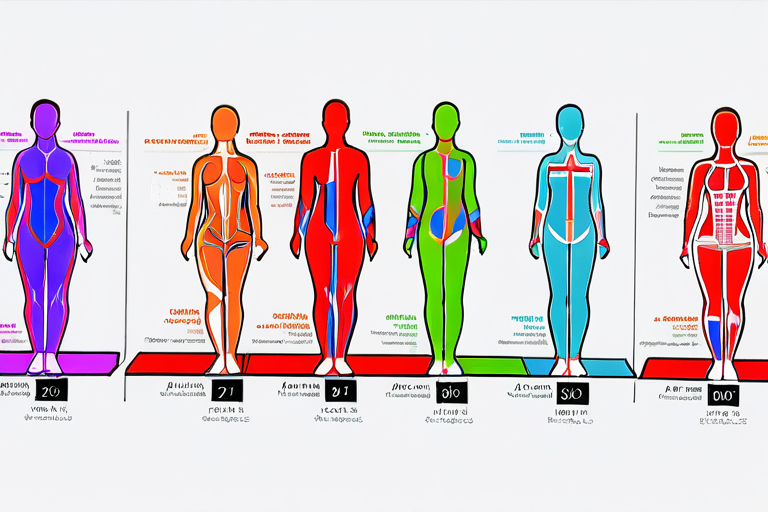
Fascial meridians engaged during yoga practice
Specific yoga sequences demonstrate remarkable effects on fascial health. Forward folds, for instance, create traction along the superficial back line, while twists generate spiral tension through the deep front line. These movements aren't merely stretching muscles but reorganizing the entire fascial architecture.
Clinical Applications and Therapeutic Implications
The integration of fascial science into yoga therapy offers promising avenues for rehabilitation. Conditions like chronic pain, limited mobility, and postural imbalances often involve fascial dysfunction. Yoga protocols emphasizing myofascial release, such as Yin Yoga and Restorative Yoga, provide non-invasive approaches to fascial rehabilitation.
A comprehensive review in Frontiers in Physiology highlighted how yoga-induced fascial changes may contribute to reduced inflammation, improved immune function, and enhanced metabolic efficiency. The fascial system's role as an endocrine organ suggests that yoga practice might influence hormonal balance through mechanical stimulation.
Research-Backed Benefits of Fascial-Focused Yoga:
- Improved force transmission across muscle chains
- Enhanced proprioceptive awareness and balance
- Reduced injury risk through better load distribution
- Increased metabolic activity in connective tissues
- Optimized movement efficiency and energy conservation
Evolution of Yoga Teaching Methodology
Modern yoga education increasingly incorporates fascial anatomy into teacher training programs. Understanding fascial continuities allows instructors to design sequences that address whole-body patterns rather than isolated muscle groups. This holistic approach aligns with yoga's traditional emphasis on interconnectedness while grounding it in contemporary science.
The Iyengar Yoga system, with its precise alignment cues and prop usage, naturally engages fascial lines. Similarly, Vinyasa Flow's emphasis on seamless transitions trains the fascial system's elastic recoil properties. Each style offers unique contributions to fascial health when practiced with anatomical awareness.

Dynamic fascial engagement in yoga transitions
Future Directions in Yoga and Fascial Research
Emerging technologies promise deeper insights into yoga's fascial effects. Ultrasound elastography, diffusion tensor imaging, and biophoton measurement techniques may soon provide real-time visualization of fascial changes during practice. These advancements could lead to personalized yoga protocols based on individual fascial architecture.
The intersection of ancient yoga wisdom and modern fascial science represents a fertile ground for innovation. As research continues to unravel the mysteries of connective tissue intelligence, yoga practitioners stand to benefit from more effective, scientifically-informed approaches to practice.
References: This article synthesizes research from multiple peer-reviewed sources including studies from the Fascia Research Society, Journal of Bodywork and Movement Therapies, and Frontiers in Physiology. For further reading, consult the International Association of Yoga Therapists and contemporary myofascial research publications.