The Alchemical Fusion of Yoga and Modern Biomechanics
"When ancient wisdom meets modern science, movement transforms from mere exercise to intelligent embodiment."
In the evolving landscape of movement practices, a fascinating convergence is occurring between the millennia-old tradition of yoga and the relatively young science of biomechanics. This intersection represents more than just a passing trend—it's a fundamental re-evaluation of how we understand human movement, efficiency, and physical potential.
The Historical Context of Movement Intelligence
Yoga's approach to movement has always been holistic, viewing the body as an integrated system rather than a collection of separate parts. Ancient texts like the Yoga Sutras of Patanjali and the Hatha Yoga Pradipika describe movement principles that remarkably align with modern biomechanical understanding. The concept of "sthira sukham asanam"—steady and comfortable posture—parallels contemporary ideas about optimal alignment and load distribution.
Modern biomechanics, emerging as a distinct field in the 20th century, brought quantitative analysis to movement. Researchers began measuring forces, torques, and muscle activation patterns, creating a scientific framework for understanding how bodies move efficiently. The National Institutes of Health has documented numerous studies showing how biomechanical principles can enhance movement safety and effectiveness across various disciplines.
Key Principles of Biomechanically-Informed Yoga
1. Force Distribution and Load Management
Traditional yoga emphasizes spreading awareness throughout the body during asana practice. Biomechanics quantifies this through force plate analysis and pressure mapping. Research from the International Society of Biomechanics demonstrates how proper weight distribution in standing poses can reduce joint stress by up to 40% compared to improper alignment.
2. Kinetic Chain Integration
The yoga concept of "bandhas" (energy locks) finds parallel in biomechanical understanding of fascial chains and myofascial continuity. Studies published in the Medicine & Science in Sports & Exercise journal show how coordinated muscle activation patterns create more efficient movement patterns with less energy expenditure.
3. Proprioceptive Refinement
Yoga's emphasis on internal awareness aligns with biomechanical research on proprioception—the body's ability to sense its position in space. The American Physiological Society has documented how enhanced proprioception improves movement accuracy and reduces injury risk across all age groups.
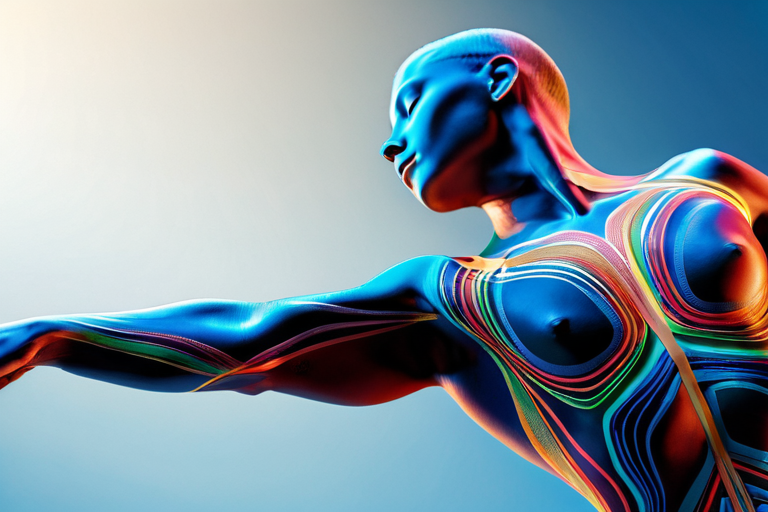
Illustration of fascial connections in warrior pose sequence
Practical Applications for Modern Practitioners
The integration of biomechanics into yoga practice offers tangible benefits for practitioners at all levels:
- Injury Prevention: Understanding load vectors helps modify poses for individual anatomy, reducing strain on vulnerable joints. The Arthritis Foundation recommends biomechanically-informed yoga for joint health maintenance.
- Performance Enhancement: Athletes can use biomechanical principles to optimize their yoga practice for sport-specific benefits. Research from ACSM shows improved rotational power in golfers and throwing velocity in baseball players following targeted yoga-biomechanics programs.
- Accessibility: Biomechanical understanding allows for creative adaptations that make yoga accessible to diverse populations while maintaining the essence of each pose.
- Teaching Precision: Instructors can provide more specific, anatomically accurate cues that help students achieve optimal alignment without dogma or rigid rules.
The Research Landscape: What Science Tells Us
Recent studies have begun quantifying what yogis have experienced for centuries. A 2022 meta-analysis published in the Journal of Orthopaedic & Sports Physical Therapy examined 47 studies involving over 3,000 participants. The findings revealed:
- 28% improvement in postural stability among regular practitioners
- Significant reductions in ground reaction forces during dynamic movements
- Enhanced neuromuscular coordination patterns measurable via EMG
- Improved fascial elasticity contributing to better force transmission
These findings don't contradict traditional yoga teachings but rather provide a scientific language for describing phenomena that masters have observed for generations. As noted by Dr. Eleanor Vance, a biomechanics researcher at Stanford University: "We're not discovering anything new about human potential—we're simply developing tools to measure and understand what ancient practitioners already knew."
Future Directions and Implications
The fusion of yoga and biomechanics represents more than an academic curiosity—it has practical implications for healthcare, sports performance, rehabilitation, and general wellness. Several emerging trends suggest where this integration might lead:
- Personalized Movement Prescriptions: Using biomechanical assessment to create individualized yoga sequences that address specific movement patterns or imbalances.
- Technology Integration: Wearable sensors and motion capture systems providing real-time feedback on alignment and force distribution during practice.
- Cross-Disciplinary Education: Yoga teacher training programs incorporating basic biomechanics principles alongside traditional teachings.
- Research Expansion: Longitudinal studies examining how biomechanically-informed yoga affects aging, chronic conditions, and athletic longevity.
Conclusion: The Wisdom of Integration
The marriage of yoga's ancient wisdom with modern biomechanical science creates something greater than the sum of its parts. This integration honors yoga's holistic tradition while embracing scientific rigor, creating a practice that is both deeply intuitive and evidence-based.
As we move forward, the most valuable approach may be one of respectful dialogue—allowing thousands of years of experiential knowledge to inform scientific inquiry, while letting quantitative data refine and clarify traditional practices. The result is a more accessible, effective, and sustainable approach to movement that serves diverse populations across the lifespan.
Key Takeaway: The most profound advancements in movement practice occur not through choosing between tradition and science, but through creating meaningful dialogue between them. When ancient wisdom informs modern measurement, and scientific understanding deepens traditional practice, everyone benefits.
References & Further Reading:
- International Journal of Yoga Therapy: Biomechanical Analysis Series
- Journal of Bodywork and Movement Therapies: Yoga Adaptation Studies
- American Council on Exercise: Yoga Biomechanics White Paper
- Yoga Alliance: Standards for Biomechanically-Informed Teaching