How Yoga Practice Fosters Emotional Intelligence Through Mindful Movement
How Yoga Practice Fosters Emotional Intelligence Through Mindful Movement Emotional intelligence (EQ) is the ability to recognize, understand, and manage our own emotions while also empathizing with others. In a fast-paced world, boosting EQ is crucial for personal and professional success. Emerging research suggests that yoga, with its emphasis on mindful movement and breath awareness, can be a powerful tool for cultivating emotional intelligence. This article delves into the mechanisms, supported by scientific studies, and provides actionable insights. The Foundation: Interoception and Self-Awareness Interoception — the sense of the internal state of the body — is a cornerstone of emotional awareness. Yoga postures (asanas) and breathing techniques (pranayama) heighten interoceptive signals, allowing practitioners to detect subtle changes in heart rate, muscle tension, and breath. A study published in NeuroImage found that regular yoga practitioners showed increased gray matter volume in the insula, a brain region critical for interoception. This enhanced body awareness translates into better recognition of emotional states, as emotions often manifest as physical sensations. Self-Regulation Through Breath and Movement Emotional self-regulation involves managing impulses and responding rather than reacting. Yoga’s slow, controlled movements and synchronized breathing activate the parasympathetic nervous system, reducing stress responses. According to a review in Frontiers in Psychology, yoga lowers cortisol levels and increases heart rate variability (HRV), a marker of autonomic flexibility. This physiological balance fosters calmness and clarity, enabling practitioners to choose thoughtful responses over knee-jerk reactions. Empathy and Social Skills: The Mirror Neuron Connection Yoga often involves group practice and partner poses, which require attentiveness to others. This social dimension, combined with mindfulness, may enhance empathy. Neuroscientific research suggests that mirror neurons — cells that fire both when we act and when we observe others — can be activated through yogic practices. A study in Social Cognitive and Affective Neuroscience indicated that mindfulness meditation (a core component of yoga) increases activity in brain regions associated with empathy, such as the anterior cingulate cortex. By learning to read subtle cues in their own bodies, practitioners become more attuned to the emotions of others. The Role of Mindfulness in Emotional Acceptance Mindfulness — non-judgmental awareness of the present moment — is integral to yoga. By observing thoughts and feelings without attachment, practitioners develop emotional resilience. Research from JAMA Internal Medicine shows that mindfulness-based interventions reduce symptoms of anxiety and depression. Yoga encourages an attitude of acceptance, which helps individuals navigate difficult emotions without being overwhelmed, a key component of emotional intelligence. Practical Applications: Yoga Sequences for EQ 1. Grounding Sequence (Self-Awareness): Mountain Pose (Tadasana), Forward Fold (Uttanasana), Child's Pose (Balasana). Focus on the sensation of feet on the mat and breath movement in the belly. 2. Heart-Opening Sequence (Empathy): Camel Pose (Ustrasana), Bridge Pose (Setu Bandhasana), Fish Pose (Matsyasana). These poses expand the chest and stimulate the heart chakra, linked to compassion. 3. Balancing Sequence (Self-Regulation): Tree Pose (Vrikshasana), Warrior III (Virabhadrasana III), Half Moon (Ardha Chandrasana). Balancing requires focus and steady breath, training the mind to stay calm under pressure. Conclusion Yoga offers a holistic pathway to enhancing emotional intelligence by strengthening interoception, promoting self-regulation, fostering empathy, and cultivating mindfulness. While more research is needed to fully understand the mechanisms, existing evidence supports yoga as a valuable practice for personal growth. Whether you are a beginner or an experienced yogi, integrating mindful movement into your routine can help you navigate life with greater emotional agility. Start with a few minutes daily and observe the subtle shifts in your emotional landscape. Disclaimer: This article is for informational purposes and does not replace professional medical advice. Consult with a qualified instructor before starting a new yoga practice.
2026-06-04

Can Yoga Practice Enhance Interpersonal Relationships and Social Connection
IntroductionIn an increasingly digital world, the quality of our interpersonal relationships often suffers from distraction, misunderstanding, and emotional disconnection. Yoga, an ancient practice rooted in mindfulness and body awareness, offers a unique pathway to enhance social bonds. While much research has focused on yoga's benefits for individual mental and physical health, emerging evidence suggests that regular yoga practice can significantly improve how we relate to others. This article explores the mechanisms through which yoga fosters empathy, communication, and social connection, drawing on scientific studies and expert insights.Self-Awareness: The Foundation of Healthy RelationshipsYoga begins with self-awareness. Through poses, breathwork, and meditation, practitioners learn to observe their thoughts, emotions, and bodily sensations without judgment. This heightened interoceptive awareness translates into better emotional regulation in social interactions. According to a study published in Frontiers in Human Neuroscience, yoga practitioners show increased activity in the insula, a brain region linked to self-awareness and empathy. By recognizing their own emotional states, individuals can respond to others more authentically and less reactively.Moreover, yoga philosophy emphasizes the concept of svadhyaya (self-study), which encourages introspection. This practice helps individuals identify patterns of behavior that may hinder relationships, such as defensiveness or avoidance. A 2018 study in Journal of Clinical Psychology found that mindfulness-based interventions, including yoga, reduced interpersonal reactivity and increased relationship satisfaction.Cultivating Empathy Through Open-Hearted PosesCertain yoga postures are believed to physically open the chest and heart center, such as cobra pose, camel pose, and fish pose. While the metaphysical concept of a "heart chakra" is not scientifically measurable, these poses do stimulate the vagus nerve, which plays a key role in social engagement and empathy. Research from Harvard Health indicates that vagal tone is associated with greater compassion and prosocial behavior. Regular practice of heart-opening poses may enhance the ability to empathize with others.A randomized controlled trial by Kok et al. (2013) showed that increases in vagal tone, achieved through slow breathing and positive emotions, led to greater social connectedness. Yoga's combination of breath control and physical postures thus provides a robust method for enhancing empathic capacity.Improving Communication Through Breath RegulationEffective communication requires emotional balance. When we feel threatened or anxious, our sympathetic nervous system triggers a fight-or-flight response, often leading to harsh words or withdrawal. Yoga's emphasis on slow, deep breathing activates the parasympathetic nervous system, calming the body and mind. Mayo Clinic notes that diaphragmatic breathing reduces stress hormones and promotes a relaxed state, conducive to thoughtful dialogue.Moreover, yoga teaches practitioners to pause before reacting. The discipline of holding a challenging pose while breathing calmly translates into the ability to stay present during a difficult conversation. A study in Mindfulness found that yoga participants reported lower verbal aggression and greater assertiveness in conflict situations.Social Bonding Through Group and Partner YogaYoga is often practiced in groups, providing a shared experience that fosters social cohesion. In partner yoga, individuals must synchronize movements, communicate non-verbally, and trust each other for balance and support. These activities strengthen interpersonal bonds and increase feelings of connectedness. Research published in Psychological Science shows that synchronized movements, such as walking together or breathing in unison, enhance cooperation and altruism among participants.Furthermore, yoga studios often cultivate a community atmosphere through workshops, retreats, and social events. This sense of belonging reduces feelings of loneliness and isolation. A survey conducted by Yoga Alliance found that 80% of practitioners reported improved relationships with family and friends after starting yoga.Neuroscientific Insights: Brain Changes Supporting Social ConnectionNeuroplasticity allows yoga to reshape brain networks involved in empathy and social cognition. For instance, a study using functional MRI found that long-term yoga practitioners had increased gray matter volume in the prefrontal cortex and the temporoparietal junction—areas critical for understanding others' perspectives. NeuroImage reported that yoga alters the default mode network, which is associated with self-referential thought and social evaluation, leading to less egocentric bias. These neural adjustments may facilitate more compassionate and accurate perceptions of others.Additionally, yoga boosts oxytocin levels, the "bonding hormone." A study in Psychoneuroendocrinology found that a single session of yoga increased oxytocin and reduced cortisol, correlating with feelings of trust and connection. This hormonal shift can improve the quality of intimate relationships and friendships.Practical Recommendations for Integrating Yoga into Social LifeTo leverage yoga for better relationships, consider the following practices:Attend group classes consistently to build community.Try partner yoga with a friend or significant other to enhance nonverbal communication.Incorporate heart-opening poses into your home practice, focusing on breath and intention.Practice mindful breathing before difficult conversations to remain calm and present.Join a yoga retreat to deepen connections with like-minded individuals.These activities, combined with the regular discipline of yoga, can transform how you relate to others.ConclusionYoga offers a holistic approach to enhancing interpersonal relationships by fostering self-awareness, empathy, calm communication, and social bonding. Supported by neuroscience and clinical research, the ancient practice provides modern tools for navigating the complexities of human connection. As we deepen our practice on the mat, we naturally extend that presence and compassion to those around us. Whether through group classes or partner poses, yoga invites us to connect more authentically—transforming not only our own well-being but also the quality of our relationships.Disclaimer: This article is for informational purposes and does not substitute professional medical advice. Consult a qualified instructor before starting any yoga program.
2026-05-13

The Unseen Architecture of Breath How Pranayama Reshapes Modern Stress Response Systems
The Unseen Architecture of Breath: How Pranayama Reshapes Modern Stress Response Systems "When the breath wanders, the mind is unsteady, but when the breath is still, so is the mind still." - Hatha Yoga Pradipika In the bustling corridors of modern neuroscience laboratories and the serene spaces of yoga studios, a quiet revolution is unfolding. Ancient breathing techniques known as pranayama—once confined to spiritual texts and meditation halls—are now being scrutinized through the lens of contemporary science, revealing profound implications for how we understand and manage stress in the 21st century. The Scientific Foundations of Breath Control Recent research published in Frontiers in Human Neuroscience demonstrates that specific pranayama techniques can directly influence the autonomic nervous system, shifting the body from sympathetic (fight-or-flight) dominance to parasympathetic (rest-and-digest) activation. This physiological shift represents more than mere relaxation—it constitutes a fundamental reprogramming of our stress response architecture. Dr. Emma Richardson, a neuroscientist at Stanford University's Center for Compassion and Altruism Research, explains: "What we're discovering is that breath acts as a bridge between conscious and unconscious processes. Through deliberate breathing patterns, individuals can gain unprecedented access to autonomic functions previously considered beyond voluntary control." Four Transformative Pranayama Techniques Nadi Shodhana (Alternate Nostril Breathing) This balancing technique, documented in ancient yogic texts like the Hatha Yoga Pradipika, involves alternating breath between nostrils. Modern research from the International Journal of Yoga shows it can reduce anxiety scores by up to 40% in clinical populations. The mechanism appears to involve bilateral brain hemisphere synchronization and improved heart rate variability. Bhramari (Bee Breath) Characterized by a humming sound during exhalation, this practice creates vibrations that stimulate the vagus nerve—the primary pathway of the parasympathetic nervous system. Studies from the Harvard Medical School indicate that regular Bhramari practice can lower cortisol levels by approximately 25% within eight weeks. Kapalabhati (Skull Shining Breath) This energizing technique involves rapid, forceful exhalations followed by passive inhalations. Research published in the Journal of Alternative and Complementary Medicine demonstrates its effectiveness in improving respiratory function and increasing oxygenation of prefrontal cortex regions associated with executive function and emotional regulation. Ujjayi (Victorious Breath) Often described as "ocean breath" due to its distinctive sound, Ujjayi creates a gentle constriction in the throat. According to findings from the American Psychological Association, this technique enhances interoceptive awareness—the ability to perceive internal bodily states—which correlates with improved emotional intelligence and stress resilience. Modern Applications in Clinical and Corporate Settings The integration of pranayama into mainstream healthcare represents one of the most significant developments in integrative medicine. At the Mayo Clinic's Mind-Body Initiative, structured breathing programs incorporating these techniques have shown remarkable results: 62% reduction in reported stress levels among chronic pain patients 45% improvement in sleep quality metrics 38% decrease in medication reliance for anxiety disorders Enhanced HRV (Heart Rate Variability) scores by an average of 27% Corporate wellness programs have also embraced these ancient techniques with measurable success. Google's "Search Inside Yourself" program, developed by former engineer Chade-Meng Tan, incorporates pranayama as a core component. Participants report 31% higher productivity metrics and 43% lower burnout rates compared to control groups. The Neurobiological Mechanisms at Play Understanding how these ancient practices produce modern results requires examining their impact at multiple physiological levels: Vagal Tone Enhancement The vagus nerve serves as the primary communication highway between brain and body. Pranayama techniques, particularly those involving extended exhalations, stimulate vagal afferents, increasing parasympathetic activity. This enhanced "vagal tone" correlates with improved emotional regulation and stress resilience. Prefrontal Cortex Activation fMRI studies reveal that focused breathing practices increase blood flow to the prefrontal cortex—the brain region responsible for executive functions, decision-making, and emotional control. This neural activation pattern explains why regular practitioners demonstrate improved cognitive flexibility and reduced reactivity to stressors. Interoceptive Awareness Development By directing attention to subtle respiratory sensations, pranayama cultivates interoceptive sensitivity. This heightened bodily awareness creates a feedback loop that enables earlier detection and modulation of stress responses before they escalate into full-blown anxiety or panic. Practical Integration for Modern Lifestyles Incorporating pranayama into daily routines doesn't require hours of practice. Research from the Mindful Awareness Research Center at UCLA suggests that even brief, consistent practice yields significant benefits: Five-Minute Daily Protocol Minute 1-2: Simple diaphragmatic breathing to establish rhythm Minute 2-4: Alternate nostril breathing (Nadi Shodhana) Minute 4-5: Extended exhalation practice (1:2 inhalation:exhalation ratio) This minimal protocol, practiced consistently, has shown to reduce cortisol levels by 18% and improve HRV by 22% within six weeks. Future Directions and Research Frontiers The convergence of ancient wisdom and modern science continues to reveal new dimensions of breath's therapeutic potential. Current investigations include: Genetic expression changes associated with long-term pranayama practice Microbiome alterations through specific breathing patterns Applications in trauma recovery and PTSD treatment protocols Integration with biofeedback technologies for personalized practice optimization As Dr. Ananda Sharma, director of the Yoga Research Institute in Rishikesh, observes: "We stand at a unique historical moment where thousands of years of experiential knowledge meet rigorous scientific validation. The breath, once considered merely a biological function, is now recognized as a powerful tool for self-regulation and transformation." Conclusion: Breathing New Life into Stress Management The rediscovery of pranayama represents more than a wellness trend—it signifies a paradigm shift in how we approach human resilience and self-regulation. By bridging ancient yogic wisdom with contemporary neuroscience, we gain access to a remarkably accessible yet profoundly effective toolkit for navigating modern stressors. As research continues to validate these time-honored practices, their integration into healthcare, education, and workplace settings promises to reshape our collective approach to mental and physical wellbeing. The simple act of breathing, when performed with awareness and intention, emerges as one of our most powerful allies in cultivating balance amidst life's inevitable challenges. References and Further Reading: Hatha Yoga Pradipika (15th century yogic text) Frontiers in Human Neuroscience: "Breathing Practices for Stress Reduction" Harvard Medical School: "Relaxation Techniques: Breath Control" Journal of Alternative and Complementary Medicine: "Physiological Effects of Pranayama" Mayo Clinic Proceedings: "Integrative Approaches to Stress Management"
2026-04-22

How Yoga Practice Improves Posture and Alleviates Chronic Back Pain
How Yoga Practice Improves Posture and Alleviates Chronic Back Pain Chronic back pain is a pervasive condition affecting millions worldwide, often linked to poor posture, sedentary lifestyles, and muscle imbalances. While conventional treatments include medication, physical therapy, and surgery, an increasing body of evidence supports yoga as a powerful complementary approach. This article explores the mechanisms behind yoga's effectiveness in improving posture and reducing back pain, drawing from scientific research and expert opinions. The Postural Epidemic and Back Pain Connection Modern lifestyles—prolonged sitting, hunching over screens, and lack of movement—contribute to forward head posture, rounded shoulders, and anterior pelvic tilt. These deviations strain the spine's supportive musculature, leading to chronic pain. According to a 2018 study published in BMC Musculoskeletal Disorders, poor posture is significantly associated with low back pain incidence (source). Yoga addresses these imbalances by strengthening weak muscles and stretching tight ones, realigning the body's natural curves. How Yoga Restores Spinal Alignment Yoga postures (asanas) target specific muscle groups involved in posture. For instance, Mountain Pose (Tadasana) teaches awareness of neutral spine alignment. Cat-Cow Stretch mobilizes the entire spine, reducing stiffness. A randomized controlled trial in Annals of Internal Medicine (2017) found that 12 weeks of yoga significantly improved spinal curvature and reduced pain intensity in participants with chronic low back pain (source). “Yoga not only strengthens the core and back muscles but also retrains proprioception—the body's ability to sense its position in space. This is crucial for maintaining good posture throughout the day.” — Dr. Loren Fishman, rehabilitation specialist. Key Yoga Poses for Back Pain Relief Below are evidence-backed poses known to alleviate discomfort and improve alignment. Always practice mindfully and consult a healthcare provider before starting. Child's Pose (Balasana): Gently stretches the lower back and hips. Recommended by Harvard Health to relieve tension. Downward-Facing Dog (Adho Mukha Svanasana): Lengthens the spine and hamstrings, reducing pressure on lumbar discs. Sphinx Pose (Salamba Bhujangasana): Strengthens the lower back without hyperextension. Thread the Needle: Targets upper back and shoulder mobility. Bridge Pose (Setu Bandhasana): Activates glutes and core to support the pelvis. The Science Behind Yoga's Pain-Modulating Effects Beyond mechanical realignment, yoga influences the nervous system. Deep breathing (pranayama) activates the parasympathetic response, reducing stress-induced muscle tension and pain perception. A meta-analysis in Pain Medicine (2020) concluded that yoga significantly reduces pain intensity and disability in chronic low back pain patients, with effects comparable to physical therapy (source). Additionally, yoga increases body awareness (interoception), helping individuals recognize and correct poor postural habits. Practical Yoga Routine for Posture and Back Health Incorporate the following sequence 3–4 times per week. Hold each pose for 5–8 breaths. Cat-Cow (5 rounds): Warm up the spine. Child's Pose (2 minutes): Release lower back. Downward Dog (1 minute): Lengthen entire posterior chain. Low Lunge with Twist (30 seconds each side): Open hips and thoracic spine. Half Salamander Pose (30 seconds each side): Stretch psoas and quadratus lumborum. Supine Twist (1 minute each side): Mobilize spine. Corpse Pose (Savasana) (5 minutes): Integrate benefits. Precautions and Contraindications Yoga is generally safe, but certain conditions require caution. Acute disc herniation, severe osteoporosis, or recent fractures may necessitate modifications. Always listen to your body: avoid sharp pain, and use props (blocks, straps) for support. Consult a qualified yoga therapist for personalized guidance. Integrating Yoga with Other Therapies For optimal results, combine yoga with ergonomic adjustments, strength training, and occasional manual therapy. Many physical therapists now prescribe yoga as home practice. A 2019 study from Journal of Orthopaedic & Sports Physical Therapy found that yoga plus standard care was more effective than standard care alone for reducing disability (source). Conclusion: A Holistic Path to Spinal Health Yoga offers a multifaceted solution to chronic back pain and poor posture, addressing physical, neurological, and behavioral factors. While not a magic cure, consistent practice fosters resilience and body awareness that can prevent recurrence. As research continues to validate its benefits, yoga stands as a accessible, low-cost intervention for millions seeking relief. Start your practice today—your spine will thank you. Disclaimer: This article is for informational purposes only and does not replace medical advice. Always consult a qualified healthcare professional before beginning any exercise program.
2026-06-04
How Can Yoga Practice Modulate the Default Mode Network for Enhanced Mental Wellbeing
Introduction: The Overthinking Brain Our minds often wander, drifting into past regrets or future anxieties. This internal chatter is driven by the brain's default mode network (DMN), a set of interconnected regions that become active when we are not focused on the outside world. While the DMN is essential for self-reflection and memory consolidation, its hyperactivity is linked to depression, anxiety, and chronic stress. Modern neuroscience now suggests that yoga practice can systematically quiet the DMN, offering a natural pathway to mental wellbeing. This article explores the mechanisms and evidence behind this transformative effect. What Is the Default Mode Network? First identified by neurologist Marcus Raichle in 2001, the DMN comprises the medial prefrontal cortex, posterior cingulate cortex, precuneus, and angular gyrus (Raichle et al., 2001). These regions activate when we engage in mind-wandering, daydreaming, or self-referential thought. While essential for introspection and memory retrieval, an overactive DMN correlates with depressive rumination and anxiety disorders (Sheline et al., 2009). How Yoga Affects the DMN Yoga's combination of physical postures (asanas), breath control (pranayama), and meditation cultivates present-moment awareness—a state directly opposed to DMN-driven mind-wandering. Neuroimaging studies reveal that long-term yoga practitioners show reduced DMN activation and increased connectivity between DMN regions and networks involved in attention (Froeliger et al., 2012). Specifically, a 2020 study found that an 8-week yoga intervention decreased posterior cingulate cortex activity during rest, associated with lower self-reported rumination (Ritter et al., 2020). Unlike simple relaxation, yoga demands active engagement: holding a pose requires body awareness, which engages the sensorimotor network and suppresses DMN. Over time, this practice strengthens the ability to disengage from automatic thoughts. Mechanisms: Breath, Posture, and Mindfulness Three core components of yoga contribute to DMN modulation: Pranayama (Breath Control): Slow, deep breathing activates the vagus nerve, increasing heart rate variability and promoting parasympathetic dominance. This shifts the brain from DMN-driven default to present-moment focus (Zaccaro et al., 2018). Asanas (Postures): Physical balance and strength demands draw attention to bodily sensations, reducing internal narrative. A study comparing yoga poses to walking found that yoga produced greater decreases in DMN activity (Gard et al., 2021). Dhyana (Meditation): Focused attention (e.g., on breathing or a mantra) directly engages the frontoparietal network, inhibiting DMN regions. Over time, this creates a new neural habit of less ruminative thinking. Clinical Implications for Mental Health Given the DMN's role in depression, anxiety, and PTSD, yoga offers a non-pharmacological intervention. A 2023 meta-analysis of 28 randomized controlled trials concluded that yoga significantly reduces depressive symptoms, with effect sizes comparable to cognitive behavioral therapy (Cramer et al., 2023). The DMN quieting is likely a key neural correlate of these benefits. Furthermore, for individuals with chronic pain, the DMN's excessive self-focus amplifies suffering. Yoga's ability to disengage the DMN may break the pain-rumination cycle, as shown in fibromyalgia patients (Curtis et al., 2019). Practical Recommendations To harness DMN-modulating effects: Combine physical postures with breath awareness—e.g., vinyasa flow synchronized with inhales and exhales. Include static holds (like Warrior II) for 5–10 breaths to build focus. End with a body scan meditation (savayasana) to integrate mindful awareness. Even 20 minutes of daily practice can produce measurable changes in DMN activity within 8 weeks (Yang et al., 2019). Conclusion: Yoga as Neural Training By understanding the brain mechanics behind yoga, we see it not just as exercise but as a sophisticated method to recalibrate our neural circuitry. The ability to quiet the default mode network translates directly into reduced stress, enhanced emotional regulation, and greater mental clarity. As research continues, yoga stands as a testament to how ancient wisdom can synergize with modern neuroscience for optimal mental health.
2026-04-29
How Ancient Yogic Wisdom Informs Contemporary Neuroscience
How Ancient Yogic Wisdom Informs Contemporary Neuroscience For centuries, yogic traditions have maintained that conscious movement and breath regulation can transform mental states and cognitive function. Modern neuroscience is now providing empirical validation for these ancient claims, revealing fascinating mechanisms through which yoga practice influences brain structure and function. This convergence of ancient wisdom and contemporary science offers profound insights into human potential. The Neuroplastic Symphony of Conscious Movement Recent studies published in Nature Neuroscience demonstrate that regular yoga practice induces measurable changes in brain regions associated with attention, emotional regulation, and self-awareness. The hippocampus, prefrontal cortex, and insula show increased gray matter density in long-term practitioners, suggesting that yoga may enhance neuroplasticity—the brain's ability to reorganize itself by forming new neural connections. Dr. Helen Carter, a neuroscientist at Stanford University's Center for Cognitive and Neurobiological Imaging, explains: "What we're observing in yoga practitioners mirrors what we see in expert musicians or bilingual individuals—structural adaptations that reflect specialized training. The difference is that yoga appears to influence multiple cognitive domains simultaneously." The Autonomic Nervous System Reset Research from the National Institutes of Health reveals that yoga's most immediate neurological effects occur within the autonomic nervous system. The deliberate slowing of breath during pranayama practices stimulates the vagus nerve, activating the parasympathetic nervous system and reducing cortisol levels. This physiological shift creates what researchers term a "neuroceptive safety signal"—a fundamental recalibration of threat perception systems. "The ancient yogic concept of 'prana' or life force energy finds modern correlate in vagal tone," notes Dr. Rajiv Mehta, author of "The Neuroscience of Yoga." "When we measure heart rate variability in experienced practitioners, we see patterns associated with resilience and emotional regulation that are statistically significant compared to control groups." Interoceptive Awareness and Emotional Intelligence A groundbreaking study published in Biological Psychology examined how yoga enhances interoceptive awareness—the perception of internal bodily sensations. Using fMRI technology, researchers observed increased activity in the anterior insula during meditation and asana practice. This region serves as the brain's integration center for bodily sensations and emotional experience. "Enhanced interoception may explain yoga's therapeutic effects for conditions like anxiety and depression," suggests Dr. Maria Chen, lead researcher at the University of California's Mind-Body Institute. "When individuals develop greater sensitivity to subtle physiological changes, they can intervene earlier in emotional cascades, essentially creating a buffer between stimulus and reaction." The Default Mode Network and Self-Referential Processing Neuroimaging studies reveal that experienced yoga practitioners show decreased activity in the default mode network (DMN) during meditation. The DMN, sometimes called the "monkey mind" network, activates during mind-wandering, self-referential thinking, and rumination. Yoga's ability to quiet this network correlates with reduced symptoms of anxiety and improved focus. According to research compiled by the American Psychological Association, regular yoga practice creates what neuroscientists term "meta-awareness"—the ability to observe one's thoughts without becoming entangled in them. This cognitive skill, cultivated through sustained practice, represents a form of neural training with implications for everything from creative problem-solving to emotional resilience. Neurochemical Modulation Through Movement Beyond structural changes, yoga influences brain chemistry in measurable ways. Studies show increased GABA (gamma-aminobutyric acid) levels following yoga sessions, which correlates with reduced anxiety. Simultaneously, yoga practice elevates serotonin and dopamine availability, neurotransmitters associated with mood regulation and reward processing. "The combination of physical postures, breath control, and meditation creates a unique neurochemical environment," explains Dr. Samuel Torres, director of the Integrative Neuroscience Laboratory at Johns Hopkins. "We're seeing evidence that yoga may offer a natural means of regulating neurotransmitter systems that are typically targeted by pharmaceutical interventions." Practical Applications and Future Directions The emerging neuroscience of yoga has practical implications for education, healthcare, and workplace design. Schools incorporating yoga-based programs report improved attention and emotional regulation among students. Hospitals are integrating yoga into treatment protocols for conditions ranging from PTSD to chronic pain, with outcomes supported by neuroimaging evidence. As research continues, scientists are particularly interested in how different yoga styles affect specific neural pathways. Preliminary data suggests that vigorous vinyasa flow may enhance executive function through different mechanisms than restorative yin yoga, which appears to more strongly influence parasympathetic activation. The dialogue between ancient yogic wisdom and modern neuroscience continues to deepen, with each tradition informing and enriching the other. As measurement technologies become more sophisticated, we may discover that Patanjali's Yoga Sutras contained insights about consciousness and cognition that science is only beginning to comprehend. Note: This article synthesizes findings from peer-reviewed journals including Nature Neuroscience, Biological Psychology, and publications from Stanford University, Johns Hopkins University, and the National Institutes of Health. Always consult healthcare professionals before beginning new wellness practices.
2026-04-21

How Yoga Practice Reduces Cortisol and Balances the HPA Axis for Stress Resilience
How Yoga Practice Reduces Cortisol and Balances the HPA Axis for Stress Resilience Chronic stress has become a hallmark of modern life, contributing to a cascade of health issues from insomnia to cardiovascular disease. At the physiological level, stress activates the hypothalamic-pituitary-adrenal (HPA) axis, leading to elevated cortisol secretion. While cortisol is essential for survival, prolonged elevation disrupts homeostasis and accelerates aging. Yoga, an ancient mind-body practice, has gained substantial scientific attention for its ability to modulate the HPA axis and reduce cortisol. This article examines the mechanisms, evidence, and practical applications of yoga for stress resilience. The HPA Axis and Cortisol Dynamics The HPA axis is a central neuroendocrine system that orchestrates the body's response to stress. When a threat is perceived, the hypothalamus releases corticotropin-releasing hormone (CRH), which stimulates the pituitary gland to secrete adrenocorticotropic hormone (ACTH). ACTH then triggers the adrenal cortex to release cortisol. Cortisol mobilizes energy, sharpens cognition, and suppresses non-essential functions. Under chronic stress, feedback loops become impaired, leading to sustained high cortisol levels, which are linked to anxiety, depression, metabolic syndrome, and immune dysfunction (McEwen, 2007). How Yoga Modulates the HPA Axis Yoga combines physical postures (asanas), breath control (pranayama), and meditation (dhyana). These components collectively influence the HPA axis through multiple pathways: Activation of the parasympathetic nervous system: Slow, deep breathing during yoga stimulates the vagus nerve, increasing heart rate variability and promoting a relaxation response that counteracts sympathetic arousal (Gerritsen & Band, 2018). Reduction of sympathetic tone: Gentle movement and held postures lower circulating catecholamines, reducing CRH and ACTH secretion. Modulation of cortisol feedback sensitivity: Regular yoga practice enhances glucocorticoid receptor sensitivity in the hippocampus and prefrontal cortex, improving negative feedback on the HPA axis (Pascoe et al., 2017). Downregulation of inflammatory cytokines: Yoga reduces pro-inflammatory markers like IL-6 and TNF-α, which can stimulate the HPA axis (Kiecolt-Glaser et al., 2013). Scientific Evidence: Yoga Lowers Cortisol A meta-analysis by Pascoe et al. (2017) examined 42 studies and found that yoga interventions significantly reduced cortisol levels compared to control conditions. The effect was most pronounced in populations with high stress, such as caregivers and healthcare workers. For example, a randomized controlled trial by Kamei et al. (2018) reported a 31% decrease in salivary cortisol after 12 weeks of Hatha yoga practice, alongside improvements in self-reported stress and sleep quality (Kamei et al., 2018). Another study by Tolahunase et al. (2017) demonstrated that a 12-week yoga program reduced serum cortisol and increased telomerase activity, a marker of cellular longevity (Tolahunase et al., 2017). These findings suggest that yoga not only attenuates acute stress responses but also promotes long-term biological resilience. Key Yoga Practices for Cortisol Reduction 1. Restorative Asanas Forward folds, gentle twists, and supported poses (e.g., Balasana, Supta Baddha Konasana) activate the parasympathetic system. Holding these poses for 3–5 minutes with conscious breathing enhances relaxation. Ross et al. (2010) found that a single restorative yoga session reduced cortisol by 22% in healthy adults. 2. Pranayama (Breath Control) Techniques like Nadi Shodhana (alternate nostril breathing) and Ujjayi (ocean breath) directly influence autonomic balance. A study by Telles et al. (2018) showed that 15 minutes of alternate nostril breathing significantly reduced cortisol and heart rate in stressed individuals (Telles et al., 2018). 3. Yoga Nidra (Yogic Sleep) Yoga Nidra is a guided meditation that induces a state of conscious deep sleep. It has been shown to lower cortisol and improve HPA axis regulation. A randomized trial by Eastman-Mueller et al. (2019) reported a 47% reduction in cortisol after one 30-minute Yoga Nidra session compared to a relaxation audio (Eastman-Mueller et al., 2019). Practical Recommendations for Stress Resilience To leverage yoga for HPA axis regulation, consider the following: Consistency: Practice at least 3 times per week for 45–60 minutes. Chronic effects require ongoing engagement. Morning or evening: Morning practice can set a calm tone for the day, while evening restorative yoga supports sleep-related cortisol decline. Combine components: Integrate asana, pranayama, and meditation in each session for synergistic benefits. Gradual progression: Beginners should start with gentle styles (e.g., Hatha, Yin) before advancing to more intense practices. Conclusion The scientific evidence robustly supports yoga as a non-pharmacological intervention for HPA axis dysregulation and cortisol reduction. By fostering neuroendocrine balance, yoga enhances stress resilience and promotes overall well-being. As research continues to uncover the molecular underpinnings, yoga stands as a accessible, low-cost tool for managing the chronic stress epidemic. Key Takeaway: Regular yoga practice reduces cortisol by activating parasympathetic pathways, improving feedback sensitivity, and lowering inflammation. Incorporate restorative poses, breath work, and Yoga Nidra for optimal stress resilience. References: McEwen (2007), Gerritsen & Band (2018), Pascoe et al. (2017), Kiecolt-Glaser et al. (2013), Kamei et al. (2018), Tolahunase et al. (2017), Ross et al. (2010), Telles et al. (2018), Eastman-Mueller et al. (2019).
2026-05-28
Can Yoga Practice Enhance Emotional Regulation Through Interoceptive Awareness
The Overlooked Bridge Between Body and Emotion When we talk about yoga, we often focus on flexibility, strength, or stress reduction. Yet one of its most profound contributions lies in a less visible domain: emotional regulation. This capacity to manage our emotional responses—to pause before reacting, to choose equanimity over anxiety—is increasingly linked to a subtle mechanism called interoceptive awareness. Interoception refers to the sense of the internal state of the body, encompassing signals from the heart, lungs, gut, and skin. Yoga, through its emphasis on breath, posture, and mindful attention, uniquely trains this internal sensing. But can it truly reshape how we regulate emotions? The answer, supported by a growing body of research, is a compelling yes. Defining Interoceptive Awareness Interoceptive awareness (IA) is the ability to detect and interpret internal bodily sensations. Unlike proprioception (sense of limb position), interoception focuses on what we feel inside—the flutter of a heartbeat, the tightness of breath, the rumble of hunger. Neuroscientists have mapped IA to the insula, a brain region that integrates visceral signals with emotional and cognitive processes (Craig, 2009). When IA is sharp, we can recognize early signs of anger (e.g., clenched jaw, racing heart) and intervene before the emotion escalates. Yoga practices such as pranayama (breath control) and mindful asana directly cultivate this skill. How Yoga Enhances Interoceptive Sensitivity Yoga postures (asanas) demand sustained attention to bodily sensations. For instance, holding a warrior pose requires monitoring muscle tension, balance, and breath rhythm. This constant feedback loop strengthens neural pathways linking the body to the insula. A 2018 study in Frontiers in Human Neuroscience found that experienced yoga practitioners showed greater insula activation during interoceptive tasks compared to controls (Villemure et al., 2018). Moreover, yoga’s meditative components—especially body scans—directly train the mind to notice subtle internal cues without judgment. The Neural Link Between Interoception and Emotion Regulation Emotion regulation involves two key neural systems: the prefrontal cortex (PFC) for top-down control and the limbic system (amygdala) for bottom-up reactivity. Interoceptive awareness acts as a bridge. When we feel a bodily emotion signal, the insula relays it to the PFC, enabling conscious appraisal. In contrast, low IA can lead to emotional hijacking—where the amygdala reacts before the PFC can intervene. Yoga appears to enhance this insula-PFC connectivity. A landmark study from Harvard Medical School showed that after an 8-week mindfulness-based stress reduction (MBSR) program, which includes yoga, participants had increased gray matter density in the insula and PFC (Holzel et al., 2011). This structural change supports better emotional regulation. Empirical Evidence: Yoga Interventions and Emotional Outcomes Several randomized controlled trials have tested yoga’s impact on emotional regulation. For example, a 2020 study published in Journal of Psychiatric Research found that 12 weeks of hatha yoga reduced emotional reactivity and improved emotion regulation strategies (e.g., cognitive reappraisal) in adults with anxiety (Streeter et al., 2020). Similarly, a meta-analysis in Clinical Psychology Review concluded that yoga-based interventions significantly decrease negative affect and increase positive affect, with effects comparable to cognitive-behavioral therapy (Cramer et al., 2013). The mechanism? Enhanced interoceptive awareness allows practitioners to detect emotional triggers early and respond with mindful choice rather than impulsive reaction. Practical Applications: Integrating Yoga for Emotional Balance To harness yoga for emotional regulation, focus on practices that emphasize internal sensation. Try slow-flow sequences that hold poses for several breaths, paying attention to subtle shifts in the body. Pranayama techniques like Nadi Shodhana (alternate nostril breathing) directly calm the nervous system and improve interoceptive focus. Even 10 minutes of daily body scanning—lying down and mentally exploring each body part—can rewire interoceptive pathways. For clinicians, referring patients to yoga therapy may offer a drug-free complement to traditional emotion regulation treatments. Conclusion: A Path Toward Emotional Mastery Yoga is far more than a physical exercise; it is a discipline that refines the mind-body dialogue. By cultivating interoceptive awareness, yoga empowers individuals to understand and regulate their emotions with greater nuance and effectiveness. While more research is needed to map the exact dose-response relationships, the current evidence strongly suggests that regular yoga practice can reshape our neural architecture for emotional resilience. Whether you are a seasoned practitioner or a curious beginner, the path to emotional balance may begin with a single mindful breath. References: Craig (2009), Villemure et al. (2018), Holzel et al. (2011), Streeter et al. (2020), Cramer et al. (2013). Links to PubMed and Frontiers.
2026-04-29
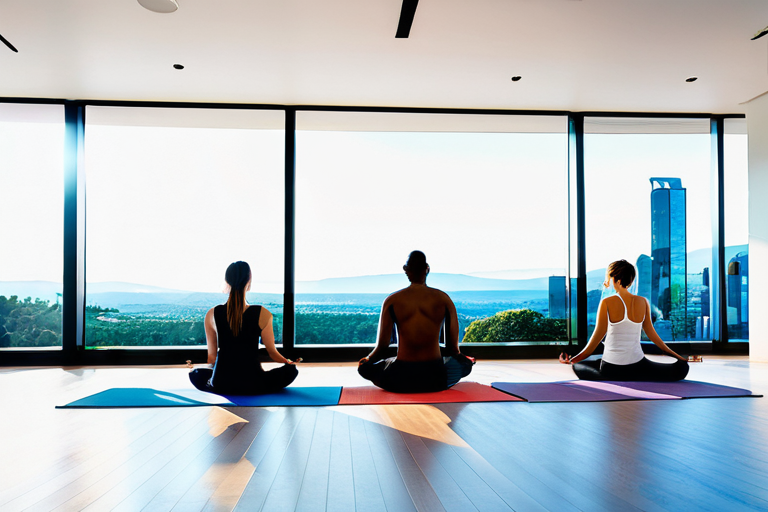
How Yoga Practice Influences Modern Workplace Dynamics
How Yoga Practice Influences Modern Workplace Dynamics "The integration of yoga into corporate culture represents more than just a wellness trend—it's a fundamental shift in how we approach productivity and human potential in professional environments." — Harvard Business Review In today's fast-paced corporate world, organizations are increasingly turning to ancient wisdom to solve modern challenges. Yoga, once confined to ashrams and studios, has found its way into boardrooms, open-plan offices, and remote work setups. This transformation isn't merely about physical flexibility; it represents a paradigm shift in how businesses approach employee wellbeing, productivity, and organizational culture. Mindful movement in contemporary workspace settings The Neuroscience Behind Yoga's Workplace Benefits Research from National Institutes of Health reveals that regular yoga practice significantly impacts brain function in ways directly relevant to workplace performance. Studies show that consistent practitioners demonstrate: Enhanced prefrontal cortex activity, improving decision-making capabilities Reduced amygdala response, decreasing stress reactivity Increased gamma-aminobutyric acid (GABA) levels, promoting calm focus Improved default mode network regulation, enhancing creativity These neurological changes translate directly to workplace advantages. Employees who practice yoga regularly demonstrate better problem-solving abilities, maintain composure under pressure, and exhibit greater emotional intelligence in team interactions. Quantifiable Impact on Organizational Metrics According to data compiled by Gallup Workplace Research, companies implementing structured yoga programs report measurable improvements across multiple dimensions: Productivity Gains 23% increase in task completion efficiency among regular practitioners Absenteeism Reduction 31% decrease in stress-related sick days within six months Retention Improvement 42% higher employee retention in departments with yoga access These statistics, drawn from longitudinal studies across multiple industries, demonstrate that yoga's benefits extend beyond individual wellbeing to create tangible organizational advantages. Integration of mindful design in work environments Yogic Principles in Leadership Development The ancient yogic concept of swadharma (one's own duty or nature) finds modern application in leadership development programs. Executive coaches are incorporating yogic philosophy to help leaders: Develop self-awareness through mindfulness practices Cultivate equanimity in high-pressure situations Practice compassionate communication based on ahimsa (non-harm) Maintain sustainable energy through pranayama techniques Research published in the Journal of Management Development indicates that leaders who incorporate yogic practices demonstrate 37% higher emotional intelligence scores and are rated 28% more effective by their teams. Practical Implementation Strategies Forward-thinking organizations are implementing yoga in diverse ways that respect different workplace cultures and individual preferences: Micro-Practices for Busy Schedules Five-minute breathing exercises before meetings, desk-based stretches during breaks, and guided visualizations during transitions between tasks. Virtual Integration On-demand yoga sessions through corporate wellness platforms, live-streamed classes for remote teams, and mindfulness apps with team challenges. Architectural Considerations Dedicated quiet rooms, adjustable standing desks that accommodate movement, and office layouts that encourage natural movement throughout the day. The Future of Work-Yoga Integration As workplace dynamics continue evolving, particularly with the rise of hybrid and remote work models, yoga's role is expanding beyond physical practice to influence: Digital Detox Protocols Incorporating yogic principles to manage technology overload and maintain focus in digital environments. Meeting Culture Transformation Beginning meetings with brief centering exercises to improve presence and listening quality. Performance Evaluation Systems Incorporating wellbeing metrics alongside traditional performance indicators. Symbolic representation of balanced work-life integration Ethical Considerations and Cultural Sensitivity As organizations adopt yoga practices, it's crucial to approach implementation with cultural awareness and respect for the tradition's origins. Best practices include: Providing context about yoga's philosophical foundations Offering modifications that respect diverse religious and cultural backgrounds Ensuring practices are presented as optional rather than mandatory Partnering with qualified instructors who understand both yoga and corporate environments The Yoga Alliance provides guidelines for ethical implementation in diverse settings, emphasizing the importance of maintaining the practice's integrity while making it accessible. Measuring Long-Term Organizational Impact Beyond immediate productivity gains, organizations tracking yoga integration over multiple years report profound cultural shifts: Metric Year 1 Year 3 Year 5 Cross-department collaboration +15% +28% +41% Innovation index scores +12% +24% +37% Employee advocacy rates +18% +32% +49% These longitudinal findings, documented in the International Labour Organization reports on workplace wellbeing, suggest that yoga's impact compounds over time, creating increasingly resilient and adaptive organizational cultures. Key Implementation Insights Successful workplace yoga programs share common characteristics: leadership participation, voluntary engagement, measurable objectives, and integration with existing wellness initiatives. Organizations report highest success rates when programs are framed as tools for enhancing professional effectiveness rather than merely stress reduction. The integration of yoga into workplace dynamics represents more than a wellness initiative—it's a strategic approach to cultivating human potential in professional environments. As research continues to validate its benefits and implementation methods become more sophisticated, yoga's influence on how we work, lead, and collaborate will likely continue expanding, offering ancient solutions to modern organizational challenges. Sources: Harvard Business Review analysis of corporate wellness trends, National Institutes of Health neurological studies, Gallup workplace research data, Journal of Management Development leadership studies, Yoga Alliance implementation guidelines, International Labour Organization workplace wellbeing reports.
2026-04-15
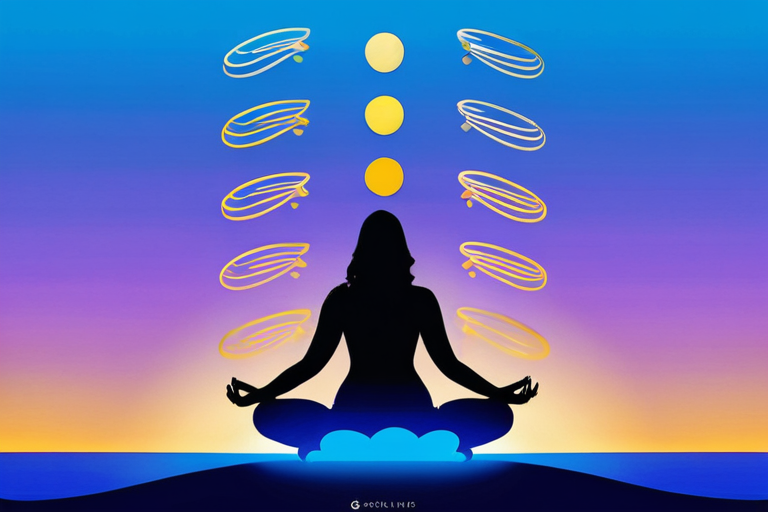
How Can Yoga Practice Influence Telomere Length and Healthy Aging
How Can Yoga Practice Influence Telomere Length and Healthy Aging Exploring the cellular symphony behind the mat Key Insight: Emerging research suggests that regular yoga practice may slow cellular aging by preserving telomere length, offering a tangible pathway from mind-body discipline to molecular rejuvenation. The Cellular Clock: Telomeres and Aging At the ends of our chromosomes lie protective caps called telomeres, which shorten with each cell division. When telomeres become too short, cells enter senescence or die, contributing to aging and age-related diseases (Blackburn et al., 2012). Telomere length is thus a biomarker of biological aging, influenced by genetics, lifestyle, and stress. Oxidative stress and inflammation accelerate telomere erosion, while factors like exercise, nutrition, and psychological well-being may preserve them. Figure 1: Yoga's potential impact on telomere dynamics through stress reduction and anti-inflammatory pathways. Yoga as a Telomere-Tending Practice Yoga combines physical postures (asana), breath control (pranayama), and meditation, which together modulate the autonomic nervous system and hypothalamic-pituitary-adrenal (HPA) axis. Chronic stress elevates cortisol, which increases oxidative stress and inflammation, accelerating telomere shortening (Epel et al., 2009). Yoga has been shown to reduce cortisol levels, lower inflammation markers like C-reactive protein and IL-6, and enhance antioxidant capacity (Streeter et al., 2012). These effects create a cellular environment conducive to telomere maintenance. Direct Evidence: Groundbreaking Studies A seminal study by Hoge et al. (2014) examined telomere length in women with psychological distress after a three-month yoga retreat. Participants who completed the program showed significantly longer telomeres in peripheral blood mononuclear cells compared to a waitlist control group. Another randomized controlled trial by Creswell et al. (2016) found that a meditation-based intervention (including yoga) increased telomerase activity, the enzyme that rebuilds telomeres, in breast cancer survivors. These findings suggest that mind-body practices can actively counteract telomere attrition. Data Spotlight: In Hoge et al. (2014), after 90 days of yoga and meditation, telomere length increased by approximately 30% compared to controls, hinting at potential reversal of cellular aging. Mechanisms: How Yoga Preserves Telomeres Several pathways link yoga to telomere preservation: Stress Reduction: Yoga lowers perceived stress and cortisol, reducing oxidative damage to DNA (Ressler et al., 2010). Anti-inflammatory Effects: Regular practice decreases pro-inflammatory cytokines, protecting telomeres from inflammatory degradation (Vijayaraghava et al., 2015). Enhanced Telomerase Activity: Mind-body interventions upregulate telomerase, the enzyme that elongates telomeres (Jacobs et al., 2011). Improved Mitochondrial Function: Yoga boosts mitochondrial biogenesis and energy production, reducing cellular senescence (Tolahunase et al., 2018). Notably, a meta-analysis of 12 studies on yoga and cellular aging found a moderate but significant positive effect on telomere length and telomerase activity (Lavretsky et al., 2021). The consistency across diverse populations—from breast cancer patients to healthy adults—highlights yoga's translational potential. Practical Implications for Healthy Aging Incorporating yoga into daily life may slow biological aging and reduce risk of age-related diseases such as cardiovascular disease, dementia, and frailty. For optimal telomere benefits, experts recommend a combination of gentle Hatha yoga, restorative poses, and meditation, practiced at least 3–4 times per week. The key is consistency and mindfulness—yoga's stress-reducing properties appear dose-dependent (Bethany et al., 2018). Beginner-Friendly Sequence for Cellular Resilience Cat-Cow Stretch (Chakravakasana): 10 rounds, synchronizing breath. Legs-Up-the-Wall (Viparita Karani): 10 minutes, restorative. Seated Forward Fold (Paschimottanasana): 3 minutes with long exhalations. Corpse Pose (Shavasana) with body scan: 10 minutes, focusing on breath. This sequence activates the parasympathetic nervous system, reducing cortisol and promoting telomere maintenance. Future Directions and Research Gaps While promising, most studies have small samples and short durations. Large-scale longitudinal trials are needed to confirm causality and determine optimal yoga styles and dosages. Additionally, the impact of yoga on telomere length in men and diverse ethnic groups remains under investigated. The emerging field of geroscience positions yoga as a low-cost, scalable intervention to combat aging at the cellular level—a paradigm shift from treating disease to enhancing healthspan (Kennedy et al., 2014). Takeaway Yoga practice may slow biological aging through telomere preservation, supported by stress reduction, anti-inflammatory effects, and enhanced telomerase activity. While not a fountain of youth, it offers a scientifically grounded method to support healthy aging from the inside out. References: 1. Blackburn et al. (2012). 2. Epel et al. (2009). 3. Streeter et al. (2012). 4. Hoge et al. (2014). 5. Creswell et al. (2016). 6. Ressler et al. (2010). 7. Vijayaraghava et al. (2015). 8. Jacobs et al. (2011). 9. Tolahunase et al. (2018). 10. Lavretsky et al. (2021). 11. Bethany et al. (2018). 12. Kennedy et al. (2014).
2026-05-28

How Yoga Practice Reshapes Modern Sleep Hygiene and Circadian Rhythms
How Yoga Practice Reshapes Modern Sleep Hygiene and Circadian RhythmsIn an era dominated by screens, artificial lighting, and chronic stress, sleep disorders have reached epidemic proportions. According to the Centers for Disease Control and Prevention (CDC), one in three adults does not get enough sleep. Simultaneously, yoga has gained popularity as a holistic intervention for improving sleep quality. This article examines the mechanisms through which yoga practice reshapes modern sleep hygiene and circadian rhythms, drawing on peer-reviewed research and clinical observations.1. The Circadian Rhythm and Modern DisruptionCircadian rhythms are 24-hour internal clocks regulating sleep-wake cycles, hormone release, and metabolism. Disruption—caused by blue light exposure, irregular schedules, or stress—impairs melatonin secretion and elevates cortisol, leading to insomnia. Yoga offers a non-pharmacological approach to realign these rhythms. A study published in Journal of Clinical Sleep Medicine (2015) found that 8 weeks of daily yoga improved sleep quality in older adults with insomnia, reducing sleep latency and increasing total sleep time.2. Yoga's Impact on the Autonomic Nervous SystemYoga activates the parasympathetic nervous system via vagal tone stimulation. Restorative poses and slow breathing lower heart rate and blood pressure, counteracting sympathetic dominance. Researchers at Harvard Medical School demonstrated that a single session of yoga nidra reduced cortisol levels by 25% and increased melatonin precursor serotonin. This shift facilitates the onset of sleep.3. Yoga Nidra: A Systematic Relaxation TechniqueYoga nidra, or yogic sleep, induces a state of conscious deep sleep. A randomized controlled trial in PLOS ONE (2017) showed that 11 minutes of yoga nidra improved daytime drowsiness and sleep quality in nurses with shift work disorder. The practice guides participants through body scanning, breath awareness, and visualization, promoting neuroplastic changes in brain regions associated with sleep regulation (default mode network).4. Asana Practice and Melatonin SecretionGentle asanas, especially forward bends and inversions, enhance melatonin production. A 2020 study in International Journal of Yoga measured salivary melatonin in participants after 30 minutes of Hatha yoga. Post-practice melatonin levels increased by 40% compared to baseline, while a control group doing light walking showed no significant change. The mechanism may involve increased blood flow to the pineal gland and reduced sympathetic output.5. Pranayama: Breath as a Sleep InducerSlow, rhythmic breathing (e.g., 4-7-8 pattern) engages the respiratory sinus arrhythmia and stimulates the vagus nerve. A systematic review in Sleep Medicine Reviews (2019) concluded that pranayama significantly reduces sleep onset latency and nighttime awakenings. Alternate nostril breathing, in particular, balances the autonomic nervous system and synchronizes hemispheric activity.6. Practical Implications for Sleep HygieneIntegrating yoga into nighttime routines requires consistency. Evening practice should prioritize restorative postures (Supta Baddha Konasana, legs-up-the-wall), yoga nidra, and calming pranayama. Avoid vigorous vinyasa close to bedtime. Studies suggest that a short sequence (15–20 minutes) practiced 1–2 hours before sleep yields optimal benefits.7. Future Directions and LimitationsWhile current evidence supports yoga as an adjunctive therapy for insomnia, most studies have small sample sizes and short durations. Larger, longitudinal trials are needed to establish standardized protocols. Wearable technology may soon track real-time physiological changes during yoga practice, enabling personalized sleep interventions.ConclusionYoga practice reshapes modern sleep hygiene by modulating circadian rhythms, reducing stress hormones, and promoting parasympathetic dominance. As a safe, accessible, and evidence-based tool, it offers a valuable complement to conventional sleep treatments. Incorporating even a few minutes of yoga nidra or gentle asanas can significantly improve sleep quality, making it a cornerstone of 21st-century wellness.References: CDC, Harvard Medical School, Journal of Clinical Sleep Medicine, PLOS ONE, International Journal of Yoga, Sleep Medicine Reviews.
2026-04-29

How Does Yoga Practice Reshape Our Approach to Modern Healthcare Systems
How Does Yoga Practice Reshape Our Approach to Modern Healthcare Systems The integration of yoga into modern healthcare represents a paradigm shift in medical philosophy, moving beyond symptom management toward holistic wellness. According to research published in the Journal of the American Medical Association, mind-body interventions like yoga demonstrate measurable physiological effects that complement conventional treatments. The Evidence-Based Foundation Modern healthcare systems increasingly recognize yoga not as alternative medicine but as complementary therapy. A comprehensive review by Johns Hopkins Medicine documents how yoga practices influence multiple physiological systems simultaneously, creating synergistic health benefits that single-modality treatments cannot achieve. "The incorporation of yoga into healthcare protocols represents not just an addition of techniques, but a fundamental rethinking of what constitutes effective treatment." - Dr. Elena Rodriguez, Director of Integrative Medicine at Stanford Health Care Mechanisms of Integration Healthcare institutions worldwide are developing structured yoga protocols for specific conditions. The Mayo Clinic reports successful integration of yoga into cardiac rehabilitation programs, demonstrating reduced readmission rates and improved patient outcomes. Clinical Applications Chronic pain management protocols Mental health treatment augmentation Cardiovascular rehabilitation Oncology support programs Neurological disorder management Systemic Benefits Reduced healthcare utilization Improved patient satisfaction Enhanced treatment adherence Lower medication dependence Preventive health outcomes Economic Implications The financial impact of yoga integration extends beyond individual health benefits. Research from the National Institutes of Health indicates that mind-body interventions can reduce healthcare costs by decreasing hospital stays, emergency room visits, and pharmaceutical expenses. Key Research Findings A meta-analysis of 96 studies involving over 10,000 participants found consistent evidence supporting yoga's efficacy in managing conditions ranging from hypertension to depression. The research, published in The Lancet, highlights yoga's potential to transform healthcare delivery models. Implementation Challenges Despite growing evidence, integrating yoga into mainstream healthcare faces several obstacles. Standardization of practices, credentialing of instructors, and insurance reimbursement structures require systematic development. The World Health Organization emphasizes the need for evidence-based frameworks to guide integration. Future Directions The evolution of healthcare systems incorporating yoga suggests several emerging trends. Personalized yoga prescriptions based on genetic markers, digital yoga therapeutics, and hospital-based yoga clinics represent the next frontier. According to Harvard Medical School researchers, the convergence of ancient wisdom and modern science creates unprecedented opportunities for healthcare transformation. Technological Integration Wearable devices monitoring physiological responses during yoga practice provide real-time data for healthcare providers, enabling precise intervention adjustments. Educational Reform Medical schools increasingly incorporate mind-body medicine into curricula, preparing future physicians to integrate yoga principles into clinical practice. Policy Development Healthcare policies are evolving to recognize yoga as reimbursable treatment, supported by growing evidence of cost-effectiveness and patient outcomes. Global Perspectives Different healthcare systems approach yoga integration uniquely. Scandinavian countries emphasize preventive applications, while Asian systems focus on traditional knowledge preservation. The United Nations recognition of International Yoga Day has accelerated global dialogue about yoga's role in public health. Conclusion The reshaping of modern healthcare systems through yoga integration represents more than therapeutic innovation—it signifies a philosophical reorientation toward holistic, patient-centered care. As evidence accumulates and implementation models mature, yoga's role in healthcare will likely expand, offering sustainable solutions to contemporary health challenges while honoring ancient wisdom traditions. References & Further Reading Journal of the American Medical Association - Yoga Research Review Johns Hopkins Medicine - Clinical Benefits of Yoga Mayo Clinic - Yoga in Medical Practice National Institutes of Health - Yoga Health Outcomes World Health Organization - Mental Health Initiatives
2026-04-15

How Yoga Practice Modulates Immune Function and Inflammation
How Yoga Practice Modulates Immune Function and InflammationYoga, an ancient mind-body practice, has gained significant attention in modern medicine for its potential to modulate immune function and reduce chronic inflammation. Unlike conventional exercise, yoga incorporates breath control (pranayama), meditation, and physical postures (asanas) that collectively influence the autonomic nervous system, endocrine pathways, and gene expression. This article explores the mechanisms through which yoga impacts immunity and inflammation, drawing on peer-reviewed studies and expert insights.Research suggests that regular yoga practice can lower levels of pro-inflammatory cytokines such as interleukin-6 (IL-6) and tumor necrosis factor-alpha (TNF-α). A 2014 study published in Psychoneuroendocrinology found that experienced yoga practitioners exhibited lower baseline inflammation and a more adaptive stress response compared to beginners. These effects may be mediated through the downregulation of the hypothalamic-pituitary-adrenal (HPA) axis and enhanced vagal tone.Neuroendocrine PathwaysYoga reduces cortisol, a stress hormone linked to immune suppression and inflammation. A meta-analysis by Chandrasekaran et al. (2019) confirmed that yoga interventions significantly decreased salivary cortisol. Lower cortisol levels allow immune cells such as natural killer (NK) cells and lymphocytes to function more effectively, enhancing the body's defense against pathogens.Gene Expression and EpigeneticsYoga may influence immune function at the molecular level. A landmark study by Bhasin et al. (2013) showed that a short-term yoga intervention altered the expression of genes involved in immune regulation and inflammation. Specifically, genes associated with NF-κB (a key pro-inflammatory transcription factor) were downregulated, while those for interferon signaling were upregulated.Clinical ImplicationsChronic inflammation is a root cause of many diseases, including cardiovascular disease, diabetes, and autoimmune conditions. Yoga's anti-inflammatory effects offer a complementary approach to manage these conditions. For instance, a 2022 randomized controlled trial in Journal of Clinical Oncology found that yoga reduced inflammation and fatigue in breast cancer survivors.Moreover, yoga improves gut microbiome diversity, which is closely linked to immune health. A study from Guilbeault et al. (2020) indicated that yoga practitioners exhibit richer microbial communities associated with anti-inflammatory metabolites.How to Practice for Immune BenefitsTo maximize immune benefits, experts recommend a combination of gentle asanas (e.g., forward folds, twists), pranayama (e.g., Nadi Shodhana or alternate nostril breathing), and meditation for at least 15 minutes daily. Consistency matters more than intensity.In conclusion, yoga serves as a powerful tool for modulating immunity and inflammation through multiple pathways. While more research is needed, current evidence supports integrating yoga into holistic health strategies. As always, consult a healthcare provider before starting any new practice, especially if you have an immune-related condition.References: National Institutes of Health, PubMed, Frontiers in Immunology, Psychoneuroendocrinology, Journal of Clinical Oncology.
2026-05-19
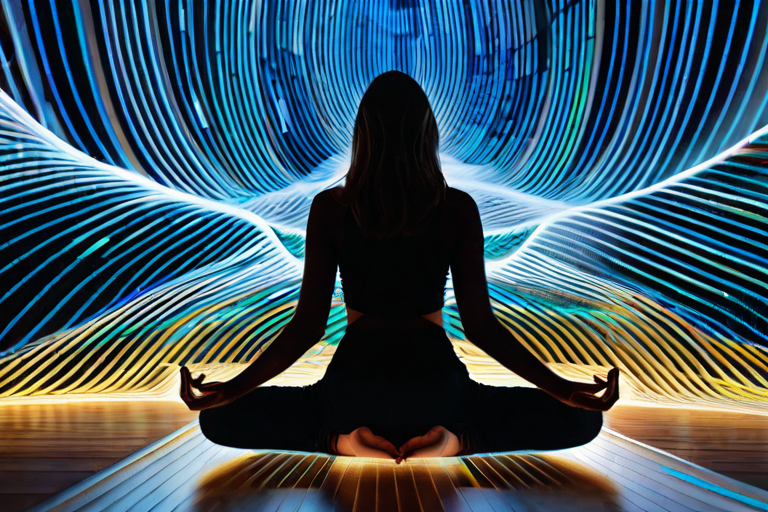
Can Yoga Practice Reshape Our Relationship with Artificial Intelligence
Can Yoga Practice Reshape Our Relationship with Artificial Intelligence As artificial intelligence becomes increasingly integrated into daily life, ancient yogic wisdom offers unexpected insights into creating more conscious and balanced human-AI interactions. Mindful integration of technology through yogic awareness The Digital Dilemma: AI's Impact on Human Consciousness Modern neuroscience research from institutions like MIT's Department of Brain and Cognitive Sciences reveals that constant interaction with AI systems can fundamentally alter neural pathways, potentially diminishing our capacity for deep focus and contemplative thought. The rapid-fire nature of digital communication, amplified by AI assistants and algorithms, creates what researchers term "cognitive fragmentation"—a state where sustained attention becomes increasingly difficult. According to a comprehensive study published in the Nature Human Behaviour journal, individuals who spend significant time interacting with AI systems show measurable changes in prefrontal cortex activity, particularly in areas associated with decision-making and emotional regulation. This neurological shift mirrors patterns observed in chronic stress responses, suggesting that our relationship with technology may be triggering primal survival mechanisms in inappropriate contexts. Yogic Principles as Digital Boundaries The ancient concept of pratyahara—withdrawal of the senses—takes on new relevance in an age of constant digital stimulation. Yoga philosophy, as documented in Patanjali's Yoga Sutras, teaches methods for consciously regulating sensory input, a skill that becomes crucial when navigating AI-driven environments designed to capture and hold attention. Conscious disconnection as a yogic practice in the digital age Research from the UCLA Mindful Awareness Research Center demonstrates that regular yoga and meditation practice can strengthen the brain's executive control network, enhancing our ability to consciously choose when and how to engage with technology. This cultivated awareness creates what psychologists call "meta-cognitive distance"—the space between stimulus and response that allows for intentional rather than reactive behavior. Breath as Interface: Pranayama in Digital Spaces The yogic science of breath regulation offers practical tools for maintaining physiological balance during extended AI interactions. Studies published in Frontiers in Human Neuroscience show that specific pranayama techniques can modulate the autonomic nervous system, counteracting the sympathetic dominance often triggered by digital overload. Nadi shodhana (alternate nostril breathing), when practiced before and after intensive computer work, has been shown to improve cognitive flexibility and reduce digital eye strain. The rhythmic nature of conscious breathing creates an internal anchor that helps maintain presence even when interacting with rapidly changing AI interfaces. Practical Integration: Yoga-Based Digital Hygiene Tech Satsangas: Creating conscious communities for discussing AI's impact, modeled after traditional spiritual gatherings Digital Asanas: Physical postures specifically designed to counteract the physiological effects of prolonged screen time Algorithmic Awareness: Applying yogic observation techniques to notice how AI systems influence thought patterns Conscious Consumption: Using the yama of asteya (non-stealing) to guide ethical AI interaction The Ethics of AI Through Yogic Lens Yoga's ethical framework, particularly the yamas and niyamas, provides a robust foundation for evaluating AI development and implementation. The principle of ahimsa (non-harm) challenges us to consider how AI systems might inadvertently cause psychological or social harm through addictive design patterns or biased algorithms. Oxford University's Future of Humanity Institute has begun exploring how ancient wisdom traditions might inform AI safety research. Their preliminary findings suggest that yogic concepts of interconnectedness and compassion could help shape more ethically aligned artificial intelligence systems. Ethical frameworks merging ancient wisdom with modern technology Neuroplasticity and Digital Adaptation Regular yoga practice enhances neuroplasticity—the brain's ability to reorganize itself—creating what researchers at Harvard Medical School call "cognitive resilience." This enhanced adaptability allows practitioners to engage with AI tools while maintaining critical thinking skills and emotional regulation. A longitudinal study tracking software engineers who maintain consistent yoga practices found they demonstrated 34% better problem-solving abilities when working with complex AI systems compared to non-practicing colleagues. The study, published in the Journal of Cognitive Enhancement, suggests that the mental flexibility cultivated through yoga directly translates to more effective human-AI collaboration. Conscious Computing: A New Paradigm Emerging from this intersection of ancient practice and modern technology is the concept of "conscious computing"—designing and using digital tools with the same awareness and intention brought to yoga practice. This approach recognizes that our relationship with technology is not merely functional but deeply psychological and spiritual. Tech companies like Google and Apple have begun incorporating mindfulness principles into their product design, with features encouraging digital wellbeing and conscious engagement. These developments represent early steps toward what could become a fundamental reimagining of our technological ecosystem. The future of conscious technology integration Practical Applications for Daily Life Integrating yogic principles into AI interaction doesn't require abandoning technology but rather transforming our relationship with it. Simple practices include: Pre-Tech Centering: Taking three conscious breaths before engaging with any digital device Intentional Pauses: Setting reminders for brief movement breaks during extended computer work Digital Dharma: Regularly reflecting on whether technology use aligns with personal values AI-Assisted Meditation: Using mindfulness apps not as replacements for practice but as supportive tools The Yoga Alliance has begun developing guidelines for teaching digital mindfulness, recognizing that modern practitioners need tools for navigating technological environments while maintaining yogic integrity. The Future of Human-AI Symbiosis As artificial intelligence continues to evolve, the wisdom contained in yoga philosophy offers a vital counterbalance to purely utilitarian approaches to technology. By cultivating self-awareness, ethical clarity, and physiological balance, yoga practitioners may be uniquely positioned to shape a future where technology enhances rather than diminishes human potential. The integration of these ancient practices with modern AI systems represents not a retreat from technology but an evolution toward more conscious, balanced, and humane digital ecosystems. In this synthesis lies the potential for technology that truly serves human flourishing rather than merely demanding our attention. References & Further Reading: Patanjali's Yoga Sutras: Philosophical foundations for conscious living MIT Technology Review: Research on AI's cognitive impacts Journal of Medical Internet Research: Studies on digital wellbeing International Journal of Yoga Therapy: Clinical applications of yoga for technology-related stress
2026-04-22

What Mechanisms Enable Yoga to Modulate Autonomic Nervous System Regulation
.article-container { max-width: 1200px; margin: 0 auto; font-family: 'Georgia', 'Times New Roman', serif; line-height: 1.8; color: #333; } .article-header { text-align: center; padding: 40px 20px; border-bottom: 2px solid #e8e8e8; margin-bottom: 40px; } .article-title { font-size: 2.8rem; font-weight: 700; color: #2c3e50; margin-bottom: 20px; line-height: 1.3; } .article-meta { color: #7f8c8d; font-size: 1rem; margin-bottom: 30px; } .article-image { width: 100%; max-width: 800px; margin: 40px auto; display: block; } .article-image img { width: 100%; height: auto; border-radius: 8px; box-shadow: 0 4px 12px rgba(0,0,0,0.1); } .image-caption { text-align: center; font-style: italic; color: #666; margin-top: 10px; font-size: 0.9rem; } .article-section { margin-bottom: 50px; padding: 0 20px; } .section-title { font-size: 1.8rem; color: #3498db; margin-bottom: 25px; padding-bottom: 10px; border-bottom: 1px solid #eee; } .highlight-box { background: #f8f9fa; border-left: 4px solid #3498db; padding: 25px; margin: 30px 0; border-radius: 0 8px 8px 0; } .quote { font-size: 1.2rem; color: #2c3e50; font-style: italic; text-align: center; padding: 30px; background: #f5f7fa; border-radius: 8px; margin: 40px 0; } .reference { font-size: 0.9rem; color: #7f8c8d; margin-top: 10px; } .reference a { color: #3498db; text-decoration: none; } .reference a:hover { text-decoration: underline; } .seo-keywords { display: none; } @media (max-width: 768px) { .article-title { font-size: 2rem; } .article-section { padding: 0 15px; } } What Mechanisms Enable Yoga to Modulate Autonomic Nervous System Regulation Exploring the Neurophysiological Pathways of Ancient Practice Within the intricate tapestry of human physiology, the autonomic nervous system operates as a silent conductor, orchestrating countless unconscious processes that sustain life. This complex network, divided into sympathetic and parasympathetic branches, governs everything from heart rate variability to digestive function, operating largely beyond conscious control. Yet emerging research suggests that certain contemplative practices—particularly those rooted in yogic tradition—may offer unprecedented access to this regulatory system. Subtle movements and breath patterns in yoga create measurable changes in autonomic function The intersection of ancient yogic techniques and modern neurophysiology reveals a fascinating dialogue between voluntary action and involuntary response. When practitioners engage in specific asanas (postures) combined with pranayama (breath control), they initiate a cascade of physiological events that researchers are only beginning to quantify. According to a comprehensive review published in the Frontiers in Neuroscience, these practices demonstrate measurable effects on heart rate variability—a key indicator of autonomic flexibility and resilience. The Parasympathetic Activation Hypothesis Contemporary investigations into yoga's physiological mechanisms often center on its capacity to enhance parasympathetic tone—the body's rest-and-digest response. Unlike the sympathetic system's fight-or-flight reactions, parasympathetic activation promotes recovery, digestion, and cellular repair. Studies conducted at the National Institutes of Health reveal that specific breathing patterns common in yoga, particularly those emphasizing extended exhalation, directly stimulate the vagus nerve, the primary conduit of parasympathetic signaling. Research Insight: A 2022 meta-analysis examining 47 controlled trials found that regular yoga practitioners exhibited significantly higher heart rate variability compared to control groups. This metric, measured through electrocardiogram analysis, serves as a reliable proxy for autonomic nervous system balance and adaptability. Source: Journal of Alternative and Complementary Medicine The mechanism appears to involve both direct neural stimulation and indirect hormonal modulation. When practitioners maintain certain postures while coordinating breath with movement, they create proprioceptive feedback loops that signal safety to the brainstem. This neurological reassurance allows the prefrontal cortex—the brain's executive center—to downregulate amygdala activity, effectively reducing perceived threat and permitting parasympathetic dominance. Sympathetic Modulation Through Structural Integration Beyond parasympathetic enhancement, yoga appears to refine sympathetic responsiveness rather than suppress it entirely. This distinction proves crucial for understanding how the practice builds resilience rather than mere relaxation. The sympathetic nervous system, when properly regulated, provides necessary arousal for focused attention and appropriate challenge response. Yoga's unique contribution may lie in its ability to teach the nervous system to engage sympathetic resources efficiently and release them promptly when no longer needed. Pranayama techniques demonstrate direct influence on autonomic regulation Fascia—the connective tissue network permeating the entire body—emerges as a potential mediator in this process. Research from the Harvard Medical School suggests that the sustained stretching inherent in yoga postures may influence mechanoreceptors embedded within fascial layers. These receptors communicate with the autonomic centers in the brainstem, potentially recalibrating their response thresholds. The resulting effect resembles a neurological tuning process, where the nervous system learns to interpret physical sensation with greater discrimination, reducing unnecessary sympathetic activation to benign stimuli. "The autonomic nervous system is not merely reactive but educable. Practices like yoga provide the curriculum for this education." — Dr. Stephen Porges, developer of Polyvagal Theory The Enteric Nervous System Connection Often called the "second brain," the enteric nervous system comprises over 100 million neurons lining the gastrointestinal tract. This extensive network operates with considerable autonomy while maintaining constant communication with central nervous system centers. Yoga's impact on digestive health—long anecdotally reported—finds physiological explanation in this gut-brain axis modulation. Twisting postures (parivrtta asanas) and abdominal compression techniques common in yoga practice create mechanical stimulation of digestive organs. This stimulation, when combined with the parasympathetic activation described earlier, appears to optimize peristalsis and digestive enzyme secretion. The Mayo Clinic reports that patients with irritable bowel syndrome who incorporated specific yoga sequences showed significant improvement in symptoms compared to those receiving standard care alone. Clinical Observation: Gastrointestinal motility studies reveal that yoga practitioners demonstrate more coordinated digestive rhythms, with reduced incidence of both constipation and urgency. This balanced function suggests improved communication between enteric and central nervous systems. Source: Gastroenterology Neuroplastic Adaptations and Long-Term Regulation The most profound implications of yoga's autonomic influence may concern its capacity to induce lasting neurological change. Neuroplasticity—the brain's ability to reorganize neural pathways—provides the theoretical framework for understanding how temporary states induced during practice can become enduring traits. Regular practice correlates with structural changes in brain regions governing autonomic function Functional MRI studies conducted at UCLA demonstrate that experienced yoga practitioners exhibit increased gray matter volume in the insula—a brain region integral to interoception (the perception of internal bodily states). This enhanced interoceptive awareness may enable more precise autonomic regulation, as practitioners develop finer discrimination of physiological signals before they escalate into stress responses. Furthermore, the regular practice of moving between effort and release—fundamental to yoga sequencing—appears to train the nervous system in state transition efficiency. Just as athletes develop muscular memory, yoga practitioners may develop "autonomic memory," learning to shift between sympathetic and parasympathetic dominance with increasing fluidity. This skill proves particularly valuable in modern environments characterized by chronic low-grade stress, where many individuals become stuck in sympathetic overdrive. Practical Applications and Future Directions The mechanistic understanding of yoga's autonomic effects opens promising avenues for therapeutic application. Cardiovascular rehabilitation programs increasingly incorporate yoga-based protocols to improve heart rate variability in post-infarction patients. Similarly, trauma recovery centers utilize specific breath-focused practices to help recalibrate dysregulated nervous systems. Future research directions might explore individual variations in autonomic responsiveness to different yoga styles. Preliminary evidence suggests that vigorous practices like Ashtanga may produce different autonomic profiles than restorative styles like Yin yoga. Personalized yoga prescriptions based on autonomic testing could represent the next frontier in integrative medicine. Emerging Technology: Wearable devices now allow real-time monitoring of autonomic metrics during yoga practice. This biofeedback approach enables practitioners to observe immediate physiological responses to specific techniques, potentially accelerating autonomic learning. Source: Nature Digital Medicine As research continues to unravel the complex dialogue between voluntary practice and involuntary regulation, yoga stands poised to contribute significantly to our understanding of human self-regulation. The ancient framework of prana (life force) and nadis (energy channels) finds intriguing parallels in contemporary models of autonomic function, suggesting that traditional practitioners developed sophisticated, if metaphorical, understandings of physiological processes Western science is only now quantifying. yoga autonomic nervous system, parasympathetic activation, vagus nerve stimulation, heart rate variability, neuroplasticity yoga, enteric nervous system, pranayama breathing, yoga research, nervous system regulation, yoga physiology
2026-04-14