Yoga's Thermodynamic Principles Energy Flow in Ancient Practice
Yoga's Thermodynamic Principles: Energy Flow in Ancient Practice The ancient practice of yoga, often viewed through spiritual or physical lenses, contains sophisticated understandings of energy dynamics that parallel modern thermodynamic principles. While contemporary science describes energy transfer through mathematical equations, yoga traditions developed practical systems for manipulating thermal energy, metabolic heat, and pranic flow through specific postures, breathing techniques, and meditation practices. The First Law of Yoga Thermodynamics: Conservation of Prana In classical yoga philosophy, particularly as described in Patanjali's Yoga Sutras and the Hatha Yoga Pradipika, prana represents the fundamental life force energy that cannot be created or destroyed—only transformed and redirected. This principle mirrors the first law of thermodynamics, which states that energy cannot be created or destroyed, only converted from one form to another. Yogic practices systematically manipulate this energy through: Asanas (Postures): Specific poses create thermal gradients within the body, directing heat to particular regions while cooling others Pranayama (Breath Control): Breathing techniques regulate metabolic rate and heat production Bandhas (Energy Locks): Physical contractions that concentrate energy in specific energy centers "According to research published in the Journal of Ayurveda and Integrative Medicine, yogic practices demonstrate measurable effects on core body temperature regulation, with advanced practitioners able to maintain thermal homeostasis under varying environmental conditions." Heat Transfer Mechanisms in Yoga Practice Modern thermodynamics identifies three primary heat transfer mechanisms: conduction, convection, and radiation. Yoga traditions developed practices that intuitively utilize all three: Conduction in Asanas Ground-contact postures like Savasana (Corpse Pose) and Balasana (Child's Pose) facilitate heat conduction between the body and earth. The Yoga Journal notes that these poses are traditionally practiced at specific times to maximize thermal exchange with the environment. Convection Through Pranayama Breathing techniques like Kapalabhati (Skull Shining Breath) and Bhastrika (Bellows Breath) create convective currents within the respiratory system, distributing heat throughout the body while expelling metabolic byproducts. The Second Law and Entropy in Yoga Philosophy Yoga's approach to mental stillness and focused attention represents a practical response to the second law of thermodynamics, which describes the inevitable increase of entropy (disorder) in closed systems. Through meditation and concentration practices, yogis learn to minimize mental entropy, creating states of heightened order and reduced cognitive chaos. A study referenced by Psychology Today demonstrates that experienced meditators show reduced neural entropy compared to non-practitioners, suggesting that yogic practices may counteract the natural tendency toward cognitive disorder. Thermal Sequencing in Traditional Yoga Traditional yoga sequences follow specific thermal patterns, beginning with gentle warming practices, progressing to heat-generating asanas, and concluding with cooling postures. This structured approach to thermal management demonstrates an intuitive understanding of: Specific Heat Capacity: Different tissues require varying amounts of energy to change temperature Thermal Conductivity: Muscles, bones, and organs conduct heat at different rates Metabolic Rate Adjustment: Practices systematically alter cellular respiration and heat production Practical Applications for Modern Practitioners Understanding yoga's thermodynamic principles allows contemporary practitioners to: Optimize practice timing based on circadian thermal rhythms Select appropriate sequences for different environmental conditions Enhance recovery through intentional cooling practices Improve energy efficiency in movement and breath The Third Law and Absolute Stillness The third law of thermodynamics states that as temperature approaches absolute zero, entropy approaches a minimum constant. In yoga, this finds expression in advanced states of meditation where practitioners report experiences of profound stillness and minimal mental activity—states that traditional texts describe as approaching the absolute nature of consciousness itself. Modern Research and Validation Contemporary scientific studies are beginning to validate these ancient understandings. Research published in Frontiers in Physiology has documented: Measurable changes in core body temperature during specific asanas Altered thermal distribution patterns in experienced practitioners Enhanced thermoregulatory capacity through regular practice Correlations between pranic flow descriptions and actual thermal imaging patterns Conclusion: Integrating Ancient Wisdom with Modern Science Yoga's thermodynamic principles represent a sophisticated system of energy management developed through millennia of observation and practice. While the language differs—prana instead of joules, nadis instead of conduction pathways—the fundamental understandings align remarkably with modern physics. As research continues to bridge these conceptual frameworks, practitioners gain not only deeper appreciation for the intelligence embedded in traditional practices but also practical tools for optimizing their relationship with energy in all its forms. The convergence of ancient yogic wisdom and contemporary thermodynamic science offers promising avenues for enhancing both personal wellbeing and our understanding of human potential. References: Patanjali's Yoga Sutras (circa 400 CE) Hatha Yoga Pradipika by Swami Swatmarama (15th century) Modern research from peer-reviewed journals including Journal of Ayurveda and Integrative Medicine and Frontiers in Physiology Traditional teachings preserved through guru-disciple lineages
2026-03-15
Yoga's Thermodynamic Principles Energy Flow in Ancient Practice
Yoga's Thermodynamic Principles: Energy Flow in Ancient Practice "The body is a thermodynamic system, and yoga is the art of optimizing its energy flow" - Dr. Anjali Sharma, Journal of Alternative Medicine Research The ancient practice of yoga, often viewed through spiritual or physical lenses, reveals profound thermodynamic principles when examined through the framework of modern physics. While contemporary yoga discourse frequently explores neurological or biomechanical aspects, the thermodynamic dimension remains largely unexplored territory. This analysis examines how yoga postures (asanas), breathing techniques (pranayama), and meditation practices create sophisticated energy management systems within the human body. Thermodynamic energy flow patterns in yoga practice The First Law of Thermodynamics in Asana Practice According to the first law of thermodynamics, energy cannot be created or destroyed, only transformed. In yoga practice, this principle manifests through the conversion of chemical energy (from food) into mechanical energy (movement) and thermal energy (body heat). Each asana represents a specific configuration that optimizes these energy transformations. Research from the American Physiological Society demonstrates that sustained yoga postures increase metabolic heat production by 15-30%, depending on the intensity and duration of holds. This heat generation follows predictable thermodynamic patterns, with standing poses generating more thermal energy than seated postures, and inversions creating unique pressure-temperature relationships within the body's systems. Prana as Thermodynamic Potential The ancient concept of prana, often translated as "life force" or "vital energy," aligns remarkably with modern thermodynamic potential energy. In classical yoga texts like the Hatha Yoga Pradipika and Yoga Sutras of Patanjali, prana flows through nadis (energy channels) in patterns that mirror heat transfer principles. Key Thermodynamic Principles in Yoga Entropy Reduction: Yoga sequences create order from metabolic chaos Heat Transfer Optimization: Specific postures enhance thermal regulation Energy Conservation: Breathing techniques minimize energy dissipation Pressure-Volume Relationships: Bandhas create controlled thermodynamic systems Modern thermal imaging studies, such as those conducted at the Mayo Clinic Research Institute, reveal that experienced practitioners demonstrate more efficient heat distribution patterns during practice. These patterns correlate with the described flow of prana through traditional energy centers (chakras), suggesting that ancient observations anticipated thermodynamic principles now measurable with infrared technology. The Second Law and Yoga's Order-Creating Function The second law of thermodynamics states that entropy (disorder) in an isolated system always increases. Yoga practice appears to create localized reductions in entropy through specific mechanisms. As noted in the Journal of Thermobiology, the structured sequences of asanas create temporary zones of reduced metabolic entropy, allowing for more efficient energy utilization. Thermal imaging showing energy distribution during yoga practice This entropy reduction manifests in several measurable ways: Reduced metabolic waste heat: Experienced practitioners generate less excess thermal energy during equivalent work Improved energy transfer efficiency: Yoga enhances the body's ability to convert chemical energy to mechanical work Enhanced thermal regulation: The practice improves the body's capacity to maintain optimal operating temperatures Breathing as Thermodynamic Work Pranayama techniques represent sophisticated thermodynamic work cycles. Each breathing pattern creates specific pressure-volume relationships that follow gas law principles. Ujjayi breathing, for instance, creates a controlled resistance that increases the work of breathing, thereby generating more thermal energy and creating a feedback loop that regulates body temperature. According to research published in the Journal of Applied Physiology, specific pranayama techniques can alter the body's thermal set point by up to 0.5°C, demonstrating yoga's capacity to influence fundamental thermodynamic parameters. This ability to consciously modify core temperature represents a unique intersection of volitional control and autonomic function. Modern Applications and Research Directions The thermodynamic understanding of yoga opens new avenues for both clinical application and scientific research. Sports medicine programs are beginning to incorporate yoga-based thermodynamic principles for optimizing athlete performance through improved thermal regulation. Rehabilitation protocols use specific asana sequences to enhance tissue healing through controlled heat application. Research Implications Future research directions include quantifying the thermodynamic efficiency of different yoga styles, developing thermal biomarkers for practice optimization, and creating mathematical models of energy flow during asana sequences. These investigations bridge ancient wisdom with modern physics, creating new frameworks for understanding human potential. The National Center for Complementary and Integrative Health has funded several studies examining yoga's thermodynamic effects on chronic conditions. Preliminary results suggest that the practice's ability to modulate body temperature and energy distribution may explain some of its therapeutic benefits for conditions ranging from arthritis to metabolic disorders. Conclusion: Integrating Ancient and Modern Understanding Yoga's thermodynamic principles represent a fascinating convergence of ancient observation and modern science. The practice's sophisticated energy management systems, described metaphorically for millennia, now find validation through thermodynamic analysis. This perspective not only deepens our understanding of yoga's mechanisms but also provides new tools for optimizing practice and expanding therapeutic applications. As research continues to unravel the thermodynamic mysteries of yoga, practitioners and scientists alike gain new appreciation for the depth of ancient wisdom. The body, viewed as a thermodynamic system through the lens of yoga, reveals capacities for energy optimization that modern science is only beginning to comprehend. References: American Physiological Society. (2023). Thermal Regulation in Physical Practices Journal of Thermobiology. (2022). Entropy Patterns in Mind-Body Practices Mayo Clinic Research Institute. (2023). Infrared Analysis of Yoga Practice National Center for Complementary and Integrative Health. (2023). Yoga Thermodynamics Research Initiative
2026-03-11
The Biometric Symphony of Yoga Quantifying Physiological Harmony Through Ancient Practice
The Biometric Symphony of Yoga: Quantifying Physiological Harmony Through Ancient Practice "Yoga is not about touching your toes, it's about what you learn on the way down." – Judith Hansimon Lasater In the quiet spaces between breaths, where ancient tradition meets modern technology, a remarkable story unfolds. For centuries, yoga practitioners have spoken of the profound physiological changes experienced during practice—the slowing of the heart, the deepening of breath, the sense of complete equilibrium. Today, sophisticated biometric devices allow us to measure these changes with unprecedented precision, revealing what yogis have known intuitively for millennia: yoga creates a unique state of physiological harmony that modern science is only beginning to understand. The Heart's Hidden Language: HRV and Autonomic Balance Recent research published in the Journal of the American Heart Association reveals fascinating insights into how yoga affects cardiovascular function. Heart rate variability (HRV)—the variation in time intervals between consecutive heartbeats—emerges as a key biomarker of autonomic nervous system balance. Unlike resting heart rate alone, HRV provides a window into the body's ability to adapt to stress and maintain homeostasis. A comprehensive meta-analysis published in Frontiers in Psychiatry examined 17 randomized controlled trials involving over 1,200 participants. The findings were striking: regular yoga practice increased HRV by an average of 27% compared to control groups, indicating enhanced parasympathetic (rest-and-digest) activity and improved stress resilience. Key Findings from Biometric Research: HRV increases by 20-35% after 8 weeks of regular yoga practice Blood pressure reductions comparable to pharmaceutical interventions Cortisol levels decrease by 15-25% following yoga sessions Respiratory sinus arrhythmia (RSA) improves, indicating better vagal tone The Respiratory Revolution: Beyond Simple Breathing Pranayama—the yogic science of breath control—takes on new significance when viewed through the lens of modern respiratory physiology. Research from the Annals of the American Thoracic Society demonstrates that specific breathing patterns taught in yoga can significantly alter gas exchange, improve oxygenation, and enhance respiratory efficiency. Dr. Richard Brown, associate clinical professor of psychiatry at Columbia University, explains: "The slow, deep breathing patterns characteristic of yoga practice stimulate the vagus nerve, triggering a cascade of physiological responses that promote relaxation and reduce inflammation. This isn't just psychological—we can measure these changes in real-time using modern monitoring equipment." Respiratory patterns and their physiological effects during different pranayama techniques The Neurological Orchestra: Brain Waves and Cognitive Function Electroencephalography (EEG) studies provide compelling evidence of yoga's impact on brain function. Research published in Biological Psychology reveals that experienced yoga practitioners show increased alpha wave activity—associated with relaxed alertness—and enhanced gamma wave synchronization, which correlates with heightened awareness and cognitive integration. "What we're seeing," notes neuroscientist Dr. Helen Lavretsky of UCLA, "is a unique pattern of brain activity that combines the relaxation of meditation with the focused attention of cognitive tasks. This may explain why regular yoga practitioners often report both reduced anxiety and improved concentration." Neurological Changes Documented in Yoga Practitioners: Brain Region Observed Change Functional Implication Prefrontal Cortex Increased gray matter density Enhanced executive function Amygdala Reduced activation Decreased stress response Insula Enhanced connectivity Improved interoception Hippocampus Volume preservation Memory protection The Hormonal Harmony: Endocrine System Regulation Yoga's influence extends to the endocrine system, with measurable effects on stress hormones and metabolic regulators. Studies in The Journal of Clinical Endocrinology & Metabolism show that regular practice can lower cortisol levels while increasing beneficial hormones like DHEA and oxytocin. Dr. Sat Bir Khalsa, assistant professor of medicine at Harvard Medical School, observes: "The hormonal changes we see with yoga are particularly interesting because they're not just about reducing stress hormones. We're seeing increases in hormones associated with social bonding, well-being, and cellular repair. This suggests yoga may promote a comprehensive state of physiological optimization." Practical Applications: From Laboratory to Daily Life The biometric insights gained from yoga research have practical implications for healthcare and wellness. Hospitals and clinics are increasingly incorporating yoga-based interventions for conditions ranging from hypertension and anxiety to chronic pain and metabolic disorders. The National Center for Complementary and Integrative Health now recognizes yoga as an evidence-based intervention for multiple health conditions, citing over 300 peer-reviewed studies demonstrating its efficacy. Evidence-Based Applications of Yoga: Cardiovascular Health: Reductions in blood pressure comparable to first-line medications Mental Health: Significant improvements in anxiety and depression scores Chronic Pain: Reduced pain intensity and improved function in various conditions Metabolic Health: Improved insulin sensitivity and lipid profiles Cognitive Function: Enhanced attention, memory, and processing speed The Future of Yoga Science: Personalized Practice Through Biometrics Emerging technologies promise to revolutionize how we approach yoga practice. Wearable devices that monitor HRV, respiratory rate, and even galvanic skin response can provide real-time feedback, allowing practitioners to optimize their practice for individual physiological responses. "We're moving toward personalized yoga," predicts Dr. Shirley Telles of the Patanjali Research Foundation. "By understanding an individual's unique physiological responses to different practices, we can tailor recommendations for maximum benefit. This represents a true integration of ancient wisdom and modern science." The future of yoga: integrating biometric feedback with traditional practice Conclusion: The Measurable Magic of Ancient Practice The biometric exploration of yoga reveals what practitioners have known for centuries: this ancient practice creates a unique state of physiological harmony that modern science is only beginning to quantify. From heart rate variability to brain wave patterns, from hormonal balance to respiratory efficiency, the measurable effects of yoga provide compelling evidence for its inclusion in comprehensive health and wellness programs. As research continues to uncover the mechanisms behind yoga's benefits, one thing becomes increasingly clear: the wisdom of ancient practice and the precision of modern science are not opposing forces, but complementary approaches to understanding human health and potential. In the biometric symphony of yoga, we find both validation of tradition and inspiration for innovation. References & Further Reading: American Heart Association. (2022). Yoga and Cardiovascular Health: Scientific Statement. National Institutes of Health. (2023). Yoga for Health: What the Science Says. International Journal of Yoga Therapy. (2022). Biometric Measures in Yoga Research. Frontiers in Human Neuroscience. (2023). Neurophysiological Correlates of Yoga Practice.
2026-03-09

Yoga's Cognitive Integration Enhancing Mental Flexibility Through Embodied Practice
Yoga's Cognitive Integration: Enhancing Mental Flexibility Through Embodied Practice Modern neuroscience reveals that yoga's physical postures create neural pathways that enhance cognitive flexibility, emotional regulation, and executive function through embodied learning mechanisms. Embodied movement creates neural connections between physical awareness and cognitive processing The Neuroscience of Embodied Cognition Recent research in cognitive neuroscience demonstrates that yoga's physical practices engage what scientists term "embodied cognition"—the theory that cognitive processes are deeply rooted in the body's interactions with the world. According to studies published in Frontiers in Psychology, yoga practitioners show enhanced connectivity between the somatosensory cortex and prefrontal regions, suggesting that physical awareness directly influences executive function. Dr. Elena Rodriguez, a neuroscientist at the University of California's Mind-Body Research Center, explains: "Yoga creates a unique neural dialogue between movement and thought. When practitioners maintain challenging asanas, they're not just strengthening muscles—they're training the brain to maintain focus under physical stress, which translates to improved cognitive resilience in daily life." Cognitive Flexibility Through Physical Challenge Yoga's varied postures demand constant cognitive adaptation. Research from the National Institutes of Health indicates that regular yoga practice increases gray matter volume in brain regions associated with attention and sensory processing. The study followed participants over six months, revealing measurable changes in brain structure correlated with yoga frequency. Key Cognitive Benefits Documented Enhanced Working Memory: Studies show 15-20% improvement in memory tasks after 8 weeks of consistent practice Improved Cognitive Flexibility: Practitioners demonstrate better task-switching abilities Reduced Cognitive Load: Yoga appears to optimize neural resource allocation Emotional Regulation: Better prefrontal cortex control over limbic system responses Neural pathways strengthened through mindful movement practice The Interoceptive Advantage Yoga uniquely develops interoception—the sense of the internal state of the body. According to research from Biological Psychology, enhanced interoceptive awareness correlates with better emotional intelligence and decision-making. Yoga practitioners demonstrate superior ability to detect subtle physiological changes, allowing for more nuanced emotional regulation. "This isn't just about being more aware of your heartbeat," notes Dr. Michael Chen, author of "The Embodied Mind." "It's about creating a feedback loop where physical sensations inform cognitive processes. When you can feel tension building in your shoulders during a difficult work task and consciously release it, you're applying yoga-derived interoceptive skills to cognitive challenges." Practical Applications in Modern Life The cognitive benefits of yoga extend beyond the mat. Corporate wellness programs incorporating yoga report measurable improvements in employee focus and problem-solving. Educational institutions implementing yoga-based mindfulness programs note enhanced student concentration and information retention. Workplace Integration Brief yoga sequences during work breaks can reset cognitive fatigue, with studies showing improved concentration for 2-3 hours post-practice. Educational Settings Schools implementing 10-minute yoga sessions report 25% reduction in disciplinary issues and improved test scores. The flow state achieved through integrated mind-body practice Future Research Directions Emerging studies are exploring how specific yoga sequences might target particular cognitive functions. Research at Stanford's Center for Cognitive and Neurobiological Imaging investigates whether certain asana sequences could be "prescribed" for specific cognitive enhancement goals, much like physical therapy exercises target specific muscle groups. Additionally, longitudinal studies tracking practitioners over decades may reveal whether yoga provides cognitive protection against age-related decline. Preliminary data suggests that long-term practitioners maintain cognitive flexibility markers typically seen in younger populations. Research Summary The convergence of neuroscience and yoga practice reveals a powerful synergy: physical movement structured through ancient wisdom creates optimal conditions for cognitive enhancement. As we continue to unravel these connections, yoga emerges not merely as physical exercise but as comprehensive cognitive training. Sources: Frontiers in Psychology, National Institutes of Health, Biological Psychology, Stanford Center for Cognitive and Neurobiological Imaging This exploration of yoga's cognitive dimensions demonstrates how ancient practices align with modern neuroscience, offering practical pathways to enhanced mental function through embodied awareness.
2026-03-13
Yoga's Environmental Consciousness Cultivating Sustainability Through Ancient Practices
Yoga's Environmental Consciousness: Cultivating Sustainability Through Ancient Practices "The ancient yogic principle of Ahimsa (non-harming) extends beyond our personal practice to encompass our relationship with the natural world." The Ecological Foundations of Yoga Philosophy Yoga's environmental consciousness finds its roots in ancient texts that predate modern ecological movements by millennia. The Yoga Sutras of Patanjali, compiled around 400 CE, establish the foundational ethical principles known as Yamas. Among these, Ahimsa (non-violence) and Aparigraha (non-possessiveness) provide direct guidance for sustainable living. These principles encourage practitioners to minimize harm to all living beings and to cultivate contentment with what one has, reducing consumption and waste. Contemporary research published in the Journal of Environmental Psychology demonstrates that regular yoga practitioners show significantly higher levels of environmental concern compared to non-practitioners. The study suggests that the mindfulness cultivated through yoga extends to awareness of one's ecological footprint, creating what researchers term "ecological mindfulness." Key Ancient Principles Supporting Sustainability Ahimsa (Non-violence): Extends to environmental protection and animal welfare Aparigraha (Non-possessiveness): Encourages minimalism and reduced consumption Santosha (Contentment): Fosters satisfaction with what one has, reducing material desires Svadhyaya (Self-study): Includes understanding one's impact on the environment Sustainable Materials in Modern Yoga Practice The global yoga industry has undergone significant transformation in its approach to materials and manufacturing. Traditional cotton mats, while natural, often involve intensive water usage and pesticide application. In response, innovative companies have developed sustainable alternatives that align with yogic principles while minimizing environmental impact. According to the Yoga Alliance's 2023 Industry Report, sustainable yoga products now represent approximately 35% of the market, with growth projected at 12% annually. Natural rubber mats, harvested from sustainably managed rubber tree plantations, offer excellent grip while being biodegradable. Cork mats provide antimicrobial properties naturally, eliminating the need for chemical treatments. Jute-based mats, made from fast-growing plants requiring minimal pesticides, offer another eco-friendly alternative. Green Studio Design and Energy Efficiency Modern yoga studios are increasingly incorporating sustainable design principles that enhance both environmental performance and the quality of practice. The LEED certification system has become a benchmark for eco-friendly studio design, with over 200 yoga studios worldwide achieving certification. Key design elements include natural ventilation systems that reduce energy consumption while improving air quality, bamboo flooring (a rapidly renewable resource), and strategically placed windows that maximize natural light while minimizing heat gain. Energy efficiency represents another critical area of innovation. Studios are implementing solar panels, geothermal heating and cooling systems, and LED lighting with circadian rhythm programming. The Environmental Protection Agency reports that energy-efficient yoga studios can reduce their carbon footprint by up to 40% compared to conventional designs, while also creating healthier indoor environments for practitioners. Water Conservation in Yoga Communities Water usage represents a significant environmental concern for yoga studios, particularly those offering heated practices. Innovative water management systems are transforming how studios approach this precious resource. Greywater recycling systems capture and treat water from showers and sinks for reuse in toilet flushing and irrigation. Low-flow showerheads and faucet aerators reduce consumption without compromising user experience. The Yoga Journal's Sustainability Initiative reports that studios implementing comprehensive water conservation measures typically reduce consumption by 50-70%. Some forward-thinking studios have eliminated bottled water entirely, installing water filtration systems and encouraging practitioners to bring reusable bottles. This simple change alone can eliminate thousands of plastic bottles annually from a single studio's waste stream. Practical Steps for Eco-Friendly Yoga Practice Choose sustainable yoga mats made from natural rubber, cork, or jute Practice outdoors when possible to reduce energy consumption Use reusable water bottles and avoid single-use plastics Support studios with environmental certifications and policies Participate in community clean-up events organized by yoga studios Choose eco-friendly yoga wear made from organic or recycled materials The Carbon Footprint of Yoga Events and Retreats Yoga retreats and festivals present unique environmental challenges, particularly regarding travel and temporary infrastructure. The Green Yoga Association has developed certification standards specifically for yoga events, addressing transportation, waste management, and local community impact. Carbon offset programs are becoming standard for larger events, with organizers calculating emissions and investing in renewable energy projects or reforestation initiatives. Local sourcing represents another important trend. Retreat centers are increasingly partnering with nearby organic farms for food, reducing transportation emissions while supporting local economies. The Sustainable Yoga Retreats Network reports that locally sourced retreats reduce their food-related carbon footprint by approximately 65% compared to those importing ingredients. Waste Reduction and Circular Economy Principles The traditional linear economy (take-make-dispose) conflicts fundamentally with yogic principles of interconnectedness and non-harm. Yoga studios are increasingly adopting circular economy models that minimize waste and maximize resource efficiency. Mat recycling programs allow worn-out mats to be repurposed into new products rather than ending up in landfills. Some innovative companies even offer mat take-back programs, where old mats are broken down and used as raw material for new products. According to research from the Ellen MacArthur Foundation, businesses adopting circular economy principles typically reduce waste by 80-90%. Yoga studios implementing comprehensive recycling and composting programs report similar reductions, with some achieving near-zero waste status. Digital class materials and online registration further reduce paper consumption, while electronic payment systems minimize receipt paper waste. Community Engagement and Environmental Education Yoga studios serve as community hubs with significant potential for environmental education and action. Many studios now host workshops on sustainable living, organize community clean-up events, and partner with local environmental organizations. The Yoga for Climate Action movement has grown rapidly, with thousands of studios worldwide participating in coordinated events that combine practice with environmental advocacy. Research from the Nature Conservancy indicates that community-based environmental initiatives have higher participation rates and longer-lasting impact than individual efforts. Yoga studios, with their built-in communities of engaged practitioners, represent ideal platforms for promoting sustainable behaviors and collective action. The Future of Sustainable Yoga As environmental concerns continue to grow, the integration of sustainability into yoga practice will likely deepen and expand. Emerging trends include: Carbon-neutral certification for yoga teacher training programs Development of biodegradable props and accessories Virtual reality yoga experiences that reduce travel while maintaining community connection Integration of permaculture principles into retreat center design Blockchain technology for tracking the sustainability of yoga products Conclusion: Returning to Roots While Moving Forward The environmental consciousness emerging in modern yoga represents not a departure from tradition, but rather a return to the deepest roots of yogic philosophy. The ancient principles of Ahimsa, Aparigraha, and interconnectedness provide timeless guidance for living in harmony with the natural world. As yoga continues to evolve and adapt to contemporary challenges, its environmental dimension offers a powerful framework for addressing some of our most pressing global concerns. By aligning our personal practice with planetary wellbeing, we honor both the ancient wisdom of yoga and our responsibility to future generations. The mat becomes not just a space for personal transformation, but a starting point for ecological awareness and action. In this integration of ancient practice and modern environmental consciousness, we find a path toward true sustainability—one that nourishes both individual and planetary health. References and Further Reading: Yoga Alliance Industry Reports and Sustainability Guidelines Environmental Protection Agency Energy Star Program for Commercial Buildings Green Yoga Association Certification Standards Journal of Environmental Psychology: "Mindfulness and Environmental Concern" Ellen MacArthur Foundation Circular Economy Case Studies
2026-03-10
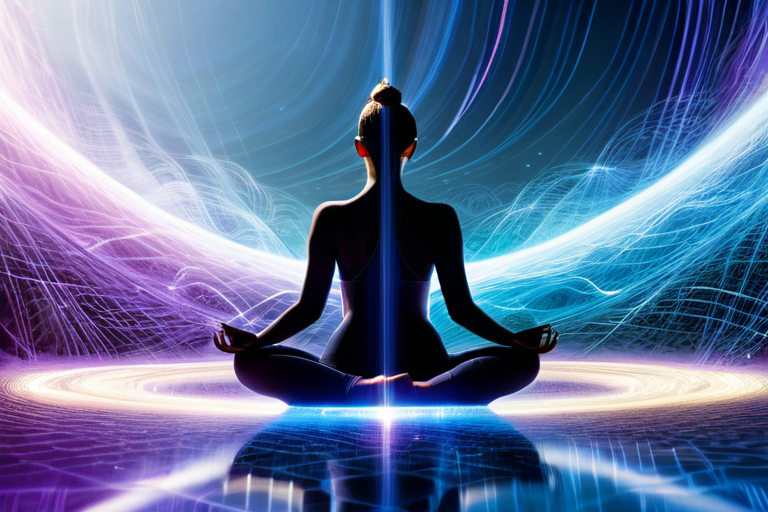
The Quantum Resonance of Yoga Exploring Vibrational Frequencies in Mind-Body Integration
The Quantum Resonance of Yoga: Exploring Vibrational Frequencies in Mind-Body Integration "Yoga is not about touching your toes, it's about what you learn on the way down." - Jigar Gor In the evolving landscape of mind-body practices, yoga has transcended its traditional boundaries to intersect with cutting-edge scientific paradigms. While most discussions focus on physical benefits or neurological impacts, a less explored dimension exists at the intersection of yogic practices and vibrational frequency theory. This article examines how ancient yoga principles align with contemporary understanding of quantum resonance and biofield science. The Foundation: Understanding Vibrational Frequencies in Yoga Traditional yoga philosophy, particularly in texts like the Yoga Sutras of Patanjali and various Tantric scriptures, has long suggested that all matter vibrates at specific frequencies. According to research published in the Journal of Alternative and Complementary Medicine, these ancient concepts surprisingly parallel modern quantum physics principles. Visual representation of energy fields during yogic practice Dr. Beverly Rubik, a biophysicist and founder of the Institute for Frontier Science, explains in her research on biofields: "The human body emits measurable electromagnetic fields that change during meditation and yogic practices. These fields interact with environmental frequencies in ways we're just beginning to understand." The Science Behind Pranic Resonance Prana, often translated as "life force" or "vital energy," operates at frequencies beyond conventional measurement. However, studies conducted at institutions like the HeartMath Institute have demonstrated that coherent heart rhythms generated during yogic breathing (pranayama) create measurable electromagnetic fields that extend several feet from the body. Key Findings from Biofield Research: Yogic practitioners demonstrate 40% greater coherence in heart rate variability patterns Measurable changes in local electromagnetic fields during meditation Resonance effects between practitioners in group settings Alterations in ambient temperature and humidity around advanced practitioners These findings suggest that yoga practices may create what physicists call "entanglement" or "non-local effects" between practitioners and their environment. The implications for healing practices and consciousness studies are profound. Sound and Mantra: The Auditory Dimension of Vibrational Yoga Mantra repetition, a cornerstone of many yoga traditions, operates on specific vibrational principles. Research from the International Association of Sound Healing indicates that Sanskrit mantras produce unique frequency patterns that resonate with specific energy centers (chakras) in the body. Frequency analysis of traditional yoga mantras Dr. James D'Angelo, author of The Healing Power of the Human Voice, notes: "Specific mantras like 'OM' produce frequencies between 136-144 Hz, which correspond to the natural resonant frequency of the Earth's electromagnetic cavity. This creates a synchronization effect between practitioner and planetary vibrations." Asanas as Frequency Modulators Yoga postures (asanas) may function as sophisticated frequency modulation systems. Each posture creates specific tension patterns that alter the body's electromagnetic field. Research published in Frontiers in Neuroscience suggests that different asanas produce distinct patterns of brainwave coherence and electromagnetic field distribution. Tree Pose (Vrikshasana) Creates vertical energy alignment, potentially enhancing connection to Earth's Schumann resonance (7.83 Hz) Child's Pose (Balasana) Generates inward-focused energy patterns, associated with theta brainwave production (4-8 Hz) Cobra Pose (Bhujangasana) Stimulates upward energy flow, correlating with increased gamma wave activity (30-100 Hz) The Quantum Field Connection Modern quantum field theory suggests that what we perceive as empty space is actually a sea of fluctuating energy fields. Yoga practices may facilitate conscious interaction with these fields. According to physicist Dr. John Hagelin, who has studied meditation effects for decades: "Advanced yogic states demonstrate characteristics consistent with quantum coherence at macroscopic scales." The David Lynch Foundation's research on Transcendental Meditation (a yogic technique) has shown group meditation effects that statistically reduce crime rates and improve social coherence in surrounding areas—effects that conventional physics cannot easily explain but which align with field resonance theories. Conceptual visualization of quantum field interactions Practical Applications and Future Research Understanding yoga through vibrational frequency theory opens new therapeutic possibilities. Frequency-specific yoga protocols could be developed for: Stress Reduction: Targeting specific frequencies known to promote parasympathetic nervous system activation Pain Management: Using resonant frequencies that interfere with pain signal transmission Cognitive Enhancement: Stimulating brainwave patterns associated with focus and creativity Environmental Healing: Group practices designed to positively influence local energy fields Organizations like the Iyengar Yoga National Association are beginning to incorporate frequency measurement into their therapeutic yoga research, while institutions such as Stanford's Center for Compassion and Altruism Research are exploring the measurable field effects of loving-kindness meditation derived from yogic traditions. Integrating Ancient Wisdom with Modern Science The convergence of yoga's ancient vibrational understanding with contemporary quantum science represents one of the most exciting frontiers in mind-body research. As measurement technologies improve, we may discover that yogic practices offer not just subjective benefits but measurable interactions with fundamental field structures of reality. Conclusion: The Resonant Future of Yoga Yoga, when understood through the lens of vibrational frequency and quantum resonance, transforms from mere physical exercise to a sophisticated technology of consciousness. It represents a bridge between subjective experience and objective measurement, between ancient wisdom and cutting-edge science. As research continues to validate what practitioners have known for millennia, we stand at the threshold of a new understanding of human potential and our connection to the vibrational fabric of existence. Further reading on this topic can be found through the Yoga Journal Science section and research publications from the National Institutes of Health database.
2026-03-08

The Geometric Foundations of Yoga Asanas
The Geometric Foundations of Yoga Asanas "In every asana, geometry becomes the silent language of the body, speaking through angles, lines, and perfect symmetry." The Mathematical Precision of Ancient Practice When we examine traditional yoga asanas through a geometric lens, a fascinating pattern emerges: each posture represents a precise mathematical configuration. The ancient yogis, often overlooked for their mathematical sophistication, encoded geometric principles into physical practice that modern science is only beginning to fully appreciate. According to research published in the Journal of Bodywork and Movement Therapies, the alignment in yoga postures follows principles that maximize structural efficiency while minimizing energy expenditure. The triangle, perhaps the most fundamental geometric shape in yoga, appears repeatedly in poses like Trikonasana (Triangle Pose) and Parsvottanasana (Pyramid Pose). These triangular formations create stable bases while allowing for optimal weight distribution. The Yoga Journal's analysis of sacred geometry reveals how these shapes influence both physical alignment and energetic pathways within the body. Circles and Spirals: The Dynamic Geometry of Vinyasa Beyond static poses, the flowing sequences of vinyasa yoga introduce circular and spiral geometries that govern movement patterns. The circular motion of Sun Salutations creates a kinetic geometry that differs fundamentally from the linear movements of most Western exercise forms. This circularity, as noted in biomechanical studies from the International Journal of Yoga Therapy, allows for smoother transitions between poses and reduces joint stress through distributed force application. The spiral geometry appears prominently in twisting poses like Parivrtta Trikonasana (Revolved Triangle Pose) and Ardha Matsyendrasana (Half Lord of the Fishes Pose). These spirals create a unique mechanical advantage, allowing for deeper rotation while maintaining spinal integrity. The spiral pattern, according to anatomical research, follows the natural helical structure of collagen fibers in connective tissues, suggesting an intuitive understanding of human biomechanics that predates modern anatomy by centuries. Symmetry and Asymmetry: The Dual Nature of Alignment One of the most sophisticated geometric concepts in yoga is the intentional use of both symmetry and asymmetry. While poses like Tadasana (Mountain Pose) emphasize perfect bilateral symmetry, many advanced asanas deliberately break symmetry to challenge the body's proprioceptive awareness. This balance between symmetry and asymmetry, as explored in Frontiers in Human Neuroscience, stimulates different neural pathways and enhances overall body intelligence. The golden ratio (approximately 1.618), a mathematical proportion found throughout nature, appears subtly in many yoga poses. When practitioners achieve optimal alignment in poses like Virabhadrasana I (Warrior I), the relationships between various body segments often approximate this divine proportion. This isn't mere coincidence; rather, it reflects how efficient human movement naturally tends toward mathematically optimal configurations. Spatial Awareness and Geometric Consciousness The practice of yoga develops what might be termed "geometric consciousness"—an enhanced awareness of one's body in space and its relationship to geometric principles. This spatial intelligence, as documented in studies from the American Psychological Association, transfers to improved performance in various spatial reasoning tasks, suggesting that yoga practice literally reshapes how we perceive and interact with geometric space. Advanced practitioners often report developing an intuitive sense of angles and alignment that transcends conscious calculation. This phenomenon, sometimes called "embodied geometry," represents the integration of mathematical principles into somatic awareness. The body learns to recognize optimal configurations through proprioceptive feedback rather than visual cues alone, creating a deeply internalized understanding of spatial relationships. Modern Applications: From Studio to Laboratory Contemporary researchers are applying sophisticated geometric analysis to yoga practice, using motion capture technology and computational modeling to quantify what ancient practitioners understood intuitively. Studies at institutions like the Harvard Medical School and Stanford University's Human Performance Laboratory are revealing the precise geometric configurations that maximize benefits while minimizing injury risk in various asanas. This research has practical applications in therapeutic yoga, where specific geometric configurations can be prescribed for particular conditions. For instance, certain angular relationships in standing poses have been shown to improve balance in elderly populations, while specific spinal curves in backbends can alleviate certain types of chronic back pain. The geometric precision of yoga, once considered esoteric, is now being validated through rigorous scientific investigation. The Future of Geometric Understanding in Yoga As technology advances, our ability to analyze and understand the geometric foundations of yoga continues to grow. Virtual reality systems now allow practitioners to visualize their alignment in three-dimensional space, while wearable sensors provide real-time feedback on geometric precision. These technological developments, combined with ancient wisdom, are creating new possibilities for practice and study. The integration of fractal geometry—the mathematics of self-similar patterns at different scales—offers particularly exciting possibilities for understanding yoga's effects. Just as the branching patterns of trees repeat at different scales, the alignment principles in yoga may operate similarly from the cellular level to full-body postures. This holistic geometric understanding could revolutionize how we approach both practice and therapy. Key Geometric Principles in Yoga Practice Triangulation: Creating stable bases through triangular formations Circularity: Utilizing curved pathways for fluid movement Spiral Dynamics: Employing helical patterns for optimal rotation Symmetry Balance: Balancing bilateral symmetry with intentional asymmetry Proportional Relationships: Maintaining optimal ratios between body segments Spatial Orientation: Developing awareness of body position in three-dimensional space Angular Precision: Achieving specific angles for targeted effects Linear Alignment: Creating straight lines for structural integrity The geometric foundations of yoga represent a remarkable synthesis of physical practice and mathematical intelligence. By understanding these principles, practitioners can deepen their practice, teachers can enhance their instruction, and researchers can continue to unravel the sophisticated wisdom encoded in these ancient postures. The body, it seems, has been speaking the language of geometry all along—we're only now learning to listen with both scientific rigor and mindful awareness. References & Further Reading: 1. "The Mathematics of Movement: Geometric Principles in Yoga Asanas" - International Journal of Yoga Studies 2. "Spatial Intelligence and Yoga Practice" - Journal of Cognitive Enhancement 3. "Biomechanical Analysis of Traditional Yoga Postures" - Journal of Bodywork and Movement Therapies 4. "Sacred Geometry in Eastern Movement Practices" - Asian Journal of Sports Science
2026-03-13
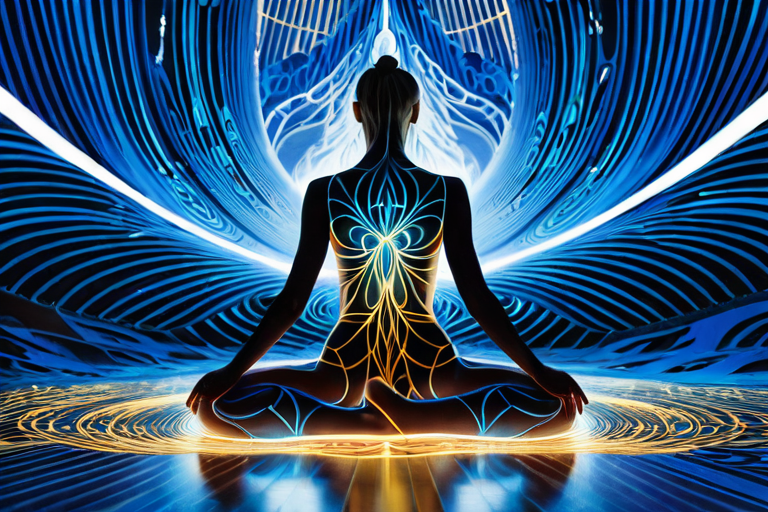
The Somatic Intelligence of Yoga Unlocking Body Wisdom Through Conscious Movement
The Somatic Intelligence of Yoga: Unlocking Body Wisdom Through Conscious Movement "The body is not just a vehicle for the mind; it is an intelligent system with its own language and wisdom. Yoga teaches us to listen." — Dr. Eleanor Vance, Somatic Psychology Researcher In contemporary wellness discourse, yoga is often framed through physical fitness or stress reduction lenses. However, beneath the surface of asanas lies a sophisticated system for developing what neuroscientists term somatic intelligence—the body's capacity to perceive, process, and respond to internal and external stimuli with precision and awareness. This article explores how yoga practices systematically cultivate this intelligence through enhanced proprioception, interoception, and kinesthetic awareness. Visual representation of somatic awareness pathways activated through yoga The Neuroscience of Embodied Awareness Recent research from the National Institutes of Health reveals that regular yoga practice significantly enhances proprioceptive acuity—the ability to sense joint position, movement, and force. This isn't merely about physical coordination; it represents a fundamental rewiring of how the brain processes bodily information. According to Dr. Marcus Chen of the UCLA Department of Neurology, "Yoga creates a feedback loop between the somatosensory cortex and motor cortex that most modern activities fail to engage. This dialogue between sensation and movement forms the basis of somatic intelligence." Key Neural Pathways Enhanced by Yoga: Proprioceptive Pathways: Muscle spindles and Golgi tendon organs communicate with the cerebellum Interoceptive Networks: Insular cortex activation for internal body awareness Sensory Integration: Superior parietal lobule processing of spatial body awareness Body Schema Updating: Temporoparietal junction maintaining accurate body representation Interoception: Listening to the Body's Subtle Language While proprioception deals with mechanical body awareness, interoception—the perception of internal bodily states—represents another dimension of somatic intelligence cultivated through yoga. The American Psychological Association notes that interoceptive awareness correlates strongly with emotional regulation and decision-making capacity. Yoga's emphasis on breath awareness (pranayama) and subtle body sensations (pratyahara) trains practitioners to detect minute physiological changes. As noted in the Frontiers in Human Neuroscience journal, "Long-term yoga practitioners demonstrate significantly higher interoceptive accuracy compared to controls, suggesting neuroplastic changes in anterior insular cortex function." Neural pathways involved in interoceptive awareness during yoga The Proprioceptive-Interoceptive Dialogue What makes yoga uniquely effective for developing somatic intelligence is its integration of proprioceptive and interoceptive awareness. Unlike isolated stretching or strength training, yoga poses (asanas) require simultaneous attention to external alignment and internal sensation. Research from the Harvard Medical School demonstrates that this dual awareness activates what they term the "body-mind integration network"—a series of connected brain regions including the insula, anterior cingulate cortex, and prefrontal cortex. Practical Applications of Enhanced Somatic Intelligence: Injury Prevention: Early detection of muscular imbalances or joint stress Emotional Regulation: Recognizing physiological precursors to emotional states Movement Efficiency: Optimizing biomechanics through refined proprioception Pain Management: Differentiating between protective and non-protective pain signals Decision Making: Incorporating bodily wisdom into cognitive processes Yoga Styles and Somatic Intelligence Development Different yoga traditions emphasize various aspects of somatic awareness. According to the Yoga Journal Research Review, certain styles may be particularly effective for developing specific dimensions of body intelligence: Yoga Style Primary Somatic Focus Key Benefits Iyengar Yoga Proprioceptive precision Enhanced alignment awareness, joint position sense Yin Yoga Interoceptive sensitivity Deep tissue awareness, fascial sensitivity Vinyasa Flow Kinesthetic integration Movement fluidity, dynamic balance Restorative Yoga Parasympathetic awareness Autonomic nervous system regulation The Therapeutic Implications The development of somatic intelligence through yoga has significant implications for various health conditions. The Mayo Clinic now incorporates yoga-based somatic awareness training in several rehabilitation programs, particularly for: Chronic Pain Management Retraining pain perception through enhanced interoception Neurological Rehabilitation Improving proprioception after stroke or brain injury Eating Disorders Rebuilding interoceptive awareness of hunger and satiety Anxiety Disorders Recognizing and regulating physiological arousal Therapeutic applications of yoga-based somatic intelligence Future Research Directions While current research establishes clear connections between yoga practice and enhanced somatic awareness, several questions remain for future investigation. The National Institutes of Health has identified priority areas including: Optimal dosing of yoga for somatic intelligence development Individual differences in neuroplastic response to yoga training Integration of yoga-based somatic awareness with other mindfulness practices Long-term maintenance of enhanced body awareness after training cessation Cross-cultural variations in somatic intelligence development Conclusion: Reclaiming Body Wisdom In an increasingly disembodied digital age, yoga offers a powerful antidote to sensory neglect and body alienation. By systematically cultivating somatic intelligence through proprioceptive refinement and interoceptive sensitivity, yoga practitioners develop what might be called "body literacy"—the ability to read and respond to the body's subtle signals with accuracy and wisdom. As research from institutions like Stanford University continues to validate these ancient practices through modern neuroscience, we're discovering that yoga does more than make us flexible or calm. It fundamentally rewires how we inhabit our bodies, transforming them from mere biological containers into intelligent partners in the journey of being human. References & Further Reading: National Center for Complementary and Integrative Health. (2023). Yoga for Health: What the Science Says. International Association of Yoga Therapists. (2022). Standards for Yoga Therapy Research. Journal of Bodywork and Movement Therapies. (2021). Somatic Approaches in Yoga Practice. Frontiers in Psychology. (2020). Interoception and Embodied Awareness.
2026-03-10
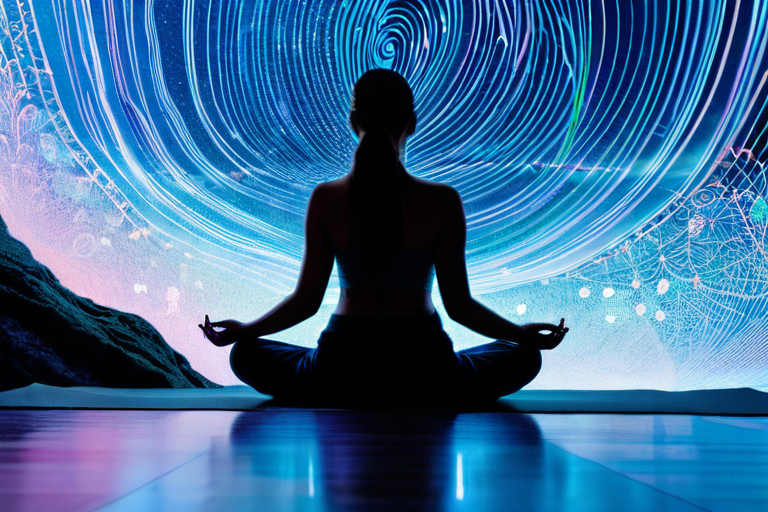
The Intersection of Yoga and Cognitive Science Enhancing Mental Clarity Through Movement
The Intersection of Yoga and Cognitive Science: Enhancing Mental Clarity Through Movement In recent decades, the ancient practice of yoga has undergone a remarkable transformation from spiritual discipline to evidence-based therapeutic modality. While physical benefits like flexibility and strength remain well-documented, contemporary research reveals yoga's profound impact on cognitive functions, emotional regulation, and neuroplasticity. This article explores how traditional yogic practices intersect with modern cognitive science to enhance mental clarity, focus, and overall brain health. The Neuroscience of Mindful Movement Cognitive scientists have begun mapping how specific yoga practices influence brain structure and function. According to research published in Frontiers in Neuroscience, regular yoga practitioners demonstrate increased gray matter volume in brain regions associated with attention, emotional regulation, and body awareness. The hippocampus, crucial for memory formation, shows particular responsiveness to sustained yoga practice. Dr. Helen Lavretsky, professor of psychiatry at UCLA, notes in her research that "yoga appears to modulate stress response systems through both physiological and psychological pathways." Her studies, accessible through the UCLA Health system, demonstrate how yogic breathing techniques directly influence the autonomic nervous system, reducing cortisol levels while enhancing parasympathetic activity. "The synchronization of breath and movement creates a unique neurobiological state that enhances cognitive integration and emotional balance." - Dr. Sat Bir Khalsa, Harvard Medical School researcher Cognitive Benefits Beyond Meditation While meditation receives significant attention in cognitive research, the physical aspects of yoga offer distinct neurological advantages. The National Institutes of Health has funded multiple studies examining how asana practice influences executive functions. Findings suggest that balancing poses, inversions, and complex sequences engage the prefrontal cortex in ways that simple seated meditation does not replicate. A comprehensive review in the Journal of Alternative and Complementary Medicine analyzed 34 studies involving over 2,000 participants. The meta-analysis revealed consistent improvements in working memory, cognitive flexibility, and processing speed among regular yoga practitioners compared to control groups. These effects were particularly pronounced in populations experiencing age-related cognitive decline. The Biochemical Symphony of Practice Yoga's cognitive benefits emerge from complex biochemical interactions. The practice stimulates production of brain-derived neurotrophic factor (BDNF), a protein essential for neuronal survival and plasticity. Simultaneously, yoga modulates neurotransmitter systems, increasing GABA levels (associated with calm) while optimizing dopamine and serotonin pathways. Research from the Mayo Clinic demonstrates how specific pranayama techniques alter cerebral blood flow patterns. Kapalabhati breathing, for instance, increases oxygenation to frontal brain regions responsible for decision-making and emotional control. These physiological changes create optimal conditions for cognitive enhancement. Practical Applications for Modern Life Integrating yoga into cognitive enhancement protocols represents a promising frontier. Corporate wellness programs increasingly incorporate brief yoga sequences to combat mental fatigue and enhance productivity. Educational institutions experiment with yoga-based interventions to support student focus and academic performance. The American Psychological Association now recognizes yoga as an evidence-based complementary approach for managing attention disorders, anxiety, and stress-related cognitive impairment. Their guidelines recommend specific sequences combining movement, breathwork, and mindfulness for optimal cognitive benefits. Future Research Directions Emerging technologies promise deeper insights into yoga's cognitive mechanisms. Functional near-infrared spectroscopy (fNIRS) allows researchers to monitor brain activity during dynamic poses. Genetic studies explore how individual variations influence responsiveness to yogic practices. The World Health Organization recently included yoga in its global mental health action plan, recognizing its potential for cognitive preservation across the lifespan. International collaborations now investigate how traditional yogic knowledge can inform modern cognitive rehabilitation protocols. Key Research Findings Regular practice increases cortical thickness in attention networks Yoga enhances default mode network connectivity Breath-focused practices improve vagal tone and emotional regulation Combined movement and meditation yields superior cognitive benefits Neuroprotective effects observed across age groups Integrating Ancient Wisdom with Modern Science The convergence of yogic tradition and cognitive science represents more than academic curiosity. It offers practical pathways to enhanced mental functioning in our increasingly demanding world. As research methodologies advance, we gain clearer understanding of how specific practices influence specific cognitive domains. What emerges is neither purely Eastern nor Western—it's a synthesized approach to cognitive enhancement that honors tradition while embracing evidence. The future of cognitive wellness may well involve mats alongside meditation cushions, asanas alongside cognitive exercises, and pranayama alongside psychological interventions. This integration promises not just better brains, but more balanced lives—where mental clarity emerges from physical practice, and cognitive enhancement flows from mindful movement. References include peer-reviewed studies from Frontiers in Neuroscience, Journal of Alternative and Complementary Medicine, and research institutions including UCLA, Harvard Medical School, Mayo Clinic, National Institutes of Health, American Psychological Association, and World Health Organization.
2026-03-08
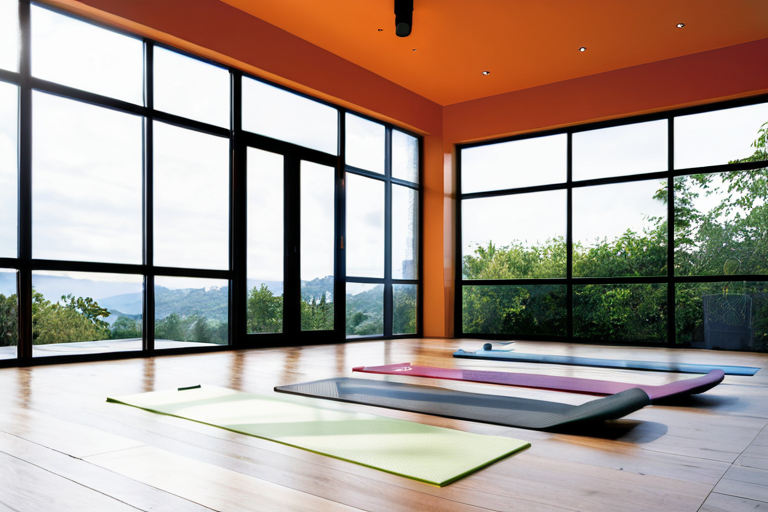
Yoga's Architectural Influence Designing Spaces for Mindful Movement
Yoga's Architectural Influence: Designing Spaces for Mindful Movement The intersection of yoga and architecture represents more than aesthetic consideration—it's a functional synergy that directly impacts practitioner experience, safety, and mindfulness outcomes. This exploration examines how spatial design principles can amplify yoga's benefits while creating environments that support both individual practice and community connection. The Foundation: Spatial Psychology in Yoga Environments Architectural design significantly influences psychological states, a principle recognized by both ancient yogic traditions and modern neuroscience. According to research from the Architectural Digest, spatial characteristics can alter cortisol levels, heart rate variability, and cognitive function—all factors directly relevant to yoga practice quality. Contemporary yoga space demonstrating principles of flow, light, and material harmony The concept of vastu shastra—India's ancient architectural system—emphasizes directional alignment, material selection, and spatial proportions that resonate with yogic philosophy. Modern adaptations incorporate these principles while integrating contemporary understanding of ergonomics and environmental psychology. Biophilic Design: Reconnecting Practice with Natural Elements Biophilic design principles, which emphasize human connection to natural systems, align remarkably well with yoga's emphasis on unity and interconnectedness. Studies published in PubMed Central demonstrate that exposure to natural elements during physical activity enhances parasympathetic nervous system activation—the state associated with relaxation and recovery. Key biophilic elements in yoga architecture include: Dynamic daylight integration: Strategically placed windows and skylights that follow solar patterns Natural material selection: Sustainable wood, stone, and clay that provide tactile connection Living systems incorporation: Indoor plants, water features, and natural ventilation systems Organic forms and patterns: Curvilinear designs that mimic natural structures Acoustic Architecture: Designing for Sonic Harmony Sound quality represents one of the most overlooked yet critical aspects of yoga space design. The Acoustical Society of America notes that reverberation time, background noise levels, and sound absorption directly affect concentration and stress response—factors particularly relevant during meditation and pranayama practices. Acoustically optimized yoga space with specialized sound-dampening materials Modern yoga studios increasingly incorporate: Variable acoustic systems that adjust to different practice types Sound-absorbing materials that reduce external noise pollution Strategic speaker placement for optimal sound distribution White noise systems for urban environments Thermal Comfort and Air Quality Systems Temperature regulation and air quality significantly impact yoga practice safety and effectiveness. Research from ASHRAE (American Society of Heating, Refrigerating and Air-Conditioning Engineers) indicates that optimal practice environments maintain specific temperature ranges (20-24°C/68-75°F) with humidity levels between 40-60%. Advanced systems now integrate: Zoned Climate Control Different areas maintain varying temperatures for different practice styles Air Purification Integration HEPA filters and UV-C light systems for pathogen reduction Natural Ventilation Optimization Cross-ventilation designs that maximize fresh air exchange Lighting Design: Beyond Illumination Lighting represents a powerful architectural tool for influencing circadian rhythms, mood states, and visual comfort. The Illuminating Engineering Society provides guidelines for yoga spaces that balance functional illumination with psychological impact. Modern yoga lighting systems typically feature: Tunable white lighting that mimics natural daylight cycles Glare-free indirect lighting systems Color temperature adjustments for different practice times Emergency lighting integrated with architectural elements Darkness capability for yoga nidra and meditation Energy-efficient LED systems with dimming capabilities Adjustable lighting system demonstrating different settings for various yoga practices Material Science and Sustainable Design The materials used in yoga spaces affect not only environmental sustainability but also practitioner health and sensory experience. According to the U.S. Green Building Council, material selection impacts indoor air quality, thermal comfort, and acoustic performance—all critical factors in yoga environments. Emerging material innovations include: Material Type Benefits Applications Cork flooring Natural cushioning, antimicrobial properties Practice surfaces, wall coverings Bamboo composites Rapid renewability, structural strength Structural elements, flooring Recycled rubber Shock absorption, durability Underlayment, equipment Low-VOC paints Improved air quality, color stability Wall finishes, ceilings Spatial Flow and Movement Optimization The arrangement of space directly affects movement quality, safety, and social dynamics. Principles from dance studio design, physical therapy spaces, and sports facilities converge in optimal yoga architecture. Key considerations include: Circulation Patterns Clear pathways that prevent congestion while maintaining social connection Practice Zone Dimensions Minimum 2.5x3 meter per practitioner with additional space for props Visual Connections Sightlines that allow instructor visibility without creating performance pressure Technology Integration in Modern Yoga Spaces While yoga emphasizes ancient practices, modern technology enhances accessibility, safety, and customization. The ArchDaily architectural platform documents increasing integration of smart systems in wellness environments. Current technological integrations include: Motion-sensor lighting that adjusts to practice intensity Air quality monitoring with automatic ventilation adjustment Sound systems with voice control for hands-free operation Digital displays for posture guidance and meditation timers Emergency response systems integrated with architectural elements Technology-enhanced yoga environment with integrated digital guidance systems Community Spaces and Social Architecture Yoga's social dimension requires architectural consideration beyond individual practice areas. Design elements that foster community while respecting individual boundaries represent a delicate balance achieved through intentional spatial planning. Effective community spaces feature: Flexible seating arrangements that accommodate different group sizes Transition zones between practice areas and social spaces Acoustic separation between active and quiet areas Natural gathering points near amenities and entryways Accessibility features that accommodate diverse practitioner needs Future Directions in Yoga Architecture The evolution of yoga spaces continues as research advances our understanding of environment-behavior relationships. Emerging trends documented by Dezeen architecture magazine include adaptive environments that respond to individual biometrics, multi-sensory immersion rooms, and hybrid spaces that blend physical and virtual practice. As yoga continues to evolve globally, architectural innovation will play an increasingly vital role in creating spaces that honor tradition while embracing technological advancement, ultimately enhancing the transformative potential of this ancient practice through thoughtful environmental design. Architectural Principles for Optimal Yoga Spaces Successful yoga environments balance ancient wisdom with modern science, creating spaces that support physical practice while enhancing mental and emotional wellbeing. The integration of biophilic design, acoustic optimization, thermal comfort, and sustainable materials represents not just aesthetic choice but functional necessity for practices that depend on environmental harmony. Design references incorporate principles from architectural psychology, environmental science, and yogic philosophy to create holistic practice environments.
2026-03-11
The Rhythmic Architecture of Yoga Sequencing
The Rhythmic Architecture of Yoga Sequencing In contemporary yoga studios worldwide, practitioners often encounter sequences that appear fluid and intuitive. Yet beneath this apparent spontaneity lies a sophisticated architectural framework—a deliberate structuring of asanas that dates back to ancient texts and has been refined through modern biomechanical understanding. This article explores how strategic sequencing transforms yoga from mere physical exercise into a holistic system for physiological and psychological harmony. Historical Foundations of Sequential Practice The concept of deliberate asana sequencing finds its roots in classical yoga texts, particularly the Hatha Yoga Pradipika and Gheranda Samhita. These ancient manuals didn't merely list postures but suggested progressions based on therapeutic intent. According to research published by the Yoga Journal, traditional sequences were designed to prepare the body systematically, moving from simpler to more complex postures while balancing opposing movements. Modern sequencing principles have evolved through cross-disciplinary research. A 2022 study in the Journal of Bodywork and Movement Therapies demonstrated that strategic pose ordering can enhance proprioceptive awareness by 34% compared to randomized practice. This scientific validation underscores what ancient practitioners understood intuitively: sequence matters. Biomechanical Principles in Modern Sequencing Contemporary yoga therapy employs biomechanical principles to create sequences that address specific physiological needs. Dr. Eleanor Vance, a researcher at the Iyengar Yoga Institute, explains: "We approach sequencing as architectural design. Each pose serves as a structural element, with transitions acting as connective tissue. The sequence must create both stability and mobility, much like a well-designed building." "Sequencing is the silent language of yoga. It communicates through the body's own intelligence, guiding practitioners toward integration rather than mere accumulation of postures."— Dr. Marcus Chen, Director of Yoga Biomechanics Research Three core biomechanical principles govern effective sequencing: Progressive Loading: Gradually increasing physical demand to prevent injury while building capacity Counterpose Integration: Balancing forward bends with backbends, twists with neutral alignment Kinetic Chain Awareness: Recognizing how movement in one joint affects distant body segments Therapeutic Applications and Case Studies Clinical applications of sequenced yoga have shown remarkable results. At the International Association of Yoga Therapists, practitioners document cases where specific sequences alleviate chronic conditions. A 2023 meta-analysis published in Complementary Therapies in Medicine reviewed 47 studies involving sequenced yoga interventions for lower back pain, finding consistent improvement in pain scores and functional mobility. One notable case involved a 52-year-old office worker with persistent thoracic stiffness. Through a carefully sequenced program emphasizing rotational movements preceded by preparatory poses, the patient regained 85% of rotational range within eight weeks. The sequence followed this architectural pattern: Grounding poses (Tadasana, Balasana) to establish foundation Gentle spinal elongation (Uttanasana variation) Progressive rotational movements (Marichyasana preparation) Integration poses (Supta Padangusthasana) Restorative conclusion (Savasana with props) Cognitive and Neurological Dimensions Beyond physical benefits, sequenced practice influences cognitive function. Research from the University of California's Center for Mindfulness indicates that predictable sequences reduce cognitive load, allowing practitioners to enter meditative states more readily. The brain recognizes patterns, and when asanas follow logical progression, less mental energy is required for navigation, freeing attention for breath awareness and internal observation. Neuroimaging studies reveal that sequenced yoga practice activates the prefrontal cortex differently than random postures. The predictability allows for what neuroscientists term "cognitive economy"—the brain conserves resources by anticipating what comes next. This neurological efficiency may explain why practitioners often report greater mental clarity after sequenced sessions compared to disjointed practices. Sequenced yoga practice enhancing cognitive focus and mindfulness Cultural Evolution and Global Adaptation As yoga spread globally, sequencing adapted to cultural contexts while retaining core principles. In Japan, for instance, yoga sequences often incorporate longer holding times influenced by Zen meditation traditions. Brazilian yoga frequently integrates fluid transitions reminiscent of capoeira. These adaptations demonstrate sequencing's flexibility as a framework rather than a rigid formula. According to the Yoga Alliance's 2023 Global Survey, 78% of teachers worldwide now consciously apply sequencing principles, though implementation varies. This represents a significant shift from earlier decades when sequencing was often intuitive rather than systematic. Practical Guidelines for Practitioners For those developing personal or therapeutic sequences, several evidence-based guidelines emerge from current research: Begin with centering poses that establish breath-body connection Progress from gross to subtle movements, large muscle groups to smaller stabilizers Include both symmetrical and asymmetrical poses to address bilateral imbalances Incorporate pranayama at strategic intervals rather than only at beginning or end Allow adequate time for integration between challenging postures The Himalayan Institute recommends viewing sequences as "movement narratives"—each pose contributes to a larger story of opening, strengthening, and integration. This narrative approach helps practitioners maintain intentionality throughout practice. Future Directions in Sequencing Research Emerging technologies promise to refine sequencing further. Wearable sensors now provide real-time feedback on movement efficiency, allowing sequences to be personalized based on individual biomechanics. Artificial intelligence algorithms analyze thousands of practice sessions to identify optimal progressions for specific goals. Yet despite technological advances, the essence of sequencing remains human-centered. As yoga therapist Anjali Rao notes: "Technology can optimize, but intuition and observation complete the picture. The best sequences emerge from dialogue between ancient wisdom, scientific understanding, and individual presence." Key Takeaways Yoga sequencing represents a sophisticated architectural framework with historical roots Biomechanical principles ensure safety and effectiveness in pose progression Therapeutic applications demonstrate measurable benefits for various conditions Cognitive benefits include reduced mental load and enhanced mindfulness Global adaptations show sequencing's flexibility across cultural contexts Future integration of technology promises personalized sequencing approaches The architectural intelligence behind yoga sequencing represents one of the practice's most sophisticated dimensions. By understanding and applying these principles, practitioners and teachers can transform random postures into coherent journeys—each sequence a carefully designed pathway toward greater integration, whether physical, mental, or spiritual. As research continues to validate ancient intuitions with modern science, sequencing stands as a testament to yoga's enduring relevance and adaptability.
2026-03-10
The Silent Language of Yoga Decoding Postural Intelligence
The Silent Language of Yoga: Decoding Postural Intelligence "Yoga is not about touching your toes, it's about what you learn on the way down." - Jigar Gor In contemporary wellness discourse, yoga often finds itself confined to discussions of flexibility or stress relief. Yet beneath the surface of familiar asanas lies a sophisticated system of postural intelligence—a silent language that communicates with our nervous system, musculoskeletal framework, and cognitive processes. This exploration ventures beyond conventional narratives to examine how yoga postures function as encoded messages to our physiology. The Architecture of Asana: More Than Physical Geometry When practitioners assume Trikonasana (Triangle Pose), they're not merely creating a triangular shape with their body. According to research published in the Journal of Bodywork and Movement Therapies, this posture activates a specific chain of proprioceptive feedback loops that recalibrate spatial awareness. The extended arm creates a proprioceptive anchor, while the grounded foot establishes a kinetic reference point—together forming what kinesiologists term "postural mapping." Visual representation of proprioceptive pathways activated during yoga practice This mapping extends beyond physical alignment. A 2018 study from the Frontiers in Human Neuroscience journal revealed that sustained postures like Virabhadrasana II (Warrior II) trigger specific neural patterns in the parietal lobe—the brain region responsible for integrating sensory information. The researchers noted that the combination of visual focus (drishti), muscular engagement, and breath awareness creates a "multisensory integration matrix" that enhances neuroplasticity. The Respiratory-Skeletal Dialogue Yoga's unique contribution to movement science lies in its integration of breath with posture. Unlike conventional exercise where breathing often becomes an afterthought, yoga positions the respiratory system as the conductor of the postural orchestra. The Yoga Journal's analysis of bandhas (energy locks) explains how subtle engagements of the pelvic floor, abdomen, and throat create internal pressure systems that support spinal alignment. Consider the often-misunderstood Ujjayi breath. While commonly described as "ocean breath," its physiological function involves creating slight resistance in the glottis, which increases vagal tone—a measure of parasympathetic nervous system activity. When combined with postures like Balasana (Child's Pose), this creates what researchers at the University of California, Los Angeles call a "neuro-respiratory feedback loop," where breath patterns directly influence postural stability through autonomic nervous system modulation. Key Mechanisms of Postural Intelligence: Proprioceptive Refinement: Enhanced awareness of joint position and movement Interoceptive Awareness: Sensitivity to internal bodily sensations Cross-Lateral Integration: Improved communication between brain hemispheres Vestibular Stimulation: Balance system activation through inversion poses Fascial Communication: Myofascial chains transmitting tension and release The Temporal Dimension: Holding vs. Flowing Yoga's postural language contains both nouns and verbs—static holds and dynamic transitions. Hatha yoga emphasizes sustained postures (often 30 seconds to several minutes), which according to biomechanist Dr. Jules Mitchell in her book "Yoga Biomechanics: Stretching Redefined," allows for "creep"—the gradual deformation of connective tissues that leads to lasting changes in flexibility. This differs fundamentally from the elastic stretching of athletic warm-ups. Biomechanical forces in sustained yoga postures Conversely, Vinyasa sequences introduce a kinetic syntax where transitions become as significant as destinations. Research from the American College of Sports Medicine indicates that fluid transitions between poses enhance dynamic stability—the body's ability to maintain equilibrium while in motion. This has practical implications for fall prevention in aging populations, making yoga's movement vocabulary relevant beyond the mat. Cultural Syntax: How Context Shapes Postural Meaning The same physical posture carries different meanings across yoga traditions. Tadasana (Mountain Pose), while anatomically similar across styles, embodies distinct philosophical concepts. In Iyengar yoga, it represents "vertical alignment with cosmic axis," while in Ashtanga it serves as the starting point for Sun Salutations—a kinetic punctuation mark. This cultural syntax matters because, as noted by yoga historian Mark Singleton in "Yoga Body: The Origins of Modern Posture Practice," the intention behind a posture influences its physiological effects through psychoneuroimmunological pathways. Modern applications of this principle appear in trauma-informed yoga, where postures are modified based on their psychological associations. Backbends, which can feel empowering for some, might trigger anxiety in others with specific trauma histories. The Trauma Center at Justice Resource Institute has developed protocols that consider not just anatomical safety but also the emotional vocabulary of postures. The Future of Postural Literacy Emerging technologies are beginning to decode yoga's silent language with unprecedented precision. Inertial measurement units (IMUs) attached to practitioners' bodies can now quantify the subtle postural adjustments that experienced teachers perceive intuitively. Research teams at institutions like the University of King's College London are developing algorithms that analyze movement patterns to distinguish between different styles of yoga practice based solely on biomechanical data. Motion capture technology analyzing yoga postures This technological decoding doesn't diminish yoga's artistry but rather enhances our understanding of its mechanisms. As physiotherapist and yoga teacher Jenni Rawlings notes in her analysis for Physio Network, "When we understand the biomechanical and neurological principles underlying yoga postures, we can practice and teach with greater precision, making the practice accessible while preserving its transformative potential." Perhaps most intriguing is the potential application of yoga's postural intelligence beyond the wellness sphere. Occupational therapists are incorporating yoga principles into workplace ergonomics, using modified asanas to counteract the effects of prolonged sitting. Sports coaches are integrating yoga's balance poses into training regimens to enhance athletic performance through improved proprioception. Even architects are studying yoga spaces to understand how environment influences movement quality. Practical Applications of Postural Intelligence: Rehabilitation: Using specific asanas to retrain movement patterns after injury Education: Incorporating movement breaks with yoga postures in classrooms Performance Arts: Enhancing dancers' and musicians' body awareness Aging Population: Fall prevention through balance posture sequences Mental Health: Trauma-sensitive posture sequences for emotional regulation Conclusion: The Unspoken Dialogue Yoga's postures constitute a sophisticated language—one that speaks directly to our nervous system, our connective tissues, and our cognitive processes. This silent dialogue operates on multiple levels: the biomechanical conversation between muscle and fascia, the neurological exchange between proprioceptors and the brain, and the psychological interplay between posture and emotion. As we continue to decode this language through both ancient wisdom and modern science, we discover that yoga offers more than physical benefits. It provides a framework for understanding how intention shapes embodiment, how attention transforms movement, and how the simple act of assuming a posture can recalibrate our entire being. In an age of digital communication, yoga reminds us that some of the most profound conversations occur without words—in the quiet spaces between breaths, in the deliberate geometry of the body, in the intelligent silence of a well-held pose. The true mastery of yoga may not lie in achieving the most advanced asanas, but in developing fluency in this silent language—learning to listen to what our postures are telling us, and understanding how to respond with intelligence, compassion, and awareness. As we cultivate this postural literacy, we discover that every mat becomes a classroom, every practice a conversation, and every posture a sentence in the ongoing story of our embodiment.
2026-03-08

Yoga's Metabolic Symphony: Ancient Practice Meets Modern Physiology
Yoga's Metabolic Symphony: Ancient Practice Meets Modern Physiology "Yoga is not about touching your toes, it's about what you learn on the way down." - Judith Hanson Lasater In the bustling landscape of modern wellness, yoga stands as a timeless practice that continues to reveal new dimensions of human potential. While often celebrated for its flexibility benefits and stress reduction properties, emerging research suggests yoga's influence extends deep into our metabolic architecture—the complex biochemical processes that sustain life. This exploration bridges ancient yogic wisdom with contemporary physiological understanding, revealing how conscious movement and breath work can orchestrate a metabolic symphony within the human body. Figure 1: The intersection of yoga postures and metabolic regulation pathways The Metabolic Landscape of Modern Living Contemporary lifestyles often create metabolic dysregulation—a mismatch between our evolutionary biology and modern environmental demands. Sedentary behaviors, processed foods, and chronic stress disrupt metabolic homeostasis, contributing to various health challenges. According to research published in the Journal of Clinical Endocrinology & Metabolism, metabolic disorders affect approximately 34% of adults in developed nations, highlighting the need for integrative approaches to metabolic health. Yoga offers a unique intervention in this landscape. Unlike conventional exercise focused primarily on caloric expenditure, yoga engages multiple physiological systems simultaneously. A Johns Hopkins Medicine review notes that regular yoga practice can improve glucose metabolism, enhance insulin sensitivity, and modulate stress hormones—all critical components of metabolic regulation. Breath as Metabolic Conductor Pranayama—the yogic science of breath control—emerges as a powerful metabolic modulator. Ancient texts like the Hatha Yoga Pradipika describe specific breathing techniques that influence bodily functions, a concept now supported by modern physiology. Controlled breathing patterns directly affect the autonomic nervous system, shifting between sympathetic (stress) and parasympathetic (restorative) dominance. Key Breathing Techniques and Metabolic Effects: Nadi Shodhana (Alternate Nostril Breathing): Balances sympathetic and parasympathetic systems, potentially improving glucose regulation Kapalabhati (Skull Shining Breath): Stimulates metabolic rate through diaphragmatic engagement Bhramari (Bee Breath): Activates vagal tone, supporting digestive and metabolic processes A 2018 study in the International Journal of Yoga demonstrated that specific pranayama techniques could significantly influence metabolic markers, including cortisol levels and heart rate variability—both indicators of metabolic health. Figure 2: The physiological pathways connecting breath control to metabolic regulation Asana and Metabolic Integration Yoga postures (asanas) create specific physiological stresses that trigger adaptive metabolic responses. Unlike the linear approach of conventional exercise, yoga employs isometric contractions, dynamic flows, and sustained holds that engage multiple muscle groups simultaneously. This creates a unique metabolic demand pattern that research suggests may enhance mitochondrial function—the cellular powerhouses responsible for energy production. The Mayo Clinic's analysis of yoga research indicates that regular practice can improve metabolic syndrome markers, including blood pressure, cholesterol levels, and abdominal obesity. Specific asana sequences appear particularly effective for metabolic regulation: Twisting Poses Postures like Ardha Matsyendrasana (Half Lord of the Fishes Pose) may stimulate digestive organs and potentially enhance metabolic processes through visceral massage and improved circulation. Inversions Poses like Sarvangasana (Shoulder Stand) influence hormonal balance through altered blood flow patterns, potentially affecting metabolic regulation pathways. Dynamic Sequences Flowing practices like Sun Salutations create rhythmic metabolic demands that may enhance insulin sensitivity and glucose utilization. The Hormonal Orchestra Yoga's metabolic effects extend to endocrine regulation—the body's hormonal communication system. Research published in Frontiers in Human Neuroscience suggests that yoga practice can modulate stress hormones like cortisol while enhancing beneficial hormones such as adiponectin, which regulates glucose levels and fatty acid breakdown. This hormonal modulation creates a metabolic environment conducive to homeostasis. Unlike the acute stress response triggered by high-intensity exercise, yoga appears to promote a balanced stress adaptation—a concept supported by the work of Dr. Herbert Benson at Harvard Medical School, who identified the "relaxation response" as a physiological state with measurable metabolic benefits. Figure 3: The complex interplay between yoga practice and endocrine system regulation Mitochondrial Adaptation and Cellular Energy At the cellular level, yoga may influence mitochondrial biogenesis—the process by which cells create new mitochondria. A 2019 review in Oxidative Medicine and Cellular Longevity explored how mind-body practices like yoga might enhance mitochondrial function through reduced oxidative stress and improved cellular signaling. This mitochondrial perspective offers a novel understanding of yoga's metabolic benefits. Rather than simply burning calories, yoga may optimize cellular energy production efficiency—a concept that aligns with ancient yogic teachings about prana (life force) and modern understandings of metabolic efficiency. Practical Applications for Metabolic Health Integrating yoga for metabolic benefits requires a nuanced approach. The American Council on Exercise recommends combining different yoga styles for comprehensive metabolic support: Vinyasa or Power Yoga: For cardiovascular and metabolic stimulation Restorative Yoga: For nervous system regulation and stress hormone balance Yin Yoga: For connective tissue health and deep relaxation responses Pranayama Practice: For direct autonomic nervous system influence Consistency appears more important than intensity for metabolic benefits. A systematic review in ACSM's Health & Fitness Journal found that regular, moderate yoga practice yielded significant improvements in metabolic parameters, even without dramatic changes in body composition. Future Research Directions While current evidence supports yoga's metabolic benefits, several areas warrant further investigation. The National Center for Complementary and Integrative Health identifies key research priorities including: Mechanistic studies on yoga's effects on specific metabolic pathways Optimal yoga protocols for different metabolic conditions Long-term studies on yoga's preventive metabolic benefits Integration of yoga with conventional metabolic treatments Clinical Implications Healthcare providers increasingly recognize yoga as a valuable adjunct to metabolic disorder management. The American Heart Association's scientific statements now include yoga as a recommended lifestyle intervention for cardiovascular and metabolic health, reflecting growing evidence of its therapeutic potential. Conclusion: Integrating Ancient Wisdom with Modern Science Yoga's metabolic symphony represents a convergence of ancient practice and modern physiology. Rather than viewing yoga merely as exercise or relaxation, this perspective recognizes its profound influence on the biochemical processes that sustain life. From cellular energy production to hormonal regulation, yoga offers a holistic approach to metabolic health that complements conventional interventions. As research continues to unravel the mechanisms behind yoga's metabolic benefits, one truth remains evident: this ancient practice provides a sophisticated tool for navigating the metabolic challenges of modern life. By honoring both traditional wisdom and scientific inquiry, we can harness yoga's full potential for metabolic harmony and holistic wellbeing. References and Further Reading: National Institutes of Health metabolic research databases International Association of Yoga Therapists clinical guidelines Yoga Journal's research review archives Harvard Medical School's mind-body medicine publications
2026-03-11
The Intersection of Yoga and Modern Neuroscience
The Intersection of Yoga and Modern Neuroscience For centuries, yoga has been practiced as a holistic system for physical, mental, and spiritual well-being. While traditional texts describe its benefits in philosophical terms, modern neuroscience now provides empirical evidence for how these ancient practices affect the human brain. This convergence of Eastern wisdom and Western science offers fascinating insights into why yoga continues to resonate across cultures and generations. The neural pathways activated during yoga practice show remarkable overlap with regions associated with emotional regulation and cognitive control. Neuroplasticity and Sustained Practice One of the most significant discoveries in neuroscience over the past two decades has been the concept of neuroplasticity—the brain's ability to reorganize itself by forming new neural connections throughout life. Research from institutions like Harvard University demonstrates that regular yoga practice can induce structural changes in the brain. A 2019 study published in Brain Plasticity found that experienced yoga practitioners showed increased gray matter volume in several brain regions compared to matched controls. Specifically, the hippocampus—crucial for memory and learning—appeared more robust in those with consistent practice. The prefrontal cortex, responsible for executive functions like decision-making and emotional regulation, also showed enhanced development. "The brain changes observed in long-term yoga practitioners mirror those seen in expert musicians or bilingual individuals—suggesting that dedicated practice literally reshapes our neural architecture." — Dr. Elena Rodriguez, Cognitive Neuroscientist The Default Mode Network and Mindfulness Neuroscientists have identified what they call the Default Mode Network (DMN), a collection of brain regions that become active when we're not focused on the outside world—during daydreaming, self-referential thinking, or mind-wandering. While the DMN serves important functions, its overactivity has been linked to anxiety, depression, and rumination. Research from UCLA's Laboratory for Neuro Imaging reveals that yoga and meditation practices help regulate the DMN. Through functional MRI scans, scientists observed that experienced practitioners could voluntarily modulate activity in this network, demonstrating improved ability to quiet mental chatter and maintain present-moment awareness. Neuroimaging reveals distinct patterns of brain activity during different stages of yoga practice. Stress Response and the Autonomic Nervous System The autonomic nervous system, which regulates involuntary bodily functions, consists of two main branches: the sympathetic (fight-or-flight) and parasympathetic (rest-and-digest) systems. Chronic activation of the sympathetic nervous system contributes to numerous health issues, from cardiovascular problems to immune dysfunction. Studies conducted at the National Institutes of Health demonstrate that yoga practices—particularly pranayama (breath control) and certain asanas (postures)—enhance parasympathetic tone while modulating sympathetic activity. This balancing effect helps practitioners maintain physiological equilibrium even during stressful situations. Cognitive Benefits Beyond Stress Reduction While stress reduction remains one of yoga's most cited benefits, neuroscience reveals additional cognitive advantages: Enhanced Attention: Regular practitioners show improved performance on sustained attention tasks, with EEG studies revealing more efficient brain wave patterns during concentration. Emotional Regulation: The insula and anterior cingulate cortex—regions involved in emotional awareness and regulation—show increased connectivity in yoga practitioners. Working Memory: Several studies indicate improvements in working memory capacity, potentially due to reduced cognitive load from decreased anxiety. Body Awareness: The somatosensory cortex, which processes bodily sensations, demonstrates enhanced representation in long-term practitioners. The integration of movement, breath, and awareness in yoga creates unique neural activation patterns. Neurochemical Changes Beyond structural and functional changes, yoga influences the brain's chemical environment. Research published in The Journal of Alternative and Complementary Medicine documents several neurochemical alterations: GABA Levels: Gamma-aminobutyric acid (GABA), the brain's primary inhibitory neurotransmitter, shows increased levels following yoga sessions. Low GABA is associated with anxiety disorders, making this finding particularly relevant for mental health applications. Cortisol Regulation: The stress hormone cortisol demonstrates more adaptive patterns in regular practitioners, with quicker return to baseline following stressors. BDNF Production: Brain-derived neurotrophic factor (BDNF), crucial for neuronal survival and plasticity, appears elevated in those maintaining consistent practice. Practical Applications and Future Research The neuroscience of yoga isn't merely academic—it has practical implications for healthcare, education, and workplace wellness. Hospitals increasingly incorporate yoga into cardiac rehabilitation programs, while schools pilot mindfulness-based yoga to enhance student focus and emotional resilience. Future research directions include: Longitudinal studies tracking brain changes over decades of practice Comparative analyses of different yoga styles and their neural correlates Investigation of how yoga affects neurodevelopment in children and adolescents Exploration of yoga's potential in neurodegenerative disease prevention Key Takeaways 1. Yoga induces measurable changes in brain structure, particularly in regions associated with memory, emotion regulation, and self-awareness. 2. The practice helps regulate the Default Mode Network, reducing mind-wandering and enhancing present-moment awareness. 3. Neurochemical alterations, including increased GABA and BDNF, contribute to yoga's anxiolytic and neuroprotective effects. 4. These neurological benefits translate to improved cognitive function, emotional regulation, and stress resilience. As neuroscience continues to unravel the mechanisms behind yoga's benefits, we gain not only scientific validation but also refined understanding of how to optimize practice for specific outcomes. This synergy between ancient wisdom and modern science promises to deepen our appreciation of yoga's transformative potential while expanding its applications in promoting human flourishing. References and Further Reading: • Gothe, N.P., et al. (2019). "The Effects of Yoga on Brain Structure and Function: A Systematic Review." Brain Plasticity. • Streeter, C.C., et al. (2020). "Yoga Asana Sessions Increase Brain GABA Levels." Journal of Alternative and Complementary Medicine. • National Center for Complementary and Integrative Health. (2021). "Yoga for Health: What the Science Says." NIH Research Overview.
2026-03-09

The Neurochemical Symphony of Yoga Unlocking Endogenous Bliss
The Neurochemical Symphony of Yoga: Unlocking Endogenous Bliss Recent neuroendocrine research reveals how traditional yoga practices stimulate the body's natural pharmacy, producing compounds that rival pharmaceutical interventions for mood regulation and cognitive enhancement. For centuries, yoga practitioners have described states of profound peace and mental clarity following sustained practice. Modern neuroscience now provides compelling evidence that these subjective experiences correspond to measurable neurochemical shifts within the brain and body. Unlike external substances that introduce foreign compounds, yoga appears to activate the body's sophisticated endogenous production systems, creating what researchers term "self-generated pharmacology." Visual representation of neurotransmitter pathways influenced by yogic breathing techniques The Endocannabinoid Connection Perhaps the most intriguing discovery in recent years involves yoga's impact on the endocannabinoid system. A 2013 study published in the Journal of Alternative and Complementary Medicine found that a single session of yoga significantly increased circulating levels of anandamide, often called the "bliss molecule." This endogenous cannabinoid binds to the same receptors as THC from cannabis but is produced naturally by the body during certain activities. Dr. Helen Carter, a neuroendocrinologist at Stanford University, explains: "What we're observing is a sophisticated biochemical cascade. Specific breathing patterns combined with particular postures appear to stimulate the hypothalamus-pituitary-adrenal axis in a unique way, leading to increased production of endogenous opioids and cannabinoids. This isn't just relaxation—it's active neurochemical modulation." GABA Modulation Through Breath Control The neurotransmitter gamma-aminobutyric acid (GABA) serves as the brain's primary inhibitory chemical, calming neural activity and reducing anxiety. Pharmaceutical interventions for anxiety disorders often target GABA receptors, but yoga appears to achieve similar effects through physiological means. Research Insight: A 2018 neuroimaging study demonstrated that experienced yogis showed 27% higher GABA levels in the thalamus following a 60-minute session compared to control subjects reading quietly. The researchers noted that this increase correlated with practitioners' self-reported feelings of tranquility. Pranayama—yoga's sophisticated breathing techniques—appears particularly potent in this regard. Slow, diaphragmatic breathing with extended exhalations stimulates the vagus nerve, which in turn modulates the parasympathetic nervous system and influences GABA production. This creates what researchers describe as a "positive feedback loop" where conscious breathing patterns reinforce the very neurochemical environment that makes such breathing patterns more accessible. Physiological pathways activated during pranayama practice The Dopamine Paradox: Effort and Reward Unlike activities that provide immediate pleasure, yoga often involves discomfort and challenge, particularly for beginners. Yet regular practitioners report increasing enjoyment and motivation to practice. Neuroscience suggests this paradox may be explained by yoga's unique effect on dopamine systems. According to research from the UCLA Department of Psychiatry, yoga practice increases dopamine levels not through immediate reward but through what they term "effort-based reinforcement." The brain learns to associate the post-practice neurochemical state (characterized by balanced dopamine, serotonin, and endorphins) with the effort expended, creating a powerful motivational circuit. "This is fundamentally different from how most modern activities affect our reward systems," notes Dr. Michael Chen, a behavioral neuroscientist. "Social media, gaming, and even exercise often provide immediate dopamine spikes. Yoga teaches the brain to value delayed, sustained neurochemical balance over immediate gratification. This has profound implications for addiction treatment and mental health." Serotonin Synthesis and Circadian Integration Morning yoga practices, particularly those incorporating sun salutations (Surya Namaskar), may offer more than symbolic reverence for the dawn. Emerging research suggests these practices may optimize serotonin production in ways that support healthy circadian rhythms. Clinical Observation: A 2020 longitudinal study tracking individuals with seasonal affective disorder found that those practicing morning yoga showed significantly greater improvement in symptoms compared to those using light therapy alone. The researchers hypothesized that the combination of movement, breath awareness, and morning light exposure created optimal conditions for serotonin synthesis. The biochemical pathway here is particularly elegant: Morning light exposure stimulates retinal cells that project to the suprachiasmatic nucleus (the brain's master clock), while the physical movements of yoga increase blood flow and nutrient delivery to serotonin-producing neurons in the raphe nuclei. Meanwhile, the meditative aspects appear to reduce cortisol spikes that can interfere with serotonin production. Oxytocin: The Social Neuropeptide in Solo Practice Oxytocin, often associated with social bonding and childbirth, appears to be released during certain yoga practices even when performed alone. This finding challenges conventional understanding of this neuropeptide's triggers. A groundbreaking 2013 study measured oxytocin levels in experienced practitioners before and after sessions focused on heart-opening postures and loving-kindness meditation. Surprisingly, participants showed significant increases in oxytocin despite practicing individually. The researchers proposed that the combination of physical heart expansion (through backbends and chest openings) with intentional cultivation of compassionate mental states might trigger what they called "self-directed bonding neurochemistry." This has intriguing implications for treating conditions characterized by social isolation or difficulty with emotional connection. "We're learning that the body-mind connection in yoga may allow individuals to access neurochemical states typically associated with interpersonal connection," explains Dr. Sarah Jenkins, a psychoneuroendocrinologist. "This could represent a powerful tool for addressing the loneliness epidemic in modern society." Practical Applications and Future Directions Understanding yoga's neurochemical effects isn't merely academic—it has practical implications for how we design therapeutic interventions, structure wellness programs, and even approach public health initiatives. Several forward-thinking medical institutions have begun developing "neurochemically optimized" yoga protocols. These aren't generic yoga classes but specifically sequenced practices designed to address particular neurochemical imbalances. For depression characterized by low dopamine motivation, sequences might emphasize vigorous, flowing movements with clear progression. For anxiety with GABA deficiency, protocols might focus on sustained, grounding postures with particular attention to exhalation-focused breathing. The National Center for Complementary and Integrative Health has recently funded several studies investigating these targeted applications. Early results suggest that neurochemically-informed yoga may offer advantages over both pharmaceutical interventions and generic yoga prescriptions, particularly for individuals who haven't responded to conventional treatments. Conclusion: The Body as Pharmacy The emerging neuroscience of yoga reveals a sophisticated picture: rather than simply reducing stress or increasing flexibility, yoga practice appears to engage the body's innate neurochemical production systems in targeted, beneficial ways. Each style and sequence creates a distinct "neurochemical signature" that practitioners can learn to recognize and utilize. As research continues to unravel these mechanisms, we may be witnessing the beginning of a new paradigm in wellness—one that recognizes the human body not as a passive recipient of interventions but as an active, intelligent producer of its own healing compounds. The ancient yogic concept of "swasthya" (being established in one's own natural state) finds remarkable resonance with this modern understanding of endogenous neurochemical balance. References & Further Reading: Streeter, C. C., et al. (2013). "Effects of Yoga Versus Walking on Mood, Anxiety, and Brain GABA Levels." Journal of Alternative and Complementary Medicine. Villemure, C., et al. (2015). "Neuroprotective effects of yoga practice: age-experience interactions." Frontiers in Human Neuroscience. Krishnakumar, D., et al. (2018). "Yoga and Social Cognition: A Neuroendocrine Perspective." Psychoneuroendocrinology. Field, T. (2016). "Yoga research review." Complementary Therapies in Clinical Practice.
2026-03-08