How Does Yoga Influence Modern Architectural Design Principles
The integration of yoga philosophy into architectural design represents a paradigm shift in how we conceptualize living and working spaces, moving beyond mere functionality to create environments that actively support human wellbeing.
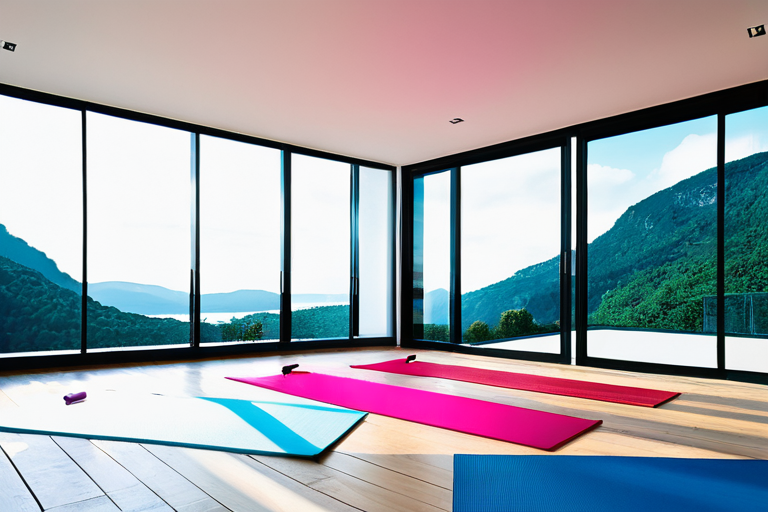
Conceptual design showing yoga principles in architectural form
The Foundation: Yoga's Spatial Philosophy
Traditional yoga philosophy, particularly as outlined in Patanjali's Yoga Sutras, emphasizes the relationship between individual consciousness and universal space. This ancient wisdom is finding new expression in contemporary architecture through what designers are calling "mindful spatial design." According to research published in the Journal of Environmental Psychology, environments designed with mindfulness principles can reduce stress markers by up to 37% compared to conventional spaces.
Architectural firms specializing in wellness environments, such as those featured in ArchDaily's wellness architecture section, are increasingly incorporating three key yoga principles:
- Sthira Sukham Asanam (steadiness and ease): Translated into architectural stability combined with comfort
- Pratyahara (withdrawal of senses): Creating spaces that minimize sensory overload
- Dharana (concentration): Designing focal points that guide attention naturally
Biophilic Integration: Nature as Co-Designer
The concept of prakriti (nature) in yoga philosophy has directly influenced the biophilic design movement in architecture. Studies from the World Green Building Council demonstrate that buildings incorporating natural elements see a 15% increase in occupant wellbeing scores. Modern yoga-inspired architecture manifests this through:
Living Walls and Vertical Gardens
These features not only improve air quality but create visual connections to nature, supporting the yogic principle of unity with the environment.
Natural Light Optimization
Strategic window placement aligns with circadian rhythms, enhancing the yogic connection between internal and external cycles.
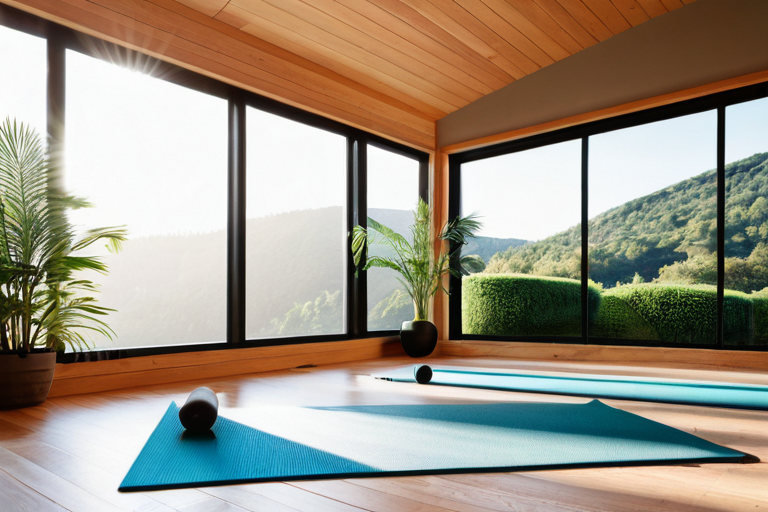
Yoga space integrating natural light and organic materials
Movement-Oriented Design: Beyond Static Spaces
Traditional architecture often prioritizes static occupation, but yoga-inspired design recognizes the human body in motion. This approach, documented in research on movement-friendly environments, creates spaces that encourage natural movement patterns. Key design elements include:
Flow Zones: Instead of rigid room divisions, modern yoga studios and wellness centers create gradient spaces that transition smoothly from active to restorative areas. This reflects the yogic concept of vinyasa (intelligent sequencing).
Multi-Level Surfaces: Incorporating varied floor levels and platforms allows for different types of movement and postures, accommodating everything from vigorous flows to seated meditation.
Circular Pathways: Many yoga-inspired buildings feature circular or curved walking paths, supporting the concept of pradakshina (circumambulation) as a meditative practice.
Acoustic Architecture: Designing for Sound and Silence
The yogic appreciation for both sound (nada) and silence (mauna) has inspired innovative acoustic design. According to acoustic specialists cited in professional acoustic journals, spaces designed with yoga principles achieve optimal sound profiles through:
Sound Absorption Zones
Strategic placement of acoustic materials creates pockets of quiet reflection without complete sound isolation, maintaining connection to the environment.
Resonance Chambers
Some advanced designs incorporate small resonance spaces that enhance specific frequencies used in mantra and chanting practices.
Sustainable Material Selection: The Ethics of Construction
The yogic principle of ahimsa (non-harm) extends to material choices in yoga-inspired architecture. Leading sustainable architecture resources like Green Building Advisor highlight several material innovations:

Eco-friendly materials used in modern yoga studio construction
Natural Insulation: Materials like hempcrete and sheep's wool provide excellent insulation while maintaining breathability, supporting healthy indoor air quality.
Local Sourcing: The yogic concept of swadeshi (local self-sufficiency) encourages using materials sourced within 100 miles of construction sites, reducing carbon footprint.
Non-Toxic Finishes: Natural oils, waxes, and mineral-based paints replace conventional chemical finishes, creating healthier practice environments.
Spatial Sequencing: The Architecture of Practice
Perhaps the most innovative application of yoga principles comes in spatial sequencing—how spaces flow into one another. This mirrors the intelligent sequencing of yoga practices (krama). Architectural analysts at Dezeen have documented several pioneering approaches:
Transitional Thresholds: Doorways and passages are designed as conscious transition spaces rather than mere openings, often incorporating slight level changes or material shifts to mark movement between zones.
Variable Ceiling Heights: Spaces designed for different practices feature ceiling heights calibrated to their function—higher for active practices, lower for intimate gatherings.
Seasonal Adaptation: Some advanced designs incorporate movable elements that allow spaces to transform with seasons, reflecting the yogic awareness of natural cycles.
The Future: Digital Integration and Smart Spaces
Emerging technologies are creating new possibilities for yoga-inspired architecture. The WELL Building Standard now includes criteria influenced by yoga principles, driving innovation in:
- Responsive Lighting: Systems that adjust color temperature and intensity throughout the day
- Air Quality Monitoring: Real-time feedback on environmental conditions
- Acoustic Personalization: Zones where individuals can control their sound environment
Architectural Transformation Through Ancient Wisdom
The integration of yoga principles into architectural design represents more than a trend—it's a fundamental rethinking of how built environments can support human flourishing. By drawing on thousands of years of contemplative practice, architects are creating spaces that don't just house activities but actively enhance wellbeing, community, and connection to the natural world.
As this design philosophy continues to evolve, it promises to transform not just yoga studios and wellness centers, but schools, workplaces, and homes—creating environments where architecture serves as a partner in human development rather than merely a container for human activity.