The Chronobiological Alignment of Yoga: Integrating Circadian Rhythms with Ancient Practice
"Yoga teaches us to cure what need not be endured and endure what cannot be cured." - B.K.S. Iyengar
Modern science increasingly recognizes what ancient yogic traditions have long understood: our bodies operate on intricate biological clocks that govern everything from hormone secretion to cellular repair. Chronobiology, the study of these natural rhythms, reveals that timing isn't just a convenience—it's a fundamental aspect of physiological optimization. When we align yoga practice with our circadian rhythms, we unlock synergistic benefits that transcend what either approach offers independently.
The Science of Circadian Alignment
Research from institutions like the National Institutes of Health demonstrates that nearly every physiological process follows a 24-hour cycle. Cortisol peaks in the morning to promote wakefulness, melatonin rises in the evening to prepare for sleep, and digestive enzymes follow specific daily patterns. A 2022 study published in Cell Metabolism found that exercise timing significantly affects metabolic responses, with morning activity enhancing fat oxidation and evening practice improving glucose regulation.
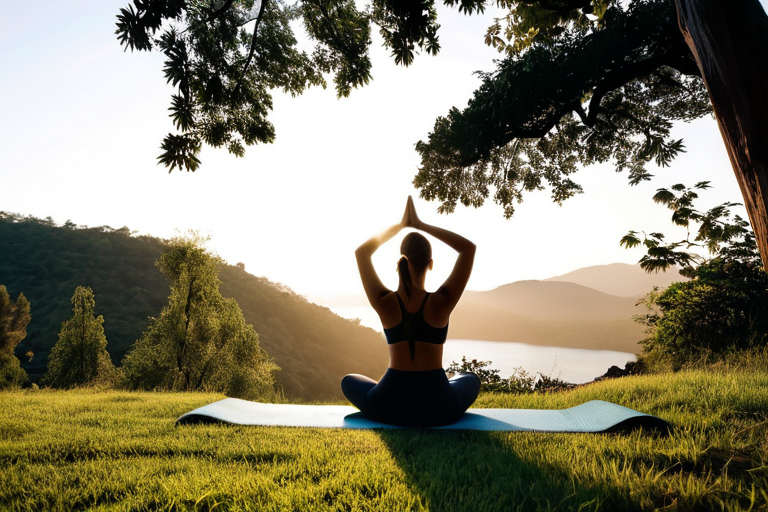
Morning yoga practice aligned with natural circadian rhythms enhances metabolic function
Ayurvedic Wisdom Meets Modern Chronobiology
Ancient Ayurvedic texts describe dinacharya—daily routines synchronized with natural cycles—that parallel modern chronobiological findings. The Charaka Samhita, a foundational Ayurvedic text, details specific practices for each part of the day: cleansing rituals at dawn, vigorous activity during the kapha period (6-10 AM), and calming practices as dusk approaches. Contemporary research from the California College of Ayurveda validates these temporal divisions, showing they correspond to measurable shifts in autonomic nervous system activity.
What makes this integration particularly powerful is how it addresses modern lifestyle disruptions. Artificial lighting, irregular schedules, and constant digital stimulation have decoupled many people from natural rhythms. Yoga, practiced with chronobiological awareness, becomes a reset mechanism—a way to retrain biological clocks that have been distorted by contemporary living.
Practical Applications: Timing Your Practice
Morning Practice (5-8 AM)
During these hours, cortisol naturally peaks while melatonin declines. This creates an ideal environment for:
- Surya Namaskar (Sun Salutations): Capitalizes on rising body temperature and cortisol to enhance circulation
- Standing Poses: Utilize gravitational advantage as spinal discs are most hydrated after sleep
- Backbends: Counteract nighttime spinal compression while stimulating adrenal function
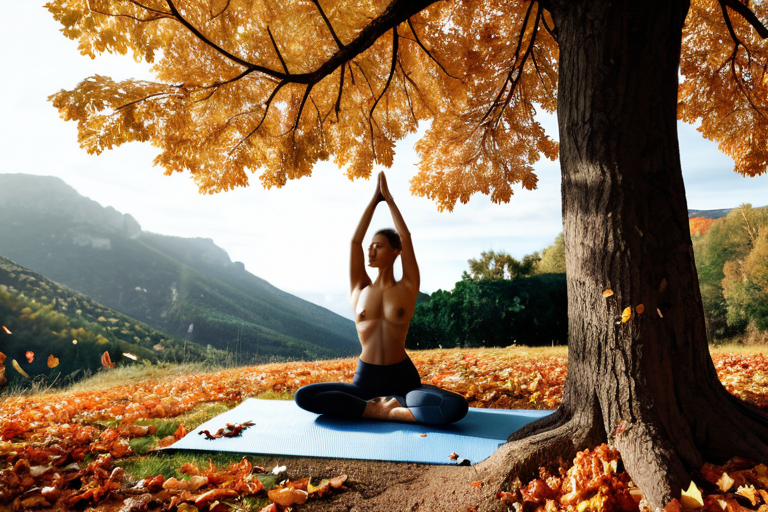
Seasonal adaptation of yoga practice follows natural environmental rhythms
Midday Practice (11 AM-2 PM)
When digestive fire (agni) peaks according to Ayurveda, and core body temperature reaches its daily maximum:
- Twists and Compressions: Enhance digestive efficiency during peak metabolic activity
- Balancing Poses: Utilize optimal proprioception as neurological function peaks
- Moderate Inversions: Support lymphatic drainage when interstitial fluid mobilization is highest
Evening Practice (6-9 PM)
As melatonin begins its ascent and parasympathetic dominance increases:
- Forward Folds: Stimulate vagal tone and initiate relaxation response
- Restorative Poses: Support natural cortisol decline and melatonin rise
- Pranayama (Breathwork): Specifically nadi shodhana to balance hemispheres as brain prepares for sleep processing
Seasonal Considerations in Chronobiological Yoga
Beyond daily cycles, seasonal rhythms profoundly influence physiological responses. Research from the Johns Hopkins Center for Sleep shows that melatonin secretion patterns shift with daylight duration, while a Mayo Clinic study found seasonal variations in cortisol rhythm amplitude.
Traditional yoga systems account for these variations through ritucharya—seasonal routines. In winter, when days shorten and metabolic rate naturally slows, practices emphasize internal heat generation through more vigorous asana sequences and kapalabhati breathing. Summer practice shifts toward cooling postures like shitali pranayama and moon salutations (chandra namaskar), aligning with the body's need to conserve energy in heat.
Hormonal Synchronization Through Timed Practice
The endocrine system's exquisite timing creates opportunities for targeted yoga interventions. Thyroid-stimulating hormone peaks around midnight, growth hormone secretion maximizes during deep sleep, and insulin sensitivity follows a daily pattern. By understanding these rhythms, practitioners can:
Evidence-Based Timing Strategies:
- Practice shoulder stands (sarvangasana) in early evening to support thyroid function during its preparatory phase
- Schedule vigorous practice 4-6 hours before sleep to capitalize on exercise-induced growth hormone release
- Align restorative practice with cortisol's natural afternoon dip (3-5 PM) to enhance stress recovery
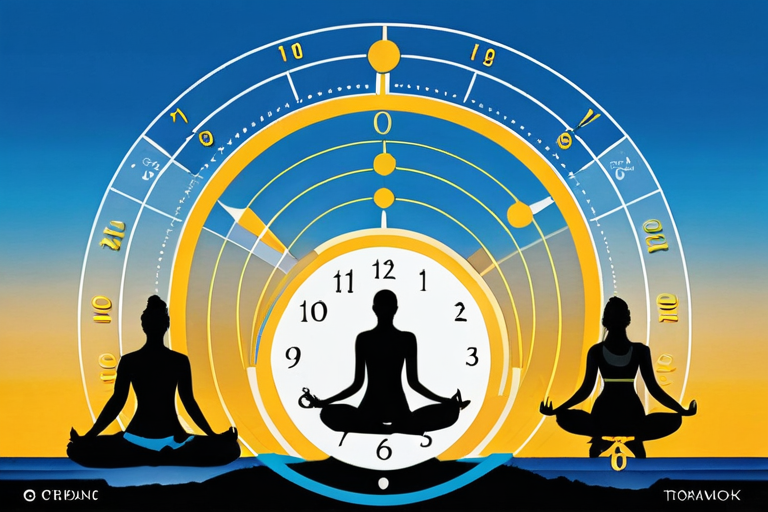
Hormonal synchronization through precisely timed yoga practice
Implementing Chronobiological Principles
For those seeking to integrate these principles, start with observation. Track energy levels, sleep quality, and digestion for two weeks while noting practice times. Then experiment with shifting practice by 1-2 hour increments, observing physiological responses. Many practitioners report that morning backbends alleviate stiffness more effectively, while evening forward folds deepen relaxation.
Technology can assist this process. Wearable devices that track heart rate variability, skin temperature, and movement patterns provide objective data about circadian alignment. Apps that monitor sleep architecture help identify optimal windows for different practice intensities.
The Future of Timed Yoga Practice
As research continues to unravel chronobiological complexities, personalized yoga timing may become standard. Genetic testing for chronotype variations (PER3 gene polymorphisms affect morning/evening preference) could inform individualized schedules. Continuous glucose monitors might reveal optimal practice times for metabolic conditions, while wearable EEG devices could identify brain states most receptive to meditation.
This integration represents more than optimization—it's a return to yoga's original intention: harmony with natural law. When we practice in rhythm with our biology and environment, we move beyond mechanical postures into living alignment. The ancient concept of satmya—appropriate adaptation—finds new expression through chronobiological understanding, creating practices that resonate with both cellular clocks and cosmic cycles.
Key Research References
- National Institutes of Health. (2023). Circadian Rhythms and Metabolic Health. Retrieved from NIH.gov
- California College of Ayurveda. (2022). Dinacharya: Scientific Validation of Daily Routines. Retrieved from Ayurveda.com
- Johns Hopkins Medicine. (2023). Seasonal Effects on Sleep Architecture. Retrieved from HopkinsMedicine.org
- Mayo Clinic. (2022). Cortisol Rhythms Across Seasons. Retrieved from MayoClinic.org