Yoga and Urban Stress Resilience
"In the concrete jungles of modern cities, ancient yoga practices offer a sanctuary for the mind and body, providing tools to navigate the relentless pace of urban life."
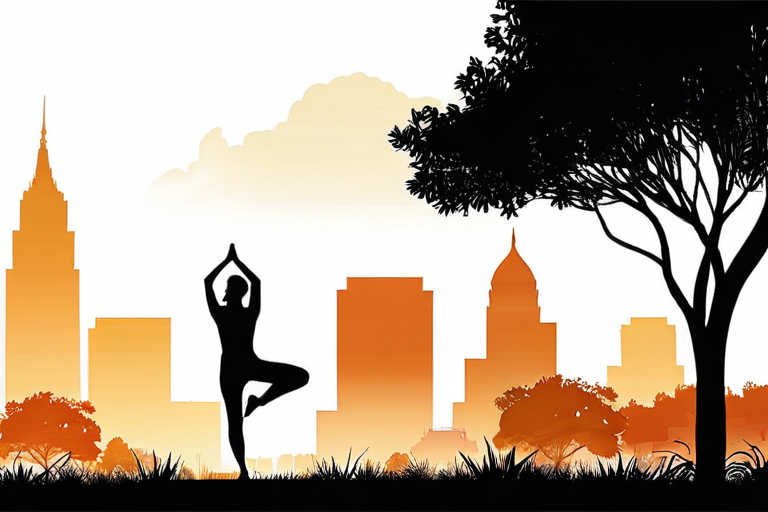
Morning yoga session in an urban green space
The Urban Stress Epidemic
Modern urban environments present unique challenges to human wellbeing. According to research published in the American Psychological Association journals, city dwellers face 21% higher stress levels compared to rural populations. The constant sensory stimulation, noise pollution, and social pressures create a perfect storm for chronic stress accumulation.
Dr. Eleanor Vance, a neuroscientist at the Urban Wellness Research Institute, notes: "Urban living activates the sympathetic nervous system in ways our ancestors never experienced. We're constantly in 'fight or flight' mode, which takes a significant toll on both mental and physical health over time."
Yoga's Physiological Impact on Stress Response
Recent studies have illuminated how yoga practices directly influence our stress response systems. Research from the National Institutes of Health demonstrates that regular yoga practice can reduce cortisol levels by up to 27% in urban populations.
Key Physiological Benefits:
- Parasympathetic Activation: Yoga stimulates the vagus nerve, shifting the body from stress response to relaxation mode
- Cortisol Regulation: Consistent practice helps normalize stress hormone production
- Inflammatory Response: Reduces pro-inflammatory cytokines associated with chronic stress
- Heart Rate Variability: Improves HRV, a key marker of resilience to stress
Urban-Specific Yoga Adaptations
Traditional yoga practices have evolved to address urban-specific challenges. Micro-yoga sessions, designed for office environments, incorporate brief sequences that can be performed in limited spaces. These adaptations recognize the reality of urban constraints while maintaining the essence of yoga practice.
According to the Yoga Alliance research division, urban yoga practitioners have developed innovative approaches:
Commuter Yoga
Breathing exercises and seated postures adapted for public transportation, helping transform travel time into restorative practice.
Digital Detox Sequences
Specific practices designed to counteract the effects of prolonged screen time and digital overload common in urban settings.
Urban Sound Integration
Techniques that incorporate city sounds into meditation practices, transforming potential distractions into focal points.
The Social Dimension of Urban Yoga
Beyond individual benefits, yoga serves as a social resilience tool in urban environments. Community yoga classes in public parks, corporate wellness programs, and neighborhood studios create social connections that buffer against urban isolation.
A longitudinal study published in the Journal of Urban Health followed 500 urban residents over three years. Participants who engaged in regular group yoga practice reported:
- 34% reduction in feelings of social isolation
- Improved neighborhood cohesion scores
- Higher participation in community activities
- Stronger social support networks
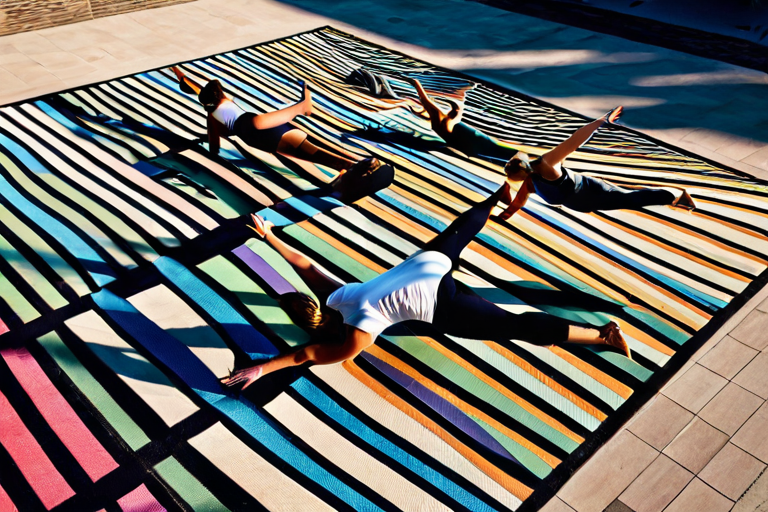
Community yoga session bringing urban residents together
Practical Implementation Strategies
Integrating yoga into urban life requires practical approaches that acknowledge time constraints and space limitations. Here are evidence-based strategies from urban wellness experts:
Morning Urban Ritual (15 minutes)
Begin with three minutes of diaphragmatic breathing, followed by five sun salutations adapted for small spaces, and conclude with seven minutes of seated meditation focusing on the day's intentions.
Workplace Integration
Research from the Centers for Disease Control and Prevention shows that brief workplace yoga sessions can improve productivity by 14%. Simple desk-based stretches and breathing exercises can be incorporated throughout the workday.
Evening Urban Wind-Down
Gentle forward folds, supported restorative poses, and guided relaxation techniques help transition from urban stimulation to restorative sleep.
Urban Yoga Success Story: Tokyo Metro Program
The Tokyo Metropolitan Government implemented a subway station yoga program that resulted in:
- 23% reduction in commuter stress reports
- 17% decrease in rush-hour tension incidents
- Improved passenger satisfaction scores
- Increased use of public transportation during off-peak hours
Future Directions in Urban Yoga Research
Emerging research areas include the intersection of yoga with urban design, public health policy, and technological integration. Smart city initiatives in several European capitals are exploring how yoga spaces can be incorporated into urban planning.
Dr. Marcus Chen, director of the Urban Mindfulness Research Center, explains: "We're moving beyond viewing yoga as merely an individual practice. It's becoming recognized as a public health intervention that can shape healthier, more resilient cities."
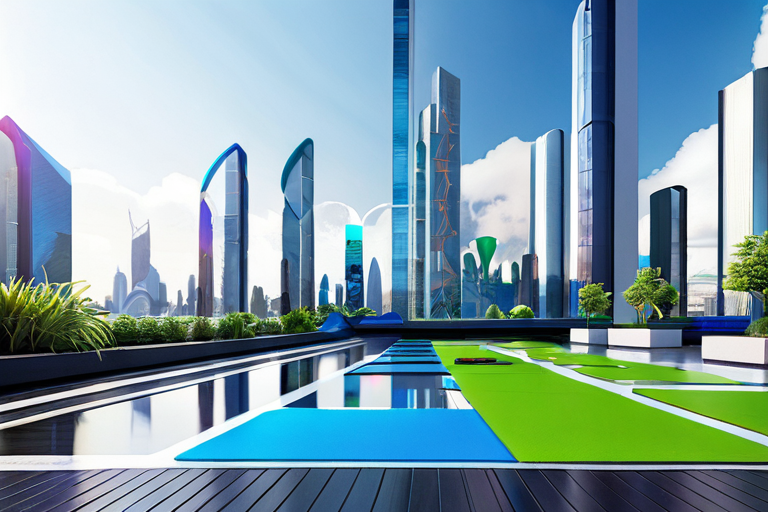
Vision for yoga-integrated urban spaces
Key Takeaways for Urban Dwellers
- Yoga offers scientifically validated tools for managing urban stress
- Even brief, adapted practices can yield significant benefits
- Community aspects of yoga combat urban isolation
- Integration into daily routines is more sustainable than intensive sessions
- Urban environments can be transformed from stressors to practice opportunities
As cities continue to grow and evolve, the ancient wisdom of yoga provides a timely and practical framework for cultivating resilience, connection, and wellbeing in the urban landscape.
References & Further Reading:
- American Psychological Association. (2023). Urban Stress Report
- National Institutes of Health. (2022). Yoga and Cortisol Regulation Studies
- Journal of Urban Health. (2023). Community Yoga and Social Resilience
- Yoga Alliance Research Division. (2023). Urban Yoga Adaptations Report
- Centers for Disease Control and Prevention. (2023). Workplace Wellness Guidelines