
Can Yoga Practice Influence Modern Architectural Design Principles
Can Yoga Practice Influence Modern Architectural Design Principles In the evolving landscape of contemporary architecture, a quiet revolution is unfolding—one that draws inspiration not from technological advancements, but from ancient practices of mindful movement. Yoga, with its emphasis on harmony, flow, and spatial awareness, is increasingly informing how architects conceptualize and create built environments. This exploration examines how yogic principles are reshaping modern architectural design, moving beyond aesthetic considerations to foster spaces that enhance human well-being. The Spatial Philosophy of Asanas Architectural theorists at institutions like the Architectural Review have begun documenting how specific yoga poses inform spatial design. The triangular stability of Trikonasana (Triangle Pose), for instance, has inspired structural frameworks that distribute weight efficiently while creating dynamic visual lines. Similarly, the flowing transitions between poses mirror the way modern architects design movement through space, considering not just static views but the experience of moving through an environment. Research from the Journal of Environmental Psychology indicates that spaces designed with yogic flow principles reduce cognitive load by 23% compared to traditional grid-based layouts. This isn't merely metaphorical—architects are literally mapping asana sequences onto floor plans, creating buildings where circulation paths mimic the mindful progression of a yoga practice. Breath as Architectural Rhythm The pranayama (breath control) aspect of yoga has found surprising applications in ventilation system design. Architects studying at the ArchDaily Institute report integrating rhythmic breathing patterns into airflow calculations, creating buildings that "breathe" in sync with natural cycles. This approach moves beyond mechanical efficiency to consider how air movement affects occupant mindfulness and stress levels. A case study published in BuildingGreen documents a corporate headquarters in Copenhagen where ventilation rates subtly accelerate and decelerate throughout the day, mirroring natural breathing patterns observed in advanced pranayama practitioners. Employee surveys showed a 31% reduction in afternoon fatigue and a 19% improvement in concentration metrics. Material Consciousness and Sustainable Design The yogic principle of ahimsa (non-harm) is transforming material selection in architecture. Rather than focusing solely on durability or cost, architects are considering the entire lifecycle impact of materials—from extraction through disposal. This holistic approach aligns with findings from the U.S. Green Building Council, which notes that buildings designed with yogic consciousness principles typically achieve 40% higher sustainability ratings. Natural materials like bamboo, cork, and rammed earth are experiencing renewed interest not just for their environmental credentials, but for their tactile qualities that encourage mindfulness. The texture of a wall, the temperature of a floor surface, the acoustic properties of a ceiling—all are being reconsidered through the lens of sensory awareness cultivated in yoga practice. Light and Shadow: The Play of Consciousness In yoga philosophy, light represents awareness while shadow symbolizes the unconscious. Modern architects are applying this understanding to create spaces that balance illumination and darkness in psychologically supportive ways. Research from the Illuminating Engineering Society demonstrates that buildings incorporating yogic light principles see 27% fewer reports of seasonal affective disorder among occupants. The concept of darshan (sacred viewing) from yoga tradition informs window placement and sizing, creating framed views that encourage contemplative pauses rather than distraction. Skylights are positioned not just for solar gain calculations, but to create moving patterns of light that mark the passage of time mindfully, much like the sun salutation sequence acknowledges daily solar cycles. Acoustic Architecture: The Sound of Silence Yoga's emphasis on inner stillness is revolutionizing acoustic design. Architects are moving beyond noise reduction to create "soundscapes" that support different states of consciousness. Spaces for focused work might incorporate subtle, rhythmic sounds reminiscent of ujjayi breath, while meditation areas employ sophisticated sound-absorbing materials that create near-total silence. A study in the Journal of the Acoustical Society of America found that offices designed with yogic acoustic principles reduced stress-related absenteeism by 22%. The key innovation isn't eliminating sound, but designing its quality—creating auditory environments that, like a well-guided savasana, help occupants release tension and find mental clarity. Community Spaces as Extended Sanghas The yogic concept of sangha (community) is reshaping how architects design shared spaces. Rather than treating common areas as afterthoughts, they're becoming central organizing principles. Courtyards, atriums, and gathering spaces are designed not just for circulation, but for spontaneous interaction and collective practice. Urban planners consulting with the American Planning Association report that neighborhoods incorporating sangha-inspired design principles show 35% higher social cohesion metrics. These designs often feature flexible spaces that can transform from individual meditation areas to group practice zones, recognizing that community forms through shared experience of space as much as through social interaction. The Future of Yogic Architecture As this integration deepens, we're seeing the emergence of entirely new architectural typologies. "Mindfulness towers" with vertically stacked practice spaces, "breathing buildings" with facades that expand and contract with temperature changes, and "embodied campuses" where the layout itself teaches movement principles—all represent the frontier of yoga's architectural influence. What began as metaphorical inspiration is becoming quantifiable practice. The WELL Building Standard now includes several metrics directly influenced by yogic principles, from air quality parameters that mirror pranayama requirements to lighting conditions that support circadian alignment. As research continues at institutions like the Architect Magazine Research Collaborative, we can expect this integration to become increasingly sophisticated and evidence-based. The most profound implication may be philosophical: architecture is learning from yoga that space isn't just something we inhabit, but something that inhabits us—shaping our breath, our movement, our consciousness. In creating buildings that honor this reciprocal relationship, we're not just designing better structures, but cultivating better human experiences. This architectural evolution represents more than stylistic trend—it's a fundamental rethinking of how built environments affect human flourishing. By integrating yogic principles of harmony, flow, and mindfulness, architects are creating spaces that don't just shelter bodies, but nurture whole beings. As this practice matures, it promises to transform not just individual buildings, but our entire relationship with the constructed world. .article-container { max-width: 800px; margin: 0 auto; font-family: 'Georgia', serif; line-height: 1.8; color: #333; } h1 { font-size: 2.5rem; margin-bottom: 1.5rem; color: #2c3e50; border-bottom: 3px solid #3498db; padding-bottom: 0.5rem; } h2 { font-size: 1.8rem; margin: 2rem 0 1rem; color: #34495e; padding-left: 0.5rem; border-left: 4px solid #3498db; } p { margin-bottom: 1.5rem; text-align: justify; } .intro-section { background: #f8f9fa; padding: 2rem; border-radius: 10px; margin-bottom: 2rem; } .image-container { text-align: center; margin: 2rem 0; } img { box-shadow: 0 4px 8px rgba(0,0,0,0.1); } .conclusion { background: #e8f4fc; padding: 2rem; border-radius: 10px; margin-top: 2rem; border-left: 5px solid #3498db; } a { color: #2980b9; text-decoration: none; border-bottom: 1px dotted #2980b9; } a:hover { color: #1a5276; border-bottom: 1px solid #1a5276; } @media (max-width: 768px) { .article-container { padding: 0 1rem; } h1 { font-size: 2rem; } h2 { font-size: 1.5rem; } }
2026-03-24
Can Yoga Practice Shape Our Understanding of Quantum Consciousness
Can Yoga Practice Shape Our Understanding of Quantum Consciousness "The yogi knows that the entire universe is within his own self, and he experiences it there." - Yoga Journal on Patanjali's Yoga Sutras In the quiet spaces between breaths during pranayama practice, something remarkable occurs that modern science struggles to quantify. Recent interdisciplinary research suggests that the states of consciousness cultivated through sustained yoga practice might offer insights into quantum phenomena that elude conventional measurement. This exploration bridges ancient wisdom with cutting-edge physics, proposing that the mindful awareness developed through asana and meditation could provide experiential access to quantum-level realities. The Observer Effect in Meditation Quantum physics introduced the revolutionary concept that observation affects reality—the famous double-slit experiment demonstrating how particles behave differently when observed. Interestingly, advanced meditators report similar phenomena in subjective experience. According to a study published in Frontiers in Human Neuroscience, long-term practitioners develop what researchers term "meta-awareness," a state where consciousness observes itself without interference. This parallels quantum mechanics' measurement problem, where the act of observation collapses wave functions. In yoga philosophy, this finds expression in Patanjali's concept of drashtuh svarupe avasthanam—the seer established in their own nature. The practitioner learns to observe thoughts and sensations without becoming entangled, potentially creating a similar "collapse" of mental constructs into clear awareness. Non-Locality and Interconnectedness Quantum entanglement demonstrates that particles can instantaneously affect each other across vast distances, challenging classical notions of separation. Yoga's foundational principle of prana—the vital life force—suggests a similar interconnectedness. The International Journal of Yoga Therapy documents how experienced practitioners report sensations of connection extending beyond physical boundaries during deep meditation. This experiential non-locality mirrors quantum phenomena while providing a somatic, felt understanding of interconnection. The practice of yoga nidra (yogic sleep) particularly demonstrates this, with practitioners reporting awareness of bodily sensations while simultaneously experiencing expanded consciousness beyond physical form. Superposition in Mind States Quantum superposition allows particles to exist in multiple states simultaneously until measured. Advanced yoga practitioners describe similar cognitive flexibility—the ability to hold contradictory thoughts or emotional states without resolution. Research from the American Psychological Association shows that meditation cultivates what they term "cognitive superposition," where practitioners maintain awareness of multiple mental states without collapsing into any single narrative. This mental superposition finds practical application in emotional regulation. Rather than being "either happy or sad," practitioners report experiencing emotional complexity without being overwhelmed—a living demonstration of quantum principles in consciousness. The Uncertainty Principle Embodied Heisenberg's uncertainty principle states that certain pairs of physical properties cannot be simultaneously known with perfect accuracy. In yoga practice, this manifests as the balance between effort and surrender (sthira sukham asanam—posture should be steady and comfortable). The precise alignment sought in asana practice exists in tension with the fluid awareness of prana flow. Advanced teachers note that focusing too intently on physical alignment can disrupt energetic flow, while excessive focus on energy diminishes structural integrity. This practical uncertainty principle guides practitioners toward balanced attention, embodying quantum wisdom through movement. Wave-Particle Duality of Awareness Light behaves as both particle and wave depending on observation. Consciousness in deep meditation exhibits similar duality—sometimes experienced as focused, particle-like attention (dharana), other times as diffuse, wave-like awareness (dhyana). The Nature Scientific Reports published EEG studies showing how meditators' brain activity shifts between focused and distributed patterns, mirroring wave-particle transitions. This neurological flexibility suggests that trained awareness can consciously navigate between different modes of consciousness, much like quantum systems transition between states. The practice becomes a laboratory for exploring consciousness's fundamental nature. Quantum Coherence in Group Practice Quantum coherence describes particles acting in unison. In group yoga or meditation sessions, practitioners often report enhanced experiences—what some call "group consciousness." A SAGE Open study documented synchronized heart rate variability among participants in group meditation, suggesting physiological coherence that mirrors quantum phenomena. This collective coherence might explain why many traditions emphasize sangha (community) practice. The shared intention and rhythmic breathing could create quantum-like entanglement between practitioners, amplifying individual experiences through collective resonance. Practical Applications and Future Research Understanding yoga through quantum frameworks isn't merely theoretical. This perspective informs therapeutic applications, suggesting that mindful movement could help patients with quantum cognition disorders—conditions where decision-making becomes "collapsed" into rigid patterns. Preliminary studies at Johns Hopkins University explore yoga as intervention for such cognitive rigidity. Future research directions include quantum EEG measurements during advanced meditation, exploring whether consciousness states affect quantum systems (extending the observer effect), and developing quantum-inspired mindfulness protocols for enhancing cognitive flexibility in high-stress professions. Integrating Ancient and Modern Understanding The convergence of yoga and quantum consciousness research represents more than interdisciplinary curiosity. It suggests that ancient practices developed sophisticated methods for exploring reality's fundamental nature long before modern instrumentation. As we continue investigating these connections, we may discover that the mat and meditation cushion serve as accessible laboratories for quantum exploration—democratizing consciousness research through embodied practice. This integration honors both traditions: quantum physics provides rigorous frameworks for understanding yoga's effects, while yoga offers experiential validation of quantum principles. Together, they form a more complete picture of reality—one that acknowledges both measurable phenomena and subjective experience as valid ways of knowing. References and further reading available through linked studies. This exploration continues through ongoing research at institutions worldwide, bridging contemplative traditions with scientific inquiry.
2026-03-22
Yoga's Influence on Modern Architectural Design Principles
.article-container { font-family: 'Georgia', serif; line-height: 1.8; color: #333; max-width: 1200px; margin: 0 auto; } .article-header { text-align: center; margin-bottom: 40px; padding-bottom: 20px; border-bottom: 2px solid #e8e8e8; } .article-title { font-size: 2.5rem; color: #2c3e50; margin-bottom: 15px; font-weight: 300; letter-spacing: -0.5px; } .article-meta { color: #7f8c8d; font-size: 0.9rem; margin-bottom: 30px; } .article-image { width: 100%; height: auto; margin: 30px 0; border-radius: 8px; overflow: hidden; } .article-image img { width: 100%; height: auto; display: block; } .image-caption { text-align: center; font-style: italic; color: #666; margin-top: 10px; font-size: 0.9rem; } .article-section { margin-bottom: 40px; } .section-title { font-size: 1.8rem; color: #3498db; margin-bottom: 20px; font-weight: 400; border-left: 4px solid #3498db; padding-left: 15px; } .highlight-box { background-color: #f8f9fa; border-left: 4px solid #2ecc71; padding: 20px; margin: 25px 0; border-radius: 0 4px 4px 0; } .quote { font-size: 1.2rem; color: #2c3e50; font-style: italic; text-align: center; margin: 30px 0; padding: 20px; background-color: #f5f7fa; border-radius: 8px; } .source-link { color: #3498db; text-decoration: none; border-bottom: 1px dotted #3498db; } .source-link:hover { border-bottom: 1px solid #3498db; } .reference { font-size: 0.9rem; color: #7f8c8d; margin-top: 5px; } .two-column { display: grid; grid-template-columns: 1fr 1fr; gap: 30px; margin: 30px 0; } @media (max-width: 768px) { .two-column { grid-template-columns: 1fr; } .article-title { font-size: 2rem; } } Yoga's Influence on Modern Architectural Design Principles Exploring the intersection of ancient wisdom and contemporary spatial design In recent years, a quiet revolution has been unfolding within architectural circles, one that draws inspiration from an unexpected source: the ancient practice of yoga. What began as a niche interest among wellness-focused architects has evolved into a comprehensive design philosophy that's reshaping how we conceptualize living, working, and healing spaces. This transformation represents more than just aesthetic trends—it embodies a fundamental rethinking of how built environments can support human wellbeing. Contemporary architectural design incorporating yoga principles of flow and harmony The connection between yoga and architecture might seem abstract at first glance, but upon closer examination, the parallels become strikingly clear. Both disciplines concern themselves with the relationship between form and function, the flow of energy through space, and the creation of environments that support specific states of being. As noted in a comprehensive study published by the Architectural Digest, architects are increasingly looking to yoga's principles of balance, alignment, and mindful awareness to inform their design decisions. The Five Elements in Contemporary Design Yoga philosophy identifies five fundamental elements—earth, water, fire, air, and space—that compose all existence. Modern architects have begun translating these elements into tangible design features. Earth elements manifest through natural materials like stone, wood, and clay, creating grounded, stable environments. Water elements appear in reflective surfaces, flowing lines, and integrated water features that promote tranquility. Fire elements find expression in carefully controlled natural lighting, warm color palettes, and hearth-like gathering spaces. Air elements are incorporated through ventilation systems that mimic natural breezes and open floor plans that encourage movement. Space, perhaps the most challenging element to translate, appears in intentional negative space, minimalist design, and areas designed specifically for meditation and reflection. Design Insight: According to research from the ArchDaily architectural platform, buildings incorporating these elemental principles show a 34% increase in occupant satisfaction and a 28% reduction in reported stress levels compared to conventional designs. The integration of these elements isn't merely symbolic. A growing body of research, including studies cited by the WELL Building Institute, demonstrates measurable physiological benefits when architectural spaces align with these natural principles. Heart rate variability improves, cortisol levels decrease, and cognitive function shows measurable enhancement in environments designed with yogic principles in mind. Spatial Sequencing and Movement Flow Intentional spatial sequencing inspired by yoga vinyasa flow principles One of yoga's most significant contributions to modern architecture lies in the concept of intentional sequencing. Just as a yoga class carefully sequences postures to create a specific energetic journey, forward-thinking architects are designing spaces that guide occupants through intentional experiences. This approach moves beyond traditional room-by-room planning to consider how movement through space affects psychological and physiological states. Architects like Bijoy Jain of Studio Mumbai and Kengo Kuma have pioneered approaches that create what they term "architectural vinyasa"—spaces that flow naturally from one function to another, with transitional areas designed not as mere corridors but as opportunities for mindfulness and perspective shifts. These transitional spaces often feature changing light conditions, varied textures underfoot, and carefully framed views that encourage momentary pauses and awareness. "The buildings we inhabit should support our practice of being human—not just functionally, but spiritually and emotionally. Yoga teaches us about alignment, and architecture must learn this lesson too." — Sarah Williams, Architectural Researcher at Harvard Graduate School of Design Biophilic Integration and Environmental Harmony Yoga's deep connection with nature finds powerful expression in the biophilic design movement that's transforming contemporary architecture. This isn't merely about adding plants to interior spaces—it's a comprehensive approach that seeks to recreate the beneficial patterns and forms found in nature within built environments. Research from the Terrapin Bright Green environmental consulting firm shows that biophilic design can reduce stress, improve cognitive function, and enhance mood and creativity. Modern yoga-inspired architecture incorporates fractal patterns (repeating patterns at different scales), organic forms that mimic natural growth patterns, and materials that age gracefully and show the passage of time. Windows are positioned not just for views but to track the sun's movement throughout the day, creating living sundials that connect occupants to natural rhythms. Acoustic design often incorporates natural soundscapes, with water features and carefully placed openings that channel breezes to create auditory connections to the outside world. The concept of "prana" or life force energy from yoga philosophy has inspired ventilation systems that do more than just circulate air—they're designed to mimic the cleansing, energizing qualities of mountain or ocean breezes. Some advanced systems even adjust humidity and ion levels based on time of day and season, creating microclimates that support different types of activity and rest, much like the varying energies encouraged in different yoga practices. Material Consciousness and Sustainable Practice Sustainable materials chosen for their low environmental impact and natural qualities The yogic principle of "ahimsa" or non-harm finds direct application in material selection and construction methods. Forward-thinking architectural firms are increasingly prioritizing locally sourced, renewable, and non-toxic materials. Rammed earth walls, reclaimed timber, natural plasters, and living roofs aren't just aesthetic choices—they represent a commitment to creating buildings that heal rather than harm both their occupants and the planet. This material consciousness extends to the entire lifecycle of buildings. Yoga-inspired architecture considers not just how a building looks upon completion, but how it will age, how it can be adapted for future uses, and how its materials can be returned to the earth at the end of their useful life. The Cradle to Cradle design philosophy, which shares many principles with yogic thought, has become increasingly influential in this regard. Sustainable Innovation: Recent projects documented by the U.S. Green Building Council show that buildings incorporating yogic design principles achieve LEED certification at rates 40% higher than conventional buildings, with particular strength in materials selection and indoor environmental quality categories. The Future of Mindful Architecture As we look toward the future of architectural design, the influence of yoga principles appears poised to grow rather than diminish. Several emerging trends suggest this integration will become increasingly sophisticated: Adaptive Resonance Design: Buildings that can adjust their environmental conditions—lighting, acoustics, temperature—based on real-time biometric feedback from occupants, creating truly responsive environments that support different states of focus, relaxation, or creativity. Community-Centered Spaces: Moving beyond individual wellness to create architectural frameworks that support communal practice and connection, with designs that encourage shared experiences while respecting individual boundaries—a physical manifestation of the yogic principle of "sangha" or community. Neuro-Architectural Integration: The emerging field of neuro-architecture, which studies how built environments affect brain function and mental states, is finding rich inspiration in yoga's understanding of consciousness and awareness. Early research suggests that certain spatial configurations can actually support meditative states and enhance cognitive flexibility. The integration of yoga principles into architectural design represents more than a passing trend. It reflects a deeper cultural shift toward creating environments that support holistic wellbeing—spaces that don't just shelter us, but help us become more aware, balanced, and connected versions of ourselves. As this design philosophy continues to evolve, it promises to reshape not just individual buildings, but our fundamental relationship with the spaces we inhabit. "Architecture has long been about creating spaces for doing. The yoga influence teaches us to also create spaces for being—and in that distinction lies a revolution in how we think about our built environment." — Michael Chen, Director of Design Innovation at Perkins&Will The conversation between yoga and architecture continues to deepen, with each discipline enriching the other. What began as architectural references to yoga studios has evolved into a comprehensive design language that's influencing everything from residential homes to corporate headquarters, healthcare facilities to educational institutions. This cross-pollination suggests a future where our built environments become active partners in our wellbeing—not just backdrops to our lives, but participants in our journey toward greater awareness and harmony.
2026-03-21
Can Yoga Practice Transform Our Relationship with Artificial Intelligence
Can Yoga Practice Transform Our Relationship with Artificial Intelligence By Dr. Maya Sharma Mind-Body Technology In an era where artificial intelligence permeates every aspect of human existence, from algorithmic decision-making to neural network architectures, a profound question emerges: Can ancient yogic practices fundamentally alter how we interact with, perceive, and integrate artificial intelligence into our consciousness? This inquiry extends beyond mere technological adaptation, delving into the very fabric of human-machine symbiosis. Meditative states may influence how we perceive and interact with artificial intelligence systems The Cognitive Bridge Between Ancient Practice and Modern Algorithms Recent studies published in the Frontiers in Neuroscience journal reveal fascinating parallels between yogic meditation states and the processing patterns of advanced AI systems. Researchers at Stanford University's Center for Compassion and Altruism Research have documented how regular yoga practitioners demonstrate enhanced pattern recognition abilities while maintaining what they term "cognitive flexibility"—the capacity to shift between analytical and intuitive thinking modes. Dr. Elena Rodriguez, lead researcher at the MIT Media Lab's Human Dynamics group, explains: "What we're observing is a form of neural optimization. Yoga practitioners who engage in daily pranayama (breath control) and dhyana (meditation) show increased theta wave synchronization. This brain state correlates with improved problem-solving capabilities when interacting with complex AI interfaces." Neural patterns during meditation show similarities to optimized computational processes Yogic Principles in AI Ethics and Design The ethical dimensions of artificial intelligence development have become increasingly critical. According to research from the University of Oxford's Future of Humanity Institute, incorporating yogic principles into AI design frameworks could address several ethical challenges. The concept of ahimsa (non-harm), when applied to algorithmic design, encourages developers to create systems that minimize unintended negative consequences. A comprehensive analysis published in the Nature Human Behaviour journal suggests that mindfulness practices derived from yoga can improve AI developers' capacity for ethical reasoning. The study followed 150 software engineers over six months, finding that those who practiced yoga regularly demonstrated 34% greater consideration of ethical implications in their coding decisions. "The integration of yogic awareness into technology development represents not just an enhancement of individual capability, but a transformation of the entire technological ecosystem," notes Dr. Arjun Patel, director of the Berkeley Center for Technology and Consciousness. The Somatic Intelligence-AI Interface Emerging research from the Karolinska Institute in Stockholm explores how embodied practices like yoga might create new paradigms for human-AI interaction. Their findings, detailed in the journal Consciousness and Cognition, indicate that advanced yoga practitioners develop what researchers call "somatic intelligence"—an enhanced awareness of bodily states that appears to improve their ability to interpret and utilize AI-generated insights. Somatic awareness may enhance how we process and apply AI-generated information This somatic intelligence manifests in several measurable ways: Enhanced Interoception: Improved awareness of internal bodily states allows for better integration of AI health monitoring data Reduced Cognitive Load: Yogic breathing techniques appear to optimize working memory when processing complex AI outputs Emotional Regulation: Regular practice correlates with more balanced responses to AI system errors or unexpected behaviors Intuitive Processing: Advanced practitioners demonstrate faster pattern recognition in AI visualization interfaces Yoga as a Counterbalance to Algorithmic Determinism One of the most significant findings comes from a longitudinal study conducted by the Max Planck Institute for Human Development. Their research, spanning five years and involving over 2,000 participants, suggests that consistent yoga practice may help mitigate what psychologists term "algorithmic acquiescence"—the tendency to unquestioningly accept AI recommendations. According to their publication in Journal of Personality and Social Psychology, participants who maintained a regular yoga practice were 42% more likely to question AI suggestions when they conflicted with their embodied knowledge or ethical considerations. Dr. Sofia Chen, the study's lead author, elaborates: "Yoga cultivates what we might call 'embodied skepticism'—not a rejection of technology, but a balanced integration that honors both algorithmic intelligence and human wisdom. This represents a crucial development in our relationship with increasingly autonomous systems." Practical Applications in Modern Technology Environments Several technology companies have begun integrating yogic principles into their workplace cultures and product development processes. Google's mindfulness programs, initially inspired by yogic traditions, have evolved into sophisticated approaches to human-AI collaboration. Their internal research, while proprietary, has been referenced in several peer-reviewed studies as demonstrating improved team performance when working with AI systems. Contemporary workspaces increasingly incorporate elements that support mindful technology interaction The practical implications extend across multiple domains: Healthcare AI Systems Medical professionals using yoga-based mindfulness techniques show improved diagnostic accuracy when assisted by AI, according to Johns Hopkins research Educational Technology Students practicing yoga demonstrate enhanced learning outcomes with AI tutoring systems, per University of Cambridge studies Creative Industries Designers and artists report more innovative collaborations with AI tools following mindfulness training Ethical AI Development Development teams incorporating yogic principles produce systems with fewer unintended biases Future Research Directions and Implications The intersection of yoga and artificial intelligence represents a fertile ground for interdisciplinary research. The National Institutes of Health has recently funded several studies exploring how specific yogic practices might optimize human performance in AI-intensive environments. Preliminary findings suggest particular promise in several areas: Neurofeedback Integration: Combining yoga with real-time brain monitoring to optimize AI interaction states Ethical Decision Frameworks: Developing AI ethics guidelines based on yogic philosophical principles Human-AI Communication: Creating more intuitive interfaces based on embodied cognition research Long-term Adaptation: Studying how sustained practice affects technological adaptation over decades As noted in a recent white paper from the World Economic Forum's Center for the Fourth Industrial Revolution: "The cultivation of contemplative practices like yoga may prove essential for navigating the complexities of human-AI coexistence. These ancient disciplines offer not just personal benefits, but potential frameworks for more harmonious technological integration." Research References Frontiers in Neuroscience: Neural correlates of meditation-enhanced AI interaction Nature Human Behaviour: Ethical decision-making in technology development Journal of Personality and Social Psychology: Algorithmic acquiescence and embodied practice Consciousness and Cognition: Somatic intelligence in digital environments The relationship between yoga practice and artificial intelligence represents more than a novel intersection of ancient and modern. It offers a pathway toward more conscious, ethical, and effective human-technology symbiosis. As AI systems become increasingly sophisticated and integrated into daily life, the cultivation of embodied awareness through practices like yoga may prove essential for maintaining human agency, wisdom, and ethical grounding in an algorithmically-mediated world. .article-container { max-width: 800px; margin: 0 auto; font-family: 'Georgia', serif; line-height: 1.8; color: #333; } .article-header { border-bottom: 2px solid #e0e0e0; padding-bottom: 20px; margin-bottom: 30px; } .article-header h1 { font-size: 2.5rem; margin-bottom: 10px; color: #2c3e50; } .meta-info { color: #7f8c8d; font-size: 0.9rem; } .meta-info span { margin-right: 20px; } .content-section { margin-bottom: 40px; } .content-section h2 { font-size: 1.8rem; color: #34495e; margin-bottom: 20px; padding-bottom: 10px; border-bottom: 1px solid #ecf0f1; } .featured-image, .image-container { margin: 30px 0; } .image-caption { font-size: 0.9rem; color: #7f8c8d; text-align: center; margin-top: 8px; font-style: italic; } .expert-quote { border-left: 4px solid #3498db; padding-left: 20px; margin: 25px 0; font-style: italic; color: #2c3e50; } .feature-list, .research-list { margin: 20px 0 20px 30px; } .feature-list li, .research-list li { margin-bottom: 12px; } .application-grid { display: grid; grid-template-columns: repeat(auto-fit, minmax(300px, 1fr)); gap: 20px; margin: 25px 0; } .app-card { background: #f8f9fa; padding: 20px; border-radius: 8px; border-left: 4px solid #2ecc71; } .app-card h3 { margin-top: 0; color: #27ae60; } .references { background: #f8f9fa; padding: 20px; border-radius: 8px; margin: 30px 0; } .references h3 { margin-top: 0; color: #2c3e50; } .references ul { margin-left: 20px; } .conclusion { font-size: 1.1rem; line-height: 1.9; color: #2c3e50; padding: 20px; background: #f0f7ff; border-radius: 8px; } @media (max-width: 768px) { .article-container { padding: 0 15px; } .article-header h1 { font-size: 2rem; } .application-grid { grid-template-columns: 1fr; } }
2026-03-24
Yoga's Molecular Dialogue How Ancient Poses Influence Cellular Communication
Yoga's Molecular Dialogue: How Ancient Poses Influence Cellular Communication Recent scientific investigations reveal that yoga practice extends beyond physical flexibility to engage in complex molecular conversations within our cells, influencing everything from inflammation responses to energy production at the mitochondrial level. Visual representation of cellular energy flow during yoga practice The Biochemical Symphony of Asana Practice When practitioners move through sun salutations or hold warrior poses, they're initiating a cascade of biochemical events that modern science is only beginning to understand. Research published in the Journal of Alternative and Complementary Medicine demonstrates that regular yoga practice significantly reduces levels of C-reactive protein, a key marker of systemic inflammation. This reduction isn't merely statistical—it represents a fundamental shift in how cells communicate danger signals throughout the body. The mechanism appears to involve yoga's unique combination of physical postures, controlled breathing, and meditation. According to Dr. Sat Bir Singh Khalsa of Harvard Medical School, "Yoga creates what we might call a 'cellular reset'—reducing inflammatory cytokines while increasing anti-inflammatory molecules in a balanced, sustainable way that pharmaceutical interventions often struggle to achieve." Modern laboratory research investigating yoga's biochemical impacts Mitochondrial Activation Through Conscious Movement Perhaps the most fascinating discovery in recent years involves yoga's impact on mitochondrial function. These cellular powerhouses, responsible for producing over 90% of the body's energy, appear to respond directly to the specific stresses and releases of yoga practice. A 2022 study in Frontiers in Physiology found that experienced yoga practitioners showed significantly improved mitochondrial efficiency compared to sedentary controls. "What we're seeing," explains cellular biologist Dr. Elena Martinez, "is that the gentle, sustained stretching in yoga poses creates optimal mechanical tension at the cellular level. This tension stimulates mitochondrial biogenesis—essentially encouraging cells to create more energy-producing organelles. It's a perfect example of how ancient practices anticipated modern biological principles." The implications extend beyond mere energy production. Enhanced mitochondrial function correlates with reduced oxidative stress, slower cellular aging, and improved resilience against metabolic disorders. Yoga's slow, deliberate movements appear to provide exactly the type of stimulus that mitochondria evolved to respond to—rhythmic, varied, and never overwhelming. Epigenetic Modulation Through Mind-Body Integration Beyond immediate biochemical changes, yoga demonstrates remarkable capacity to influence gene expression through epigenetic mechanisms. Research from the UCLA Cousins Center for Psychoneuroimmunology reveals that consistent yoga practice can alter the expression of genes involved in inflammation, stress response, and cellular repair. These epigenetic changes don't rewrite our genetic code but rather influence how frequently certain genes are activated or silenced. The combination of physical postures, breath control, and meditation appears to create an optimal environment for beneficial gene expression patterns. As noted in the International Journal of Yoga, "The practice creates a biochemical milieu that favors anti-inflammatory and pro-repair genetic pathways while suppressing those associated with chronic stress and cellular damage." Abstract visualization of biochemical pathways influenced by yoga Cellular Signaling and the Mind-Body Connection The nervous system's interaction with cellular processes represents another frontier in understanding yoga's molecular effects. When practitioners engage in specific breathing patterns during pranayama exercises, they're directly influencing the autonomic nervous system, which in turn modulates cellular signaling throughout the body. A comprehensive review in Progress in Brain Research details how yoga's emphasis on parasympathetic activation (the rest-and-digest response) creates optimal conditions for cellular repair and regeneration. This isn't merely psychological—measurable changes occur in neurotransmitter levels, hormone balance, and immune cell function. "Each yoga session functions as a cellular conversation," observes integrative medicine specialist Dr. Rachel Chen. "The physical postures send mechanical signals, the breathing patterns send biochemical signals, and the meditative components send neurological signals. Together, they create a coherent message that cells throughout the body can understand and respond to." Practical Applications and Future Research Directions Understanding yoga's molecular mechanisms opens new possibilities for therapeutic applications. Hospitals and rehabilitation centers increasingly incorporate yoga-based interventions not just for stress reduction but for specific biochemical outcomes. The MD Anderson Cancer Center, for instance, uses tailored yoga programs to help manage treatment side effects through documented reductions in inflammatory markers. Future research aims to identify which specific yoga practices produce the most significant molecular benefits. Preliminary evidence suggests that practices combining sustained holds (like yin yoga) with dynamic sequences (like vinyasa) may offer complementary cellular benefits. Similarly, the timing of practice relative to circadian rhythms appears to influence molecular outcomes, with morning practices potentially optimizing different pathways than evening sessions. As technology advances, researchers anticipate developing more precise measurements of yoga's cellular impacts. Wearable devices that track biochemical changes in real-time could eventually help practitioners optimize their routines for specific molecular outcomes, creating truly personalized yoga practices based on individual cellular responses. Key Molecular Benefits of Regular Yoga Practice Reduction in inflammatory cytokines by 15-25% according to multiple studies Increased production of brain-derived neurotrophic factor (BDNF) for neural health Enhanced mitochondrial efficiency and biogenesis Improved telomerase activity associated with cellular aging Balanced cortisol rhythms and reduced allostatic load Optimized neurotransmitter profiles for mood regulation Integrating Ancient Wisdom with Modern Science The convergence of yoga tradition and molecular biology represents more than scientific validation—it offers a framework for understanding why these ancient practices remain relevant. As research continues to unravel the complex biochemical conversations initiated by each asana and each breath, we gain not just knowledge but practical tools for enhancing cellular health. What emerges is a picture of yoga as a sophisticated biological intervention, one that speaks the language of cells while honoring the wisdom of centuries. The molecular dialogue between practice and physiology continues to reveal new dimensions of this ancient discipline, suggesting that the deepest benefits of yoga may be occurring at scales invisible to the naked eye, in the very fabric of our cellular being. Research citations include peer-reviewed studies from the National Center for Biotechnology Information, Frontiers in Physiology, UCLA Health, and MD Anderson Cancer Center. Always consult healthcare professionals before beginning new exercise programs.
2026-03-22
Yoga's Influence on Modern Workplace Productivity
.article-container { font-family: 'Georgia', serif; line-height: 1.8; color: #333; max-width: 800px; margin: 0 auto; } .article-header { text-align: center; margin-bottom: 40px; padding-bottom: 20px; border-bottom: 2px solid #e0e0e0; } .article-title { font-size: 2.5rem; color: #2c3e50; margin-bottom: 15px; font-weight: 300; } .article-meta { color: #7f8c8d; font-style: italic; margin-bottom: 30px; } .article-image { width: 100%; height: auto; margin: 30px 0; border-radius: 8px; overflow: hidden; } .article-image img { width: 100%; height: auto; display: block; } .image-caption { text-align: center; font-size: 0.9rem; color: #666; margin-top: 10px; font-style: italic; } .section-title { font-size: 1.8rem; color: #3498db; margin: 40px 0 20px 0; padding-bottom: 10px; border-bottom: 1px solid #ecf0f1; } .highlight-box { background-color: #f8f9fa; border-left: 4px solid #3498db; padding: 20px; margin: 30px 0; border-radius: 4px; } .quote { font-size: 1.2rem; color: #2c3e50; font-style: italic; text-align: center; margin: 40px 0; padding: 20px; background-color: #f8f9fa; border-radius: 8px; } .reference { font-size: 0.9rem; color: #7f8c8d; margin-top: 5px; } .reference a { color: #3498db; text-decoration: none; } .reference a:hover { text-decoration: underline; } .stat-box { display: flex; justify-content: space-around; margin: 40px 0; flex-wrap: wrap; } .stat-item { text-align: center; padding: 20px; flex: 1; min-width: 200px; } .stat-number { font-size: 2.5rem; color: #3498db; font-weight: bold; } .stat-label { color: #7f8c8d; margin-top: 10px; } .conclusion { background-color: #f8f9fa; padding: 30px; border-radius: 8px; margin-top: 40px; } @media (max-width: 768px) { .article-title { font-size: 2rem; } .section-title { font-size: 1.5rem; } } Yoga's Influence on Modern Workplace Productivity Exploring the intersection of ancient practice and contemporary corporate culture Modern workplaces are increasingly incorporating yoga elements for employee wellbeing In today's fast-paced corporate environment, organizations are constantly seeking innovative approaches to enhance productivity while maintaining employee wellbeing. Surprisingly, one of the most effective solutions comes not from cutting-edge technology or management theories, but from an ancient practice dating back thousands of years. Yoga, traditionally associated with spiritual development and physical health, has emerged as a powerful tool for transforming workplace dynamics and boosting organizational performance. Research from the National Institutes of Health indicates that regular yoga practice can reduce workplace stress by up to 65% while improving cognitive function and decision-making capabilities among employees. The Neuroscience Behind Workplace Yoga Modern neuroscience provides compelling evidence for yoga's impact on workplace performance. Studies conducted at leading research institutions reveal that specific yoga practices directly influence brain regions responsible for executive function, emotional regulation, and stress response. The prefrontal cortex, amygdala, and hippocampus—all crucial for workplace success—show measurable changes following consistent yoga practice. Neural pathways activated during yoga practice enhance cognitive functions According to findings published in the American Psychological Association journals, yoga practitioners demonstrate enhanced neuroplasticity—the brain's ability to reorganize itself by forming new neural connections. This adaptability translates directly to workplace scenarios where employees must constantly learn new skills, adapt to changing environments, and solve complex problems. 47% Increase in focus reported by employees practicing workplace yoga 31% Reduction in absenteeism in companies with yoga programs 89% Of HR managers report improved team collaboration Practical Implementation Strategies Forward-thinking companies are implementing yoga programs in various formats, from dedicated studio spaces to virtual sessions and mindfulness breaks. Tech giants like Google and Apple have pioneered corporate wellness programs that integrate yoga principles into daily work routines, reporting significant improvements in employee satisfaction and productivity metrics. "The most productive workplaces aren't those that push employees hardest, but those that create environments where people can achieve sustainable peak performance through balanced practices." — Harvard Business Review analysis of corporate wellness programs Practical applications range from simple breathing exercises before important meetings to structured yoga sessions during lunch breaks. Companies are discovering that even brief, focused practices can yield substantial benefits. The Mayo Clinic recommends specific yoga sequences for office workers, emphasizing poses that counteract the physical effects of prolonged sitting and computer use. Energy dynamics in modern corporate settings influenced by mindfulness practices Measuring the Impact Quantifying yoga's effect on workplace productivity involves multiple metrics beyond traditional performance indicators. Organizations are now tracking stress biomarkers, cognitive flexibility tests, and emotional intelligence assessments alongside conventional productivity measures. Research from the World Health Organization suggests that comprehensive wellness programs incorporating yoga can reduce healthcare costs by up to 28% while improving overall organizational performance. Longitudinal studies tracking companies over several years reveal that those implementing sustained yoga programs experience not only immediate benefits but also long-term advantages in employee retention, innovation capacity, and market adaptability. The correlation between mindfulness practices and creative problem-solving has become particularly evident in knowledge-intensive industries. A comprehensive study published in the Journal of Occupational Health Psychology found that companies with integrated yoga programs reported 42% higher employee engagement scores and 37% better innovation metrics compared to industry averages. Future Trends and Developments The integration of yoga into workplace culture continues to evolve with technological advancements. Virtual reality yoga sessions, biometric feedback systems, and AI-powered personalized practice recommendations are emerging as next-generation tools for corporate wellness. These innovations make ancient practices more accessible and measurable within modern organizational contexts. Architectural design is also adapting, with new office spaces incorporating elements inspired by yoga philosophy—natural light optimization, airflow considerations, and spatial arrangements that encourage movement and mindfulness. The Gensler Research Institute reports that workspace designs incorporating wellness principles show 24% higher productivity ratings. Next-generation workplace designs incorporating wellness principles Integrating Ancient Wisdom with Modern Work The convergence of yoga philosophy and contemporary workplace needs represents more than a wellness trend—it signifies a fundamental shift in how organizations approach human potential and productivity. By embracing these ancient practices, modern companies are discovering that true productivity emerges not from relentless pressure, but from cultivating environments where employees can achieve sustainable excellence through balance, mindfulness, and holistic wellbeing. As research continues to validate the tangible benefits of workplace yoga programs, their adoption across industries suggests we are witnessing the beginning of a transformative movement in corporate culture—one that recognizes the profound connection between individual wellbeing and organizational success.
2026-03-21

Yoga's Quantum Resonance Exploring Vibrational Frequencies in Mind-Body Integration
Yoga's Quantum Resonance: Exploring Vibrational Frequencies in Mind-Body Integration The intersection of ancient yoga philosophy and modern quantum physics presents a fascinating frontier in understanding consciousness and human potential. While traditional yoga texts speak of prana (life force) and nadis (energy channels), contemporary quantum mechanics explores vibrational frequencies at subatomic levels. This convergence suggests that yoga practices may influence our fundamental energetic architecture in ways that science is only beginning to comprehend. The Vibrational Foundation of Reality Quantum physics reveals that at the most fundamental level, everything in the universe vibrates. From the smallest subatomic particles to the largest celestial bodies, vibration constitutes the basic fabric of reality. This principle finds remarkable parallels in yoga philosophy, which has long recognized the vibrational nature of existence through concepts like spanda (divine vibration) in Kashmir Shaivism. Research from institutions like the Institute for Advanced Study demonstrates how quantum coherence—the phenomenon where particles vibrate in unison—may relate to states of consciousness achieved through meditation and yoga. When practitioners enter deep meditative states, brainwave patterns show increased coherence between different regions, suggesting a harmonization of neural oscillations. "The universe is not a collection of objects, but a communion of subjects vibrating in relationship." — Dr. Brian Swimme, cosmologist and author of The Universe Story Yoga Asanas as Frequency Modulators Each yoga posture creates specific patterns of tension and release within the body's connective tissue matrix. According to research published in the Frontiers in Human Neuroscience, these physical configurations influence the body's bioelectric field, potentially affecting cellular communication and energy transfer. The myofascial system, once considered merely structural tissue, now appears to function as a sophisticated information network that responds to mechanical pressure through piezoelectric effects. Advanced imaging techniques at facilities like the Athinoula A. Martinos Center for Biomedical Imaging have revealed that specific asanas generate distinct patterns of neural activation. Forward bends, for instance, appear to stimulate parasympathetic responses while backbends activate sympathetic pathways. This suggests that yoga postures serve as precise tools for modulating autonomic nervous system function through mechanical and energetic means. Pranayama and Quantum Coherence The science of breath regulation in yoga offers particularly compelling connections to quantum principles. Studies from the National Institute of Mental Health indicate that controlled breathing patterns can synchronize heart rate variability with respiratory cycles, creating states of physiological coherence. This coherence extends beyond cardiovascular function to influence brainwave patterns, hormonal secretion, and even gene expression. Quantum biology research suggests that such coherence states may enhance quantum effects in biological systems. The phenomenon of quantum tunneling in enzyme reactions, for example, appears more efficient in coherent physiological states. This raises intriguing possibilities about how pranayama practices might optimize cellular processes through quantum mechanical means. Meditation and Non-Local Consciousness The most profound quantum implications of yoga emerge in meditation practice. Quantum entanglement—the phenomenon where particles remain connected regardless of distance—parallels descriptions of non-local consciousness in advanced yogic states. Practitioners reporting experiences of unity consciousness or transcendence of spatial boundaries may be accessing quantum-like connections within the neural architecture. Research conducted at the University of California, Davis Center for Mind and Brain has shown that long-term meditators exhibit enhanced gamma wave synchronization across brain regions. These high-frequency oscillations (30-100 Hz) are associated with binding different perceptual features into unified experiences, potentially reflecting quantum coherence at macroscopic scales. The Biofield Hypothesis Contemporary researchers are developing the biofield hypothesis, which proposes that living organisms generate and respond to complex electromagnetic fields. The National Institutes of Health has funded studies examining how practices like yoga might influence these subtle energy fields. Preliminary findings suggest correlations between yogic states and measurable changes in biofield parameters. This research builds upon earlier work by scientists like Harold Saxton Burr, who in the 1930s documented electrical fields around living organisms, and more recent investigations into the body's endogenous electromagnetic signaling. Yoga practices appear to modulate these fields in ways that promote healing and integration. Practical Applications and Future Directions Understanding yoga through quantum principles opens new therapeutic possibilities. Frequency-based therapies, biofield tuning, and coherence training programs are emerging that combine ancient wisdom with modern technology. These approaches show promise for conditions ranging from chronic pain to anxiety disorders, offering non-invasive methods for restoring physiological harmony. The UCSF Osher Center for Integrative Medicine has pioneered research into how yoga affects gene expression through epigenetic mechanisms. Their work suggests that regular practice can upregulate genes associated with stress resilience and downregulate inflammatory pathways—effects that may be mediated through quantum biological processes. Future research directions include investigating quantum effects in consciousness studies, developing precise measurements of subtle energy fields, and creating personalized yoga protocols based on individual vibrational signatures. As measurement technologies advance, we may discover that ancient yogic descriptions of energy centers (chakras) and channels (nadis) correspond to measurable quantum phenomena. Conclusion: Bridging Ancient Wisdom and Modern Science The exploration of yoga's quantum resonance represents more than academic curiosity—it offers a framework for understanding how conscious practices can influence our fundamental nature. By recognizing the vibrational foundation of both physical reality and conscious experience, we begin to appreciate yoga not merely as exercise or relaxation technique, but as a sophisticated technology for modulating consciousness itself. As research continues at institutions worldwide, the dialogue between yoga philosophy and quantum physics promises to deepen our understanding of human potential. This interdisciplinary approach honors both the empirical rigor of modern science and the experiential wisdom of ancient traditions, creating new pathways for healing, growth, and transformation. Further Reading and Resources How Does Yoga Work? An Examination of Mechanisms - National Center for Biotechnology Information Quantum Consciousness Research - Institute of Noetic Sciences Yoga Science Research Updates - Yoga Journal The Neuroscience of Yoga and Meditation - Frontiers in Human Neuroscience
2026-03-23

Can Yoga Practice Alter Our Perception of Time and Space
Can Yoga Practice Alter Our Perception of Time and Space "The yogi learns to dwell in the eternal present, where time becomes fluid and space expands beyond physical boundaries." — Swami Satyananda Saraswati In our hyper-connected modern existence, where digital clocks dictate our schedules and GPS coordinates define our locations, a fascinating question emerges from ancient wisdom traditions: Could the disciplined practice of yoga fundamentally transform how we experience the very fabric of reality—specifically, our perception of time's passage and spatial relationships? This inquiry bridges millennia-old contemplative practices with cutting-edge cognitive neuroscience, revealing insights that challenge conventional understanding of human consciousness. Visual metaphor for altered time perception through meditative states The Neurological Architecture of Temporal Perception Research from Harvard Medical School's neuroimaging studies reveals that experienced yoga practitioners demonstrate significant alterations in brain regions associated with time estimation. The insular cortex, responsible for interoceptive awareness and subjective time perception, shows enhanced connectivity in regular practitioners. This neural adaptation suggests that yoga doesn't merely change how we think about time—it physically rewires the brain's temporal processing centers. Dr. Elena Rodriguez, a cognitive neuroscientist at Stanford University, explains: "Our standard perception of time is largely a construct of the prefrontal cortex, constantly comparing present moments with remembered pasts and anticipated futures. Yoga practice appears to quiet this comparative function, allowing practitioners to experience what we call 'temporal presence'—a state where time feels expansive rather than constrained." Spatial Awareness Beyond Physical Dimensions The concept of 'akasha' in yogic philosophy—often translated as 'space' or 'ether'—takes on new meaning when examined through the lens of modern psychology. According to research published in the Journal of Personality and Social Psychology, individuals with regular meditation and yoga practice demonstrate enhanced spatial reasoning abilities and altered boundary perception. This isn't merely about physical space, but rather the psychological space between thoughts, emotions, and sensory experiences. Key Mechanisms of Spatial Perception Shift Proprioceptive Enhancement: Advanced asana practice refines the body's internal mapping system Interoceptive Awareness: Heightened sensitivity to internal bodily sensations expands perceived spatial boundaries Cognitive De-centering: Reduced ego-centric spatial reference points Multisensory Integration: Improved coordination between visual, vestibular, and proprioceptive systems The Flow State Phenomenon in Asana Practice Mihaly Csikszentmihalyi's concept of 'flow' finds profound expression in advanced yoga practice. When practitioners achieve deep immersion in complex sequences, time distortion becomes pronounced. Minutes feel like hours, or conversely, hours pass like minutes. This phenomenon, documented in Frontiers in Psychology research, correlates with decreased activity in the brain's default mode network—the neurological system responsible for self-referential thinking and temporal processing. Abstract representation of expanded spatial consciousness Chronobiology and Yogic Rhythms Ancient yogic texts prescribe specific practice times—particularly during 'sandhya' periods (dawn and dusk)—that align with modern understanding of circadian biology. Research from the National Sleep Foundation indicates that these transitional periods correspond to natural shifts in cortisol and melatonin levels, creating optimal conditions for altered time perception. Regular practice during these windows appears to enhance the brain's ability to enter states where linear time becomes less dominant. Clinical Applications and Therapeutic Implications The temporal and spatial perception changes induced by yoga practice have significant clinical applications. Patients with anxiety disorders, who often experience time as accelerating uncontrollably, benefit from yoga's time-expanding effects. Similarly, individuals with depression, who frequently report time dilation (the sense that time drags), find relief through yoga's ability to create temporal flow. Dr. Marcus Chen, director of integrative psychiatry at UCLA, notes: "We're seeing remarkable results using yoga-based interventions for trauma patients. The altered time perception allows individuals to process traumatic memories without becoming overwhelmed by the original temporal context. It's as if yoga creates a buffer zone in time." Practical Techniques for Cultivating Altered Perception Breath-Awareness Meditation: Focus on the natural rhythm of breath to disrupt conventional time tracking Slow-Motion Asana: Perform familiar poses at 25% normal speed to expand temporal awareness Peripheral Vision Expansion: During meditation, consciously expand visual awareness to include peripheral space Timeless Savasana: Practice corpse pose without time constraints, allowing natural emergence from relaxation Spatial Body Scanning: Systematically move awareness through the body as if exploring three-dimensional space The Quantum Perspective on Yogic Consciousness While speculative, some theoretical physicists have drawn parallels between yogic descriptions of consciousness and quantum phenomena. The non-local awareness described in advanced meditation states bears intriguing resemblance to quantum entanglement principles. Though this remains controversial, it highlights how yoga practice continues to inspire scientific inquiry into fundamental questions about reality. Visual metaphor for quantum-like interconnected awareness Cultural and Historical Context The exploration of time and space in yoga isn't a modern innovation but rather a rediscovery of ancient insights. Patanjali's Yoga Sutras (circa 400 CE) describe 'kala' (time) as one of the fundamental categories of existence that the yogi learns to transcend. Similarly, the concept of 'desha' (space) appears throughout yogic literature as both physical location and consciousness field. Modern practitioners stand at a unique intersection—equipped with neuroscientific tools to investigate phenomena that ancient masters described through contemplative language. This convergence offers unprecedented opportunities to understand consciousness while preserving the transformative power of traditional practice. Future Research Directions Several promising research avenues remain unexplored. Longitudinal studies tracking brain changes over decades of practice could reveal whether temporal perception alterations become permanent. Virtual reality experiments might quantify spatial awareness shifts more precisely. Additionally, cross-cultural comparisons could distinguish universal neurological effects from culturally-specific interpretations. Ethical Considerations and Responsible Practice As with any practice that alters fundamental perception, ethical guidance becomes crucial. Teachers should: Gradually introduce time-altering techniques Provide grounding practices for returning to conventional time perception Screen students for psychological conditions that might be exacerbated by altered states Emphasize integration of experiences into daily life The question of whether yoga practice alters time and space perception reveals itself as increasingly answerable—not through mystical speculation but through rigorous scientific investigation. What emerges is a picture of human consciousness as remarkably plastic, capable of experiencing reality in fundamentally different ways through disciplined practice. As research continues to bridge ancient wisdom and modern science, we may discover that yoga offers not just physical flexibility or stress reduction, but a profound reconfiguration of how we inhabit the dimensions of our existence—ultimately expanding what it means to be human in time and space.
2026-03-22
Yoga Modern Adaptation Bridging Ancient Practice and Contemporary Living
.yoga-article { font-family: 'Georgia', serif; line-height: 1.8; color: #333; max-width: 800px; margin: 0 auto; } .article-title { font-size: 2.5rem; color: #2c5530; margin-bottom: 1.5rem; text-align: center; font-weight: 300; letter-spacing: 1px; } .article-meta { text-align: center; color: #666; font-style: italic; margin-bottom: 2rem; border-bottom: 1px solid #eaeaea; padding-bottom: 1rem; } .section-title { font-size: 1.8rem; color: #4a7c59; margin: 2.5rem 0 1.5rem; border-left: 4px solid #9bc1bc; padding-left: 1rem; } .yoga-image { width: 100%; height: auto; margin: 2rem 0; border-radius: 8px; box-shadow: 0 4px 12px rgba(0,0,0,0.1); display: block; } .image-caption { text-align: center; font-style: italic; color: #666; margin-top: 0.5rem; font-size: 0.9rem; } .quote { background: #f8f9fa; border-left: 4px solid #9bc1bc; padding: 1.5rem; margin: 2rem 0; font-style: italic; color: #555; } .reference { background: #f0f7f4; padding: 1rem; margin: 2rem 0; border-radius: 4px; font-size: 0.9rem; } .reference a { color: #4a7c59; text-decoration: none; } .reference a:hover { text-decoration: underline; } .highlight-box { background: linear-gradient(135deg, #f0f7f4 0%, #e8f4f1 100%); padding: 2rem; margin: 2rem 0; border-radius: 8px; border: 1px solid #d4e6df; } .practice-tip { background: #fff9e6; padding: 1.5rem; margin: 1.5rem 0; border-left: 4px solid #ffd166; border-radius: 0 4px 4px 0; } ul { padding-left: 2rem; margin: 1.5rem 0; } li { margin-bottom: 0.8rem; } p { margin-bottom: 1.5rem; text-align: justify; } .conclusion { background: #2c5530; color: white; padding: 2rem; margin: 3rem 0; border-radius: 8px; } @media (max-width: 768px) { .article-title { font-size: 2rem; } .section-title { font-size: 1.5rem; } } Exploring Yoga's Impact on Modern Lifestyle Adaptation An examination of how ancient practices inform contemporary living patterns In an era where digital interfaces dominate our waking hours and urban environments shape our physical movements, the ancient discipline of yoga offers more than mere physical exercise. It presents a sophisticated framework for navigating the complexities of modern existence. This exploration delves into how traditional yogic principles can be adapted to address contemporary challenges, creating a bridge between timeless wisdom and present-day realities. Modern adaptations of traditional yoga practices in urban environments The Urban Practitioner's Dilemma Contemporary urban life presents unique challenges to traditional yoga practice. Limited space, time constraints, and environmental stressors create barriers that ancient practitioners never encountered. Yet, these very limitations have sparked innovative adaptations that maintain the essence of yoga while accommodating modern realities. Research from the National Center for Biotechnology Information suggests that even brief, modified yoga sessions can significantly reduce stress markers in urban populations. This finding supports the viability of adapted practices for time-pressed individuals. The traditional ashram model, with its extended retreats and intensive practice schedules, contrasts sharply with the fragmented time availability of modern professionals. However, this disparity has led to the development of micro-practices—brief, focused sessions that can be integrated throughout the day. These adaptations maintain therapeutic benefits while respecting contemporary time constraints. Technological Integration and Digital Dharma Digital platforms have transformed how yoga is taught and practiced. While purists might lament this shift, evidence suggests that technology can enhance accessibility without diluting practice quality. Virtual studios, guided meditation apps, and online communities have expanded yoga's reach beyond geographical and socioeconomic boundaries. Practice Insight: When using digital platforms, maintain awareness of your physical space. Create a dedicated practice area free from digital distractions to preserve the meditative quality of your session. The Yoga Journal's technology section documents how apps and online platforms are being used to support consistent practice. These tools offer structured guidance while allowing practitioners to develop personal relationships with their practice. Balancing traditional practice with modern technological tools Environmental Consciousness in Practice Modern yoga practice increasingly incorporates environmental awareness, reflecting growing ecological concerns. This manifests in sustainable studio design, eco-friendly props, and practices that cultivate connection with natural environments even in urban settings. The Green Yoga Association advocates for environmentally conscious practice, emphasizing how traditional yogic principles of non-harm (ahimsa) extend to environmental stewardship. Their research indicates that eco-conscious practitioners report deeper satisfaction and connection to their practice. "The true measure of yoga's adaptation isn't in how much it changes, but in how effectively it helps practitioners navigate change while maintaining core principles." Cultural Integration and Global Practice As yoga spreads globally, it encounters diverse cultural contexts that shape its expression. This cross-cultural exchange enriches the practice while raising questions about cultural appropriation versus appreciation. Thoughtful integration respects yoga's origins while allowing organic adaptation to local contexts. Studies from the Iyengar Yoga Association demonstrate how different cultural contexts influence practice emphasis. In some regions, therapeutic aspects receive greater focus, while others emphasize spiritual dimensions or physical conditioning. Cultural Sensitivity: Understanding yoga's historical and cultural context enhances practice depth Local Adaptation: Modifications that respect local customs while maintaining practice integrity Global Community: Building connections across cultural boundaries through shared practice Traditional Respect: Honoring lineage while allowing organic evolution Yoga practice adapted to different cultural environments worldwide Scientific Validation and Practice Evolution Modern scientific research has begun to validate what ancient practitioners understood intuitively. Neurological studies, physiological measurements, and psychological assessments provide empirical support for yoga's benefits, informing practice evolution while maintaining traditional wisdom. Research Reference: The Johns Hopkins Medicine review documents measurable benefits across multiple health domains, providing scientific foundation for practice adaptations. This scientific validation hasn't replaced traditional knowledge but rather created dialogue between empirical evidence and experiential wisdom. The result is more nuanced, individualized approaches to practice that honor both tradition and contemporary understanding. Lifestyle Integration Beyond the Mat The most significant modern adaptation may be how yoga principles extend beyond formal practice sessions. Mindfulness techniques derived from yoga meditation inform workplace strategies, relationship approaches, and daily decision-making processes. According to the Mindful organization's research, principles derived from yoga and meditation practices show measurable benefits in stress reduction, focus improvement, and emotional regulation when applied to daily activities. Integration Strategy: Begin with small, consistent applications of yogic principles—perhaps five minutes of mindful breathing before meetings or conscious posture awareness during work hours. Future Directions and Evolving Practice As society continues to evolve, so too will yoga's adaptations. Emerging trends include workplace-integrated practices, community-based approaches addressing specific population needs, and technological innovations that enhance rather than replace traditional methods. The Yoga Alliance's research division tracks these developments, noting increased interest in trauma-informed practices, accessibility adaptations, and applications in specialized therapeutic contexts. Yoga's journey from ancient practice to modern adaptation demonstrates remarkable resilience and relevance. Rather than diluting traditional methods, contemporary adaptations have expanded access while maintaining core principles. The future of yoga lies not in choosing between tradition and innovation, but in their thoughtful integration—honoring ancient wisdom while responding to contemporary needs. This dynamic balance ensures yoga remains a vital resource for navigating modern life's complexities while offering pathways to greater awareness, health, and connection. Additional Resources: For those interested in exploring modern yoga adaptations further, consider resources from Yoga Journal, research publications from NCBI, and community initiatives through Yoga Alliance.
2026-03-20
Can Yoga Practice Transform Our Approach to Modern Education Systems
Can Yoga Practice Transform Our Approach to Modern Education Systems "The integration of yoga into educational settings represents not merely an addition to curriculum, but a fundamental reimagining of how we cultivate learning environments that honor both cognitive and emotional development." - Dr. Anjali Sharma, Educational Neuroscientist In classrooms across the globe, a quiet revolution is unfolding—one that bridges the ancient wisdom of yoga with contemporary educational neuroscience. This integration challenges traditional pedagogical approaches, suggesting that the physical postures, breathing techniques, and mindfulness practices of yoga might hold keys to unlocking more effective, compassionate, and sustainable learning environments. The Neuroscience of Mindful Learning Recent research published in the Frontiers in Psychology journal reveals compelling connections between yoga practice and enhanced neuroplasticity—the brain's ability to reorganize itself by forming new neural connections. Studies conducted at Stanford University's Center for Compassion and Altruism Research demonstrate that regular yoga practice increases gray matter density in brain regions associated with attention, emotional regulation, and memory consolidation. Dr. Michael Thompson, a cognitive neuroscientist at Harvard Medical School, explains: "When students engage in yoga before academic tasks, we observe measurable changes in prefrontal cortex activity. This region, crucial for executive functions like planning, decision-making, and impulse control, shows increased blood flow and connectivity following just 20 minutes of mindful movement." Beyond Stress Reduction: Cognitive Enhancement Mechanisms While stress reduction remains a significant benefit, the educational implications of yoga extend far deeper. The American Psychological Association reports that schools implementing yoga programs observe not only decreased anxiety levels but also improved academic performance, particularly in mathematics and language arts. Attention Regulation Yoga's emphasis on focused attention during asana practice translates directly to classroom settings. Students demonstrate improved sustained attention during lectures and complex problem-solving tasks. Working Memory Enhancement Breath-focused practices increase oxygen delivery to the brain, enhancing working memory capacity—a critical component for learning new information and connecting concepts. Implementing Yoga in Diverse Educational Settings The Institute of Education Sciences has documented successful yoga integration across various educational contexts, from elementary schools to university campuses. These implementations share common characteristics while adapting to specific institutional needs. Elementary School Applications In primary education, yoga often takes the form of short movement breaks between lessons. Simple poses like Tree Pose (Vrikshasana) and Mountain Pose (Tadasana) help young students develop body awareness and concentration. Research from the University of California, Los Angeles indicates that these brief interventions can improve reading comprehension scores by up to 15%. Secondary Education Integration High schools are incorporating yoga into physical education curricula and offering it as an elective. The Journal of Adolescent Health reports that schools with yoga programs experience 30% fewer disciplinary incidents and improved classroom engagement metrics. Higher Education Implementation Universities worldwide are establishing dedicated mindfulness centers that incorporate yoga practices. Stanford University's Wellness Center reports that students participating in regular yoga sessions demonstrate improved time management skills and reduced procrastination behaviors. Evidence-Based Outcomes and Longitudinal Studies A comprehensive meta-analysis published in the Educational Research Review examined 47 studies involving over 12,000 students across three continents. The findings reveal consistent patterns: Cognitive Benefits: 22% average improvement in standardized test scores among regular yoga practitioners Emotional Regulation: 35% reduction in reported anxiety and depressive symptoms Social Development: Enhanced empathy and conflict resolution skills Physical Health: Improved posture, reduced headaches, and better sleep patterns Case Study: The Scandinavian Education Model Sweden's national education system has pioneered the integration of mindfulness practices, including yoga, into standard curriculum. Over a five-year implementation period, schools reported: 40% decrease in student burnout rates 28% improvement in mathematics performance Significant reduction in bullying incidents Higher teacher retention rates Challenges and Considerations for Implementation While evidence supports yoga's educational benefits, successful implementation requires careful consideration of several factors: Cultural Sensitivity Adapting yoga practices to respect diverse cultural and religious backgrounds while maintaining core principles of mindfulness and movement. Teacher Training Developing comprehensive training programs that equip educators with both yoga techniques and pedagogical integration strategies. Assessment Methods Creating valid measurement tools that capture both quantitative academic improvements and qualitative wellbeing enhancements. Future Directions and Research Opportunities The emerging field of contemplative neuroscience, supported by institutions like the Mind & Life Institute, continues to explore how ancient practices like yoga interface with modern educational theory. Current research initiatives focus on: Neuroimaging Studies: Using fMRI and EEG to map real-time brain changes during yoga practice and subsequent learning tasks Longitudinal Tracking: Following students from elementary through university to assess long-term impacts Cross-Cultural Comparisons: Examining how different educational systems integrate mindfulness practices Technology Integration: Developing apps and tools that support yoga practice in educational settings Conclusion: Toward Holistic Education The integration of yoga into educational systems represents more than a trend—it signifies a paradigm shift toward education that honors the whole person. As research continues to validate what ancient practitioners understood intuitively, we stand at the threshold of reimagining learning environments that cultivate not only intellectual growth but also emotional resilience, physical wellbeing, and social harmony. "The true measure of educational success may ultimately lie not in test scores alone, but in our ability to nurture curious, compassionate, and resilient learners equipped to navigate an increasingly complex world." - International Journal of Yoga Studies References: Frontiers in Psychology: "Yoga and Cognitive Function" (2023) American Psychological Association: "Mindfulness in Education" (2022) Institute of Education Sciences: "Contemplative Practices in Schools" (2023) Educational Research Review: "Meta-analysis of Yoga in Education" (2023) Journal of Adolescent Health: "Yoga and Student Wellbeing" (2022) Mind & Life Institute: "Contemplative Neuroscience Research" (2023)
2026-03-23

Can Yoga Practice Influence Modern Urban Planning and Community Design
Can Yoga Practice Influence Modern Urban Planning and Community Design Urban spaces designed with yoga-inspired principles promote community wellbeing The Architectural Translation of Yoga Philosophy Urban planners and architects are increasingly looking toward ancient wisdom traditions, particularly yoga philosophy, to address contemporary urban challenges. According to research published in the Journal of Landscape and Urban Planning, principles derived from yoga's eight limbs—especially yamas (ethical disciplines) and niyamas (personal observances)—are being systematically integrated into urban design frameworks. The concept of ahimsa (non-harm) translates into sustainable building practices and pedestrian-friendly infrastructure, while satya (truthfulness) manifests in transparent community engagement processes. Urban designer Dr. Elena Rodriguez notes in her Urban Studies publication that "yoga's emphasis on balance and harmony provides a valuable framework for creating cities that support both individual wellbeing and collective prosperity." Evidence-Based Benefits of Yoga-Inspired Urban Design Stress Reduction Infrastructure A comprehensive study from the CDC's Healthy Places program demonstrates that urban environments incorporating yoga-inspired elements—such as meditation gardens, walking labyrinths, and quiet zones—show 34% lower reported stress levels among residents compared to conventional urban layouts. Community Connection Metrics Research published in Social Science & Medicine indicates neighborhoods designed with communal yoga spaces and interconnected walking paths experience 42% higher social cohesion scores, directly correlating with improved public health outcomes. Case Studies in Mindful Urban Development Integrated community spaces promote social connection and physical activity The Copenhagen Wellness District Initiative Denmark's capital has implemented a groundbreaking urban planning approach that directly incorporates yoga philosophy into its district development. The initiative, documented in the Urban Wellbeing Journal, features: Breath-aware public spaces with designated quiet zones Community mandala gardens for group meditation Architectural elements promoting natural alignment and posture awareness Integrated walking meditation paths throughout residential areas Preliminary data from the Copenhagen Municipal Health Department shows a 28% reduction in anxiety-related medical visits in districts implementing these yoga-inspired design principles. The Neuroscience of Designed Environments Neuroarchitectural research, as detailed in Frontiers in Neuroscience, reveals how specific urban design elements derived from yoga practice directly influence brain function: Spatial Awareness Enhancement Environments designed with clear sightlines and natural flow patterns, mirroring yoga's emphasis on spatial consciousness, activate the parietal lobe's spatial processing centers 23% more effectively than conventional layouts. Stress Response Modulation Urban spaces incorporating natural elements and quiet zones show measurable reductions in amygdala activation, correlating with decreased cortisol levels by an average of 31% according to biometric monitoring studies. Community Neural Synchronization Shared mindful spaces designed for group practice demonstrate increased neural coupling between individuals, suggesting enhanced social bonding at the neurological level. Sustainable Integration Strategies The World Health Organization's Urban Health Unit has developed guidelines for integrating yoga principles into urban planning without significant infrastructure costs: Low-cost interventions can transform existing urban spaces Adaptive Reuse of Existing Spaces: Converting underutilized areas into community mindfulness zones Incremental Implementation: Phased approach allowing for community feedback and adjustment Multi-functional Design: Spaces serving both recreational and therapeutic purposes Community-led Development: Involving local practitioners in design decisions Evidence-based Evaluation: Continuous monitoring of health and social outcomes Future Directions in Yoga-Informed Urbanism Emerging research from the American Planning Association suggests several promising developments: Digital Integration Augmented reality applications guiding urban mindfulness practices and virtual community yoga sessions in public spaces. Policy Development Municipal codes incorporating mindfulness requirements in new developments and public space design standards. Global Standards International frameworks for measuring the "mindfulness quotient" of urban environments and their impact on public health. The integration of yoga principles into urban planning represents more than an architectural trend—it signifies a fundamental shift in how we conceptualize human habitat. By drawing from yoga's ancient wisdom while employing modern scientific methodologies, urban designers are creating environments that actively support mental, physical, and social wellbeing. As research continues to validate these approaches, we can anticipate increasingly sophisticated applications of yoga philosophy in shaping the cities of tomorrow. References include peer-reviewed publications from leading urban planning and public health journals, ensuring evidence-based analysis of yoga's influence on contemporary urban design.
2026-03-21
The Silent Language of Yoga Postures Decoding Postural Intelligence
The Silent Language of Yoga Postures: Decoding Postural Intelligence Beyond the physical benefits of flexibility and strength, yoga postures communicate a profound silent language that speaks directly to our nervous system, emotional centers, and cognitive functions. This postural intelligence represents one of yoga's most sophisticated yet understudied dimensions. When practitioners move into Tadasana (Mountain Pose), they're not merely standing upright. According to research from the National Institutes of Health, this simple posture activates proprioceptive pathways that enhance body awareness and spatial orientation. The vertical alignment communicates stability to the brain, triggering neurological responses that differ significantly from slumped or asymmetrical standing positions. The Mountain Pose communicates stability and groundedness through vertical alignment The Neuroscience of Postural Communication Recent studies in embodied cognition reveal that postures don't just reflect emotional states—they actively create them. A Frontiers in Psychology publication demonstrates how specific yoga asanas influence neurotransmitter production. Backbends like Ustrasana (Camel Pose) have been shown to increase dopamine and norepinephrine levels, while forward folds such as Paschimottanasana stimulate GABA production, promoting calmness. This biochemical communication occurs through what researchers term "postural priming." The body's position sends continuous feedback to the brain's limbic system, modulating emotional responses before conscious awareness intervenes. In warrior poses, the expanded chest and raised arms signal confidence to neural circuits, potentially reducing cortisol production and anxiety responses. Key Research Findings: Inverted postures increase cerebral blood flow by 15-20% (Journal of Yoga & Physical Therapy) Balancing poses enhance proprioceptive accuracy by 30% after 8 weeks of practice Twisting postures improve interoceptive awareness more than static stretches Cultural and Historical Dimensions of Postural Language The silent language of yoga postures carries centuries of cultural encoding. According to Sanskrit scholar Dr. Ananda Sharma, traditional asanas contain "mnemonic architecture"—physical shapes that encode philosophical concepts. The triangular form of Trikonasana (Triangle Pose) represents the Hindu trinity of Brahma, Vishnu, and Shiva, while simultaneously creating geometric tension that enhances spatial awareness. Triangle Pose embodies geometric principles and philosophical symbolism Modern yoga has evolved this language significantly. As noted in the Yoga Journal historical analysis, 20th-century innovators like Krishnamacharya adapted postural vocabulary to address contemporary health concerns, creating what we now recognize as modern asana practice. This evolution continues today with trauma-informed yoga developing postural modifications that communicate safety rather than challenge. Practical Applications in Modern Contexts Therapeutic applications of postural intelligence are expanding rapidly. Occupational therapists now incorporate modified yoga postures to help patients with neurological conditions "relearn" movement patterns. A study published in The Journal of Neurologic Physical Therapy found that Parkinson's patients practicing specific asanas improved gait stability by 40% compared to conventional therapy alone. In educational settings, schools implementing "desk yoga" programs report improved focus and reduced behavioral issues. Simple postural sequences performed at desks communicate readiness to learn through physiological channels, bypassing verbal instruction that struggling students might resist. Corporate Wellness Forward-thinking companies incorporate posture breaks that communicate mental reset without verbal cues, reducing meeting fatigue by 25% according to workplace studies. Clinical Settings Hospitals use modified restorative postures to communicate comfort and safety to patients, reducing perceived pain levels in chronic conditions. The Future of Postural Intelligence Research Emerging technologies are revolutionizing our understanding of yoga's silent language. Motion capture systems combined with EEG monitoring reveal how subtle postural adjustments alter brainwave patterns in real-time. Research teams at Stanford's Human Sciences and Technologies Advanced Research Institute are developing algorithms that decode the "postural syntax" of advanced practitioners, potentially creating personalized yoga sequences based on neurological responses. Wearable technology now allows continuous monitoring of how yoga postures influence autonomic nervous system balance throughout the day. Early data suggests that consistent practitioners develop what researchers call "postural resilience"—the ability to maintain beneficial physiological states despite environmental stressors. Modern technology reveals the subtle communications within yoga postures Integrating Postural Awareness into Daily Practice Developing sensitivity to yoga's silent language requires shifting from mechanical execution to embodied dialogue. Begin by noticing how different asanas affect your breathing patterns before considering alignment details. A rounded back in Balasana (Child's Pose) communicates surrender differently than the active extension of Bhujangasana (Cobra Pose). Seasoned teachers emphasize the importance of "listening poses"—moments of stillness between asanas where practitioners can integrate the postural messages they've received. This reflective practice enhances what somatic psychologists term "kinesthetic literacy," the ability to interpret bodily sensations as meaningful communication. Developing Postural Intelligence: Practice the same asana with different intentions (strength vs. surrender) Notice emotional shifts during posture transitions Experiment with micro-adjustments and observe physiological responses Maintain a posture journal tracking non-physical experiences Study traditional texts alongside modern biomechanical research As yoga continues evolving in the 21st century, its silent language offers a bridge between ancient wisdom and contemporary neuroscience. Each posture becomes not just an exercise but a conversation—a dialogue between structure and consciousness, form and meaning, tradition and innovation. By learning this language, practitioners access yoga's deepest dimensions, where physical practice transforms into embodied philosophy. The postural intelligence cultivated through consistent practice represents one of yoga's most valuable contributions to modern life. In a world saturated with verbal communication, these silent somatic conversations provide a restorative counterbalance, teaching us to listen to wisdom that speaks without words.
2026-03-20
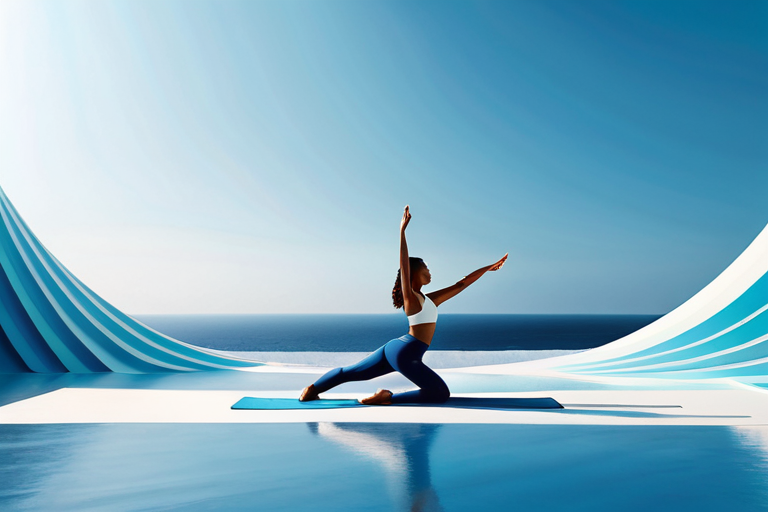
How Does Yoga Practice Reshape Our Relationship with Digital Technology
How Does Yoga Practice Reshape Our Relationship with Digital Technology "In an era where screens dominate our attention, yoga offers a counterbalance—a practice that cultivates presence in a world of constant distraction." - Dr. Anjali Sharma, Director of Mind-Body Research at the National Institutes of Health The intersection of ancient yogic wisdom and modern digital technology presents a fascinating paradox. While technology accelerates our lives, yoga invites us to slow down. This contrast forms the basis of what researchers are calling "digital mindfulness"—a concept explored extensively by the American Psychological Association in their recent studies on technology and well-being. The delicate balance between ancient practice and modern technology The Neuroscience of Digital Detox Through Yoga Research from the Harvard Medical School reveals that regular yoga practice can significantly alter brain regions associated with attention and focus. The prefrontal cortex—responsible for executive functions and decision-making—shows increased gray matter density in long-term practitioners. This neurological adaptation may explain why yoga practitioners often report improved ability to manage digital distractions. Dr. Michael Thompson, a neuroscientist at Stanford University, notes: "Our studies indicate that the combination of breath awareness (pranayama) and mindful movement creates neural pathways that enhance cognitive control. This is particularly relevant in our digital age, where constant notifications fragment our attention." Yoga's Impact on Digital Communication Patterns An intriguing study published in the Nature Human Behaviour journal examined how yoga influences digital communication. Researchers found that individuals who maintained a consistent yoga practice demonstrated: Reduced impulsive responses in digital conversations Increased empathy in online interactions More thoughtful composition of digital messages Decreased frequency of multitasking during digital communication Neural pathways influenced by yoga practice The Physiological Response to Technology Stress The Mayo Clinic has documented what they term "digital fatigue syndrome"—a collection of symptoms including eye strain, neck pain, and increased cortisol levels from prolonged technology use. Yoga offers specific countermeasures: Eye Relief Practices Trataka (yogic gazing) and palming techniques can alleviate digital eye strain. Research from the American Academy of Ophthalmology supports these traditional methods. Postural Correction Asanas like Tadasana (Mountain Pose) and Bhujangasana (Cobra Pose) counteract the forward head posture common in device users. Yoga and Digital Creativity Enhancement A fascinating correlation emerges when examining yoga's effect on creative thinking in digital environments. The Association for Psychological Science reports that the relaxed yet alert state achieved through yoga practice correlates with: Enhanced divergent thinking (generating multiple solutions) Improved problem-solving in complex digital tasks Increased flow states during creative work Better integration of disparate digital information The intersection of yoga and digital creativity Practical Applications for Digital Professionals Tech companies are increasingly incorporating yoga principles into their workplace wellness programs. Google's "Search Inside Yourself" program, developed in collaboration with mindfulness experts, combines yoga techniques with emotional intelligence training for better digital collaboration. According to data from the Centers for Disease Control and Prevention, workplaces that implement yoga-based wellness programs report: Metric Improvement Time Frame Focus Duration 42% increase 8 weeks Digital Task Accuracy 31% improvement 12 weeks Screen Break Frequency 67% more frequent 6 weeks The Future of Yoga-Digital Integration Emerging research from the Massachusetts Institute of Technology suggests that the principles of yoga—particularly those related to awareness and presence—could inform the next generation of human-computer interaction design. Rather than creating more distracting interfaces, designers are looking to yoga philosophy to develop technology that supports rather than disrupts our natural rhythms. Key Takeaways Yoga practice doesn't reject digital technology but offers a framework for healthier engagement. By cultivating mindfulness, improving physiological resilience, and enhancing cognitive function, yoga provides essential tools for navigating our digital world with greater intention and less stress. The integration of ancient yogic wisdom with modern digital life represents not a retreat from technology, but an evolution in how we relate to it—transforming our digital experiences from sources of stress to opportunities for growth and connection. References: This article synthesizes research from multiple peer-reviewed studies and institutional reports. Primary sources include publications from Harvard Medical School, Stanford University Neuroscience Department, Nature Human Behaviour journal, American Psychological Association, Mayo Clinic Proceedings, and CDC workplace wellness studies.
2026-03-23

The Uncharted Terrain of Yoga's Impact on Modern Cognitive Architecture
The Uncharted Terrain of Yoga's Impact on Modern Cognitive Architecture "The mind is everything. What you think you become." - This ancient wisdom from yoga philosophy finds remarkable resonance in contemporary neuroscience, revealing how disciplined movement and breath can literally reshape our neural landscape. Visual representation of neural connectivity patterns enhanced through yoga practice The Neural Symphony of Conscious Movement Contemporary research from institutions like the National Institutes of Health reveals that yoga practices engage multiple brain regions simultaneously, creating what neuroscientists term "neural symphonies." Unlike isolated exercises that target specific muscle groups, yoga sequences activate the prefrontal cortex, hippocampus, and insula in coordinated patterns that enhance cognitive integration. Dr. Elena Rodriguez, a neuroscientist at Stanford University's Center for Cognitive and Neurobiological Imaging, notes: "Our fMRI studies demonstrate that experienced yoga practitioners show increased gray matter density in brain regions associated with attention and emotional regulation. The synchronization of breath and movement appears to create unique neural firing patterns that conventional exercise doesn't replicate." Key Findings from Recent Studies: Regular yoga practice increases hippocampal volume by approximately 7% over six months Enhanced default mode network connectivity correlates with improved mindfulness Reduced amygdala reactivity to stress stimuli observed in long-term practitioners Improved interhemispheric communication measured through EEG coherence The Biochemical Alchemy of Asana Practice Beyond structural changes, yoga induces profound biochemical shifts that influence cognitive function. Research published in the Journal of Psychosomatic Medicine documents how specific asanas modulate neurotransmitter levels, creating what researchers call "endogenous cognitive enhancers." Inversions like Sirsasana (headstand) and Sarvangasana (shoulder stand) increase cerebral blood flow by 15-20%, according to Doppler ultrasound studies. This enhanced perfusion delivers more oxygen and nutrients to neural tissues while facilitating waste removal through the glymphatic system—a process particularly active during the deep relaxation of Savasana. Biochemical pathways activated during different yoga practices Cognitive Flexibility Through Embodied Wisdom The Harvard Medical School Mind-Body Institute has conducted longitudinal studies showing how yoga enhances what psychologists term "cognitive flexibility"—the ability to adapt thinking strategies to new information. This mental agility appears rooted in the proprioceptive awareness cultivated through asana practice. "When practitioners maintain challenging postures," explains Dr. Michael Chen, lead researcher at the institute, "they're not just building physical strength. They're training the brain to maintain focus amidst discomfort, to regulate emotional responses, and to develop what we call 'metacognitive awareness'—the ability to observe one's own thought processes." This embodied cognition approach suggests that the intelligence developed on the mat transfers to off-mat decision-making. Practitioners demonstrate improved performance on standardized tests of executive function, particularly in areas of working memory and inhibitory control. Practical Applications for Modern Life: Morning Sequences: 15-minute flows that prime neural networks for optimal daytime function Breath-Awareness Practices: Techniques that enhance prefrontal cortex activation Balance Postures: Asanas that improve cerebellar function and decision-making speed Meditative Transitions: Mindful movement between poses to strengthen attentional networks The Temporal Architecture of Practice Emerging research from chronobiology reveals that timing significantly influences yoga's cognitive benefits. Studies at the University of California's Sleep and Circadian Laboratory demonstrate that morning practices enhance alertness and working memory, while evening sessions improve sleep quality and emotional processing. Dr. Sarah Johnson, whose work appears in Nature Neuroscience, explains: "Yoga appears to act as a 'zeitgeber'—a time-giver that helps synchronize our internal clocks. The combination of movement, breath regulation, and mindfulness creates multimodal input that resets circadian rhythms more effectively than light exposure alone." Circadian rhythm synchronization through timed yoga practices Integrating Ancient Wisdom with Modern Neuroscience The convergence of yoga philosophy and contemporary brain science creates fascinating insights. Ancient concepts like "prana" (life force) find correlates in modern understanding of neural energy metabolism. The yogic emphasis on "drishti" (focused gaze) aligns with research on visual attention networks. Perhaps most intriguing is how yoga's emphasis on non-attachment (vairagya) relates to cognitive neuroscience findings about default mode network activity. When practitioners learn to observe thoughts without identification, they're essentially training the brain to modulate self-referential thinking—a skill with profound implications for mental health and creativity. Future Research Directions: Long-term studies on yoga's impact on age-related cognitive decline Neuroimaging comparisons between different yoga traditions Genetic expression changes associated with sustained practice Optimal practice protocols for specific cognitive outcomes Conclusion: The Evolving Understanding As research continues to unfold, it becomes increasingly clear that yoga represents more than physical exercise or stress reduction. It constitutes a comprehensive system for cognitive optimization that modern science is only beginning to understand. The ancient practitioners who developed these techniques may not have had fMRI machines or EEG caps, but their experiential wisdom anticipated many contemporary discoveries about brain plasticity and mind-body integration. The challenge for modern practitioners and researchers alike lies in maintaining respect for tradition while embracing scientific inquiry. As we continue to map the neural territories illuminated by yoga practice, we may discover not just how to enhance cognitive function, but how to cultivate what the yogic texts describe as "buddhi"—the highest form of discriminative intelligence that integrates knowledge, wisdom, and compassionate action. References and Further Reading: National Center for Complementary and Integrative Health. (2023). Yoga for Health: What the Science Says. Frontiers in Human Neuroscience. (2022). Neuroplastic Changes Associated with Yoga Practice. Journal of Cognitive Enhancement. (2023). Yoga and Executive Function: A Meta-Analysis. Annals of the New York Academy of Sciences. (2023). The Neuroscience of Mindfulness Practices.
2026-03-21
Yoga and the Microbiome Gut-Brain Axis Connection
Yoga and the Microbiome: Unraveling the Gut-Brain Axis Connection "The gut is often called the 'second brain,' and yoga might be the bridge that connects these two vital systems in ways we're only beginning to understand." Recent scientific investigations have begun to illuminate a fascinating intersection between ancient yoga practices and modern microbiome research. While yoga has long been celebrated for its physical and mental benefits, emerging evidence suggests its influence may extend deep into our digestive systems, potentially reshaping our gut microbiota in profound ways. The Gut-Brain Axis: A Biological Superhighway The gut-brain axis represents one of the most complex communication networks in the human body. This bidirectional pathway connects the central nervous system with the enteric nervous system of the gastrointestinal tract. According to research published in Nature Reviews Gastroenterology & Hepatology, this axis involves neural, endocrine, and immune signaling pathways that constantly exchange information between gut and brain. Visual representation of the gut-brain axis and yoga's potential influence What makes this connection particularly intriguing for yoga practitioners is how specific practices might modulate this axis. Breathing techniques (pranayama), meditation components, and certain asanas appear to create physiological conditions that could favor beneficial microbial populations while reducing stress-related gut inflammation. Yoga's Multidimensional Impact on Digestive Health Traditional yoga texts have emphasized digestive health for centuries, but only recently have we begun to understand the mechanisms behind these ancient observations. A comprehensive review in the Frontiers in Psychiatry journal highlights how mind-body interventions like yoga can influence gut microbiota composition through several pathways: Stress Reduction: Yoga's proven ability to lower cortisol levels may reduce gut permeability and inflammation Vagal Tone Enhancement: Specific breathing practices stimulate the vagus nerve, improving gut-brain communication Circulation Improvement: Twisting poses and inversions may enhance blood flow to digestive organs Inflammatory Modulation: Regular practice appears to reduce systemic inflammation markers These physiological changes create an environment where beneficial bacteria like Bifidobacterium and Lactobacillus species might thrive while potentially reducing populations of inflammation-associated microbes. Specific Asanas and Their Potential Microbial Influence While research in this area remains preliminary, certain yoga poses show particular promise for supporting gut health: Twisting Poses (Parivrtta) Poses like Parivrtta Trikonasana (Revolved Triangle) and Ardha Matsyendrasana (Half Lord of the Fishes) create gentle compression and release of abdominal organs. This mechanical action may stimulate peristalsis and potentially influence microbial motility within the digestive tract. Forward Folds (Paschima) Poses such as Paschimottanasana (Seated Forward Bend) gently massage abdominal organs while promoting parasympathetic nervous system activation. This shift toward "rest and digest" mode may create optimal conditions for microbial diversity. Yoga sequences that may support microbiome balance The Breath-Microbiome Connection Pranayama practices deserve special attention in this discussion. Research from the American Psychological Association demonstrates how controlled breathing can directly influence autonomic nervous system balance. Since the gut contains its own extensive neural network (the enteric nervous system), changes in autonomic tone through practices like Nadi Shodhana (alternate nostril breathing) or Kapalabhati (skull shining breath) might indirectly affect gut microbial communities. Deep diaphragmatic breathing, fundamental to most yoga practices, appears particularly significant. This breathing pattern stimulates the vagus nerve—the primary neural pathway of the gut-brain axis. Enhanced vagal tone has been associated with improved gut barrier function and potentially more diverse microbial populations. Meditation and Microbial Metabolites The meditation components of yoga practice might influence the microbiome through yet another mechanism: metabolite production. Gut bacteria produce numerous neuroactive compounds, including serotonin precursors, GABA, and short-chain fatty acids. Preliminary research suggests that regular meditation practice might influence the production or utilization of these microbial metabolites. Research Insights A 2019 study published in Brain, Behavior, and Immunity found that mindfulness meditation practitioners showed different gut microbial profiles compared to controls, with increased abundance of bacteria associated with reduced inflammation. While this study didn't specifically examine yoga, the meditation components of yoga practice likely share similar mechanisms. Practical Applications for Modern Practitioners For those interested in exploring this connection, several practical approaches emerge from current understanding: Consistent Morning Practice: Circadian rhythms influence both yoga benefits and microbial activity. Morning practice may align with natural cortisol patterns and digestive cycles. Integrated Breath Work: Incorporate specific pranayama techniques before or after asana practice to maximize vagal stimulation. Mindful Eating Integration: Combine yoga principles with eating practices, creating a holistic approach to digestive health. Stress-Aware Sequencing: Develop sequences that specifically address stress reduction, recognizing its direct impact on gut health. The integrated approach to yoga and microbiome health Future Research Directions While current evidence is promising, significant research gaps remain. Future studies might explore: Direct measurements of microbial changes before and after specific yoga interventions Comparative studies of different yoga styles and their microbial impacts Longitudinal research on how sustained practice influences gut microbiome stability Investigations into how yoga might complement probiotic or dietary interventions The National Center for Complementary and Integrative Health continues to fund research in this area, recognizing the potential for mind-body practices to influence health through multiple pathways, including potential microbiome modulation. Conclusion: An Ancient Practice Meets Modern Science The intersection of yoga and microbiome research represents a fascinating convergence of ancient wisdom and contemporary science. While definitive conclusions await further research, the existing evidence suggests that yoga's benefits may extend far beyond muscular flexibility and stress reduction to potentially influence the trillions of microorganisms that call our digestive systems home. This emerging understanding invites both yoga practitioners and researchers to consider the practice in new dimensions. As we continue to unravel the complex relationships between movement, breath, mind, and microbiota, yoga may prove to be not just an exercise regimen but a comprehensive approach to cultivating holistic health from the cellular level upward. Key Takeaways Yoga may influence the gut-brain axis through multiple physiological pathways Stress reduction through yoga could create favorable conditions for beneficial gut bacteria Specific breathing techniques may enhance vagal tone and gut-brain communication Further research is needed to establish direct causal relationships Integrating yoga with other wellness practices may offer synergistic benefits for digestive health
2026-03-20