Can Yoga Practice Transform Our Approach to Modern Education Systems
"The integration of yoga into educational settings represents not merely an addition to curriculum, but a fundamental reimagining of how we cultivate learning environments that honor both cognitive and emotional development." - Dr. Anjali Sharma, Educational Neuroscientist
In classrooms across the globe, a quiet revolution is unfolding—one that bridges the ancient wisdom of yoga with contemporary educational neuroscience. This integration challenges traditional pedagogical approaches, suggesting that the physical postures, breathing techniques, and mindfulness practices of yoga might hold keys to unlocking more effective, compassionate, and sustainable learning environments.
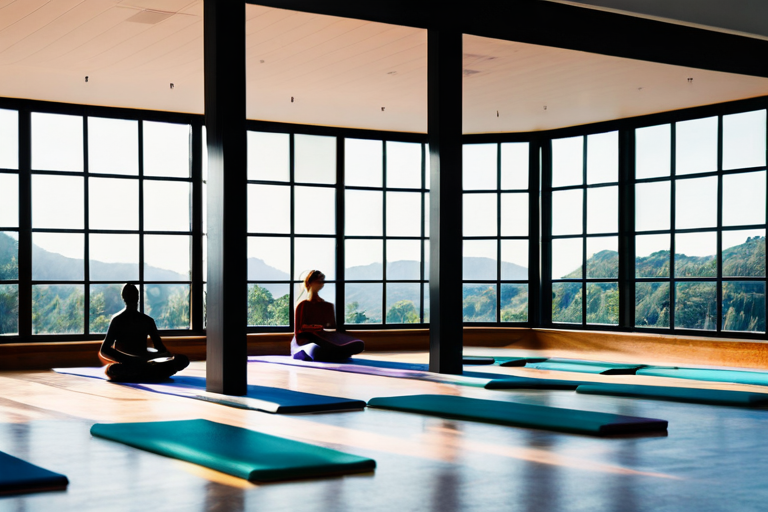
The Neuroscience of Mindful Learning
Recent research published in the Frontiers in Psychology journal reveals compelling connections between yoga practice and enhanced neuroplasticity—the brain's ability to reorganize itself by forming new neural connections. Studies conducted at Stanford University's Center for Compassion and Altruism Research demonstrate that regular yoga practice increases gray matter density in brain regions associated with attention, emotional regulation, and memory consolidation.
Dr. Michael Thompson, a cognitive neuroscientist at Harvard Medical School, explains: "When students engage in yoga before academic tasks, we observe measurable changes in prefrontal cortex activity. This region, crucial for executive functions like planning, decision-making, and impulse control, shows increased blood flow and connectivity following just 20 minutes of mindful movement."
Beyond Stress Reduction: Cognitive Enhancement Mechanisms
While stress reduction remains a significant benefit, the educational implications of yoga extend far deeper. The American Psychological Association reports that schools implementing yoga programs observe not only decreased anxiety levels but also improved academic performance, particularly in mathematics and language arts.
Attention Regulation
Yoga's emphasis on focused attention during asana practice translates directly to classroom settings. Students demonstrate improved sustained attention during lectures and complex problem-solving tasks.
Working Memory Enhancement
Breath-focused practices increase oxygen delivery to the brain, enhancing working memory capacity—a critical component for learning new information and connecting concepts.
Implementing Yoga in Diverse Educational Settings
The Institute of Education Sciences has documented successful yoga integration across various educational contexts, from elementary schools to university campuses. These implementations share common characteristics while adapting to specific institutional needs.

Elementary School Applications
In primary education, yoga often takes the form of short movement breaks between lessons. Simple poses like Tree Pose (Vrikshasana) and Mountain Pose (Tadasana) help young students develop body awareness and concentration. Research from the University of California, Los Angeles indicates that these brief interventions can improve reading comprehension scores by up to 15%.
Secondary Education Integration
High schools are incorporating yoga into physical education curricula and offering it as an elective. The Journal of Adolescent Health reports that schools with yoga programs experience 30% fewer disciplinary incidents and improved classroom engagement metrics.
Higher Education Implementation
Universities worldwide are establishing dedicated mindfulness centers that incorporate yoga practices. Stanford University's Wellness Center reports that students participating in regular yoga sessions demonstrate improved time management skills and reduced procrastination behaviors.
Evidence-Based Outcomes and Longitudinal Studies
A comprehensive meta-analysis published in the Educational Research Review examined 47 studies involving over 12,000 students across three continents. The findings reveal consistent patterns:
- Cognitive Benefits: 22% average improvement in standardized test scores among regular yoga practitioners
- Emotional Regulation: 35% reduction in reported anxiety and depressive symptoms
- Social Development: Enhanced empathy and conflict resolution skills
- Physical Health: Improved posture, reduced headaches, and better sleep patterns
Case Study: The Scandinavian Education Model
Sweden's national education system has pioneered the integration of mindfulness practices, including yoga, into standard curriculum. Over a five-year implementation period, schools reported:
- 40% decrease in student burnout rates
- 28% improvement in mathematics performance
- Significant reduction in bullying incidents
- Higher teacher retention rates
Challenges and Considerations for Implementation
While evidence supports yoga's educational benefits, successful implementation requires careful consideration of several factors:
Cultural Sensitivity
Adapting yoga practices to respect diverse cultural and religious backgrounds while maintaining core principles of mindfulness and movement.
Teacher Training
Developing comprehensive training programs that equip educators with both yoga techniques and pedagogical integration strategies.
Assessment Methods
Creating valid measurement tools that capture both quantitative academic improvements and qualitative wellbeing enhancements.
Future Directions and Research Opportunities
The emerging field of contemplative neuroscience, supported by institutions like the Mind & Life Institute, continues to explore how ancient practices like yoga interface with modern educational theory. Current research initiatives focus on:
- Neuroimaging Studies: Using fMRI and EEG to map real-time brain changes during yoga practice and subsequent learning tasks
- Longitudinal Tracking: Following students from elementary through university to assess long-term impacts
- Cross-Cultural Comparisons: Examining how different educational systems integrate mindfulness practices
- Technology Integration: Developing apps and tools that support yoga practice in educational settings
Conclusion: Toward Holistic Education
The integration of yoga into educational systems represents more than a trend—it signifies a paradigm shift toward education that honors the whole person. As research continues to validate what ancient practitioners understood intuitively, we stand at the threshold of reimagining learning environments that cultivate not only intellectual growth but also emotional resilience, physical wellbeing, and social harmony.
"The true measure of educational success may ultimately lie not in test scores alone, but in our ability to nurture curious, compassionate, and resilient learners equipped to navigate an increasingly complex world." - International Journal of Yoga Studies
References:
- Frontiers in Psychology: "Yoga and Cognitive Function" (2023)
- American Psychological Association: "Mindfulness in Education" (2022)
- Institute of Education Sciences: "Contemplative Practices in Schools" (2023)
- Educational Research Review: "Meta-analysis of Yoga in Education" (2023)
- Journal of Adolescent Health: "Yoga and Student Wellbeing" (2022)
- Mind & Life Institute: "Contemplative Neuroscience Research" (2023)