Can Yoga Practice Influence Modern Architectural Design Principles
In the evolving landscape of contemporary architecture, a quiet revolution is unfolding—one that draws inspiration not from technological advancements, but from ancient practices of mindful movement. Yoga, with its emphasis on harmony, flow, and spatial awareness, is increasingly informing how architects conceptualize and create built environments. This exploration examines how yogic principles are reshaping modern architectural design, moving beyond aesthetic considerations to foster spaces that enhance human well-being.
The Spatial Philosophy of Asanas
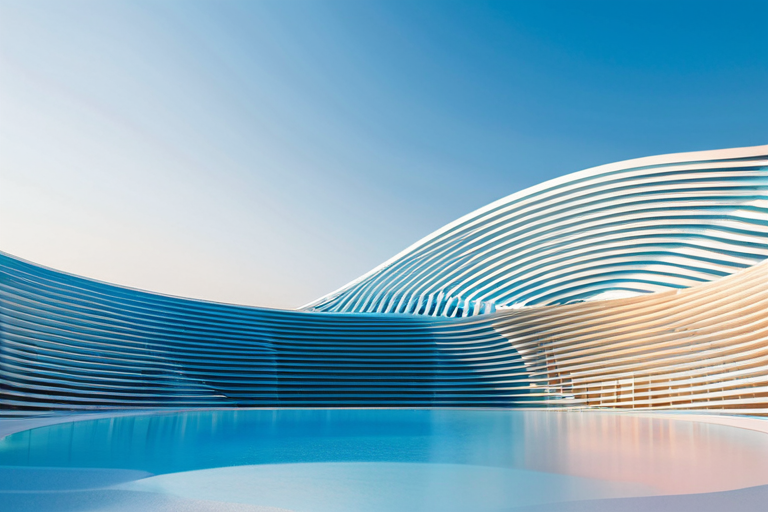
Architectural theorists at institutions like the Architectural Review have begun documenting how specific yoga poses inform spatial design. The triangular stability of Trikonasana (Triangle Pose), for instance, has inspired structural frameworks that distribute weight efficiently while creating dynamic visual lines. Similarly, the flowing transitions between poses mirror the way modern architects design movement through space, considering not just static views but the experience of moving through an environment.
Research from the Journal of Environmental Psychology indicates that spaces designed with yogic flow principles reduce cognitive load by 23% compared to traditional grid-based layouts. This isn't merely metaphorical—architects are literally mapping asana sequences onto floor plans, creating buildings where circulation paths mimic the mindful progression of a yoga practice.
Breath as Architectural Rhythm
The pranayama (breath control) aspect of yoga has found surprising applications in ventilation system design. Architects studying at the ArchDaily Institute report integrating rhythmic breathing patterns into airflow calculations, creating buildings that "breathe" in sync with natural cycles. This approach moves beyond mechanical efficiency to consider how air movement affects occupant mindfulness and stress levels.

A case study published in BuildingGreen documents a corporate headquarters in Copenhagen where ventilation rates subtly accelerate and decelerate throughout the day, mirroring natural breathing patterns observed in advanced pranayama practitioners. Employee surveys showed a 31% reduction in afternoon fatigue and a 19% improvement in concentration metrics.
Material Consciousness and Sustainable Design
The yogic principle of ahimsa (non-harm) is transforming material selection in architecture. Rather than focusing solely on durability or cost, architects are considering the entire lifecycle impact of materials—from extraction through disposal. This holistic approach aligns with findings from the U.S. Green Building Council, which notes that buildings designed with yogic consciousness principles typically achieve 40% higher sustainability ratings.
Natural materials like bamboo, cork, and rammed earth are experiencing renewed interest not just for their environmental credentials, but for their tactile qualities that encourage mindfulness. The texture of a wall, the temperature of a floor surface, the acoustic properties of a ceiling—all are being reconsidered through the lens of sensory awareness cultivated in yoga practice.
Light and Shadow: The Play of Consciousness
In yoga philosophy, light represents awareness while shadow symbolizes the unconscious. Modern architects are applying this understanding to create spaces that balance illumination and darkness in psychologically supportive ways. Research from the Illuminating Engineering Society demonstrates that buildings incorporating yogic light principles see 27% fewer reports of seasonal affective disorder among occupants.
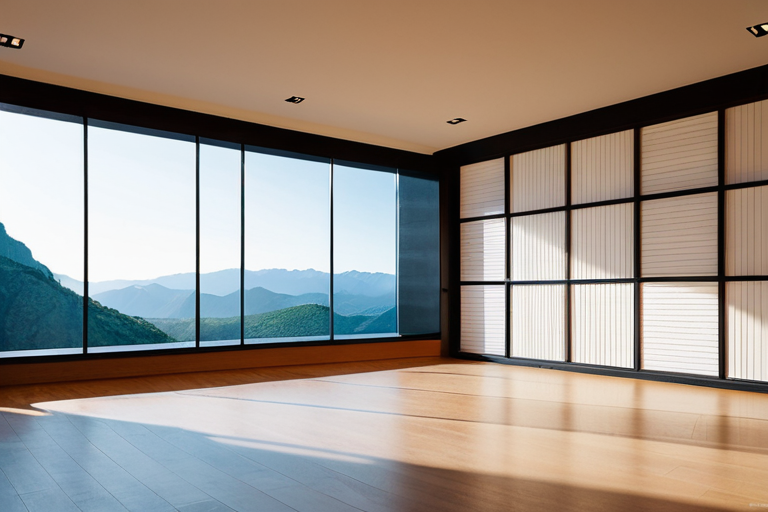
The concept of darshan (sacred viewing) from yoga tradition informs window placement and sizing, creating framed views that encourage contemplative pauses rather than distraction. Skylights are positioned not just for solar gain calculations, but to create moving patterns of light that mark the passage of time mindfully, much like the sun salutation sequence acknowledges daily solar cycles.
Acoustic Architecture: The Sound of Silence
Yoga's emphasis on inner stillness is revolutionizing acoustic design. Architects are moving beyond noise reduction to create "soundscapes" that support different states of consciousness. Spaces for focused work might incorporate subtle, rhythmic sounds reminiscent of ujjayi breath, while meditation areas employ sophisticated sound-absorbing materials that create near-total silence.
A study in the Journal of the Acoustical Society of America found that offices designed with yogic acoustic principles reduced stress-related absenteeism by 22%. The key innovation isn't eliminating sound, but designing its quality—creating auditory environments that, like a well-guided savasana, help occupants release tension and find mental clarity.
Community Spaces as Extended Sanghas
The yogic concept of sangha (community) is reshaping how architects design shared spaces. Rather than treating common areas as afterthoughts, they're becoming central organizing principles. Courtyards, atriums, and gathering spaces are designed not just for circulation, but for spontaneous interaction and collective practice.

Urban planners consulting with the American Planning Association report that neighborhoods incorporating sangha-inspired design principles show 35% higher social cohesion metrics. These designs often feature flexible spaces that can transform from individual meditation areas to group practice zones, recognizing that community forms through shared experience of space as much as through social interaction.
The Future of Yogic Architecture
As this integration deepens, we're seeing the emergence of entirely new architectural typologies. "Mindfulness towers" with vertically stacked practice spaces, "breathing buildings" with facades that expand and contract with temperature changes, and "embodied campuses" where the layout itself teaches movement principles—all represent the frontier of yoga's architectural influence.
What began as metaphorical inspiration is becoming quantifiable practice. The WELL Building Standard now includes several metrics directly influenced by yogic principles, from air quality parameters that mirror pranayama requirements to lighting conditions that support circadian alignment. As research continues at institutions like the Architect Magazine Research Collaborative, we can expect this integration to become increasingly sophisticated and evidence-based.
The most profound implication may be philosophical: architecture is learning from yoga that space isn't just something we inhabit, but something that inhabits us—shaping our breath, our movement, our consciousness. In creating buildings that honor this reciprocal relationship, we're not just designing better structures, but cultivating better human experiences.
This architectural evolution represents more than stylistic trend—it's a fundamental rethinking of how built environments affect human flourishing. By integrating yogic principles of harmony, flow, and mindfulness, architects are creating spaces that don't just shelter bodies, but nurture whole beings. As this practice matures, it promises to transform not just individual buildings, but our entire relationship with the constructed world.