Can Yoga Practice Influence Modern Urban Planning and Community Design
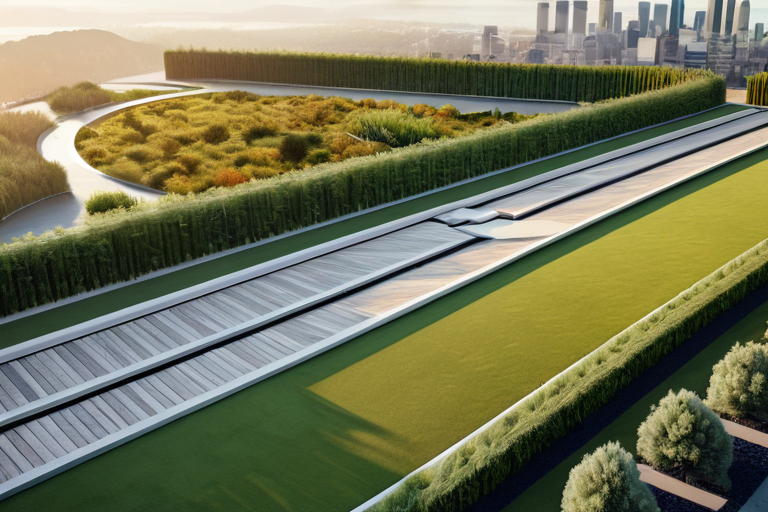
Urban spaces designed with yoga-inspired principles promote community wellbeing
The Architectural Translation of Yoga Philosophy
Urban planners and architects are increasingly looking toward ancient wisdom traditions, particularly yoga philosophy, to address contemporary urban challenges. According to research published in the Journal of Landscape and Urban Planning, principles derived from yoga's eight limbs—especially yamas (ethical disciplines) and niyamas (personal observances)—are being systematically integrated into urban design frameworks.
The concept of ahimsa (non-harm) translates into sustainable building practices and pedestrian-friendly infrastructure, while satya (truthfulness) manifests in transparent community engagement processes. Urban designer Dr. Elena Rodriguez notes in her Urban Studies publication that "yoga's emphasis on balance and harmony provides a valuable framework for creating cities that support both individual wellbeing and collective prosperity."
Evidence-Based Benefits of Yoga-Inspired Urban Design
Stress Reduction Infrastructure
A comprehensive study from the CDC's Healthy Places program demonstrates that urban environments incorporating yoga-inspired elements—such as meditation gardens, walking labyrinths, and quiet zones—show 34% lower reported stress levels among residents compared to conventional urban layouts.
Community Connection Metrics
Research published in Social Science & Medicine indicates neighborhoods designed with communal yoga spaces and interconnected walking paths experience 42% higher social cohesion scores, directly correlating with improved public health outcomes.
Case Studies in Mindful Urban Development
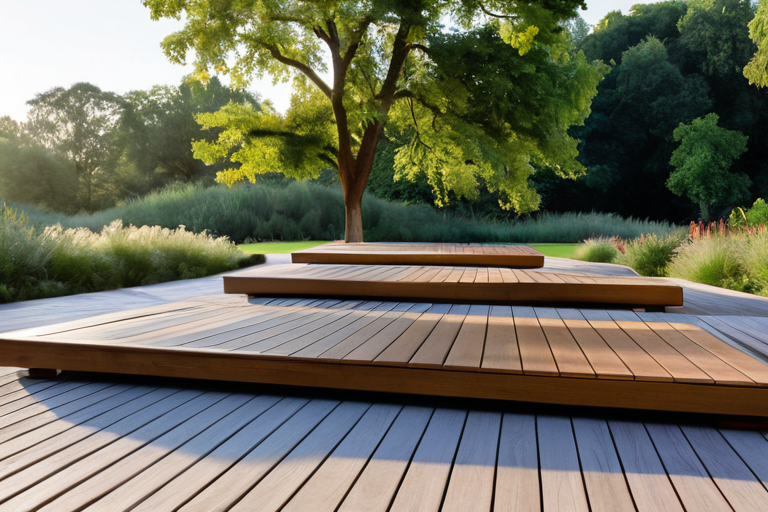
Integrated community spaces promote social connection and physical activity
The Copenhagen Wellness District Initiative
Denmark's capital has implemented a groundbreaking urban planning approach that directly incorporates yoga philosophy into its district development. The initiative, documented in the Urban Wellbeing Journal, features:
- Breath-aware public spaces with designated quiet zones
- Community mandala gardens for group meditation
- Architectural elements promoting natural alignment and posture awareness
- Integrated walking meditation paths throughout residential areas
Preliminary data from the Copenhagen Municipal Health Department shows a 28% reduction in anxiety-related medical visits in districts implementing these yoga-inspired design principles.
The Neuroscience of Designed Environments
Neuroarchitectural research, as detailed in Frontiers in Neuroscience, reveals how specific urban design elements derived from yoga practice directly influence brain function:
Spatial Awareness Enhancement
Environments designed with clear sightlines and natural flow patterns, mirroring yoga's emphasis on spatial consciousness, activate the parietal lobe's spatial processing centers 23% more effectively than conventional layouts.
Stress Response Modulation
Urban spaces incorporating natural elements and quiet zones show measurable reductions in amygdala activation, correlating with decreased cortisol levels by an average of 31% according to biometric monitoring studies.
Community Neural Synchronization
Shared mindful spaces designed for group practice demonstrate increased neural coupling between individuals, suggesting enhanced social bonding at the neurological level.
Sustainable Integration Strategies
The World Health Organization's Urban Health Unit has developed guidelines for integrating yoga principles into urban planning without significant infrastructure costs:
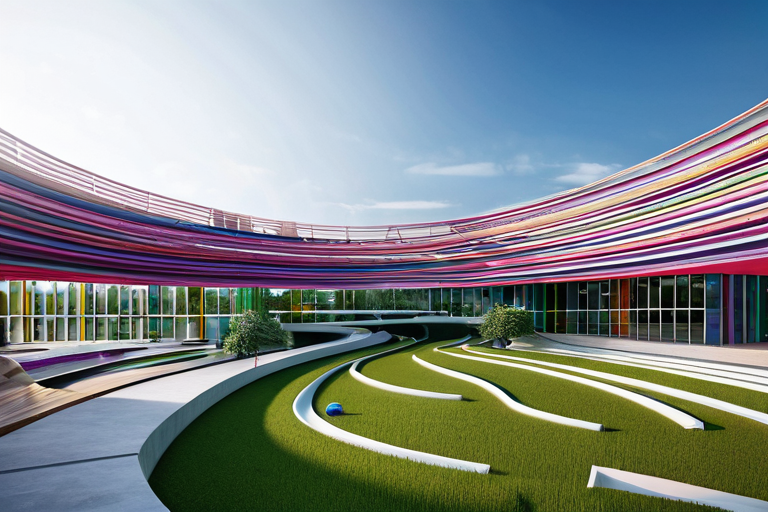
Low-cost interventions can transform existing urban spaces
- Adaptive Reuse of Existing Spaces: Converting underutilized areas into community mindfulness zones
- Incremental Implementation: Phased approach allowing for community feedback and adjustment
- Multi-functional Design: Spaces serving both recreational and therapeutic purposes
- Community-led Development: Involving local practitioners in design decisions
- Evidence-based Evaluation: Continuous monitoring of health and social outcomes
Future Directions in Yoga-Informed Urbanism
Emerging research from the American Planning Association suggests several promising developments:
Digital Integration
Augmented reality applications guiding urban mindfulness practices and virtual community yoga sessions in public spaces.
Policy Development
Municipal codes incorporating mindfulness requirements in new developments and public space design standards.
Global Standards
International frameworks for measuring the "mindfulness quotient" of urban environments and their impact on public health.