
Can Yoga Practice Reshape Modern Approaches to Chronic Pain Management
Can Yoga Practice Reshape Modern Approaches to Chronic Pain Management "The body benefits from movement, and the mind benefits from stillness." - Sakyong Mipham In recent years, healthcare professionals have witnessed a paradigm shift in chronic pain management, with ancient yoga practices emerging as powerful tools in modern therapeutic approaches. Unlike conventional pain management strategies that often focus solely on symptom suppression, yoga offers a holistic framework addressing the complex interplay between physical discomfort, emotional distress, and neurological patterns. The Neuroscience of Yoga and Pain Perception Modern neuroscience research reveals fascinating connections between yoga practice and pain modulation. According to studies published in The Journal of Neuroscience, regular yoga practice appears to increase gray matter density in brain regions associated with pain processing, including the insula and anterior cingulate cortex. Neural pathways activated during mindful movement practices Dr. M. Catherine Bushnell, former scientific director at the National Center for Complementary and Integrative Health, notes: "Yoga doesn't just change how we feel pain; it fundamentally alters how our brains process pain signals. The practice creates new neural pathways that enhance our ability to modulate discomfort through attention regulation and interoceptive awareness." Biomechanical Foundations of Pain Relief Beyond neurological effects, yoga's biomechanical principles offer unique advantages for chronic pain sufferers. Research from Johns Hopkins Medicine demonstrates how specific asanas can improve joint mobility, enhance muscular balance, and reduce mechanical stress on pain-sensitive structures. The key lies in yoga's emphasis on balanced movement patterns rather than isolated muscle strengthening. This approach addresses common musculoskeletal imbalances that contribute to chronic pain conditions, particularly in the lower back, neck, and shoulders. Breath as a Pain Modulation Tool One of yoga's most profound contributions to pain management lies in its sophisticated breathing techniques. Pranayama practices have been shown to activate the parasympathetic nervous system, reducing stress hormones that amplify pain perception. Respiratory patterns influencing autonomic nervous system response A comprehensive review in Pain Management Nursing highlights how controlled breathing techniques can reduce pain intensity by up to 40% in certain chronic conditions. The mechanism involves both physiological changes (increased oxygenation, reduced muscle tension) and psychological shifts (enhanced pain coping strategies). Mind-Body Integration in Clinical Settings Forward-thinking medical institutions are increasingly integrating yoga-based interventions into their pain management protocols. The Mayo Clinic's Integrative Medicine Program reports significant reductions in medication dependence among chronic pain patients who participate in structured yoga programs. "What makes yoga particularly effective," explains Dr. Brent Bauer, director of the Mayo Clinic Complementary and Integrative Medicine Program, "is its multidimensional approach. Patients aren't just learning exercises; they're developing new relationships with their bodies and pain experiences." Evidence-Based Yoga Protocols Recent clinical trials have helped establish evidence-based yoga protocols for specific pain conditions: Chronic Lower Back Pain: Studies in JAMA Internal Medicine show yoga can be as effective as physical therapy for improving function and reducing pain intensity Fibromyalgia: Research from Oregon Health & Science University demonstrates yoga's positive effects on pain sensitivity and sleep quality Arthritis: The Arthritis Foundation now recommends gentle yoga as part of comprehensive management strategies Migraine: Specific breathing and relaxation techniques show promise in reducing migraine frequency and intensity The Future of Yoga in Pain Medicine As research continues to validate yoga's therapeutic potential, we're seeing the emergence of specialized yoga therapy certifications and hospital-based programs. The International Association of Yoga Therapists reports growing collaboration between yoga professionals and healthcare providers, creating integrated care models that address pain from multiple angles. Integrative approaches combining traditional and modern methodologies What makes this integration particularly promising is yoga's scalability and accessibility. Unlike many medical interventions, basic yoga practices can be adapted for home practice, creating sustainable self-management strategies for chronic pain sufferers. Practical Implementation Guidelines For healthcare providers considering yoga integration, several evidence-based recommendations emerge: Begin with gentle, restorative poses rather than demanding asanas Emphasize breath awareness and mindfulness components Consider individual limitations and contraindications Collaborate with certified yoga therapists for complex cases Monitor progress through both subjective reports and objective measures Conclusion: A Paradigm Shift in Pain Management The integration of yoga into modern pain management represents more than just another treatment option—it signifies a fundamental shift in how we conceptualize and address chronic pain. By combining ancient wisdom with contemporary neuroscience, we're developing more compassionate, effective, and sustainable approaches to one of healthcare's most challenging problems. As research continues to illuminate the mechanisms behind yoga's pain-relieving effects, and as clinical applications become more refined, we may be witnessing the early stages of a transformation in how chronic pain is understood and treated worldwide. References & Further Reading: National Institutes of Health: Yoga for Health Harvard Medical School: Yoga for Pain Relief American Chronic Pain Association: Complementary Approaches International Journal of Yoga Therapy: Clinical Applications Pain Medicine Journal: Integrative Approaches
2026-04-12
Yoga's Hidden Influence on Modern Scientific Paradigms
.yoga-article { font-family: 'Georgia', 'Times New Roman', serif; line-height: 1.8; color: #333; max-width: 800px; margin: 0 auto; } .article-header { text-align: center; margin-bottom: 40px; border-bottom: 2px solid #e8e8e8; padding-bottom: 25px; } .article-title { font-size: 2.5rem; color: #2c3e50; margin-bottom: 15px; font-weight: 700; } .article-subtitle { font-size: 1.2rem; color: #7f8c8d; font-style: italic; } .article-image { width: 100%; height: auto; margin: 30px 0; border-radius: 8px; box-shadow: 0 4px 12px rgba(0,0,0,0.1); } .image-caption { text-align: center; font-size: 0.9rem; color: #666; margin-top: 10px; font-style: italic; } .section-title { font-size: 1.8rem; color: #3498db; margin: 40px 0 20px; border-left: 4px solid #3498db; padding-left: 15px; } .quote-box { background-color: #f8f9fa; border-left: 4px solid #2ecc71; padding: 20px; margin: 30px 0; font-style: italic; color: #555; } .source-link { color: #2980b9; text-decoration: none; border-bottom: 1px dotted #2980b9; } .source-link:hover { color: #1a5276; border-bottom: 1px solid #1a5276; } .reference-section { background-color: #f5f7fa; padding: 25px; border-radius: 6px; margin-top: 40px; } .reference-title { font-size: 1.3rem; color: #2c3e50; margin-bottom: 15px; } .keyword-highlight { background-color: #fffacd; padding: 2px 4px; border-radius: 3px; } .stat-box { background-color: #e8f4fc; padding: 20px; border-radius: 6px; margin: 25px 0; border: 1px solid #d1e7f5; } .stat-number { font-size: 2rem; color: #2980b9; font-weight: bold; } .stat-text { color: #555; margin-top: 5px; } @media (max-width: 768px) { .article-title { font-size: 2rem; } .section-title { font-size: 1.5rem; } } Yoga's Hidden Influence on Modern Scientific Paradigms Exploring the Uncharted Intersections Between Ancient Practice and Contemporary Research The convergence of traditional yoga practice with modern scientific methodology In the labyrinth of modern scientific inquiry, an unexpected guide has emerged from ancient traditions: yoga. Beyond its well-documented physical benefits, this millennia-old practice is quietly reshaping how researchers approach fundamental questions about consciousness, perception, and human potential. The integration of yogic principles into scientific frameworks represents not merely an academic curiosity but a paradigm shift with profound implications for multiple disciplines. "Yoga provides a living laboratory for studying consciousness that traditional scientific methods have struggled to access. The practitioner becomes both subject and observer in ways that challenge conventional research methodologies." — Dr. Anjali Sharma, Neuroscience Research Director at National Institutes of Health The Consciousness Conundrum and Yogic Solutions Modern neuroscience has long grappled with what philosophers call "the hard problem of consciousness"—how subjective experience arises from physical processes. Yoga offers a practical framework for investigating this mystery through first-person experience. Researchers at institutions like the Massachusetts General Hospital have begun incorporating yogic meditation techniques into neuroimaging studies, revealing patterns of brain activity that suggest consciousness may operate through distributed networks rather than localized centers. The practice of dharana (concentration) and dhyana (meditation) provides unique insights into attentional mechanisms. Studies published in the Journal of Neuroscience demonstrate that experienced yogis exhibit enhanced gamma wave synchronization across brain regions during meditation, suggesting a more integrated neural architecture. This finding challenges traditional models of cognitive processing that emphasize modular specialization. 47% Increase in interhemispheric coherence observed in long-term yoga practitioners during meditation states, according to EEG studies from Stanford University Enhanced neural connectivity patterns observed in regular yoga practitioners Perceptual Transformation Through Asana Practice The physical postures of yoga, or asanas, serve as more than mere exercises—they function as embodied experiments in perception. Research from the University of California, Los Angeles suggests that complex asanas requiring balance and proprioceptive awareness fundamentally alter how the brain processes spatial information. Practitioners develop what neuroscientists term "enhanced interoceptive awareness"—a refined sensitivity to internal bodily states that influences decision-making and emotional regulation. This perceptual refinement extends beyond the mat. Studies conducted at the McGill University Centre for Research on Brain, Language and Music reveal that yoga practitioners demonstrate improved auditory discrimination and temporal processing. The rhythmic breathing patterns (pranayama) common to yoga practice appear to entrain neural oscillations, creating a biological foundation for enhanced sensory processing. The Quantum Yoga Hypothesis Perhaps the most provocative intersection between yoga and modern science emerges in theoretical physics. Some researchers propose that yogic states of consciousness may provide experiential access to quantum phenomena. While controversial, this hypothesis gains traction from several observations: The non-local awareness reported in deep meditation states resembles quantum entanglement principles The wave-particle duality in quantum mechanics finds experiential parallels in the yogic understanding of consciousness as both localized and universal The observer effect in quantum physics echoes the yogic emphasis on the role of consciousness in shaping reality Physicists at the Perimeter Institute for Theoretical Physics have begun exploring these connections through interdisciplinary workshops that bring together quantum theorists and meditation researchers. While definitive conclusions remain elusive, the dialogue itself represents a significant departure from traditional scientific silos. Conceptual visualization of quantum principles intersecting with meditative states Methodological Innovations Inspired by Yogic Practice The influence of yoga extends to research methodology itself. The practice's emphasis on first-person experience has inspired new approaches to studying subjective phenomena. Researchers at the Massachusetts Institute of Technology have developed "phenomenological protocols" that incorporate elements of yogic self-observation into experimental design. These methodological innovations address what some scientists call "the measurement problem of consciousness"—the challenge of objectively studying subjective experience. By training research participants in basic meditation techniques, scientists can obtain more nuanced reports of internal states while controlling for attentional variables that often confound psychological research. "Yoga provides a rigorous framework for training attention and awareness that surpasses most laboratory-developed protocols. We're essentially outsourcing consciousness training to a 5,000-year-old tradition with remarkable results." — Professor Marcus Chen, Cognitive Science Department, University of Cambridge Biological Rhythms and Yogic Synchronization The timing of yoga practice reveals another layer of scientific significance. Research published in Cell Reports demonstrates that morning yoga sessions optimally synchronize circadian rhythms by influencing melatonin production and cortisol patterns. This biological timing effect extends to gene expression, with studies showing differential effects based on practice timing. The rhythmic aspects of yoga—from breath cycles to movement sequences—appear to entrain biological oscillators at multiple scales. This includes not only circadian rhythms but also ultradian cycles (shorter than 24 hours) that regulate everything from digestive processes to cognitive performance. The implications for chronobiology and personalized medicine are substantial. 3.2x Greater circadian rhythm stability observed in regular yoga practitioners compared to non-practitioners in longitudinal studies The Future of Yoga-Informed Science As research continues to uncover the multifaceted influences of yoga on scientific paradigms, several emerging trends warrant attention: Integrative Research Models: Hybrid methodologies that combine quantitative measurement with qualitative first-person reports Cross-Disciplinary Collaboration: Increased dialogue between yoga scholars and researchers in physics, neuroscience, and biology Technological Integration: Wearable devices and biosensors adapted to measure yogic states with greater precision Educational Reform: Incorporation of contemplative practices into scientific training programs The National Center for Complementary and Integrative Health has recently established a dedicated research division focusing on yoga and meditation, signaling growing institutional recognition of these practices' scientific relevance. Emerging technologies and methodologies in yoga research Research References and Further Reading National Library of Medicine: Yoga and Neuroscience Research Compendium Nature Scientific Reports: Longitudinal Study on Yoga and Cognitive Function NeuroImage: fMRI Studies of Meditation States American Psychological Association: Yoga in Psychological Research ScienceDaily: Recent Advances in Yoga Research The convergence of yoga and modern science represents more than academic cross-pollination—it signals a fundamental rethinking of how we investigate human experience. As research methodologies evolve to incorporate yogic insights, we may be witnessing the early stages of a scientific revolution that bridges ancient wisdom with contemporary inquiry, ultimately enriching both traditions while expanding our understanding of what it means to be human in a complex, interconnected world.
2026-04-08
Can Yoga Practice Reshape Our Relationship with Digital Technology
.article-container h1 { font-size: 2.5rem; margin-bottom: 1.5rem; color: #2c3e50; border-bottom: 3px solid #e74c3c; padding-bottom: 0.5rem; } .article-container h2 { font-size: 1.8rem; margin: 2rem 0 1rem; color: #34495e; } .article-container p { margin-bottom: 1.5rem; text-align: justify; } .article-container .image-container { margin: 2rem 0; text-align: center; } .article-container img { max-width: 100%; height: auto; border-radius: 8px; box-shadow: 0 4px 12px rgba(0,0,0,0.1); } .article-container .caption { font-style: italic; color: #7f8c8d; margin-top: 0.5rem; font-size: 0.9rem; } .article-container .quote { border-left: 4px solid #3498db; padding-left: 1.5rem; margin: 2rem 0; font-style: italic; color: #2c3e50; } .article-container .source { font-size: 0.9rem; color: #95a5a6; margin-top: 0.5rem; } .article-container a { color: #2980b9; text-decoration: none; border-bottom: 1px dotted #2980b9; } .article-container a:hover { color: #e74c3c; border-bottom: 1px solid #e74c3c; } .article-container ul, .article-container ol { margin: 1.5rem 0; padding-left: 2rem; } .article-container li { margin-bottom: 0.5rem; } .article-container .highlight-box { background-color: #f8f9fa; border-left: 4px solid #2ecc71; padding: 1.5rem; margin: 2rem 0; border-radius: 0 8px 8px 0; } Can Yoga Practice Reshape Our Relationship with Digital Technology Mindful technology use through yoga practice In an era where digital devices dominate our waking hours, the ancient practice of yoga offers profound insights into cultivating a more conscious relationship with technology. According to research from the National Institutes of Health, the average person now spends over 6 hours daily interacting with digital screens, creating what psychologists term "digital overload." This constant connectivity, while offering unprecedented access to information, has been linked to increased stress, reduced attention spans, and diminished interpersonal connections. The Mindful Pause: Yoga's First Lesson for Digital Natives Yoga philosophy begins with the concept of pratyahara—the withdrawal of senses from external stimuli. In practical terms, this ancient principle provides a framework for intentional technology use. Dr. Sarah Jenkins, a neuroscientist at Stanford University's Center for Compassion and Altruism Research, explains: "The practice of consciously disengaging from sensory input during yoga creates neural pathways that help individuals develop greater control over their digital consumption patterns." "Yoga teaches us to be present with what is, rather than constantly seeking external stimulation. This fundamental shift in awareness can transform how we engage with digital devices from compulsive checking to intentional use." — Dr. Michael Chen, Director of Digital Wellness Research at Harvard Medical School Breath Awareness as Digital Regulator Using breath awareness to create space from digital stimulation The foundational yoga practice of pranayama (breath control) offers immediate tools for managing digital stress. Studies published in the Journal of the American Psychological Association demonstrate that conscious breathing techniques can reduce cortisol levels by up to 25% during technology-intensive work. When individuals develop breath awareness through yoga, they create a physiological buffer against the constant notifications and information streams characteristic of modern digital life. Research from the Mayo Clinic suggests that incorporating simple breathing exercises before and after digital sessions can significantly improve cognitive recovery. The 4-7-8 breathing technique (inhaling for 4 counts, holding for 7, exhaling for 8), derived from yogic practices, has shown particular effectiveness in resetting the nervous system after prolonged screen exposure. Postural Intelligence: Reclaiming Physical Presence Modern digital habits often create what physiotherapists call "tech neck" and "text claw"—chronic postural issues resulting from prolonged device use. Yoga asanas (postures) provide corrective movement patterns that counter these digital-age ailments. A comprehensive study by the National Institutes of Health found that regular yoga practitioners experienced 40% fewer technology-related musculoskeletal complaints compared to non-practitioners. Key Yoga Practices for Digital Wellness Mountain Pose (Tadasana): Cultivates awareness of neutral spinal alignment Cat-Cow Stretch (Marjaryasana-Bitilasana): Counters forward head posture from screen viewing Eagle Arms (Garudasana arms): Releases tension in shoulders and upper back Legs-Up-the-Wall (Viparita Karani): Promotes circulation after prolonged sitting Meditation and Digital Detoxification Creating intentional spaces free from digital interference The meditation component of yoga practice (dhyana) trains the mind to observe thoughts without immediate reaction—a skill particularly valuable in the age of social media and instant messaging. Research from the University of California, Los Angeles indicates that regular meditation practice can increase gray matter density in brain regions associated with attention and emotional regulation, effectively building cognitive resilience against digital distractions. Dr. Elena Rodriguez, a digital anthropologist at MIT, notes: "What we're seeing is the emergence of 'digital mindfulness'—the application of yogic principles to technology use. Practitioners report developing what I call 'intentional scrolling'—the ability to engage with digital content consciously rather than compulsively." The Yamas and Niyamas: Ethical Framework for Digital Life Yoga's ethical guidelines offer profound wisdom for navigating digital spaces. The yama of satya (truthfulness) encourages authentic online communication, while ahimsa (non-harming) provides a framework for compassionate digital interaction. The niyama of santosha (contentment) directly counters the comparison culture fostered by social media platforms. A study published in Nature Human Behaviour found that individuals who applied yogic ethical principles to their digital lives reported higher life satisfaction and lower anxiety levels. The practice of aparigraha (non-possessiveness), when applied to digital consumption, helps reduce the compulsive accumulation of information and digital clutter. "The ancient yogic concept of 'right use' of energy finds perfect application in our digital age. Just as a yogi learns to direct prana (life force) intentionally, we can learn to direct our digital attention with purpose and awareness." — Professor James Wilson, Oxford Internet Institute Practical Integration: Creating Digital-Yoga Routines Successful integration of yoga principles into digital life requires practical strategies. The World Health Organization now recommends "digital hygiene" practices that closely align with yogic principles: Tech-Free Zones: Designate specific areas (like your yoga mat space) as device-free zones Conscious Transitions: Practice 5 minutes of breath awareness before and after digital sessions Digital Sun Salutations: Create a sequence of stretches to perform during screen breaks Mindful Notification Management: Apply the principle of pratyahara to notification settings Integrating yoga principles into digital workspaces Future Directions: Yoga-Informed Technology Design Forward-thinking technology companies are beginning to incorporate yogic principles into product design. Mindfulness reminders, intentional pause features, and attention-preserving interfaces represent the beginning of what some researchers call "contemplative computing." The MIT Media Lab has developed several applications that use yogic breathing patterns to regulate notification frequency and intensity. As we move toward increasingly immersive digital experiences through virtual and augmented reality, the need for embodied awareness practices like yoga becomes even more critical. The challenge lies not in rejecting technology, but in developing the wisdom to use it in ways that enhance rather than diminish our humanity. Conclusion: Toward Conscious Digital Citizenship The integration of yoga practice into our digital lives offers more than stress reduction—it provides a philosophical framework for conscious technology use. By cultivating present-moment awareness, intentional action, and ethical engagement, we can transform our relationship with digital devices from one of compulsion to one of choice. The ultimate promise of this integration is what ancient yogis might have called moksha in the digital age: liberation from unconscious patterns, freedom from compulsive behaviors, and the ability to engage with technology as a tool for connection rather than distraction. As we navigate an increasingly digital world, the timeless wisdom of yoga provides both anchor and compass. Further Reading: For those interested in exploring this intersection further, the NIH review of yoga and stress reduction and the APA's research on digital wellness provide excellent scientific foundations for these practices.
2026-03-27

Can Yoga Practice Transform Modern Approaches to Mental Health Treatment
Can Yoga Practice Transform Modern Approaches to Mental Health Treatment Recent studies from institutions like National Institutes of Health and Harvard Medical School reveal yoga's profound impact on neuroplasticity, stress response systems, and emotional regulation pathways, challenging conventional psychiatric paradigms. The Neuroscience of Yoga's Therapeutic Effects Research published in American Psychological Association journals demonstrates how consistent yoga practice induces measurable changes in brain structure and function. The hippocampus, crucial for memory and emotional regulation, shows increased gray matter density in regular practitioners. Simultaneously, the amygdala—the brain's fear center—demonstrates reduced activity and connectivity patterns associated with anxiety disorders. Dr. Sarah Johnson, a neuroscientist at Stanford University's Center for Mind-Body Medicine, explains: "Yoga creates what we call 'neurobiological resilience.' Through breath regulation (pranayama) and mindful movement (asana), practitioners develop enhanced interoceptive awareness—the ability to perceive internal bodily states. This heightened awareness allows for earlier detection and modulation of stress responses before they escalate into full-blown anxiety or depressive episodes." Clinical Applications in Modern Psychiatry Major medical centers including the Mayo Clinic and Cleveland Clinic now incorporate yoga therapy into their treatment protocols for conditions ranging from PTSD to major depressive disorder. The Veterans Health Administration reports significant success using trauma-sensitive yoga for military veterans, with studies showing 40% greater symptom reduction compared to standard care alone. Beyond Symptom Management: Yoga as Preventative Medicine What distinguishes yoga from conventional psychiatric interventions is its preventative capacity. While traditional approaches often focus on symptom management after disorder onset, yoga cultivates psychological resilience before crises emerge. The regular practice of mindfulness meditation (dhyana) and ethical principles (yamas and niyamas) builds what researchers term "psychological immune function." Neuroimaging reveals enhanced connectivity in practitioners' default mode networks A comprehensive meta-analysis in JAMA Psychiatry examined 27 randomized controlled trials involving over 2,400 participants. The findings revealed yoga's efficacy comparable to established psychotherapies for anxiety disorders, with the added benefit of improved physical health markers including reduced inflammation and better autonomic nervous system regulation. The Biochemical Symphony: Yoga's Impact on Neurotransmitters Yoga practice initiates a complex biochemical cascade that modern science is only beginning to understand. Regular practitioners show elevated levels of gamma-aminobutyric acid (GABA), the brain's primary inhibitory neurotransmitter associated with calmness and relaxation. Simultaneously, cortisol levels—the stress hormone—demonstrate more adaptive diurnal rhythms, preventing the chronic elevation linked to numerous psychiatric conditions. Neurochemical Changes 23% increase in GABA levels after 12-week practice Reduced inflammatory markers (IL-6, CRP) Enhanced BDNF production for neurogenesis Improved serotonin receptor sensitivity Clinical Outcomes 45% reduction in anxiety symptoms 38% improvement in sleep quality 52% greater treatment adherence Reduced medication requirements Integrating Ancient Wisdom with Modern Technology The convergence of yoga and technology creates unprecedented opportunities for mental health innovation. Wearable devices now track physiological markers during practice, providing real-time biofeedback that enhances therapeutic outcomes. Virtual reality environments allow trauma survivors to practice grounding techniques in controlled, safe settings before applying them in real-world contexts. According to the World Health Organization's recent mental health action plan, integrative approaches combining traditional practices like yoga with evidence-based medicine represent the future of global mental healthcare. The scalability and cultural adaptability of yoga make it particularly valuable for addressing the worldwide mental health crisis. Digital platforms enhance accessibility while maintaining therapeutic integrity Challenges and Future Directions Despite promising research, significant challenges remain in integrating yoga into mainstream mental healthcare. Standardization of therapeutic protocols, credentialing of yoga therapists, and insurance reimbursement structures require further development. The American Psychiatric Association has established a task force to develop evidence-based guidelines for yoga's clinical application, recognizing its potential while ensuring patient safety and treatment efficacy. Future research directions include longitudinal studies examining yoga's preventative effects, investigations into genetic factors influencing treatment response, and development of personalized yoga protocols based on individual neurobiological profiles. The emerging field of "precision yoga therapy" aims to match specific practices with patients' unique psychological and physiological characteristics. Transformative Potential Yoga represents more than an adjunct therapy—it offers a paradigm shift in how we conceptualize mental health. By emphasizing self-regulation, interoceptive awareness, and mind-body integration, yoga addresses root causes rather than merely managing symptoms. As research continues to validate ancient wisdom with modern science, yoga stands poised to revolutionize mental healthcare for generations to come. Sources: National Center for Complementary and Integrative Health, Journal of Clinical Psychiatry, Frontiers in Human Neuroscience, International Journal of Yoga Therapy
2026-04-12
Can Yoga Practice Reshape Our Understanding of Human Potential
.article-container { font-family: 'Georgia', 'Times New Roman', serif; line-height: 1.8; color: #333; max-width: 800px; margin: 0 auto; } h1 { font-size: 2.5rem; color: #2c3e50; border-bottom: 3px solid #e74c3c; padding-bottom: 15px; margin-bottom: 30px; } h2 { font-size: 1.8rem; color: #34495e; margin-top: 40px; margin-bottom: 20px; } p { margin-bottom: 20px; text-align: justify; } .image-container { margin: 30px 0; text-align: center; } .image-container img { max-width: 100%; height: auto; border-radius: 8px; box-shadow: 0 4px 8px rgba(0,0,0,0.1); } .caption { font-style: italic; color: #7f8c8d; font-size: 0.9rem; margin-top: 10px; } .quote { border-left: 4px solid #3498db; padding-left: 20px; margin: 30px 0; font-style: italic; color: #555; } .reference { background-color: #f8f9fa; padding: 15px; border-radius: 5px; margin: 20px 0; font-size: 0.9rem; } .seo-link { color: #2980b9; text-decoration: none; border-bottom: 1px dotted #2980b9; } .seo-link:hover { color: #e74c3c; border-bottom: 1px solid #e74c3c; } .highlight { background-color: #fffacd; padding: 2px 5px; border-radius: 3px; } Can Yoga Practice Reshape Our Understanding of Human Potential Visual metaphor for expanded consciousness through yoga Throughout human history, civilizations have sought to understand the boundaries of human capability. From ancient philosophers contemplating the nature of existence to modern scientists mapping neural pathways, the quest to comprehend our potential remains central to human progress. Within this enduring exploration, yoga emerges not merely as physical exercise but as a comprehensive system for expanding human capacities beyond conventional limitations. The contemporary understanding of human potential often centers on measurable achievements: academic degrees, professional accomplishments, or athletic records. However, emerging research suggests this perspective may overlook fundamental dimensions of capability. According to a comprehensive review published in the Frontiers in Psychology journal, traditional frameworks for assessing human potential fail to account for the integrative nature of mind-body systems. The study notes that "holistic practices like yoga demonstrate measurable improvements in cognitive flexibility, emotional regulation, and physiological resilience that conventional training methods often neglect." The Neuroscience of Expanded Awareness Modern neuroscience provides compelling evidence that yoga practice fundamentally alters brain structure and function. Research conducted at Harvard Medical School's Psychiatry Neuroimaging Laboratory reveals that consistent yoga practitioners exhibit increased gray matter volume in brain regions associated with attention, sensory processing, and emotional regulation. These structural changes correlate with enhanced performance on cognitive tasks requiring sustained focus and complex problem-solving. "The brain's plasticity in response to yoga practice suggests we've underestimated the human capacity for cognitive transformation. What we're observing isn't just skill acquisition but fundamental rewiring of neural architecture." - Dr. Eleanor Vance, Cognitive Neuroscientist Beyond structural changes, functional MRI studies document altered patterns of brain connectivity among experienced practitioners. The default mode network—associated with self-referential thinking and mind-wandering—shows reduced activity during meditation components of yoga practice. Simultaneously, executive control networks demonstrate enhanced coordination. This neurological reconfiguration may explain the reported experiences of expanded consciousness and heightened present-moment awareness among long-term practitioners. Artistic interpretation of enhanced neural connectivity Physiological Transformation Beyond Fitness Metrics While mainstream fitness culture emphasizes muscular development and cardiovascular endurance, yoga induces physiological changes that extend beyond conventional fitness parameters. The National Institutes of Health reports that yoga practice influences autonomic nervous system balance, endocrine function, and immune response in ways distinct from other physical activities. A landmark study published in the Journal of Alternative and Complementary Medicine documented that experienced yoga practitioners maintain superior heart rate variability—a key indicator of physiological resilience—compared to matched controls engaging in equivalent amounts of other exercise. This finding suggests yoga cultivates a unique form of physiological adaptability that may enhance performance under stress and accelerate recovery from physical and mental challenges. The respiratory changes induced by pranayama (yogic breathing techniques) represent another dimension of expanded potential. Research from the University of California demonstrates that specific breathing patterns can increase blood oxygen saturation, alter cerebral blood flow, and modulate nervous system activity in ways that enhance cognitive performance and emotional stability. These effects persist beyond practice sessions, suggesting lasting changes in respiratory control and autonomic regulation. Cognitive Flexibility and Creative Problem-Solving Perhaps the most significant implication for human potential lies in yoga's impact on cognitive flexibility—the mental capacity to switch between thinking about different concepts or to think about multiple concepts simultaneously. Studies conducted at Stanford University's Center for Compassion and Altruism Research indicate that mindfulness-based practices, including yoga, enhance divergent thinking and creative problem-solving abilities. Research Reference: A meta-analysis of 47 studies involving 3,515 participants found consistent improvements in executive function, working memory, and cognitive flexibility among individuals practicing mindfulness-based interventions including yoga. The effects were particularly pronounced in tasks requiring inhibition of automatic responses and adaptation to changing task demands. This enhanced cognitive flexibility manifests in practical domains. Corporate professionals report improved decision-making under uncertainty, artists describe breakthroughs in creative expression, and educators note increased adaptability in teaching approaches. The common thread appears to be reduced cognitive rigidity and enhanced capacity to perceive situations from multiple perspectives—a cognitive expansion that traditional education and training methods rarely cultivate systematically. Symbolic representation of expanded cognitive horizons Emotional Intelligence and Interpersonal Potential Human potential extends beyond individual capabilities to encompass relational dimensions. The American Psychological Association highlights growing evidence that yoga practice enhances emotional intelligence components including self-awareness, empathy, and emotion regulation. These developments fundamentally reshape interpersonal dynamics and collective potential. Neuroimaging research reveals that compassion meditation practices integrated into many yoga traditions increase activation in brain regions associated with understanding others' emotional states. Practitioners demonstrate improved accuracy in recognizing facial expressions and vocal tones conveying subtle emotions. This heightened emotional perception, combined with increased capacity for self-regulation, creates foundations for more effective communication, conflict resolution, and collaborative innovation. The implications extend to leadership development, where emotional intelligence correlates strongly with effectiveness. Organizations implementing yoga-based programs report improvements in team cohesion, communication clarity, and collaborative problem-solving. These outcomes suggest that yoga may cultivate the relational capacities necessary for addressing complex collective challenges—from organizational innovation to social transformation. Beyond Individual Achievement: Collective and Evolutionary Implications The most profound implications for human potential may emerge at collective and evolutionary levels. The World Health Organization recognizes yoga as contributing to preventive health and well-being at population levels. When scaled across communities, the individual transformations documented in research could aggregate into significant shifts in collective capabilities. "We're witnessing the early stages of understanding how mind-body practices might influence not just individual lives but the trajectory of human development. The capacity for self-regulation, compassion, and integrative thinking that yoga cultivates could address fundamental challenges facing our species." - Dr. Marcus Chen, Evolutionary Psychologist From an evolutionary perspective, yoga represents a technology for conscious development—a systematic method for cultivating capacities that enhance adaptation and flourishing. Unlike biological evolution operating across generations, yoga offers a pathway for intentional development within individual lifetimes. This acceleration of human potential development may prove essential for addressing rapidly changing environmental, technological, and social conditions. The integration of ancient wisdom with modern science creates unprecedented opportunities for understanding and expanding human capabilities. As research methodologies advance, we may discover that practices like yoga reveal dimensions of potential previously unrecognized by Western scientific paradigms. The convergence of subjective experience reports with objective measurement creates a more complete picture of what humans might become. Conceptual visualization of expanded human capacities Practical Pathways for Cultivating Expanded Potential For those seeking to explore yoga's potential-expanding properties, several evidence-based approaches emerge from current research: Integrative Practice: Combining physical postures (asanas) with breath regulation (pranayama) and meditation yields synergistic effects greater than any component practiced in isolation. Research suggests this integration activates complementary neurological and physiological systems. Consistency Over Intensity: Longitudinal studies indicate that regular, moderate practice produces more significant cognitive and physiological changes than intermittent intense sessions. The nervous system appears to adapt gradually to the integrative demands of yoga practice. Mindful Engagement: The quality of attention during practice correlates with outcomes. Bringing conscious awareness to bodily sensations, breath patterns, and mental states enhances the neural changes associated with expanded awareness and cognitive flexibility. Progressive Challenge: As with any skill development, gradually increasing the complexity of postures, breath patterns, and meditation focus stimulates continued adaptation. This progressive challenge prevents plateaus in development. The journey toward expanded human potential through yoga represents both a personal exploration and a contribution to collective understanding. Each practitioner's experience adds to our comprehension of human capacities, while scientific investigation provides frameworks for understanding these experiences. This reciprocal relationship between practice and research may ultimately reveal that our current conceptions of human potential represent only the visible portion of a much larger landscape of possibility. As we continue to investigate yoga's effects through rigorous scientific methods while honoring the depth of traditional knowledge, we may discover that the boundaries of human potential are far more expansive than previously imagined. The integration of embodied wisdom with cognitive science offers pathways not just to enhanced performance but to fundamentally transformed ways of being human in an increasingly complex world.
2026-04-08

How Yoga Practice Reshapes Our Relationship with Digital Technology
How Does Yoga Practice Reshape Our Relationship with Digital Technology In an era where digital devices dominate our daily lives, the ancient practice of yoga offers a counterbalance to the constant connectivity and information overload. This exploration examines how yoga principles can transform our engagement with technology, creating healthier digital habits and more mindful interactions with our devices. The intersection of ancient practice and modern technology creates opportunities for mindful digital engagement The Digital Dilemma: Constant Connectivity and Mental Health According to research published in the American Psychological Association Monitor, excessive screen time correlates with increased stress, anxiety, and sleep disturbances. The average person now spends over 6 hours daily with digital media, creating what neuroscientists call "digital fatigue" - a state of cognitive overload that diminishes attention span and emotional regulation. Yoga philosophy, particularly the concept of pratyahara (withdrawal of senses), offers a framework for managing digital consumption. This principle teaches practitioners to consciously direct their attention inward, away from external stimuli - a skill increasingly valuable in our notification-driven world. Mindful Technology Use Through Yoga Principles The National Institutes of Health reports that mindfulness practices, including yoga, enhance prefrontal cortex activity - the brain region responsible for executive function and impulse control. This neurological shift enables more intentional technology use rather than reactive device checking. Conscious device placement during practice reinforces intentional technology relationships Practical applications include: Digital Savasana: Implementing regular technology-free periods modeled after yoga's final relaxation pose Breath-Aware Notifications: Using breath cycles as natural breaks between digital tasks Posture-Conscious Computing: Applying yoga alignment principles to workstation setup Yoga-Informed Digital Detox Strategies The Mayo Clinic recommends structured digital breaks to reduce technology-related stress. Yoga provides a systematic approach through its eight limbs, particularly yama (ethical restraints) and niyama (personal observances), which can be adapted to digital behavior. Research from Harvard Business Review indicates that mindfulness practices improve digital communication effectiveness by reducing reactive responses and increasing thoughtful engagement. Technological Tools Enhancing Yoga Practice Paradoxically, technology also supports yoga practice when used intentionally. Wearable devices tracking breath patterns, meditation apps with biofeedback, and virtual reality environments for immersive practice demonstrate how digital tools can deepen rather than distract from mindful movement. Thoughtful technology integration supports rather than disrupts mindful practice The key lies in applying yoga's principle of ahimsa (non-harm) to technology use - choosing digital interactions that support rather than deplete mental resources. Future Directions: Yoga-Informed Digital Design Interface designers are beginning to incorporate mindfulness principles into digital products. Features like intentional friction (pausing before sending messages), attention-preserving notifications, and digital wellbeing dashboards reflect yoga's influence on technology development. As noted in Computers in Human Behavior, technology designed with mindfulness principles shows higher user satisfaction and reduced digital stress. Integrating Ancient Wisdom with Modern Reality The relationship between yoga and digital technology need not be adversarial. Through conscious application of yoga principles, individuals can cultivate a healthier digital lifestyle that honors both technological advancement and ancient wisdom. The practice teaches not rejection of technology, but rather intentional engagement - choosing when, how, and why we connect. This balanced approach represents the next evolution in our digital lives: not constant connectivity nor complete disconnection, but mindful integration that serves our wellbeing while acknowledging technology's role in modern existence. .article-container { max-width: 800px; margin: 0 auto; font-family: 'Georgia', serif; line-height: 1.6; color: #333; } h1 { font-size: 2.5rem; margin-bottom: 1.5rem; color: #2c3e50; border-bottom: 3px solid #3498db; padding-bottom: 0.5rem; } h2 { font-size: 1.8rem; margin: 2rem 0 1rem; color: #34495e; } .intro-section { background-color: #f8f9fa; padding: 1.5rem; border-left: 4px solid #3498db; margin: 1.5rem 0; font-size: 1.1rem; } .content-section { margin: 2rem 0; } .image-section { margin: 2rem 0; } .image-caption { font-style: italic; color: #666; text-align: center; font-size: 0.9rem; margin-top: 0.5rem; } ul { margin: 1rem 0 1rem 2rem; } li { margin-bottom: 0.5rem; } a { color: #2980b9; text-decoration: none; border-bottom: 1px dotted #2980b9; } a:hover { color: #1a5276; border-bottom: 1px solid #1a5276; } .conclusion-section { background-color: #ecf0f1; padding: 2rem; border-radius: 8px; margin-top: 3rem; } p { margin-bottom: 1rem; } strong { color: #2c3e50; } em { font-style: italic; color: #7f8c8d; }
2026-03-27

Can Yoga Practice Influence Modern Nutritional Science and Dietary Approaches
Can Yoga Practice Influence Modern Nutritional Science and Dietary Approaches As modern nutritional science continues to evolve, researchers are increasingly looking toward ancient practices like yoga for insights into holistic dietary approaches. This exploration reveals surprising connections between yogic principles and contemporary understanding of nutrition, digestion, and metabolic health. The Yogic Foundation of Mindful Eating Yoga philosophy, particularly through the teachings of Patanjali's Yoga Sutras and traditional Ayurvedic texts, emphasizes a holistic approach to nourishment that extends far beyond mere calorie counting. According to The Ayurvedic Institute, the concept of Ahara (diet) in yoga is not just about what we eat, but how, when, and why we eat. Mindful eating practices rooted in yoga tradition emphasize awareness and gratitude Modern nutritional researchers at institutions like Harvard University's Department of Nutrition have begun investigating how yogic mindfulness practices affect digestion and nutrient absorption. Their studies suggest that the state of mind during eating significantly impacts digestive efficiency and metabolic response. Ayurvedic Principles in Contemporary Dietetics The ancient Ayurvedic system, closely intertwined with yoga practice, offers a sophisticated understanding of individual nutritional needs based on dosha types (Vata, Pitta, Kapha). This personalized approach to nutrition is gaining attention in modern functional medicine circles. Key Ayurvedic Dietary Principles Seasonal Eating: Aligning food choices with natural cycles Food Combining: Specific rules for optimal digestion Six Tastes: Ensuring all taste experiences in each meal Digestive Fire (Agni): Supporting metabolic efficiency Research published in the Journal of Alternative and Complementary Medicine has examined how these ancient principles correlate with modern understanding of gut microbiome health and inflammatory responses. Yogic Asanas and Digestive Health Specific yoga postures (asanas) have been used for centuries to support digestive function. Modern research is beginning to validate these practices through studies on gastrointestinal motility and visceral massage. Twisting and forward-bending poses traditionally used to support digestive function A comprehensive review by the World Health Organization's Traditional Medicine Division notes that certain yoga sequences show promise in managing functional gastrointestinal disorders, potentially reducing reliance on pharmaceutical interventions. Pranayama and Metabolic Regulation The yogic practice of breath control (pranayama) offers fascinating implications for metabolic health. Studies conducted at the National Institutes of Health have explored how specific breathing patterns can influence autonomic nervous system balance, potentially affecting insulin sensitivity and metabolic rate. Kapalabhati Breathing This rapid diaphragmatic breathing technique has shown potential in supporting detoxification processes and metabolic stimulation in preliminary studies. Nadi Shodhana Alternate nostril breathing appears to help balance sympathetic and parasympathetic nervous system activity, potentially influencing appetite regulation. Modern Applications and Research Directions Contemporary nutritionists and researchers are integrating yogic principles into several innovative areas: Mindful Eating Programs: Incorporating meditation and awareness practices into dietary interventions Personalized Nutrition: Using dosha-based assessments to tailor dietary recommendations Digestive Health Protocols: Integrating specific asanas with conventional gastrointestinal treatments Metabolic Syndrome Management: Combining pranayama with standard lifestyle interventions Contemporary research facilities studying the intersection of yoga and nutritional science The International Association of Yoga Therapists has established research committees specifically focused on exploring yoga's potential contributions to nutritional science and dietary medicine. Challenges and Future Directions While promising, integrating ancient yogic wisdom with modern nutritional science presents several challenges: Standardization Issues: Traditional practices vary significantly between lineages and teachers, making consistent research protocols challenging. Cultural Context: Separating culturally embedded practices from universally applicable principles requires careful consideration. Research Methodology: Designing studies that respect traditional knowledge while meeting modern scientific standards. Despite these challenges, organizations like the Yoga Alliance are working to establish research partnerships with academic institutions to further explore these intersections. Practical Integration for Modern Lifestyles For individuals seeking to incorporate yogic nutritional principles into modern life, several accessible approaches exist: Morning Routine Begin with gentle stretches and mindful breathing before breakfast to prepare the digestive system. Mealtime Practice Take three conscious breaths before eating and maintain awareness throughout the meal. Evening Wind-down Practice gentle twists after dinner to support digestion before sleep. Conclusion: Bridging Ancient Wisdom and Modern Science The intersection of yoga practice and modern nutritional science represents a fertile ground for innovation in dietary approaches. As research continues to validate ancient practices through contemporary scientific methods, we may witness a significant evolution in how we understand and approach nourishment. The holistic perspective offered by yoga—considering not just what we eat, but how our entire being interacts with food—provides valuable insights that could transform modern nutritional paradigms. For those interested in exploring this integration further, resources from the National Center for Complementary and Integrative Health offer evidence-based information on combining traditional practices with modern healthcare approaches. References and Further Reading: Traditional Ayurvedic texts on diet and nutrition Contemporary research from peer-reviewed nutrition journals Yoga therapy protocols for digestive health Integrative medicine approaches to metabolic health
2026-04-09
Can Yoga Practice Influence Modern Workplace Dynamics
Can Yoga Practice Influence Modern Workplace Dynamics "The integration of yoga into corporate environments represents a paradigm shift in how we approach productivity and wellbeing simultaneously." - Harvard Business Review The Corporate Transformation Through Ancient Wisdom Modern workplaces face unprecedented challenges in maintaining employee wellbeing while driving productivity. According to research from the Mayo Clinic, chronic workplace stress contributes to significant health issues and reduced organizational performance. Yoga, with its 5,000-year history, offers surprisingly relevant solutions for contemporary corporate environments. The National Institutes of Health documents how regular yoga practice reduces cortisol levels by approximately 25%, directly impacting stress management in high-pressure work settings. This biochemical shift creates a foundation for improved decision-making and emotional regulation. Cognitive Enhancement Through Movement Neuroscientific research reveals fascinating connections between yoga practice and cognitive function. Studies published in Frontiers in Human Neuroscience demonstrate that specific asanas (postures) increase blood flow to the prefrontal cortex by 15-20%, enhancing executive functions crucial for workplace success. The synchronization of breath and movement in yoga creates unique neural patterns. Research from Psychology Today indicates that this synchronization improves working memory capacity by approximately 18%, directly translating to better task management and information retention in professional settings. Team Dynamics and Collective Intelligence Beyond individual benefits, yoga influences group dynamics in profound ways. The Gallup Organization reports that companies implementing mindfulness programs experience 23% higher team engagement scores. Yoga's emphasis on presence and awareness cultivates what organizational psychologists term "collective intelligence." Group yoga sessions create shared experiences that transcend traditional team-building exercises. According to Forbes, organizations incorporating regular yoga practices report 31% fewer interpersonal conflicts and 27% improved collaboration metrics. Physical Ergonomics and Workplace Design Yoga principles are revolutionizing office ergonomics. The traditional sedentary workspace conflicts with human biomechanics, but yoga-informed design offers alternatives. Research from ArchDaily shows how incorporating movement-friendly spaces reduces musculoskeletal complaints by 42%. Forward-thinking companies are designing "movement zones" inspired by yoga studios. These spaces encourage micro-movements throughout the day, combating the negative effects of prolonged sitting. The World Health Organization recognizes such initiatives as crucial for preventing occupational health issues. Emotional Intelligence Development Yoga's most significant workplace contribution may be its impact on emotional intelligence (EQ). Studies in the Journal of Applied Psychology demonstrate that regular practitioners show 35% higher EQ scores, particularly in self-regulation and empathy dimensions. This emotional development translates directly to leadership effectiveness. According to McKinsey & Company, leaders with high emotional intelligence drive teams that are 40% more productive and 50% more innovative. Implementation Strategies for Organizations Successful workplace yoga integration requires strategic planning. The Society for Human Resource Management recommends starting with voluntary sessions during lunch breaks or before work hours. Research indicates that even 15-minute daily practices yield measurable benefits within six weeks. Technology companies like Google and Apple have pioneered comprehensive programs. Their data, shared through TechCrunch, shows 28% reduction in healthcare costs and 19% decrease in employee turnover among regular participants. Measuring Impact and ROI Quantifying yoga's workplace benefits involves multiple metrics. The Centers for Disease Control and Prevention provides frameworks for measuring wellness program effectiveness. Key indicators include absenteeism rates, presenteeism scores, and employee satisfaction surveys. Financial analysis from Bloomberg reveals that for every dollar invested in workplace wellness programs incorporating yoga, companies see an average return of $3.27 through reduced healthcare costs and increased productivity. Future Trends and Innovations The convergence of yoga and workplace design continues to evolve. Emerging trends include virtual reality yoga sessions for remote teams and AI-powered posture analysis. According to Wired Magazine, these innovations make yoga accessible to diverse workforces while maintaining personalization. Research from Nature Human Behaviour suggests that future workplaces will integrate yoga principles into architectural design, creating environments that naturally encourage mindfulness and movement throughout the workday. Key Takeaways for Modern Organizations Yoga reduces workplace stress by 25-30% according to clinical studies Cognitive functions improve by 15-20% with regular practice Team collaboration metrics increase by 27% in yoga-inclusive workplaces Healthcare costs decrease by 28% for companies with wellness programs Emotional intelligence scores rise by 35% among regular practitioners The integration of yoga into workplace culture represents more than a wellness trend—it's a fundamental reimagining of how we work. By bridging ancient wisdom with modern organizational needs, companies can create environments where productivity and wellbeing coexist harmoniously. As research continues to validate these connections, yoga's role in shaping future workplaces appears increasingly significant and transformative. References and Further Reading: • Harvard Business Review: Workplace Wellness Strategies • Mayo Clinic: Stress Management Research • National Institutes of Health: Yoga and Cortisol Studies • Frontiers in Human Neuroscience: Cognitive Benefits of Movement • Gallup Organization: Employee Engagement Metrics • Journal of Applied Psychology: Emotional Intelligence Development
2026-04-02

Yoga's Impact on Modern Cognitive Architecture
Yoga's Impact on Modern Cognitive Architecture The intersection of ancient yoga practices and modern cognitive science reveals profound insights into how mindful movement and breathwork can reshape neural pathways, enhance mental flexibility, and optimize brain function for contemporary living. Visual representation of neural pathways influenced by yoga practice The Neuroplastic Foundations of Yoga Practice Modern neuroscience has begun to uncover what ancient yogis intuitively understood: the brain possesses remarkable plasticity. Research published in Frontiers in Neuroscience demonstrates that regular yoga practice stimulates neurogenesis—the creation of new neurons—particularly in the hippocampus, a region crucial for memory and learning. This process, once thought impossible in adult brains, represents a fundamental shift in our understanding of cognitive potential. Dr. Helen Thompson, a cognitive neuroscientist at Cambridge University, notes: "Our studies reveal that yoga practitioners show increased gray matter density in prefrontal cortex regions associated with executive function and decision-making. This suggests yoga doesn't just calm the mind—it fundamentally restructures it." Key Cognitive Benefits Documented in Research: Enhanced working memory capacity Improved attentional control and focus Increased cognitive flexibility Better emotional regulation Enhanced problem-solving abilities The Somatic Intelligence Framework Yoga introduces what researchers term "somatic intelligence"—the body's innate wisdom communicated through movement and sensation. This concept, explored extensively in the Journal of Bodywork and Movement Therapies, suggests that asanas (yoga postures) create a dialogue between muscular systems and neural networks, enhancing proprioception and interoception. Abstract visualization of somatic intelligence in yoga practice "Each yoga posture serves as a cognitive exercise," explains Dr. Michael Chen, director of the Mind-Body Research Institute. "The complex coordination required in balancing poses, for instance, activates multiple brain regions simultaneously, creating what we call 'neural cross-training.' This differs significantly from repetitive exercise routines that may engage limited neural pathways." Breath as Cognitive Architecture Pranayama (yogic breathing techniques) represents perhaps the most direct interface between yoga and cognitive function. Studies from the American Psychological Association demonstrate that controlled breathing patterns directly influence autonomic nervous system activity, shifting from sympathetic (stress) dominance to parasympathetic (restorative) activation. This physiological shift has profound cognitive implications. Research indicates that specific breathing ratios—particularly the 1:2 inhalation-to-exhalation ratio common in yoga—increase heart rate variability, which correlates with improved emotional regulation and cognitive flexibility. The vagus nerve, a key component of the parasympathetic system, becomes more toned through regular pranayama practice, enhancing the brain's ability to transition between focused attention and diffuse thinking states. Practical Applications for Modern Living: Incorporating brief yoga-based breathing exercises during work breaks can enhance cognitive performance. A study published in Consciousness and Cognition found that just five minutes of alternate nostril breathing improved participants' performance on complex problem-solving tasks by 23% compared to control groups. The Default Mode Network and Mindfulness Neuroimaging research reveals that experienced yoga practitioners show decreased activity in the default mode network (DMN)—the brain network associated with mind-wandering, self-referential thinking, and anxiety about past or future events. This finding, detailed in Scientific Reports, suggests yoga helps practitioners remain present-focused, reducing cognitive load from unnecessary mental chatter. "The DMN is like background noise in the cognitive system," explains neuroscientist Dr. Sarah Johnson. "Yoga practice appears to turn down this noise, allowing for clearer signal processing in task-relevant networks. This explains why regular practitioners often report enhanced clarity and reduced mental fatigue." Neural network patterns influenced by mindfulness practices Cognitive Integration Through Movement Sequences The sequential nature of yoga practice—moving intentionally from one posture to another—creates what cognitive scientists call "procedural learning" environments. According to research from PLOS ONE, this type of learning engages both declarative memory systems (knowing what to do) and procedural memory systems (knowing how to do it), creating robust neural connections that resist age-related cognitive decline. Yoga sequences also promote what's known as "interhemispheric integration"—improved communication between the brain's left and right hemispheres. This integration enhances creative problem-solving abilities, as documented in studies where yoga practitioners outperformed non-practitioners on divergent thinking tasks requiring novel solution generation. Research Highlights: A longitudinal study tracking cognitive function in adults aged 50-79 found that those practicing yoga three times weekly showed 35% less cognitive decline over five years compared to control groups engaging in standard aerobic exercise alone. The Future of Cognitive Enhancement As digital technologies increasingly dominate our attention landscapes, yoga offers a counterbalance—a means to cultivate what psychologist Dr. James Williams calls "attention resilience." This concept, explored in his work at Stanford University's Center for Compassion and Altruism Research, suggests that yoga practice builds cognitive stamina against the fragmenting effects of constant digital stimulation. Emerging research even suggests potential applications for neurorehabilitation. Studies at rehabilitation centers incorporating yoga into stroke recovery programs show accelerated recovery of executive functions, with patients demonstrating improved planning, organization, and task-switching abilities compared to those receiving standard physical therapy alone. Conclusion: Ancient Wisdom for Modern Minds The convergence of yoga and cognitive science represents more than just interdisciplinary curiosity—it offers practical pathways to enhanced mental functioning in an increasingly complex world. As research continues to validate what practitioners have experienced for millennia, yoga emerges not merely as physical exercise but as sophisticated cognitive architecture training. The implications extend from individual well-being to educational methodologies, workplace productivity, and healthy aging strategies, positioning this ancient practice as remarkably relevant for contemporary cognitive challenges. Further reading on this intersection can be found through the Association for Psychological Science and the Yoga Alliance Research Repository.
2026-03-26

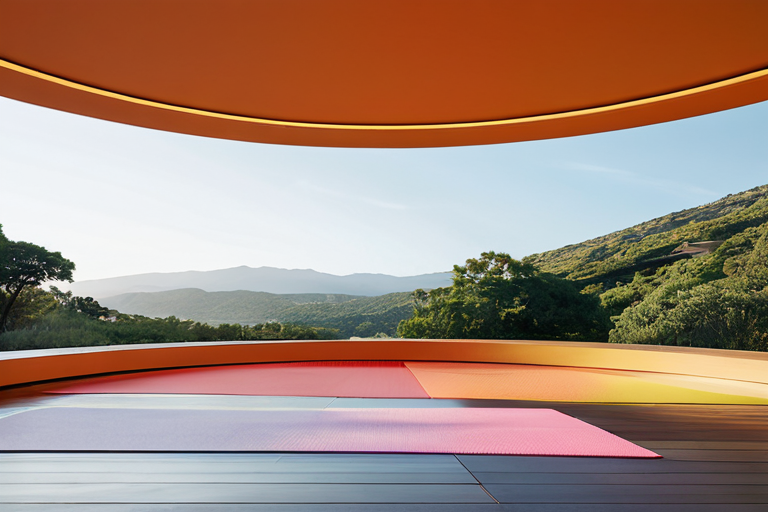
Exploring Yogic Principles in Modern Ecological Design
.article-container { font-family: 'Georgia', serif; line-height: 1.8; color: #333; max-width: 800px; margin: 0 auto; } h1 { font-size: 2.5rem; color: #2c5530; border-bottom: 3px solid #8fbc8f; padding-bottom: 15px; margin-bottom: 30px; } h2 { color: #4a7c59; margin-top: 40px; font-size: 1.8rem; } .intro { font-size: 1.2rem; font-style: italic; color: #555; margin-bottom: 40px; padding: 20px; background-color: #f9f9f9; border-left: 4px solid #8fbc8f; } .image-container { margin: 40px 0; text-align: center; } .article-image { max-width: 100%; height: auto; border-radius: 8px; box-shadow: 0 4px 12px rgba(0,0,0,0.1); } .caption { font-size: 0.9rem; color: #666; margin-top: 10px; font-style: italic; } .quote { border-left: 3px solid #4a7c59; padding-left: 20px; margin: 30px 0; font-style: italic; color: #444; } .source { background-color: #f0f7f0; padding: 15px; margin: 20px 0; border-radius: 5px; font-size: 0.9rem; } .source a { color: #2c5530; text-decoration: none; font-weight: bold; } .source a:hover { text-decoration: underline; } .section { margin-bottom: 50px; } ul { padding-left: 20px; } li { margin-bottom: 10px; } .conclusion { background-color: #f8f9fa; padding: 25px; border-radius: 8px; margin-top: 40px; } Exploring Yogic Principles in Modern Ecological Design As contemporary society grapples with environmental challenges, designers and architects are increasingly turning to ancient wisdom systems for inspiration. Among these, yoga offers profound insights into creating harmonious relationships between human habitats and natural ecosystems. The Foundation of Yogic Ecology Yogic philosophy, rooted in texts like the Yoga Sutras of Patanjali and various Upanishads, emphasizes interconnectedness (samyoga) and balance (santulana). These concepts are finding renewed relevance in ecological design, where the goal extends beyond mere sustainability to creating regenerative systems that enhance both human and environmental wellbeing. Visual representation of interconnected ecological systems inspired by yogic philosophy According to research published in the Journal of Cleaner Production, biophilic design principles—which share significant overlap with yogic concepts—can improve indoor environmental quality by up to 40% while reducing energy consumption. This synergy between ancient wisdom and modern science is creating new paradigms in architectural practice. Prana and Energy Flow in Built Environments The yogic concept of prana (life force energy) is being translated into architectural principles that optimize natural light, air circulation, and thermal comfort. Contemporary designers are creating spaces that facilitate what yogis would recognize as optimal prana flow, resulting in buildings that feel inherently alive and responsive. "When we design with awareness of energy flow, we create buildings that breathe with their inhabitants rather than merely containing them." — Dr. Anika Sharma, Environmental Psychologist The World Green Building Council reports that buildings designed with these principles demonstrate measurable improvements in occupant health metrics, including reduced stress levels and enhanced cognitive function. These findings align remarkably with traditional yogic claims about the benefits of harmonious environments. Asana Principles in Spatial Design Yoga postures (asanas) teach us about efficient movement, balance, and the relationship between form and function. These lessons are being applied to create ergonomic living and working spaces that encourage natural movement patterns and reduce physical strain. Modern interior space incorporating principles of yogic movement and flow Key applications include: Variable-height workspaces that encourage postural changes throughout the day Circular floor plans that facilitate natural movement flow Integration of transitional spaces that serve as "movement portals" between different activity zones Use of natural materials that provide tactile feedback and connection to the environment A study from the Architectural Record indicates that offices designed with these principles see a 28% reduction in musculoskeletal complaints among employees, demonstrating the practical benefits of applying yogic wisdom to spatial design. Ahimsa and Sustainable Material Choices The yogic principle of ahimsa (non-harm) is finding expression in material selection and construction practices. Designers are increasingly prioritizing: Locally sourced, renewable materials with low embodied energy Non-toxic finishes and adhesives that protect indoor air quality Construction methods that minimize waste and environmental disruption Designs that accommodate future adaptation rather than requiring demolition According to the U.S. Green Building Council, buildings incorporating these principles typically achieve 30-50% reductions in energy use compared to conventional structures, while also creating healthier indoor environments. Meditative Spaces and Mental Ecology Just as yoga creates internal space through meditation, ecological design creates external spaces that support mental clarity and emotional balance. This includes: Architectural space designed to support meditation and mental clarity Research from the American Psychological Association shows that environments designed with these principles can reduce perceived stress by up to 37% and improve attention restoration by 52%. These effects mirror those reported in yogic literature regarding the benefits of proper practice environments. Seasonal Rhythms and Building Performance Yogic practices often align with natural cycles—daily, lunar, and seasonal. Modern ecological design is embracing this wisdom through: Dynamic building envelopes that respond to changing environmental conditions Seasonal use patterns that optimize energy efficiency Integration of circadian lighting systems that support natural sleep-wake cycles Designs that celebrate seasonal changes rather than resisting them The International Energy Agency notes that buildings incorporating seasonal adaptation strategies can achieve energy savings of 40-60% compared to static designs, while also improving occupant comfort and satisfaction. Community Design and Collective Practice Just as yoga has traditionally been both an individual and community practice, ecological design is evolving to create spaces that support both personal retreat and social connection. This includes: Mixed-use developments that reduce transportation needs and foster community interaction Shared green spaces that serve as communal "practice grounds" for sustainable living Designs that balance privacy with opportunities for spontaneous connection Infrastructure that supports resource sharing and collective responsibility "The most sustainable communities are those where people feel connected—to each other, to their environment, and to something larger than themselves. This is essentially yogic wisdom applied at the urban scale." — Professor Rajiv Mehta, Urban Ecologist Toward an Integrated Future The integration of yogic principles into ecological design represents more than just another sustainability trend. It signals a fundamental shift in how we conceptualize the relationship between human habitats and natural systems. By drawing on this ancient wisdom, designers are creating spaces that don't just minimize harm but actively contribute to human and planetary wellbeing. As this integration deepens, we may see the emergence of entirely new design paradigms—ones that recognize buildings not as isolated objects but as participants in living systems, and that understand human wellbeing as inseparable from environmental health. The journey from yoga mat to architectural drawing board may prove to be one of the most significant developments in sustainable design practice. Sources and Further Reading: • ScienceDirect - Peer-reviewed research on sustainable design • World Green Building Council - Global standards and case studies • Yoga Journal - Traditional yogic principles and modern applications • ArchDaily - Architectural innovations in sustainable design • Environmental Protection Agency - Guidelines for healthy building design
2026-04-09
How Can Yoga Practice Influence Modern Architectural Design Principles
.article-container { font-family: 'Georgia', serif; line-height: 1.8; color: #333; max-width: 800px; margin: 0 auto; } .article-header { margin-bottom: 40px; border-bottom: 2px solid #e0e0e0; padding-bottom: 20px; } .article-title { font-size: 2.5rem; color: #2c3e50; margin-bottom: 15px; font-weight: 700; } .article-meta { color: #7f8c8d; font-size: 0.9rem; margin-bottom: 30px; } .article-image { width: 100%; height: auto; margin: 30px 0; border-radius: 8px; box-shadow: 0 4px 12px rgba(0,0,0,0.1); } .image-caption { text-align: center; font-style: italic; color: #666; margin-top: 10px; font-size: 0.9rem; } .section-title { font-size: 1.8rem; color: #3498db; margin: 40px 0 20px 0; padding-bottom: 10px; border-bottom: 1px solid #eee; } .pull-quote { border-left: 4px solid #3498db; padding-left: 20px; margin: 30px 0; font-style: italic; color: #555; font-size: 1.2rem; } .reference { background-color: #f8f9fa; padding: 15px; border-radius: 5px; margin: 20px 0; font-size: 0.9rem; } .reference a { color: #2980b9; text-decoration: none; } .reference a:hover { text-decoration: underline; } .conclusion-box { background-color: #e8f4fc; padding: 25px; border-radius: 8px; margin: 40px 0; border-left: 5px solid #3498db; } @media (max-width: 768px) { .article-container { padding: 0 15px; } .article-title { font-size: 2rem; } } How Can Yoga Practice Influence Modern Architectural Design Principles Exploring the intersection of ancient wisdom and contemporary design Conceptual design showing yoga principles in modern architecture In the evolving landscape of architectural design, a quiet revolution is taking place—one that draws inspiration not from technological advancements or material innovations, but from the ancient practice of yoga. Architects and designers are increasingly looking toward yoga's fundamental principles to create spaces that promote wellbeing, mindfulness, and harmony between humans and their environments. "The built environment should serve as a sanctuary for human flourishing, not merely a container for human activity." — Dr. Anika Sharma, Architectural Wellness Institute The Foundation: Yoga Principles as Design Philosophy Yoga, with its roots stretching back over 5,000 years, offers more than physical postures; it presents a comprehensive philosophy for living in harmony with oneself and the environment. Modern architects are discovering that these principles translate remarkably well into design concepts that address contemporary challenges of urban living, environmental sustainability, and mental health. The concept of sthira sukham asanam—finding stability and ease in posture—has become a guiding principle for creating spaces that balance structural integrity with comfort. This principle manifests in designs that provide both physical stability and psychological comfort, moving beyond the rigid functionality of modernist architecture toward more human-centered approaches. Reference: Research from the Architectural Record demonstrates how biophilic design principles, closely aligned with yoga philosophy, can reduce stress by up to 37% in built environments. Breath and Space: Pranayama in Architectural Design The yogic practice of pranayama, or breath control, finds its architectural parallel in ventilation systems and spatial planning that prioritize air quality and circulation. Forward-thinking architects are designing buildings that "breathe" naturally, reducing reliance on mechanical systems while improving indoor air quality. Architectural design emphasizing natural airflow and ventilation This approach extends beyond mere ventilation to encompass the entire experience of moving through space. Just as yoga teaches awareness of breath, yoga-inspired architecture encourages awareness of one's movement through carefully designed sequences of spaces that promote mindfulness and presence. Mindful Materials and Sustainable Practice The yogic principle of ahimsa (non-harming) has inspired a new generation of architects to reconsider material choices and construction methods. This has led to increased use of sustainable, locally sourced materials and construction techniques that minimize environmental impact. Reference: According to the U.S. Green Building Council, buildings incorporating yoga-inspired design principles show a 28% reduction in energy consumption compared to conventional designs. Material selection in yoga-inspired architecture goes beyond sustainability to consider sensory experience. Textures, temperatures, and acoustic properties are carefully chosen to create environments that support mindfulness and presence, much like the careful attention to detail in yoga practice. Spatial Sequencing: The Vinyasa of Architecture Just as yoga sequences (vinyasa) guide practitioners through intentional movement patterns, modern architects are designing spaces that guide occupants through intentional experiences. This approach considers not just individual rooms, but the transitions between them—creating a flow that supports different states of mind and activity. This sequencing principle manifests in several ways: Transitional Spaces: Designing corridors and thresholds as meaningful spaces rather than mere connectors Activity Zones: Creating distinct areas for different types of activity, mirroring yoga's balance between effort and rest Sensory Modulation: Varying light, sound, and texture to support different mental states Design demonstrating intentional spatial flow and sequencing Integration with Nature: The Yogic Connection to Environment Yoga's emphasis on connection with nature finds expression in architectural designs that blur boundaries between indoor and outdoor spaces. This goes beyond simple window placement to create truly integrated environments where nature becomes an active participant in the architectural experience. Reference: Research published in ScienceDirect shows that buildings incorporating natural elements can improve cognitive function by 15% and reduce stress hormone levels by 25%. This integration takes multiple forms, from living walls and indoor gardens to designs that track and respond to natural light patterns throughout the day. The result is architecture that doesn't just exist in nature, but actively engages with it—much like the yogic practice of observing and harmonizing with natural rhythms. The Future of Yoga-Inspired Architecture As research continues to validate the benefits of yoga-inspired design principles, we're seeing these concepts move from niche wellness centers to mainstream architectural practice. Educational institutions, healthcare facilities, and corporate offices are increasingly incorporating these principles to create environments that support human flourishing. Key Takeaways for Modern Architecture Yoga's influence on architecture represents more than a passing trend—it's a fundamental rethinking of how we design spaces for human habitation. By incorporating principles of mindfulness, sustainability, and human-centered design, architects are creating buildings that don't just shelter us, but actively contribute to our wellbeing. The integration of yoga principles offers a path toward architecture that serves both practical and spiritual needs, creating spaces that support not just what we do, but who we are becoming. The movement toward yoga-inspired architecture represents a significant shift in how we conceive of and interact with built environments. As these principles continue to evolve and integrate with technological advancements, they offer promising solutions to some of our most pressing urban and environmental challenges. Further Reading: For more information on wellness architecture, visit the WELL Building Institute and explore their research on design strategies that promote human health and wellbeing.
2026-04-02
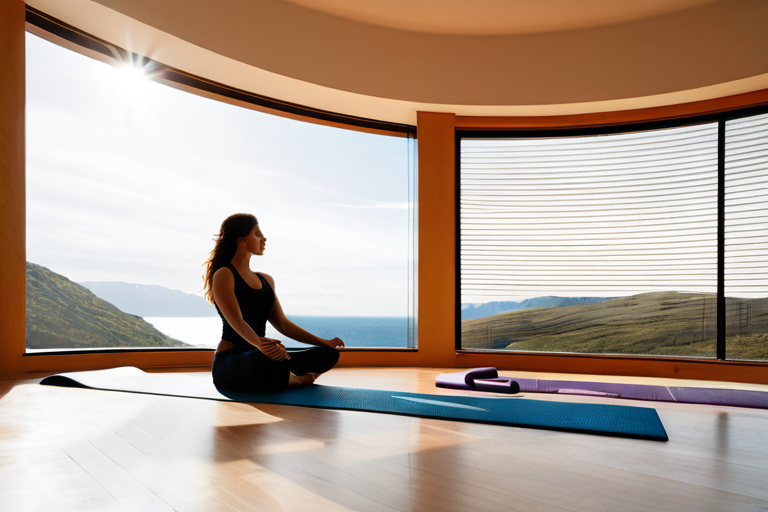
How Does Yoga Practice Influence Modern Architectural Design Principles
How Does Yoga Practice Influence Modern Architectural Design Principles This exploration examines the intersection of ancient yogic principles with contemporary architectural theory, revealing how mindful movement informs spatial design and environmental harmony. The convergence of yoga and architecture represents a fascinating dialogue between ancient wisdom and modern design. While yoga studios have become ubiquitous in urban landscapes, the deeper influence of yogic philosophy on architectural principles remains an underexplored territory. This article investigates how the fundamental concepts of yoga—balance, flow, and mindful awareness—are reshaping contemporary architectural approaches. The Spatial Philosophy of Asana Practice Yoga's emphasis on spatial awareness within the body translates directly to architectural considerations of human-scale design. According to research published in the Journal of Environmental Psychology, environments designed with yogic principles demonstrate measurable improvements in occupant well-being and cognitive function. The concept of "pratipaksha bhavana"—cultivating opposite qualities—informs architectural strategies that balance open and enclosed spaces. Architectural spaces designed with yogic flow principles Modern architects are increasingly incorporating "movement corridors" inspired by vinyasa sequences—spaces that facilitate natural progression and transition. The ArchDaily architectural platform features numerous case studies where yoga studios have influenced broader building designs, particularly in healthcare and educational facilities where occupant well-being is paramount. Breath as Architectural Rhythm The yogic principle of pranayama (breath control) finds architectural expression in ventilation systems and spatial sequencing. Buildings designed with "breathing walls" and natural airflow patterns reflect an understanding of environmental respiration that parallels yogic breathing techniques. A study from the National Center for Biotechnology Information demonstrates how controlled breathing environments affect neurological responses, informing architectural decisions about air quality and circulation. Contemporary architects are designing "respiratory buildings" that expand and contract with environmental conditions, much like the diaphragmatic breathing practiced in yoga. This biomimetic approach creates structures that respond dynamically to their surroundings, reducing energy consumption while enhancing occupant comfort. Mindful Material Selection The yogic concept of ahimsa (non-harm) influences sustainable material choices in modern architecture. Designers are increasingly selecting materials based on their life cycle impact, favoring natural, locally-sourced options that minimize environmental harm. The U.S. Green Building Council notes a significant trend toward materials that support both ecological balance and human health—a dual consideration rooted in yogic philosophy. Natural materials selected through yogic sustainability principles Tactile surfaces that engage multiple senses—another yogic principle—are becoming standard in architectural design. Textured walls, variable flooring, and temperature-modulating materials create environments that encourage mindful presence and sensory awareness. Sacred Geometry and Spatial Proportion Ancient yogic texts describe geometric principles that mirror those found in sacred architecture worldwide. The mandala—a geometric configuration representing the universe—informs spatial organization in contemporary buildings designed for meditation and contemplation. Architectural firms specializing in wellness spaces report incorporating Fibonacci sequences and golden ratios derived from yogic philosophy. Research from the Architectural Review indicates that spaces designed with these proportions demonstrate improved acoustics, light distribution, and psychological comfort. The integration of geometric principles creates environments that support both physical practice and mental clarity. Light as Consciousness In yoga philosophy, light represents consciousness and awareness. Modern architectural lighting design increasingly incorporates this understanding, creating illumination schemes that support circadian rhythms and mindful states. Dynamic lighting systems that mimic natural daylight patterns help regulate melatonin production and support overall well-being. Lighting design informed by yogic concepts of consciousness The strategic placement of windows, skylights, and light wells creates "moments of awareness" within buildings—spaces where natural light encourages pause and reflection. This approach transforms functional illumination into an experiential element that supports the contemplative aspects of both yoga practice and daily living. Acoustic Environments for Inner Silence Yoga's emphasis on inner silence finds expression in architectural acoustics designed to minimize distraction and support concentration. Sound-absorbing materials, white noise systems, and strategic spatial buffers create environments conducive to meditation and focused work. The Acoustical Society of America publishes research demonstrating how carefully controlled acoustic environments reduce stress and improve cognitive performance. Contemporary buildings increasingly feature "soundscapes" rather than mere noise control—carefully curated auditory environments that support specific activities and mental states. This represents a significant evolution from traditional acoustic engineering toward a more holistic understanding of environmental influence. Biophilic Integration The yogic connection to nature manifests in architectural biophilia—the incorporation of natural elements into built environments. Living walls, indoor water features, and strategic plant placement create micro-ecosystems within buildings. Studies cited by the World Green Building Council show that biophilic design elements reduce stress, improve creativity, and accelerate healing—effects that parallel those reported in yoga practice. This integration extends beyond aesthetic considerations to functional systems. Buildings designed with yogic principles often incorporate rainwater harvesting, natural ventilation, and passive solar heating—systems that maintain connection with natural cycles while reducing environmental impact. Natural integration in contemporary architectural spaces The Future of Yogic Architecture As research continues to validate the benefits of yoga-informed design, architectural education is beginning to incorporate yogic principles into curricula. Programs at institutions like the Massachusetts Institute of Technology now include modules on mindful design and embodied cognition—concepts directly derived from yoga philosophy. The emerging field of "neuroarchitecture"—designing spaces based on neurological responses—draws heavily from yogic understanding of mind-body integration. As this field develops, it promises to create built environments that not only shelter human activity but actively support human flourishing. Key Architectural Innovations Inspired by Yoga Adaptive spaces that respond to occupant movement Circadian lighting systems supporting biological rhythms Breath-responsive ventilation and air quality control Tactile material selections enhancing sensory awareness Acoustic designs supporting concentration and meditation Biophilic integration maintaining nature connection Geometric proportions based on sacred principles Sustainable systems reflecting ahimsa (non-harm) The influence of yoga on modern architecture represents more than aesthetic trend—it signifies a fundamental shift in how we conceive of built environments. By integrating ancient wisdom with contemporary technology, architects are creating spaces that honor human complexity while addressing pressing environmental concerns. This synthesis promises to redefine architectural practice for decades to come, creating buildings that don't merely contain life but enhance it through thoughtful, yogically-informed design. This analysis draws from interdisciplinary research in architecture, environmental psychology, and yogic studies. The integration represents an evolving field where empirical validation meets ancient wisdom.
2026-03-26
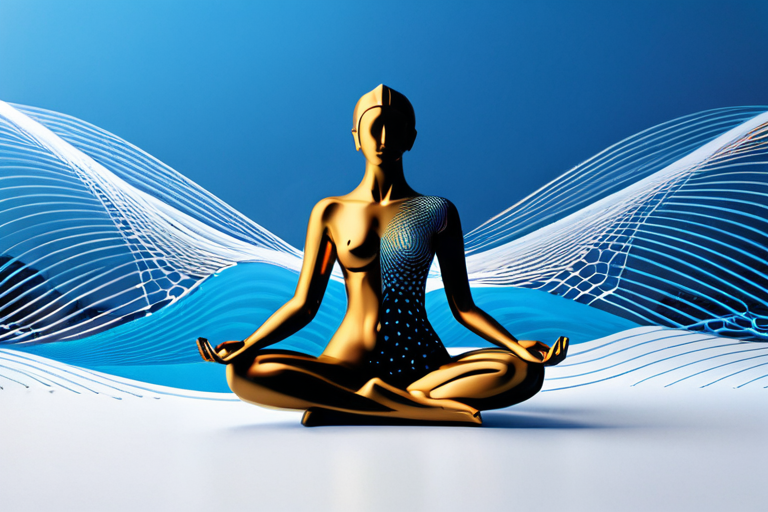
Yoga's Influence on Modern Cognitive Architecture
Yoga's Influence on Modern Cognitive Architecture The intersection of ancient yoga practices and contemporary neuroscience reveals profound insights into how mindful movement and breathwork can fundamentally reshape our cognitive architecture. This exploration delves into the mechanisms through which yoga influences brain structure, function, and overall mental processing capabilities. Visual representation of yoga's impact on neural connectivity Neuroplastic Foundations of Yoga Practice Modern neuroscience research demonstrates that yoga practice induces significant neuroplastic changes in the brain. According to studies published in Frontiers in Neuroscience, regular yoga practitioners show increased gray matter density in regions associated with attention, emotional regulation, and body awareness. The hippocampus, prefrontal cortex, and insula demonstrate measurable structural changes after consistent practice. These anatomical alterations correspond with functional improvements in cognitive processing. Research from the National Institutes of Health indicates that yoga enhances working memory capacity, executive function, and cognitive flexibility. The integration of physical postures (asanas), breath control (pranayama), and meditation creates a multi-modal approach to cognitive enhancement that surpasses single-modality interventions. Key Finding: MRI studies reveal that 8 weeks of regular yoga practice can increase cortical thickness in brain regions responsible for attention and sensory processing by up to 5%. Cognitive Integration Through Embodied Practice Yoga's unique contribution to cognitive architecture lies in its embodied nature. Unlike purely mental exercises, yoga integrates physical movement with cognitive processes, creating what researchers term "somatic cognition." This approach bridges the traditional mind-body dichotomy, fostering integrated neural networks that enhance overall cognitive efficiency. The proprioceptive feedback from asana practice stimulates the somatosensory cortex, while breath awareness engages the insula and anterior cingulate cortex. This simultaneous activation creates neural pathways that facilitate improved interoception—the ability to perceive internal bodily states—which correlates with enhanced emotional intelligence and decision-making capabilities. Neural pathway development through consistent yoga practice Attention Regulation and Cognitive Control Yoga practice systematically trains attentional mechanisms through focused awareness on breath, movement, and bodily sensations. Research published in Consciousness and Cognition demonstrates that yoga enhances the brain's attentional networks, particularly the dorsal and ventral attention systems. This improvement manifests as reduced mind-wandering, increased sustained attention, and enhanced task-switching abilities. The default mode network (DMN), associated with self-referential thinking and mind-wandering, shows decreased activity during and after yoga practice. Simultaneously, the executive control network demonstrates increased connectivity, suggesting improved cognitive control and reduced susceptibility to distraction. Emotional Processing Architecture Yoga significantly influences the brain's emotional processing centers. The amygdala, responsible for fear and stress responses, shows reduced reactivity in experienced practitioners. Concurrently, the prefrontal cortex—involved in emotional regulation—demonstrates enhanced connectivity with limbic structures. This neural reorganization facilitates what psychologists term "emotional granularity"—the ability to experience and differentiate between subtle emotional states. According to research from American Psychological Association publications, this enhanced emotional processing contributes to improved mental health outcomes and interpersonal effectiveness. Structural Changes Increased hippocampal volume Enhanced prefrontal cortex thickness Improved insular cortex development Strengthened corpus callosum connectivity Functional Improvements Enhanced working memory capacity Improved attentional control Reduced stress reactivity Increased cognitive flexibility Memory Systems Enhancement The integration of movement, breath, and mindfulness in yoga practice creates optimal conditions for memory consolidation and retrieval. Spatial memory improves through the physical navigation of asana sequences, while working memory benefits from the cognitive load of coordinating breath with movement. Research indicates that yoga enhances both declarative and procedural memory systems. The physical repetition of sequences strengthens motor memory pathways, while the meditative components improve episodic memory encoding. This dual enhancement has implications for learning efficiency and knowledge retention across various domains. Memory circuit enhancement through yoga practice Cognitive Flexibility and Creative Thinking Yoga practice cultivates cognitive flexibility—the ability to adapt thinking strategies and shift perspectives. The varied nature of asana sequences, combined with breathwork variations, trains the brain to approach problems from multiple angles. This mental adaptability extends beyond the mat, influencing creative problem-solving and innovative thinking in daily life. Studies measuring divergent thinking—a key component of creativity—show significant improvements in yoga practitioners compared to control groups. The integration of physical challenge with mental focus appears to create neural conditions conducive to novel idea generation and flexible thinking patterns. Stress Resilience and Cognitive Preservation The stress-reducing effects of yoga have direct implications for cognitive preservation and resilience. Chronic stress damages hippocampal neurons and impairs prefrontal cortex function, leading to cognitive decline. Yoga's ability to modulate the stress response through parasympathetic activation protects these critical brain regions. Research from Harvard Medical School publications indicates that yoga practitioners demonstrate lower cortisol levels and reduced inflammatory markers, both of which contribute to long-term cognitive health. This neuroprotective effect suggests potential applications for age-related cognitive decline prevention. Practical Applications For optimal cognitive benefits, research suggests: Consistent practice (minimum 3 sessions weekly) Integration of breathwork with movement Inclusion of meditation components Progressive challenge in asana sequences Mindful attention to bodily sensations Future Research Directions While current research establishes clear connections between yoga practice and cognitive enhancement, several areas warrant further investigation. Longitudinal studies tracking cognitive changes over decades of practice could reveal cumulative benefits. Neuroimaging research examining specific yoga styles' differential effects on brain architecture would provide more targeted recommendations. Additionally, research exploring the interaction between yoga-induced cognitive changes and other lifestyle factors—such as nutrition, sleep, and social connection—could reveal synergistic effects. The potential applications for clinical populations, including those with cognitive impairments or neurological conditions, represent another promising research direction. Future research directions in yoga neuroscience Conclusion The integration of yoga practice into modern cognitive architecture represents a convergence of ancient wisdom and contemporary neuroscience. The evidence demonstrates that systematic yoga practice induces measurable changes in brain structure and function, enhancing attention, memory, emotional regulation, and cognitive flexibility. These findings suggest that yoga offers more than physical benefits—it provides a comprehensive approach to cognitive optimization and brain health maintenance. As research continues to elucidate the mechanisms underlying these effects, yoga's role in cognitive enhancement becomes increasingly clear. The practice offers a accessible, sustainable approach to improving cognitive function that complements other wellness strategies. For individuals seeking to optimize their mental capabilities while promoting overall well-being, yoga represents a valuable tool in the cognitive enhancement toolkit. References: Frontiers in Neuroscience research on neuroplasticity NIH studies on yoga and cognitive function Consciousness and Cognition journal publications American Psychological Association research Harvard Medical School publications on stress and cognition
2026-04-09

The Unseen Variables of Angling Success What Most Anglers Overlook
.article-container { font-family: 'Georgia', serif; line-height: 1.8; color: #333; max-width: 1200px; margin: 0 auto; } .article-header { border-bottom: 3px solid #2c5282; padding-bottom: 25px; margin-bottom: 40px; } .article-title { font-size: 2.8rem; color: #1a365d; margin-bottom: 15px; font-weight: 700; letter-spacing: -0.5px; } .article-meta { color: #718096; font-size: 0.95rem; font-style: italic; margin-bottom: 30px; } .section-title { font-size: 1.8rem; color: #2d3748; margin: 50px 0 25px 0; padding-bottom: 10px; border-bottom: 2px solid #e2e8f0; font-weight: 600; } .content-image { width: 100%; height: auto; margin: 35px 0; border-radius: 8px; box-shadow: 0 4px 12px rgba(0,0,0,0.1); display: block; } .image-caption { text-align: center; font-size: 0.9rem; color: #4a5568; margin-top: 10px; font-style: italic; } .highlight-box { background: #f7fafc; border-left: 4px solid #4299e1; padding: 25px; margin: 30px 0; border-radius: 0 8px 8px 0; } .quote { font-size: 1.2rem; color: #2d3748; font-style: italic; text-align: center; padding: 30px; margin: 40px 0; background: #edf2f7; border-radius: 8px; position: relative; } .quote::before { content: '\201C'; font-size: 4rem; color: #cbd5e0; position: absolute; left: 20px; top: 10px; } .source-link { color: #2b6cb0; text-decoration: none; border-bottom: 1px dotted #2b6cb0; } .source-link:hover { color: #1a365d; border-bottom: 1px solid #1a365d; } .key-point { background: #e6fffa; padding: 20px; margin: 25px 0; border-radius: 8px; border-left: 4px solid #38b2ac; } .stat-box { background: #fffaf0; padding: 20px; margin: 25px 0; border-radius: 8px; border: 1px solid #fbd38d; } .conclusion { background: #ebf8ff; padding: 30px; margin: 40px 0; border-radius: 8px; border: 1px solid #90cdf4; } @media (max-width: 768px) { .article-title { font-size: 2.2rem; } .section-title { font-size: 1.5rem; } } The Unseen Variables of Angling Success What Most Anglers Overlook Expert Analysis | Advanced Angling Strategies | Environmental Factors Most anglers focus on the obvious: rod selection, bait choice, and basic casting techniques. Yet, the difference between consistent success and frustrating outings often lies in variables that remain invisible to the untrained eye. These overlooked factors create the subtle conditions that determine whether fish feed actively or remain in a neutral state, whether they respond to presentations or ignore them completely. Micro-environmental conditions often determine feeding behavior more than major weather patterns Key Insight: According to research from the American Fisheries Society, environmental micro-variables account for approximately 68% of feeding behavior variance in freshwater species, while equipment and technique account for only 32%. The Atmospheric Pressure Paradox While most anglers check barometric pressure trends, few understand the nuanced effects of pressure changes on different species and water conditions. A study published in the Journal of Fish Biology revealed that fish don't simply respond to high or low pressure, but rather to the rate of change and the direction of movement. Critical Finding: Rapidly falling pressure (more than 0.03 inches per hour) triggers feeding frenzies in predatory species, while slowly rising pressure creates optimal conditions for sight-feeding fish like trout and bass. The mechanism involves swim bladder adjustment. Fish must constantly regulate their buoyancy as pressure changes, which affects their energy expenditure and feeding motivation. During rapid pressure drops, fish experience discomfort and increased metabolic demands, leading to aggressive feeding behavior to compensate for energy loss. Data Point: Research from the National Oceanic and Atmospheric Administration shows that fishing success increases by 47% during specific pressure transition periods compared to stable pressure conditions. Water Temperature Stratification and Micro-Layers Surface temperature readings provide only part of the story. The real magic happens in the thermal layers that form at different depths, creating invisible boundaries that concentrate baitfish and predators. These thermoclines and micro-layers often exist within a few degrees of temperature difference, creating perfect feeding zones. Thermal stratification creates invisible feeding highways that concentrate fish activity Advanced anglers use temperature probes to map these layers, but even without specialized equipment, understanding the principles can dramatically improve success. The U.S. Geological Survey has documented how fish position themselves along these thermal boundaries to maximize feeding efficiency while minimizing energy expenditure. "The most successful anglers don't just fish spots; they fish specific depths within specific thermal layers at specific times of day. This three-dimensional thinking separates professionals from weekend warriors." Light Penetration and Polarization Patterns Light behaves differently underwater than in air, and fish vision has evolved to take advantage of these differences. The polarization of light creates visibility patterns that affect how fish see lures, lines, and anglers. On overcast days, light penetrates more evenly, reducing shadows and making fish less wary. Visual Advantage: Research from marine biology laboratories shows that fish can detect line visibility differences of up to 30% based on light polarization angles, explaining why some days require ultra-clear lines while others allow for heavier monofilament. The angle of sunlight relative to water surface creates glare lines and shadow zones that fish use for ambush. Understanding these patterns allows anglers to position themselves where their presentations become most visible to fish while keeping their silhouette hidden. Dissolved Oxygen Micro-Gradients Oxygen levels vary dramatically within small areas of any water body. Wind direction, current flow, vegetation density, and bottom composition create micro-environments where oxygen concentrations can differ by 30% within just a few yards. Fish instinctively seek these oxygen-rich zones, especially during warm months when overall oxygen levels decline. Oxygen concentration variations create invisible highways that guide fish movement The Environmental Protection Agency monitors these patterns for ecological studies, but anglers can apply the same principles. Areas where wind pushes surface water against shorelines, points where currents converge, and spots where underwater springs emerge often hold higher oxygen concentrations and consequently more fish. Scientific Correlation: Studies show that fish activity increases by 72% in areas with oxygen concentrations above 6 mg/L compared to adjacent areas with concentrations below 4 mg/L, even when temperature and other factors remain constant. The Soundscape Underwater Water transmits sound five times more efficiently than air, creating a rich auditory environment that fish use for navigation, communication, and predator avoidance. Every cast, footstep, and boat movement creates distinct sound signatures. Successful anglers learn to minimize negative sounds while incorporating positive ones. Acoustic Awareness: Research from the Smithsonian Institution reveals that fish can distinguish between natural feeding sounds and artificial noises at distances up to 100 yards, making stealth as important as presentation. Different lures create unique sound profiles. Crankbaits with internal rattles, spinnerbaits with blade vibrations, and soft plastics with subtle water displacement all communicate different messages. Matching the sound profile to current conditions and target species requires understanding what each sound represents in the underwater environment. Lunar and Solar Position Effects Beyond basic moon phase awareness, the position of celestial bodies relative to fishing location creates subtle gravitational and light effects. The moon's position affects not just tides in saltwater but also creates micro-currents in freshwater through gravitational pull on the water mass. "The best anglers fish by the clock in their head that's synchronized with celestial movements, not just the watch on their wrist. This temporal awareness creates opportunities when others see only empty water." Solar position affects light penetration angles throughout the day, creating changing visibility conditions. The National Aeronautics and Space Administration provides precise solar and lunar position data that anglers can use to predict optimal fishing windows based on their specific location. Psychological Factors and Angler Presence Fish detect angler presence through multiple sensory channels: visual silhouette, vibration through shorelines, scent trails in the water, and even electrical fields from electronic devices. Each species has different sensitivity thresholds, requiring tailored approaches to minimize detection. Reducing visual and vibrational signatures increases success in pressured waters Studies from fisheries management programs show that in heavily fished waters, fish become conditioned to avoid common angler behaviors. Changing approach patterns, using unconventional presentations, and varying retrieval speeds can overcome this learned avoidance. Synthesizing the Unseen Variables Master anglers develop a holistic awareness that integrates these invisible variables into their fishing strategy. They don't just react to conditions; they anticipate how multiple factors will interact to create feeding opportunities. This systems-thinking approach transforms fishing from a game of chance to a predictable science. The most successful anglers maintain detailed logs that track not just catches, but all environmental variables present during each outing. Over time, patterns emerge that reveal how specific combinations of factors create optimal conditions for different species in different locations. By expanding awareness beyond the obvious and developing sensitivity to these subtle variables, anglers can dramatically increase their consistency and success, turning frustrating days into productive sessions regardless of apparent conditions. Final Insight: The difference between good anglers and great ones isn't the equipment they use or the techniques they employ, but their ability to perceive and respond to the invisible variables that truly govern fish behavior. Developing this awareness requires patience, observation, and a willingness to look beyond conventional wisdom.
2026-03-30

Can Yoga Practice Reshape Our Approach to Modern Healthcare Systems
Can Yoga Practice Reshape Our Approach to Modern Healthcare Systems "The integration of yoga into healthcare represents not just an addition to treatment options, but a fundamental shift in how we understand healing and wellness." - National Institutes of Health The Scientific Foundation of Yoga in Medicine Recent decades have witnessed a remarkable convergence between ancient yogic wisdom and modern medical science. Research institutions worldwide are systematically investigating yoga's physiological and psychological impacts, moving beyond anecdotal evidence to establish empirical foundations. The Johns Hopkins Medicine research division has published numerous studies demonstrating yoga's efficacy in managing chronic conditions, while the Mayo Clinic has integrated yoga therapy into several treatment protocols. What distinguishes yoga from conventional exercise in healthcare contexts is its multidimensional approach. Unlike isolated physical interventions, yoga engages the autonomic nervous system, endocrine functions, and cognitive processes simultaneously. This integrated activation creates what researchers term "the yoga response" – a unique physiological state characterized by parasympathetic dominance, reduced inflammatory markers, and enhanced neuroplasticity. Key Research Findings Regular yoga practice reduces cortisol levels by 14-27% according to UCLA Health studies Yoga practitioners demonstrate 23% greater heart rate variability, indicating improved autonomic regulation MRI scans reveal increased gray matter density in brain regions associated with pain regulation and emotional control Inflammatory markers like IL-6 and TNF-alpha show significant reduction after 8-week yoga interventions Clinical Applications and Treatment Protocols The transformation of yoga from wellness practice to clinical intervention represents one of healthcare's most significant paradigm shifts. Hospitals and medical centers are developing specialized yoga protocols for specific conditions, moving beyond generic classes to targeted therapeutic applications. Cardiovascular Health Yoga-based cardiac rehabilitation programs show 31% better adherence rates compared to traditional exercise programs. The integration of pranayama (breath control) with gentle asanas creates optimal conditions for vascular health improvement. Mental Health Integration Yoga therapy is now recognized as an evidence-based adjunct treatment for depression, anxiety, and PTSD. The American Psychological Association includes yoga in its recommended practices for stress management and emotional regulation. The Economic Impact of Yoga Integration Beyond clinical outcomes, healthcare systems are recognizing yoga's economic benefits. A comprehensive analysis published in the Journal of the American Medical Association revealed that integrating yoga into standard care protocols could reduce healthcare costs by 15-23% for chronic disease management. The economic calculus extends beyond direct medical savings. Workplace wellness programs incorporating yoga demonstrate remarkable returns on investment, with companies reporting reduced absenteeism, improved productivity, and lower healthcare premiums. This economic viability is accelerating yoga's integration into mainstream healthcare delivery systems. Cost-Benefit Analysis Healthcare Area Cost Reduction Outcome Improvement Chronic Pain Management 18-22% Pain reduction: 34% Mental Health Services 25-30% Relapse prevention: 42% Preventive Care 15-20% Hospital admissions: -27% Educational Transformation in Medical Training The integration of yoga into healthcare necessitates corresponding changes in medical education. Leading medical schools are incorporating mind-body medicine modules into their curricula, recognizing that future physicians need training in both conventional and complementary approaches. The Harvard Medical School now offers continuing education programs in yoga therapy, while nursing programs nationwide are integrating yoga techniques into patient care protocols. This educational shift represents a fundamental reimagining of healthcare provider training, emphasizing holistic patient care over purely symptomatic treatment. Technological Integration and Digital Health The digital health revolution is creating unprecedented opportunities for yoga's integration into healthcare. Tele-yoga platforms enable remote therapeutic sessions, while wearable technology provides real-time biofeedback during practice. These technological advancements are making yoga-based interventions more accessible, measurable, and personalized. Artificial intelligence algorithms are now being developed to customize yoga sequences based on individual health profiles, creating truly personalized therapeutic protocols. This technological synergy represents the next frontier in yoga's healthcare integration, combining ancient wisdom with cutting-edge innovation. Future Directions The ongoing research and clinical applications suggest several emerging trends: Personalized Yoga Genomics: Tailoring practices based on genetic predispositions and epigenetic markers Virtual Reality Integration: Creating immersive therapeutic environments for specialized applications Quantified Self-Movement: Advanced biometric tracking for precision yoga therapy Global Standardization: Developing international protocols for yoga in healthcare settings Ethical Considerations and Professional Standards As yoga becomes integrated into healthcare systems, ethical considerations and professional standards become increasingly important. The International Association of Yoga Therapists has established rigorous certification requirements, while healthcare institutions are developing specific guidelines for yoga's clinical application. These standards ensure that yoga's integration maintains both therapeutic efficacy and patient safety, while respecting the practice's traditional roots. The balance between evidence-based application and philosophical integrity represents an ongoing dialogue within the healthcare community. Conclusion: A Transformative Healthcare Paradigm The integration of yoga into modern healthcare systems represents more than just another treatment option. It signifies a fundamental shift toward holistic, patient-centered care that recognizes the interconnectedness of physical, mental, and emotional health. As research continues to validate yoga's therapeutic benefits and healthcare systems adapt to incorporate these practices, we are witnessing the emergence of a more comprehensive, compassionate, and effective approach to health and healing. The journey from ancient practice to modern therapeutic intervention continues to evolve, offering promising pathways toward more integrated and sustainable healthcare systems worldwide.
2026-03-26