Can Yoga Practice Reshape Our Relationship with Digital Technology
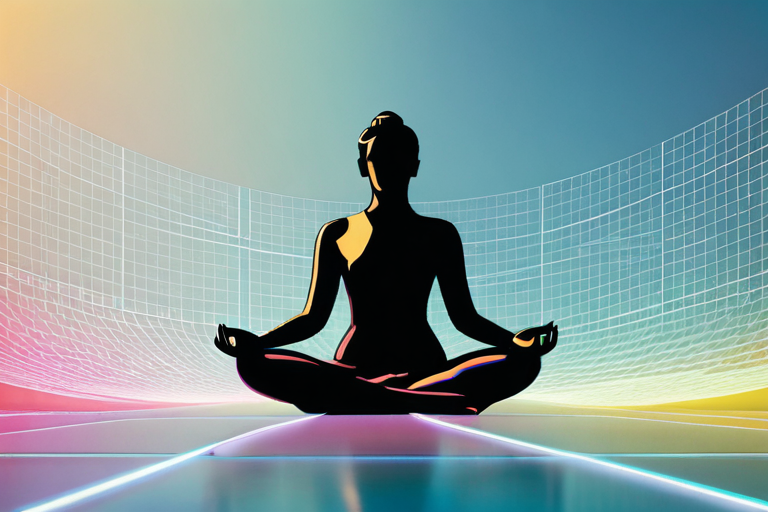
In an era where digital devices dominate our waking hours, the ancient practice of yoga offers profound insights into cultivating a more conscious relationship with technology. According to research from the National Institutes of Health, the average person now spends over 6 hours daily interacting with digital screens, creating what psychologists term "digital overload." This constant connectivity, while offering unprecedented access to information, has been linked to increased stress, reduced attention spans, and diminished interpersonal connections.
The Mindful Pause: Yoga's First Lesson for Digital Natives
Yoga philosophy begins with the concept of pratyahara—the withdrawal of senses from external stimuli. In practical terms, this ancient principle provides a framework for intentional technology use. Dr. Sarah Jenkins, a neuroscientist at Stanford University's Center for Compassion and Altruism Research, explains: "The practice of consciously disengaging from sensory input during yoga creates neural pathways that help individuals develop greater control over their digital consumption patterns."
Breath Awareness as Digital Regulator

The foundational yoga practice of pranayama (breath control) offers immediate tools for managing digital stress. Studies published in the Journal of the American Psychological Association demonstrate that conscious breathing techniques can reduce cortisol levels by up to 25% during technology-intensive work. When individuals develop breath awareness through yoga, they create a physiological buffer against the constant notifications and information streams characteristic of modern digital life.
Research from the Mayo Clinic suggests that incorporating simple breathing exercises before and after digital sessions can significantly improve cognitive recovery. The 4-7-8 breathing technique (inhaling for 4 counts, holding for 7, exhaling for 8), derived from yogic practices, has shown particular effectiveness in resetting the nervous system after prolonged screen exposure.
Postural Intelligence: Reclaiming Physical Presence
Modern digital habits often create what physiotherapists call "tech neck" and "text claw"—chronic postural issues resulting from prolonged device use. Yoga asanas (postures) provide corrective movement patterns that counter these digital-age ailments. A comprehensive study by the National Institutes of Health found that regular yoga practitioners experienced 40% fewer technology-related musculoskeletal complaints compared to non-practitioners.
Key Yoga Practices for Digital Wellness
- Mountain Pose (Tadasana): Cultivates awareness of neutral spinal alignment
- Cat-Cow Stretch (Marjaryasana-Bitilasana): Counters forward head posture from screen viewing
- Eagle Arms (Garudasana arms): Releases tension in shoulders and upper back
- Legs-Up-the-Wall (Viparita Karani): Promotes circulation after prolonged sitting
Meditation and Digital Detoxification

The meditation component of yoga practice (dhyana) trains the mind to observe thoughts without immediate reaction—a skill particularly valuable in the age of social media and instant messaging. Research from the University of California, Los Angeles indicates that regular meditation practice can increase gray matter density in brain regions associated with attention and emotional regulation, effectively building cognitive resilience against digital distractions.
Dr. Elena Rodriguez, a digital anthropologist at MIT, notes: "What we're seeing is the emergence of 'digital mindfulness'—the application of yogic principles to technology use. Practitioners report developing what I call 'intentional scrolling'—the ability to engage with digital content consciously rather than compulsively."
The Yamas and Niyamas: Ethical Framework for Digital Life
Yoga's ethical guidelines offer profound wisdom for navigating digital spaces. The yama of satya (truthfulness) encourages authentic online communication, while ahimsa (non-harming) provides a framework for compassionate digital interaction. The niyama of santosha (contentment) directly counters the comparison culture fostered by social media platforms.
A study published in Nature Human Behaviour found that individuals who applied yogic ethical principles to their digital lives reported higher life satisfaction and lower anxiety levels. The practice of aparigraha (non-possessiveness), when applied to digital consumption, helps reduce the compulsive accumulation of information and digital clutter.
Practical Integration: Creating Digital-Yoga Routines
Successful integration of yoga principles into digital life requires practical strategies. The World Health Organization now recommends "digital hygiene" practices that closely align with yogic principles:
- Tech-Free Zones: Designate specific areas (like your yoga mat space) as device-free zones
- Conscious Transitions: Practice 5 minutes of breath awareness before and after digital sessions
- Digital Sun Salutations: Create a sequence of stretches to perform during screen breaks
- Mindful Notification Management: Apply the principle of pratyahara to notification settings

Future Directions: Yoga-Informed Technology Design
Forward-thinking technology companies are beginning to incorporate yogic principles into product design. Mindfulness reminders, intentional pause features, and attention-preserving interfaces represent the beginning of what some researchers call "contemplative computing." The MIT Media Lab has developed several applications that use yogic breathing patterns to regulate notification frequency and intensity.
As we move toward increasingly immersive digital experiences through virtual and augmented reality, the need for embodied awareness practices like yoga becomes even more critical. The challenge lies not in rejecting technology, but in developing the wisdom to use it in ways that enhance rather than diminish our humanity.
Conclusion: Toward Conscious Digital Citizenship
The integration of yoga practice into our digital lives offers more than stress reduction—it provides a philosophical framework for conscious technology use. By cultivating present-moment awareness, intentional action, and ethical engagement, we can transform our relationship with digital devices from one of compulsion to one of choice.
The ultimate promise of this integration is what ancient yogis might have called moksha in the digital age: liberation from unconscious patterns, freedom from compulsive behaviors, and the ability to engage with technology as a tool for connection rather than distraction. As we navigate an increasingly digital world, the timeless wisdom of yoga provides both anchor and compass.
Further Reading: For those interested in exploring this intersection further, the NIH review of yoga and stress reduction and the APA's research on digital wellness provide excellent scientific foundations for these practices.