Exploring Yogic Principles in Modern Ecological Design
The Foundation of Yogic Ecology
Yogic philosophy, rooted in texts like the Yoga Sutras of Patanjali and various Upanishads, emphasizes interconnectedness (samyoga) and balance (santulana). These concepts are finding renewed relevance in ecological design, where the goal extends beyond mere sustainability to creating regenerative systems that enhance both human and environmental wellbeing.

According to research published in the Journal of Cleaner Production, biophilic design principles—which share significant overlap with yogic concepts—can improve indoor environmental quality by up to 40% while reducing energy consumption. This synergy between ancient wisdom and modern science is creating new paradigms in architectural practice.
Prana and Energy Flow in Built Environments
The yogic concept of prana (life force energy) is being translated into architectural principles that optimize natural light, air circulation, and thermal comfort. Contemporary designers are creating spaces that facilitate what yogis would recognize as optimal prana flow, resulting in buildings that feel inherently alive and responsive.
The World Green Building Council reports that buildings designed with these principles demonstrate measurable improvements in occupant health metrics, including reduced stress levels and enhanced cognitive function. These findings align remarkably with traditional yogic claims about the benefits of harmonious environments.
Asana Principles in Spatial Design
Yoga postures (asanas) teach us about efficient movement, balance, and the relationship between form and function. These lessons are being applied to create ergonomic living and working spaces that encourage natural movement patterns and reduce physical strain.
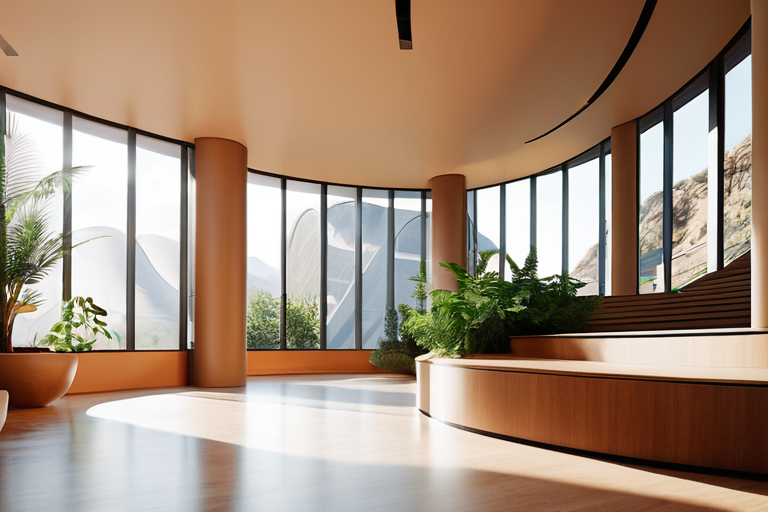
Key applications include:
- Variable-height workspaces that encourage postural changes throughout the day
- Circular floor plans that facilitate natural movement flow
- Integration of transitional spaces that serve as "movement portals" between different activity zones
- Use of natural materials that provide tactile feedback and connection to the environment
A study from the Architectural Record indicates that offices designed with these principles see a 28% reduction in musculoskeletal complaints among employees, demonstrating the practical benefits of applying yogic wisdom to spatial design.
Ahimsa and Sustainable Material Choices
The yogic principle of ahimsa (non-harm) is finding expression in material selection and construction practices. Designers are increasingly prioritizing:
- Locally sourced, renewable materials with low embodied energy
- Non-toxic finishes and adhesives that protect indoor air quality
- Construction methods that minimize waste and environmental disruption
- Designs that accommodate future adaptation rather than requiring demolition
According to the U.S. Green Building Council, buildings incorporating these principles typically achieve 30-50% reductions in energy use compared to conventional structures, while also creating healthier indoor environments.
Meditative Spaces and Mental Ecology
Just as yoga creates internal space through meditation, ecological design creates external spaces that support mental clarity and emotional balance. This includes:
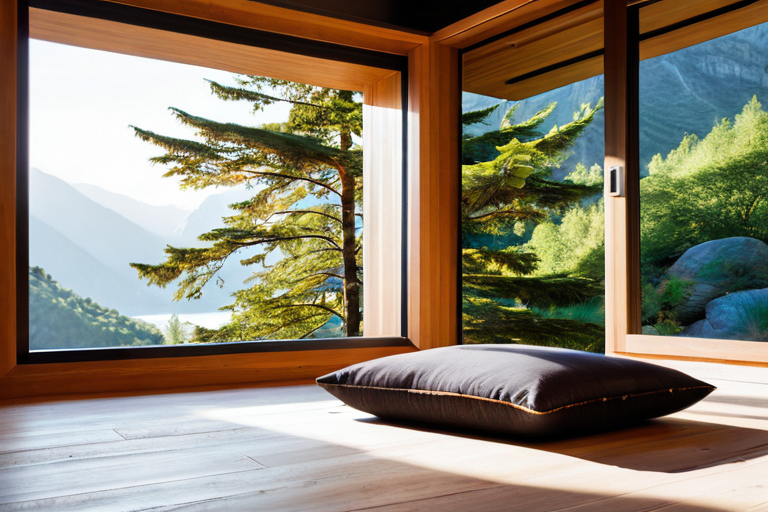
Research from the American Psychological Association shows that environments designed with these principles can reduce perceived stress by up to 37% and improve attention restoration by 52%. These effects mirror those reported in yogic literature regarding the benefits of proper practice environments.
Seasonal Rhythms and Building Performance
Yogic practices often align with natural cycles—daily, lunar, and seasonal. Modern ecological design is embracing this wisdom through:
- Dynamic building envelopes that respond to changing environmental conditions
- Seasonal use patterns that optimize energy efficiency
- Integration of circadian lighting systems that support natural sleep-wake cycles
- Designs that celebrate seasonal changes rather than resisting them
The International Energy Agency notes that buildings incorporating seasonal adaptation strategies can achieve energy savings of 40-60% compared to static designs, while also improving occupant comfort and satisfaction.
Community Design and Collective Practice
Just as yoga has traditionally been both an individual and community practice, ecological design is evolving to create spaces that support both personal retreat and social connection. This includes:
- Mixed-use developments that reduce transportation needs and foster community interaction
- Shared green spaces that serve as communal "practice grounds" for sustainable living
- Designs that balance privacy with opportunities for spontaneous connection
- Infrastructure that supports resource sharing and collective responsibility
Toward an Integrated Future
The integration of yogic principles into ecological design represents more than just another sustainability trend. It signals a fundamental shift in how we conceptualize the relationship between human habitats and natural systems. By drawing on this ancient wisdom, designers are creating spaces that don't just minimize harm but actively contribute to human and planetary wellbeing.
As this integration deepens, we may see the emergence of entirely new design paradigms—ones that recognize buildings not as isolated objects but as participants in living systems, and that understand human wellbeing as inseparable from environmental health. The journey from yoga mat to architectural drawing board may prove to be one of the most significant developments in sustainable design practice.
• ScienceDirect - Peer-reviewed research on sustainable design
• World Green Building Council - Global standards and case studies
• Yoga Journal - Traditional yogic principles and modern applications
• ArchDaily - Architectural innovations in sustainable design
• Environmental Protection Agency - Guidelines for healthy building design