How Can Yoga Practice Influence Modern Architectural Design Principles
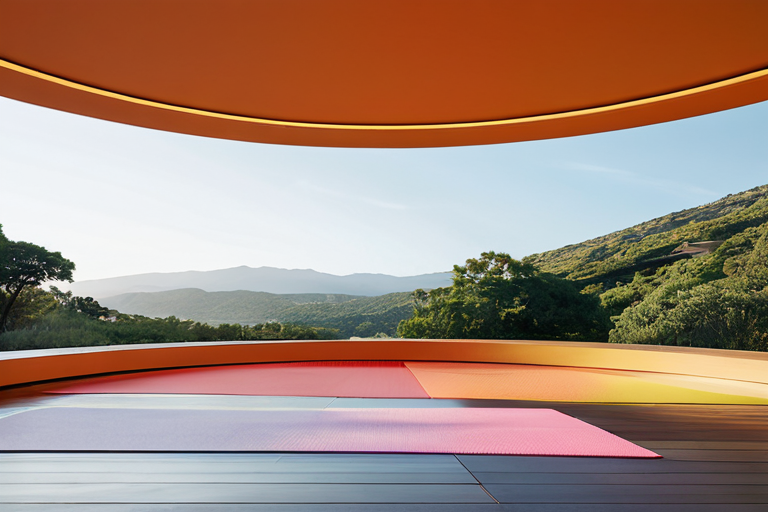
In the evolving landscape of architectural design, a quiet revolution is taking place—one that draws inspiration not from technological advancements or material innovations, but from the ancient practice of yoga. Architects and designers are increasingly looking toward yoga's fundamental principles to create spaces that promote wellbeing, mindfulness, and harmony between humans and their environments.
The Foundation: Yoga Principles as Design Philosophy
Yoga, with its roots stretching back over 5,000 years, offers more than physical postures; it presents a comprehensive philosophy for living in harmony with oneself and the environment. Modern architects are discovering that these principles translate remarkably well into design concepts that address contemporary challenges of urban living, environmental sustainability, and mental health.
The concept of sthira sukham asanam—finding stability and ease in posture—has become a guiding principle for creating spaces that balance structural integrity with comfort. This principle manifests in designs that provide both physical stability and psychological comfort, moving beyond the rigid functionality of modernist architecture toward more human-centered approaches.
Breath and Space: Pranayama in Architectural Design
The yogic practice of pranayama, or breath control, finds its architectural parallel in ventilation systems and spatial planning that prioritize air quality and circulation. Forward-thinking architects are designing buildings that "breathe" naturally, reducing reliance on mechanical systems while improving indoor air quality.
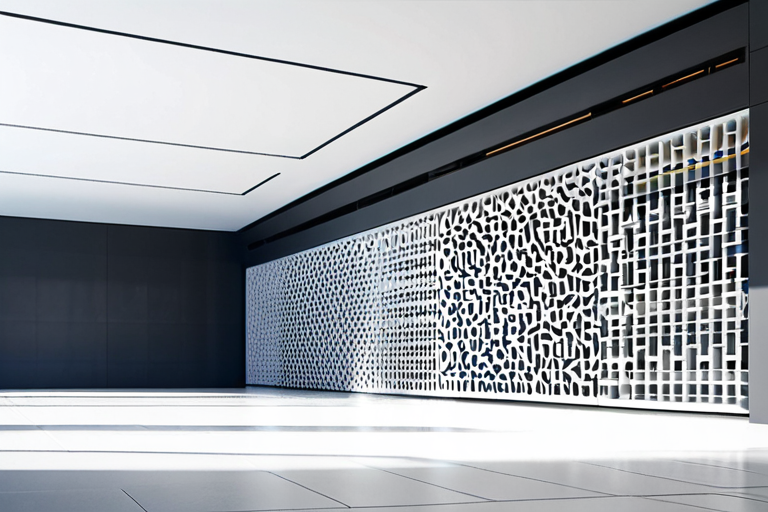
This approach extends beyond mere ventilation to encompass the entire experience of moving through space. Just as yoga teaches awareness of breath, yoga-inspired architecture encourages awareness of one's movement through carefully designed sequences of spaces that promote mindfulness and presence.
Mindful Materials and Sustainable Practice
The yogic principle of ahimsa (non-harming) has inspired a new generation of architects to reconsider material choices and construction methods. This has led to increased use of sustainable, locally sourced materials and construction techniques that minimize environmental impact.
Material selection in yoga-inspired architecture goes beyond sustainability to consider sensory experience. Textures, temperatures, and acoustic properties are carefully chosen to create environments that support mindfulness and presence, much like the careful attention to detail in yoga practice.
Spatial Sequencing: The Vinyasa of Architecture
Just as yoga sequences (vinyasa) guide practitioners through intentional movement patterns, modern architects are designing spaces that guide occupants through intentional experiences. This approach considers not just individual rooms, but the transitions between them—creating a flow that supports different states of mind and activity.
This sequencing principle manifests in several ways:
- Transitional Spaces: Designing corridors and thresholds as meaningful spaces rather than mere connectors
- Activity Zones: Creating distinct areas for different types of activity, mirroring yoga's balance between effort and rest
- Sensory Modulation: Varying light, sound, and texture to support different mental states

Integration with Nature: The Yogic Connection to Environment
Yoga's emphasis on connection with nature finds expression in architectural designs that blur boundaries between indoor and outdoor spaces. This goes beyond simple window placement to create truly integrated environments where nature becomes an active participant in the architectural experience.
This integration takes multiple forms, from living walls and indoor gardens to designs that track and respond to natural light patterns throughout the day. The result is architecture that doesn't just exist in nature, but actively engages with it—much like the yogic practice of observing and harmonizing with natural rhythms.
The Future of Yoga-Inspired Architecture
As research continues to validate the benefits of yoga-inspired design principles, we're seeing these concepts move from niche wellness centers to mainstream architectural practice. Educational institutions, healthcare facilities, and corporate offices are increasingly incorporating these principles to create environments that support human flourishing.
Key Takeaways for Modern Architecture
Yoga's influence on architecture represents more than a passing trend—it's a fundamental rethinking of how we design spaces for human habitation. By incorporating principles of mindfulness, sustainability, and human-centered design, architects are creating buildings that don't just shelter us, but actively contribute to our wellbeing.
The integration of yoga principles offers a path toward architecture that serves both practical and spiritual needs, creating spaces that support not just what we do, but who we are becoming.
The movement toward yoga-inspired architecture represents a significant shift in how we conceive of and interact with built environments. As these principles continue to evolve and integrate with technological advancements, they offer promising solutions to some of our most pressing urban and environmental challenges.