How Does Yoga Practice Influence Modern Architectural Design Principles
This exploration examines the intersection of ancient yogic principles with contemporary architectural theory, revealing how mindful movement informs spatial design and environmental harmony.
The convergence of yoga and architecture represents a fascinating dialogue between ancient wisdom and modern design. While yoga studios have become ubiquitous in urban landscapes, the deeper influence of yogic philosophy on architectural principles remains an underexplored territory. This article investigates how the fundamental concepts of yoga—balance, flow, and mindful awareness—are reshaping contemporary architectural approaches.
The Spatial Philosophy of Asana Practice
Yoga's emphasis on spatial awareness within the body translates directly to architectural considerations of human-scale design. According to research published in the Journal of Environmental Psychology, environments designed with yogic principles demonstrate measurable improvements in occupant well-being and cognitive function. The concept of "pratipaksha bhavana"—cultivating opposite qualities—informs architectural strategies that balance open and enclosed spaces.
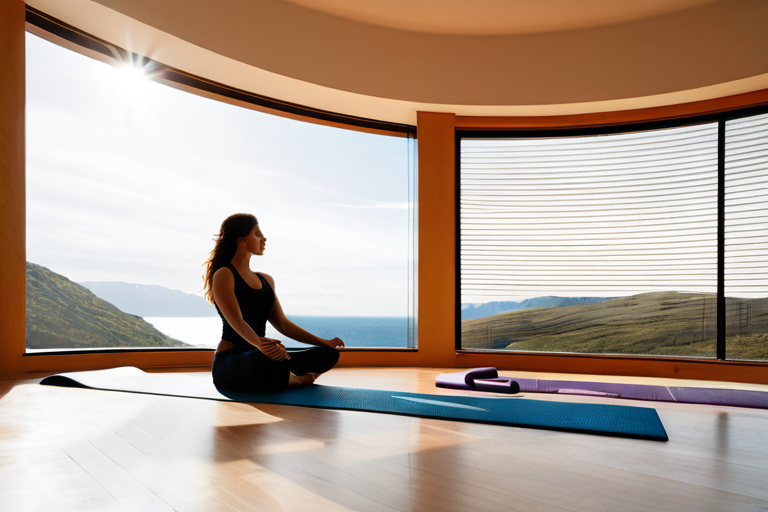
Architectural spaces designed with yogic flow principles
Modern architects are increasingly incorporating "movement corridors" inspired by vinyasa sequences—spaces that facilitate natural progression and transition. The ArchDaily architectural platform features numerous case studies where yoga studios have influenced broader building designs, particularly in healthcare and educational facilities where occupant well-being is paramount.
Breath as Architectural Rhythm
The yogic principle of pranayama (breath control) finds architectural expression in ventilation systems and spatial sequencing. Buildings designed with "breathing walls" and natural airflow patterns reflect an understanding of environmental respiration that parallels yogic breathing techniques. A study from the National Center for Biotechnology Information demonstrates how controlled breathing environments affect neurological responses, informing architectural decisions about air quality and circulation.
Contemporary architects are designing "respiratory buildings" that expand and contract with environmental conditions, much like the diaphragmatic breathing practiced in yoga. This biomimetic approach creates structures that respond dynamically to their surroundings, reducing energy consumption while enhancing occupant comfort.
Mindful Material Selection
The yogic concept of ahimsa (non-harm) influences sustainable material choices in modern architecture. Designers are increasingly selecting materials based on their life cycle impact, favoring natural, locally-sourced options that minimize environmental harm. The U.S. Green Building Council notes a significant trend toward materials that support both ecological balance and human health—a dual consideration rooted in yogic philosophy.

Natural materials selected through yogic sustainability principles
Tactile surfaces that engage multiple senses—another yogic principle—are becoming standard in architectural design. Textured walls, variable flooring, and temperature-modulating materials create environments that encourage mindful presence and sensory awareness.
Sacred Geometry and Spatial Proportion
Ancient yogic texts describe geometric principles that mirror those found in sacred architecture worldwide. The mandala—a geometric configuration representing the universe—informs spatial organization in contemporary buildings designed for meditation and contemplation. Architectural firms specializing in wellness spaces report incorporating Fibonacci sequences and golden ratios derived from yogic philosophy.
Research from the Architectural Review indicates that spaces designed with these proportions demonstrate improved acoustics, light distribution, and psychological comfort. The integration of geometric principles creates environments that support both physical practice and mental clarity.
Light as Consciousness
In yoga philosophy, light represents consciousness and awareness. Modern architectural lighting design increasingly incorporates this understanding, creating illumination schemes that support circadian rhythms and mindful states. Dynamic lighting systems that mimic natural daylight patterns help regulate melatonin production and support overall well-being.
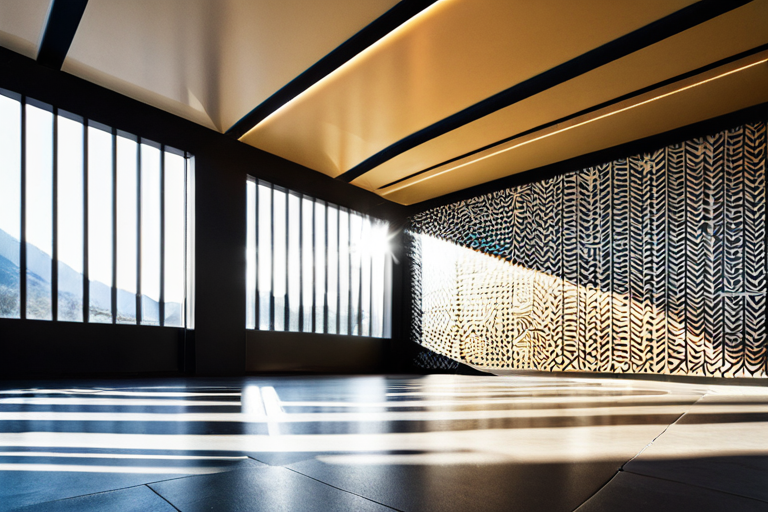
Lighting design informed by yogic concepts of consciousness
The strategic placement of windows, skylights, and light wells creates "moments of awareness" within buildings—spaces where natural light encourages pause and reflection. This approach transforms functional illumination into an experiential element that supports the contemplative aspects of both yoga practice and daily living.
Acoustic Environments for Inner Silence
Yoga's emphasis on inner silence finds expression in architectural acoustics designed to minimize distraction and support concentration. Sound-absorbing materials, white noise systems, and strategic spatial buffers create environments conducive to meditation and focused work. The Acoustical Society of America publishes research demonstrating how carefully controlled acoustic environments reduce stress and improve cognitive performance.
Contemporary buildings increasingly feature "soundscapes" rather than mere noise control—carefully curated auditory environments that support specific activities and mental states. This represents a significant evolution from traditional acoustic engineering toward a more holistic understanding of environmental influence.
Biophilic Integration
The yogic connection to nature manifests in architectural biophilia—the incorporation of natural elements into built environments. Living walls, indoor water features, and strategic plant placement create micro-ecosystems within buildings. Studies cited by the World Green Building Council show that biophilic design elements reduce stress, improve creativity, and accelerate healing—effects that parallel those reported in yoga practice.
This integration extends beyond aesthetic considerations to functional systems. Buildings designed with yogic principles often incorporate rainwater harvesting, natural ventilation, and passive solar heating—systems that maintain connection with natural cycles while reducing environmental impact.
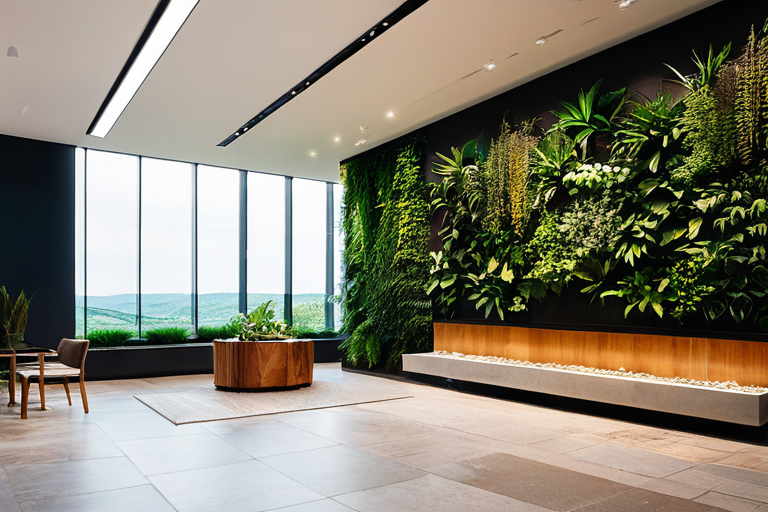
Natural integration in contemporary architectural spaces
The Future of Yogic Architecture
As research continues to validate the benefits of yoga-informed design, architectural education is beginning to incorporate yogic principles into curricula. Programs at institutions like the Massachusetts Institute of Technology now include modules on mindful design and embodied cognition—concepts directly derived from yoga philosophy.
The emerging field of "neuroarchitecture"—designing spaces based on neurological responses—draws heavily from yogic understanding of mind-body integration. As this field develops, it promises to create built environments that not only shelter human activity but actively support human flourishing.
Key Architectural Innovations Inspired by Yoga
- Adaptive spaces that respond to occupant movement
- Circadian lighting systems supporting biological rhythms
- Breath-responsive ventilation and air quality control
- Tactile material selections enhancing sensory awareness
- Acoustic designs supporting concentration and meditation
- Biophilic integration maintaining nature connection
- Geometric proportions based on sacred principles
- Sustainable systems reflecting ahimsa (non-harm)
The influence of yoga on modern architecture represents more than aesthetic trend—it signifies a fundamental shift in how we conceive of built environments. By integrating ancient wisdom with contemporary technology, architects are creating spaces that honor human complexity while addressing pressing environmental concerns. This synthesis promises to redefine architectural practice for decades to come, creating buildings that don't merely contain life but enhance it through thoughtful, yogically-informed design.
This analysis draws from interdisciplinary research in architecture, environmental psychology, and yogic studies. The integration represents an evolving field where empirical validation meets ancient wisdom.