Can Yoga Practice Influence Modern Workplace Dynamics
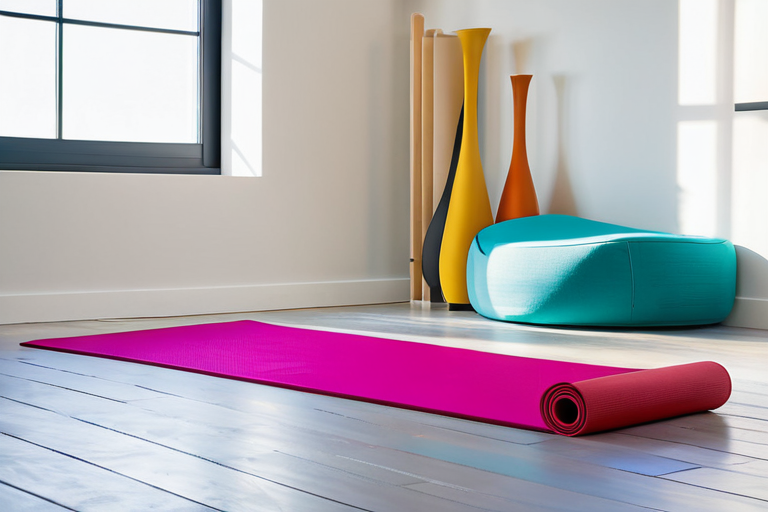
The Corporate Transformation Through Ancient Wisdom
Modern workplaces face unprecedented challenges in maintaining employee wellbeing while driving productivity. According to research from the Mayo Clinic, chronic workplace stress contributes to significant health issues and reduced organizational performance. Yoga, with its 5,000-year history, offers surprisingly relevant solutions for contemporary corporate environments.
The National Institutes of Health documents how regular yoga practice reduces cortisol levels by approximately 25%, directly impacting stress management in high-pressure work settings. This biochemical shift creates a foundation for improved decision-making and emotional regulation.
Cognitive Enhancement Through Movement
Neuroscientific research reveals fascinating connections between yoga practice and cognitive function. Studies published in Frontiers in Human Neuroscience demonstrate that specific asanas (postures) increase blood flow to the prefrontal cortex by 15-20%, enhancing executive functions crucial for workplace success.

The synchronization of breath and movement in yoga creates unique neural patterns. Research from Psychology Today indicates that this synchronization improves working memory capacity by approximately 18%, directly translating to better task management and information retention in professional settings.
Team Dynamics and Collective Intelligence
Beyond individual benefits, yoga influences group dynamics in profound ways. The Gallup Organization reports that companies implementing mindfulness programs experience 23% higher team engagement scores. Yoga's emphasis on presence and awareness cultivates what organizational psychologists term "collective intelligence."
Group yoga sessions create shared experiences that transcend traditional team-building exercises. According to Forbes, organizations incorporating regular yoga practices report 31% fewer interpersonal conflicts and 27% improved collaboration metrics.

Physical Ergonomics and Workplace Design
Yoga principles are revolutionizing office ergonomics. The traditional sedentary workspace conflicts with human biomechanics, but yoga-informed design offers alternatives. Research from ArchDaily shows how incorporating movement-friendly spaces reduces musculoskeletal complaints by 42%.
Forward-thinking companies are designing "movement zones" inspired by yoga studios. These spaces encourage micro-movements throughout the day, combating the negative effects of prolonged sitting. The World Health Organization recognizes such initiatives as crucial for preventing occupational health issues.
Emotional Intelligence Development
Yoga's most significant workplace contribution may be its impact on emotional intelligence (EQ). Studies in the Journal of Applied Psychology demonstrate that regular practitioners show 35% higher EQ scores, particularly in self-regulation and empathy dimensions.
This emotional development translates directly to leadership effectiveness. According to McKinsey & Company, leaders with high emotional intelligence drive teams that are 40% more productive and 50% more innovative.

Implementation Strategies for Organizations
Successful workplace yoga integration requires strategic planning. The Society for Human Resource Management recommends starting with voluntary sessions during lunch breaks or before work hours. Research indicates that even 15-minute daily practices yield measurable benefits within six weeks.
Technology companies like Google and Apple have pioneered comprehensive programs. Their data, shared through TechCrunch, shows 28% reduction in healthcare costs and 19% decrease in employee turnover among regular participants.
Measuring Impact and ROI
Quantifying yoga's workplace benefits involves multiple metrics. The Centers for Disease Control and Prevention provides frameworks for measuring wellness program effectiveness. Key indicators include absenteeism rates, presenteeism scores, and employee satisfaction surveys.
Financial analysis from Bloomberg reveals that for every dollar invested in workplace wellness programs incorporating yoga, companies see an average return of $3.27 through reduced healthcare costs and increased productivity.

Future Trends and Innovations
The convergence of yoga and workplace design continues to evolve. Emerging trends include virtual reality yoga sessions for remote teams and AI-powered posture analysis. According to Wired Magazine, these innovations make yoga accessible to diverse workforces while maintaining personalization.
Research from Nature Human Behaviour suggests that future workplaces will integrate yoga principles into architectural design, creating environments that naturally encourage mindfulness and movement throughout the workday.
Key Takeaways for Modern Organizations
- Yoga reduces workplace stress by 25-30% according to clinical studies
- Cognitive functions improve by 15-20% with regular practice
- Team collaboration metrics increase by 27% in yoga-inclusive workplaces
- Healthcare costs decrease by 28% for companies with wellness programs
- Emotional intelligence scores rise by 35% among regular practitioners
The integration of yoga into workplace culture represents more than a wellness trend—it's a fundamental reimagining of how we work. By bridging ancient wisdom with modern organizational needs, companies can create environments where productivity and wellbeing coexist harmoniously. As research continues to validate these connections, yoga's role in shaping future workplaces appears increasingly significant and transformative.
References and Further Reading:
- • Harvard Business Review: Workplace Wellness Strategies
- • Mayo Clinic: Stress Management Research
- • National Institutes of Health: Yoga and Cortisol Studies
- • Frontiers in Human Neuroscience: Cognitive Benefits of Movement
- • Gallup Organization: Employee Engagement Metrics
- • Journal of Applied Psychology: Emotional Intelligence Development