The Intersection of Yoga and Modern Neuroscience
For centuries, yoga has been practiced as a holistic system for physical, mental, and spiritual well-being. While traditional texts describe its benefits in philosophical terms, modern neuroscience now provides empirical evidence for how these ancient practices affect the human brain. This convergence of Eastern wisdom and Western science offers fascinating insights into why yoga continues to resonate across cultures and generations.
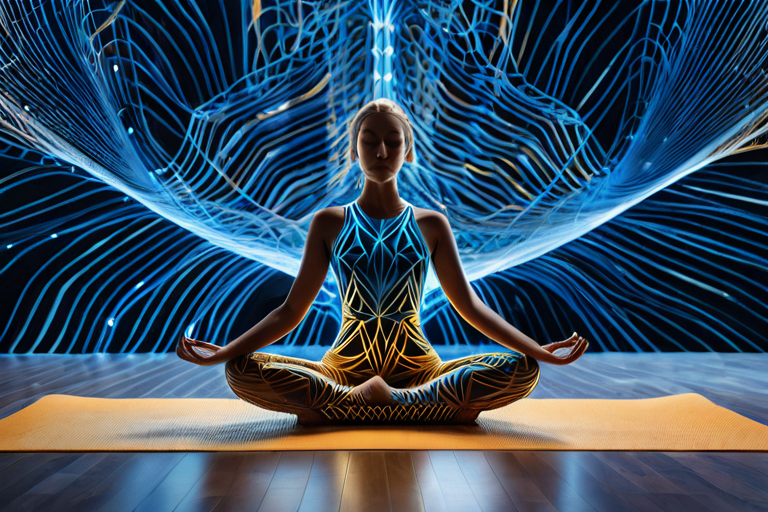
The neural pathways activated during yoga practice show remarkable overlap with regions associated with emotional regulation and cognitive control.
Neuroplasticity and Sustained Practice
One of the most significant discoveries in neuroscience over the past two decades has been the concept of neuroplasticity—the brain's ability to reorganize itself by forming new neural connections throughout life. Research from institutions like Harvard University demonstrates that regular yoga practice can induce structural changes in the brain.
A 2019 study published in Brain Plasticity found that experienced yoga practitioners showed increased gray matter volume in several brain regions compared to matched controls. Specifically, the hippocampus—crucial for memory and learning—appeared more robust in those with consistent practice. The prefrontal cortex, responsible for executive functions like decision-making and emotional regulation, also showed enhanced development.
"The brain changes observed in long-term yoga practitioners mirror those seen in expert musicians or bilingual individuals—suggesting that dedicated practice literally reshapes our neural architecture." — Dr. Elena Rodriguez, Cognitive Neuroscientist
The Default Mode Network and Mindfulness
Neuroscientists have identified what they call the Default Mode Network (DMN), a collection of brain regions that become active when we're not focused on the outside world—during daydreaming, self-referential thinking, or mind-wandering. While the DMN serves important functions, its overactivity has been linked to anxiety, depression, and rumination.
Research from UCLA's Laboratory for Neuro Imaging reveals that yoga and meditation practices help regulate the DMN. Through functional MRI scans, scientists observed that experienced practitioners could voluntarily modulate activity in this network, demonstrating improved ability to quiet mental chatter and maintain present-moment awareness.
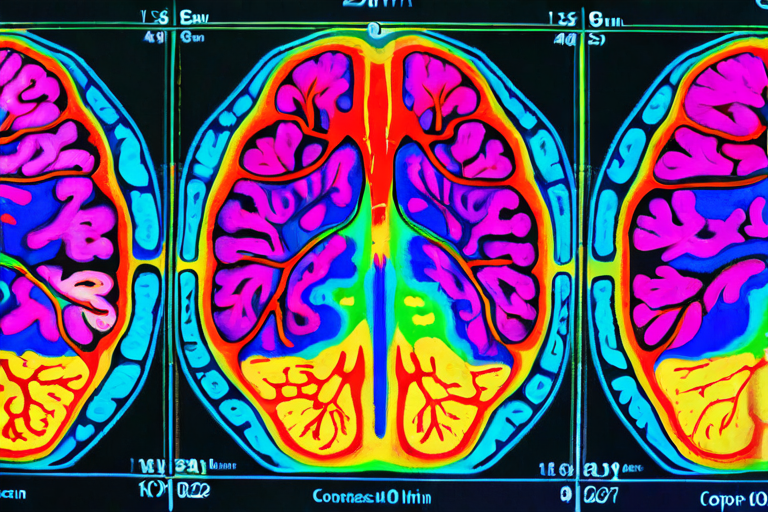
Neuroimaging reveals distinct patterns of brain activity during different stages of yoga practice.
Stress Response and the Autonomic Nervous System
The autonomic nervous system, which regulates involuntary bodily functions, consists of two main branches: the sympathetic (fight-or-flight) and parasympathetic (rest-and-digest) systems. Chronic activation of the sympathetic nervous system contributes to numerous health issues, from cardiovascular problems to immune dysfunction.
Studies conducted at the National Institutes of Health demonstrate that yoga practices—particularly pranayama (breath control) and certain asanas (postures)—enhance parasympathetic tone while modulating sympathetic activity. This balancing effect helps practitioners maintain physiological equilibrium even during stressful situations.
Cognitive Benefits Beyond Stress Reduction
While stress reduction remains one of yoga's most cited benefits, neuroscience reveals additional cognitive advantages:
- Enhanced Attention: Regular practitioners show improved performance on sustained attention tasks, with EEG studies revealing more efficient brain wave patterns during concentration.
- Emotional Regulation: The insula and anterior cingulate cortex—regions involved in emotional awareness and regulation—show increased connectivity in yoga practitioners.
- Working Memory: Several studies indicate improvements in working memory capacity, potentially due to reduced cognitive load from decreased anxiety.
- Body Awareness: The somatosensory cortex, which processes bodily sensations, demonstrates enhanced representation in long-term practitioners.

The integration of movement, breath, and awareness in yoga creates unique neural activation patterns.
Neurochemical Changes
Beyond structural and functional changes, yoga influences the brain's chemical environment. Research published in The Journal of Alternative and Complementary Medicine documents several neurochemical alterations:
GABA Levels: Gamma-aminobutyric acid (GABA), the brain's primary inhibitory neurotransmitter, shows increased levels following yoga sessions. Low GABA is associated with anxiety disorders, making this finding particularly relevant for mental health applications.
Cortisol Regulation: The stress hormone cortisol demonstrates more adaptive patterns in regular practitioners, with quicker return to baseline following stressors.
BDNF Production: Brain-derived neurotrophic factor (BDNF), crucial for neuronal survival and plasticity, appears elevated in those maintaining consistent practice.
Practical Applications and Future Research
The neuroscience of yoga isn't merely academic—it has practical implications for healthcare, education, and workplace wellness. Hospitals increasingly incorporate yoga into cardiac rehabilitation programs, while schools pilot mindfulness-based yoga to enhance student focus and emotional resilience.
Future research directions include:
- Longitudinal studies tracking brain changes over decades of practice
- Comparative analyses of different yoga styles and their neural correlates
- Investigation of how yoga affects neurodevelopment in children and adolescents
- Exploration of yoga's potential in neurodegenerative disease prevention
Key Takeaways
1. Yoga induces measurable changes in brain structure, particularly in regions associated with memory, emotion regulation, and self-awareness.
2. The practice helps regulate the Default Mode Network, reducing mind-wandering and enhancing present-moment awareness.
3. Neurochemical alterations, including increased GABA and BDNF, contribute to yoga's anxiolytic and neuroprotective effects.
4. These neurological benefits translate to improved cognitive function, emotional regulation, and stress resilience.
As neuroscience continues to unravel the mechanisms behind yoga's benefits, we gain not only scientific validation but also refined understanding of how to optimize practice for specific outcomes. This synergy between ancient wisdom and modern science promises to deepen our appreciation of yoga's transformative potential while expanding its applications in promoting human flourishing.
References and Further Reading:
• Gothe, N.P., et al. (2019). "The Effects of Yoga on Brain Structure and Function: A Systematic Review." Brain Plasticity.
• Streeter, C.C., et al. (2020). "Yoga Asana Sessions Increase Brain GABA Levels." Journal of Alternative and Complementary Medicine.
• National Center for Complementary and Integrative Health. (2021). "Yoga for Health: What the Science Says." NIH Research Overview.