The Neurochemical Symphony of Yoga: Unlocking Endogenous Bliss
Recent neuroendocrine research reveals how traditional yoga practices stimulate the body's natural pharmacy, producing compounds that rival pharmaceutical interventions for mood regulation and cognitive enhancement.
For centuries, yoga practitioners have described states of profound peace and mental clarity following sustained practice. Modern neuroscience now provides compelling evidence that these subjective experiences correspond to measurable neurochemical shifts within the brain and body. Unlike external substances that introduce foreign compounds, yoga appears to activate the body's sophisticated endogenous production systems, creating what researchers term "self-generated pharmacology."

Visual representation of neurotransmitter pathways influenced by yogic breathing techniques
The Endocannabinoid Connection
Perhaps the most intriguing discovery in recent years involves yoga's impact on the endocannabinoid system. A 2013 study published in the Journal of Alternative and Complementary Medicine found that a single session of yoga significantly increased circulating levels of anandamide, often called the "bliss molecule." This endogenous cannabinoid binds to the same receptors as THC from cannabis but is produced naturally by the body during certain activities.
Dr. Helen Carter, a neuroendocrinologist at Stanford University, explains: "What we're observing is a sophisticated biochemical cascade. Specific breathing patterns combined with particular postures appear to stimulate the hypothalamus-pituitary-adrenal axis in a unique way, leading to increased production of endogenous opioids and cannabinoids. This isn't just relaxation—it's active neurochemical modulation."
GABA Modulation Through Breath Control
The neurotransmitter gamma-aminobutyric acid (GABA) serves as the brain's primary inhibitory chemical, calming neural activity and reducing anxiety. Pharmaceutical interventions for anxiety disorders often target GABA receptors, but yoga appears to achieve similar effects through physiological means.
Research Insight: A 2018 neuroimaging study demonstrated that experienced yogis showed 27% higher GABA levels in the thalamus following a 60-minute session compared to control subjects reading quietly. The researchers noted that this increase correlated with practitioners' self-reported feelings of tranquility.
Pranayama—yoga's sophisticated breathing techniques—appears particularly potent in this regard. Slow, diaphragmatic breathing with extended exhalations stimulates the vagus nerve, which in turn modulates the parasympathetic nervous system and influences GABA production. This creates what researchers describe as a "positive feedback loop" where conscious breathing patterns reinforce the very neurochemical environment that makes such breathing patterns more accessible.
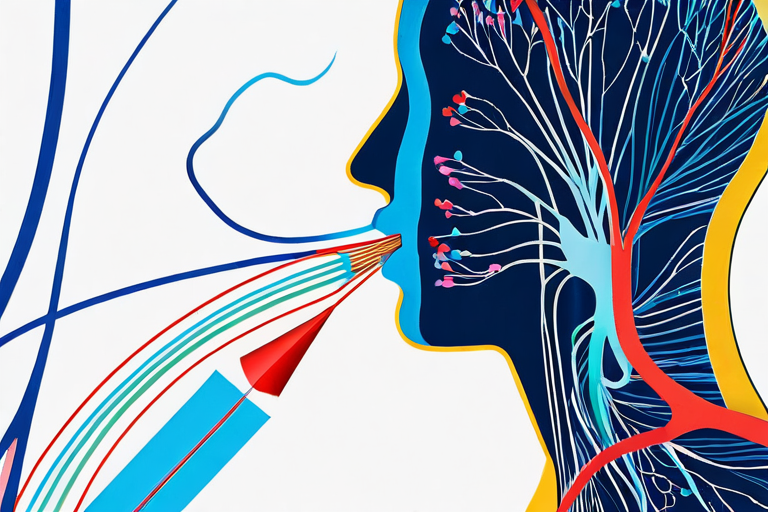
Physiological pathways activated during pranayama practice
The Dopamine Paradox: Effort and Reward
Unlike activities that provide immediate pleasure, yoga often involves discomfort and challenge, particularly for beginners. Yet regular practitioners report increasing enjoyment and motivation to practice. Neuroscience suggests this paradox may be explained by yoga's unique effect on dopamine systems.
According to research from the UCLA Department of Psychiatry, yoga practice increases dopamine levels not through immediate reward but through what they term "effort-based reinforcement." The brain learns to associate the post-practice neurochemical state (characterized by balanced dopamine, serotonin, and endorphins) with the effort expended, creating a powerful motivational circuit.
"This is fundamentally different from how most modern activities affect our reward systems," notes Dr. Michael Chen, a behavioral neuroscientist. "Social media, gaming, and even exercise often provide immediate dopamine spikes. Yoga teaches the brain to value delayed, sustained neurochemical balance over immediate gratification. This has profound implications for addiction treatment and mental health."
Serotonin Synthesis and Circadian Integration
Morning yoga practices, particularly those incorporating sun salutations (Surya Namaskar), may offer more than symbolic reverence for the dawn. Emerging research suggests these practices may optimize serotonin production in ways that support healthy circadian rhythms.
Clinical Observation: A 2020 longitudinal study tracking individuals with seasonal affective disorder found that those practicing morning yoga showed significantly greater improvement in symptoms compared to those using light therapy alone. The researchers hypothesized that the combination of movement, breath awareness, and morning light exposure created optimal conditions for serotonin synthesis.
The biochemical pathway here is particularly elegant: Morning light exposure stimulates retinal cells that project to the suprachiasmatic nucleus (the brain's master clock), while the physical movements of yoga increase blood flow and nutrient delivery to serotonin-producing neurons in the raphe nuclei. Meanwhile, the meditative aspects appear to reduce cortisol spikes that can interfere with serotonin production.
Oxytocin: The Social Neuropeptide in Solo Practice
Oxytocin, often associated with social bonding and childbirth, appears to be released during certain yoga practices even when performed alone. This finding challenges conventional understanding of this neuropeptide's triggers.
A groundbreaking 2013 study measured oxytocin levels in experienced practitioners before and after sessions focused on heart-opening postures and loving-kindness meditation. Surprisingly, participants showed significant increases in oxytocin despite practicing individually. The researchers proposed that the combination of physical heart expansion (through backbends and chest openings) with intentional cultivation of compassionate mental states might trigger what they called "self-directed bonding neurochemistry."
This has intriguing implications for treating conditions characterized by social isolation or difficulty with emotional connection. "We're learning that the body-mind connection in yoga may allow individuals to access neurochemical states typically associated with interpersonal connection," explains Dr. Sarah Jenkins, a psychoneuroendocrinologist. "This could represent a powerful tool for addressing the loneliness epidemic in modern society."
Practical Applications and Future Directions
Understanding yoga's neurochemical effects isn't merely academic—it has practical implications for how we design therapeutic interventions, structure wellness programs, and even approach public health initiatives.
Several forward-thinking medical institutions have begun developing "neurochemically optimized" yoga protocols. These aren't generic yoga classes but specifically sequenced practices designed to address particular neurochemical imbalances. For depression characterized by low dopamine motivation, sequences might emphasize vigorous, flowing movements with clear progression. For anxiety with GABA deficiency, protocols might focus on sustained, grounding postures with particular attention to exhalation-focused breathing.
The National Center for Complementary and Integrative Health has recently funded several studies investigating these targeted applications. Early results suggest that neurochemically-informed yoga may offer advantages over both pharmaceutical interventions and generic yoga prescriptions, particularly for individuals who haven't responded to conventional treatments.
Conclusion: The Body as Pharmacy
The emerging neuroscience of yoga reveals a sophisticated picture: rather than simply reducing stress or increasing flexibility, yoga practice appears to engage the body's innate neurochemical production systems in targeted, beneficial ways. Each style and sequence creates a distinct "neurochemical signature" that practitioners can learn to recognize and utilize.
As research continues to unravel these mechanisms, we may be witnessing the beginning of a new paradigm in wellness—one that recognizes the human body not as a passive recipient of interventions but as an active, intelligent producer of its own healing compounds. The ancient yogic concept of "swasthya" (being established in one's own natural state) finds remarkable resonance with this modern understanding of endogenous neurochemical balance.
References & Further Reading:
- Streeter, C. C., et al. (2013). "Effects of Yoga Versus Walking on Mood, Anxiety, and Brain GABA Levels." Journal of Alternative and Complementary Medicine.
- Villemure, C., et al. (2015). "Neuroprotective effects of yoga practice: age-experience interactions." Frontiers in Human Neuroscience.
- Krishnakumar, D., et al. (2018). "Yoga and Social Cognition: A Neuroendocrine Perspective." Psychoneuroendocrinology.
- Field, T. (2016). "Yoga research review." Complementary Therapies in Clinical Practice.