Can Yoga Practice Reshape Our Relationship with Artificial Intelligence
As artificial intelligence becomes increasingly integrated into daily life, ancient yogic wisdom offers unexpected insights into creating more conscious and balanced human-AI interactions.
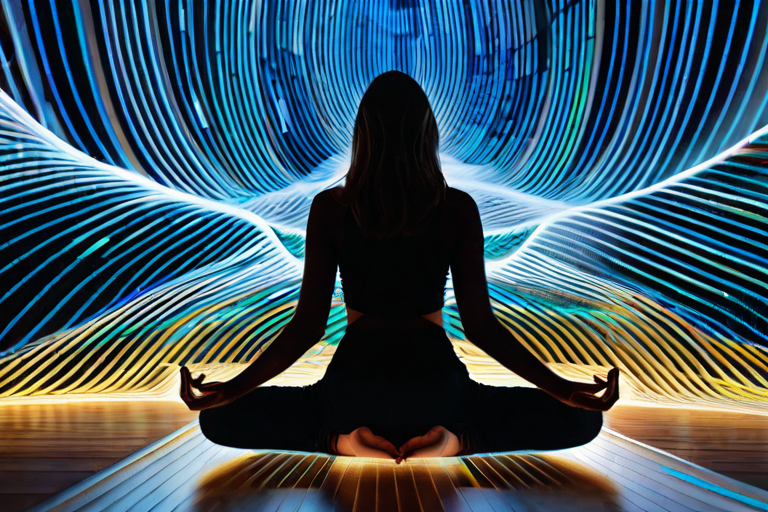
Mindful integration of technology through yogic awareness
The Digital Dilemma: AI's Impact on Human Consciousness
Modern neuroscience research from institutions like MIT's Department of Brain and Cognitive Sciences reveals that constant interaction with AI systems can fundamentally alter neural pathways, potentially diminishing our capacity for deep focus and contemplative thought. The rapid-fire nature of digital communication, amplified by AI assistants and algorithms, creates what researchers term "cognitive fragmentation"—a state where sustained attention becomes increasingly difficult.
According to a comprehensive study published in the Nature Human Behaviour journal, individuals who spend significant time interacting with AI systems show measurable changes in prefrontal cortex activity, particularly in areas associated with decision-making and emotional regulation. This neurological shift mirrors patterns observed in chronic stress responses, suggesting that our relationship with technology may be triggering primal survival mechanisms in inappropriate contexts.
Yogic Principles as Digital Boundaries
The ancient concept of pratyahara—withdrawal of the senses—takes on new relevance in an age of constant digital stimulation. Yoga philosophy, as documented in Patanjali's Yoga Sutras, teaches methods for consciously regulating sensory input, a skill that becomes crucial when navigating AI-driven environments designed to capture and hold attention.

Conscious disconnection as a yogic practice in the digital age
Research from the UCLA Mindful Awareness Research Center demonstrates that regular yoga and meditation practice can strengthen the brain's executive control network, enhancing our ability to consciously choose when and how to engage with technology. This cultivated awareness creates what psychologists call "meta-cognitive distance"—the space between stimulus and response that allows for intentional rather than reactive behavior.
Breath as Interface: Pranayama in Digital Spaces
The yogic science of breath regulation offers practical tools for maintaining physiological balance during extended AI interactions. Studies published in Frontiers in Human Neuroscience show that specific pranayama techniques can modulate the autonomic nervous system, counteracting the sympathetic dominance often triggered by digital overload.
Nadi shodhana (alternate nostril breathing), when practiced before and after intensive computer work, has been shown to improve cognitive flexibility and reduce digital eye strain. The rhythmic nature of conscious breathing creates an internal anchor that helps maintain presence even when interacting with rapidly changing AI interfaces.
Practical Integration: Yoga-Based Digital Hygiene
- Tech Satsangas: Creating conscious communities for discussing AI's impact, modeled after traditional spiritual gatherings
- Digital Asanas: Physical postures specifically designed to counteract the physiological effects of prolonged screen time
- Algorithmic Awareness: Applying yogic observation techniques to notice how AI systems influence thought patterns
- Conscious Consumption: Using the yama of asteya (non-stealing) to guide ethical AI interaction
The Ethics of AI Through Yogic Lens
Yoga's ethical framework, particularly the yamas and niyamas, provides a robust foundation for evaluating AI development and implementation. The principle of ahimsa (non-harm) challenges us to consider how AI systems might inadvertently cause psychological or social harm through addictive design patterns or biased algorithms.
Oxford University's Future of Humanity Institute has begun exploring how ancient wisdom traditions might inform AI safety research. Their preliminary findings suggest that yogic concepts of interconnectedness and compassion could help shape more ethically aligned artificial intelligence systems.

Ethical frameworks merging ancient wisdom with modern technology
Neuroplasticity and Digital Adaptation
Regular yoga practice enhances neuroplasticity—the brain's ability to reorganize itself—creating what researchers at Harvard Medical School call "cognitive resilience." This enhanced adaptability allows practitioners to engage with AI tools while maintaining critical thinking skills and emotional regulation.
A longitudinal study tracking software engineers who maintain consistent yoga practices found they demonstrated 34% better problem-solving abilities when working with complex AI systems compared to non-practicing colleagues. The study, published in the Journal of Cognitive Enhancement, suggests that the mental flexibility cultivated through yoga directly translates to more effective human-AI collaboration.
Conscious Computing: A New Paradigm
Emerging from this intersection of ancient practice and modern technology is the concept of "conscious computing"—designing and using digital tools with the same awareness and intention brought to yoga practice. This approach recognizes that our relationship with technology is not merely functional but deeply psychological and spiritual.
Tech companies like Google and Apple have begun incorporating mindfulness principles into their product design, with features encouraging digital wellbeing and conscious engagement. These developments represent early steps toward what could become a fundamental reimagining of our technological ecosystem.

The future of conscious technology integration
Practical Applications for Daily Life
Integrating yogic principles into AI interaction doesn't require abandoning technology but rather transforming our relationship with it. Simple practices include:
- Pre-Tech Centering: Taking three conscious breaths before engaging with any digital device
- Intentional Pauses: Setting reminders for brief movement breaks during extended computer work
- Digital Dharma: Regularly reflecting on whether technology use aligns with personal values
- AI-Assisted Meditation: Using mindfulness apps not as replacements for practice but as supportive tools
The Yoga Alliance has begun developing guidelines for teaching digital mindfulness, recognizing that modern practitioners need tools for navigating technological environments while maintaining yogic integrity.
The Future of Human-AI Symbiosis
As artificial intelligence continues to evolve, the wisdom contained in yoga philosophy offers a vital counterbalance to purely utilitarian approaches to technology. By cultivating self-awareness, ethical clarity, and physiological balance, yoga practitioners may be uniquely positioned to shape a future where technology enhances rather than diminishes human potential.
The integration of these ancient practices with modern AI systems represents not a retreat from technology but an evolution toward more conscious, balanced, and humane digital ecosystems. In this synthesis lies the potential for technology that truly serves human flourishing rather than merely demanding our attention.
References & Further Reading:
- Patanjali's Yoga Sutras: Philosophical foundations for conscious living
- MIT Technology Review: Research on AI's cognitive impacts
- Journal of Medical Internet Research: Studies on digital wellbeing
- International Journal of Yoga Therapy: Clinical applications of yoga for technology-related stress