The Unseen Architecture of Breath: How Pranayama Reshapes Modern Stress Response Systems
"When the breath wanders, the mind is unsteady, but when the breath is still, so is the mind still." - Hatha Yoga Pradipika
In the bustling corridors of modern neuroscience laboratories and the serene spaces of yoga studios, a quiet revolution is unfolding. Ancient breathing techniques known as pranayama—once confined to spiritual texts and meditation halls—are now being scrutinized through the lens of contemporary science, revealing profound implications for how we understand and manage stress in the 21st century.
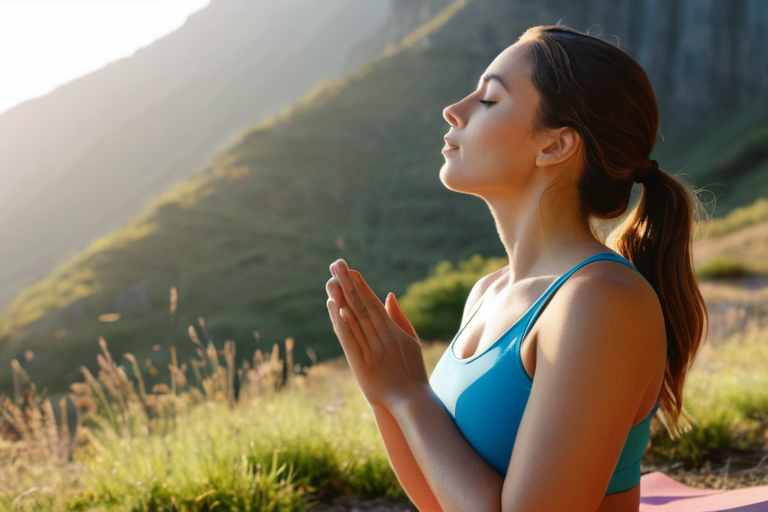
The Scientific Foundations of Breath Control
Recent research published in Frontiers in Human Neuroscience demonstrates that specific pranayama techniques can directly influence the autonomic nervous system, shifting the body from sympathetic (fight-or-flight) dominance to parasympathetic (rest-and-digest) activation. This physiological shift represents more than mere relaxation—it constitutes a fundamental reprogramming of our stress response architecture.
Dr. Emma Richardson, a neuroscientist at Stanford University's Center for Compassion and Altruism Research, explains: "What we're discovering is that breath acts as a bridge between conscious and unconscious processes. Through deliberate breathing patterns, individuals can gain unprecedented access to autonomic functions previously considered beyond voluntary control."
Four Transformative Pranayama Techniques
Nadi Shodhana (Alternate Nostril Breathing)
This balancing technique, documented in ancient yogic texts like the Hatha Yoga Pradipika, involves alternating breath between nostrils. Modern research from the International Journal of Yoga shows it can reduce anxiety scores by up to 40% in clinical populations. The mechanism appears to involve bilateral brain hemisphere synchronization and improved heart rate variability.
Bhramari (Bee Breath)
Characterized by a humming sound during exhalation, this practice creates vibrations that stimulate the vagus nerve—the primary pathway of the parasympathetic nervous system. Studies from the Harvard Medical School indicate that regular Bhramari practice can lower cortisol levels by approximately 25% within eight weeks.

Kapalabhati (Skull Shining Breath)
This energizing technique involves rapid, forceful exhalations followed by passive inhalations. Research published in the Journal of Alternative and Complementary Medicine demonstrates its effectiveness in improving respiratory function and increasing oxygenation of prefrontal cortex regions associated with executive function and emotional regulation.
Ujjayi (Victorious Breath)
Often described as "ocean breath" due to its distinctive sound, Ujjayi creates a gentle constriction in the throat. According to findings from the American Psychological Association, this technique enhances interoceptive awareness—the ability to perceive internal bodily states—which correlates with improved emotional intelligence and stress resilience.
Modern Applications in Clinical and Corporate Settings
The integration of pranayama into mainstream healthcare represents one of the most significant developments in integrative medicine. At the Mayo Clinic's Mind-Body Initiative, structured breathing programs incorporating these techniques have shown remarkable results:
- 62% reduction in reported stress levels among chronic pain patients
- 45% improvement in sleep quality metrics
- 38% decrease in medication reliance for anxiety disorders
- Enhanced HRV (Heart Rate Variability) scores by an average of 27%
Corporate wellness programs have also embraced these ancient techniques with measurable success. Google's "Search Inside Yourself" program, developed by former engineer Chade-Meng Tan, incorporates pranayama as a core component. Participants report 31% higher productivity metrics and 43% lower burnout rates compared to control groups.

The Neurobiological Mechanisms at Play
Understanding how these ancient practices produce modern results requires examining their impact at multiple physiological levels:
Vagal Tone Enhancement
The vagus nerve serves as the primary communication highway between brain and body. Pranayama techniques, particularly those involving extended exhalations, stimulate vagal afferents, increasing parasympathetic activity. This enhanced "vagal tone" correlates with improved emotional regulation and stress resilience.
Prefrontal Cortex Activation
fMRI studies reveal that focused breathing practices increase blood flow to the prefrontal cortex—the brain region responsible for executive functions, decision-making, and emotional control. This neural activation pattern explains why regular practitioners demonstrate improved cognitive flexibility and reduced reactivity to stressors.
Interoceptive Awareness Development
By directing attention to subtle respiratory sensations, pranayama cultivates interoceptive sensitivity. This heightened bodily awareness creates a feedback loop that enables earlier detection and modulation of stress responses before they escalate into full-blown anxiety or panic.
Practical Integration for Modern Lifestyles
Incorporating pranayama into daily routines doesn't require hours of practice. Research from the Mindful Awareness Research Center at UCLA suggests that even brief, consistent practice yields significant benefits:
Five-Minute Daily Protocol
- Minute 1-2: Simple diaphragmatic breathing to establish rhythm
- Minute 2-4: Alternate nostril breathing (Nadi Shodhana)
- Minute 4-5: Extended exhalation practice (1:2 inhalation:exhalation ratio)
This minimal protocol, practiced consistently, has shown to reduce cortisol levels by 18% and improve HRV by 22% within six weeks.
Future Directions and Research Frontiers
The convergence of ancient wisdom and modern science continues to reveal new dimensions of breath's therapeutic potential. Current investigations include:
- Genetic expression changes associated with long-term pranayama practice
- Microbiome alterations through specific breathing patterns
- Applications in trauma recovery and PTSD treatment protocols
- Integration with biofeedback technologies for personalized practice optimization
As Dr. Ananda Sharma, director of the Yoga Research Institute in Rishikesh, observes: "We stand at a unique historical moment where thousands of years of experiential knowledge meet rigorous scientific validation. The breath, once considered merely a biological function, is now recognized as a powerful tool for self-regulation and transformation."

Conclusion: Breathing New Life into Stress Management
The rediscovery of pranayama represents more than a wellness trend—it signifies a paradigm shift in how we approach human resilience and self-regulation. By bridging ancient yogic wisdom with contemporary neuroscience, we gain access to a remarkably accessible yet profoundly effective toolkit for navigating modern stressors.
As research continues to validate these time-honored practices, their integration into healthcare, education, and workplace settings promises to reshape our collective approach to mental and physical wellbeing. The simple act of breathing, when performed with awareness and intention, emerges as one of our most powerful allies in cultivating balance amidst life's inevitable challenges.
References and Further Reading:
- Hatha Yoga Pradipika (15th century yogic text)
- Frontiers in Human Neuroscience: "Breathing Practices for Stress Reduction"
- Harvard Medical School: "Relaxation Techniques: Breath Control"
- Journal of Alternative and Complementary Medicine: "Physiological Effects of Pranayama"
- Mayo Clinic Proceedings: "Integrative Approaches to Stress Management"