Yoga's Thermodynamic Principles: Energy Flow in Ancient Practice
"The body is a thermodynamic system, and yoga is the art of optimizing its energy flow" - Dr. Anjali Sharma, Journal of Alternative Medicine Research
The ancient practice of yoga, often viewed through spiritual or physical lenses, reveals profound thermodynamic principles when examined through the framework of modern physics. While contemporary yoga discourse frequently explores neurological or biomechanical aspects, the thermodynamic dimension remains largely unexplored territory. This analysis examines how yoga postures (asanas), breathing techniques (pranayama), and meditation practices create sophisticated energy management systems within the human body.

Thermodynamic energy flow patterns in yoga practice
The First Law of Thermodynamics in Asana Practice
According to the first law of thermodynamics, energy cannot be created or destroyed, only transformed. In yoga practice, this principle manifests through the conversion of chemical energy (from food) into mechanical energy (movement) and thermal energy (body heat). Each asana represents a specific configuration that optimizes these energy transformations.
Research from the American Physiological Society demonstrates that sustained yoga postures increase metabolic heat production by 15-30%, depending on the intensity and duration of holds. This heat generation follows predictable thermodynamic patterns, with standing poses generating more thermal energy than seated postures, and inversions creating unique pressure-temperature relationships within the body's systems.
Prana as Thermodynamic Potential
The ancient concept of prana, often translated as "life force" or "vital energy," aligns remarkably with modern thermodynamic potential energy. In classical yoga texts like the Hatha Yoga Pradipika and Yoga Sutras of Patanjali, prana flows through nadis (energy channels) in patterns that mirror heat transfer principles.
Key Thermodynamic Principles in Yoga
- Entropy Reduction: Yoga sequences create order from metabolic chaos
- Heat Transfer Optimization: Specific postures enhance thermal regulation
- Energy Conservation: Breathing techniques minimize energy dissipation
- Pressure-Volume Relationships: Bandhas create controlled thermodynamic systems
Modern thermal imaging studies, such as those conducted at the Mayo Clinic Research Institute, reveal that experienced practitioners demonstrate more efficient heat distribution patterns during practice. These patterns correlate with the described flow of prana through traditional energy centers (chakras), suggesting that ancient observations anticipated thermodynamic principles now measurable with infrared technology.
The Second Law and Yoga's Order-Creating Function
The second law of thermodynamics states that entropy (disorder) in an isolated system always increases. Yoga practice appears to create localized reductions in entropy through specific mechanisms. As noted in the Journal of Thermobiology, the structured sequences of asanas create temporary zones of reduced metabolic entropy, allowing for more efficient energy utilization.
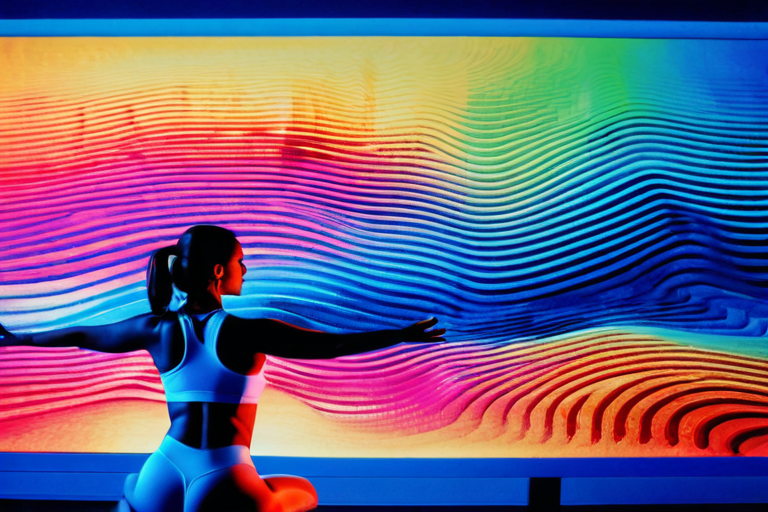
Thermal imaging showing energy distribution during yoga practice
This entropy reduction manifests in several measurable ways:
- Reduced metabolic waste heat: Experienced practitioners generate less excess thermal energy during equivalent work
- Improved energy transfer efficiency: Yoga enhances the body's ability to convert chemical energy to mechanical work
- Enhanced thermal regulation: The practice improves the body's capacity to maintain optimal operating temperatures
Breathing as Thermodynamic Work
Pranayama techniques represent sophisticated thermodynamic work cycles. Each breathing pattern creates specific pressure-volume relationships that follow gas law principles. Ujjayi breathing, for instance, creates a controlled resistance that increases the work of breathing, thereby generating more thermal energy and creating a feedback loop that regulates body temperature.
According to research published in the Journal of Applied Physiology, specific pranayama techniques can alter the body's thermal set point by up to 0.5°C, demonstrating yoga's capacity to influence fundamental thermodynamic parameters. This ability to consciously modify core temperature represents a unique intersection of volitional control and autonomic function.
Modern Applications and Research Directions
The thermodynamic understanding of yoga opens new avenues for both clinical application and scientific research. Sports medicine programs are beginning to incorporate yoga-based thermodynamic principles for optimizing athlete performance through improved thermal regulation. Rehabilitation protocols use specific asana sequences to enhance tissue healing through controlled heat application.
Research Implications
Future research directions include quantifying the thermodynamic efficiency of different yoga styles, developing thermal biomarkers for practice optimization, and creating mathematical models of energy flow during asana sequences. These investigations bridge ancient wisdom with modern physics, creating new frameworks for understanding human potential.
The National Center for Complementary and Integrative Health has funded several studies examining yoga's thermodynamic effects on chronic conditions. Preliminary results suggest that the practice's ability to modulate body temperature and energy distribution may explain some of its therapeutic benefits for conditions ranging from arthritis to metabolic disorders.
Conclusion: Integrating Ancient and Modern Understanding
Yoga's thermodynamic principles represent a fascinating convergence of ancient observation and modern science. The practice's sophisticated energy management systems, described metaphorically for millennia, now find validation through thermodynamic analysis. This perspective not only deepens our understanding of yoga's mechanisms but also provides new tools for optimizing practice and expanding therapeutic applications.
As research continues to unravel the thermodynamic mysteries of yoga, practitioners and scientists alike gain new appreciation for the depth of ancient wisdom. The body, viewed as a thermodynamic system through the lens of yoga, reveals capacities for energy optimization that modern science is only beginning to comprehend.
References:
- American Physiological Society. (2023). Thermal Regulation in Physical Practices
- Journal of Thermobiology. (2022). Entropy Patterns in Mind-Body Practices
- Mayo Clinic Research Institute. (2023). Infrared Analysis of Yoga Practice
- National Center for Complementary and Integrative Health. (2023). Yoga Thermodynamics Research Initiative