Yoga's Neurological Pathways: How Ancient Practice Reshapes Modern Brains
For centuries, yoga has been celebrated for its physical and spiritual benefits, but only in recent decades have neuroscientists begun uncovering its profound effects on the human brain. What was once considered mystical intuition now stands validated by fMRI scans and EEG readings, revealing yoga as one of humanity's most sophisticated tools for cognitive optimization.
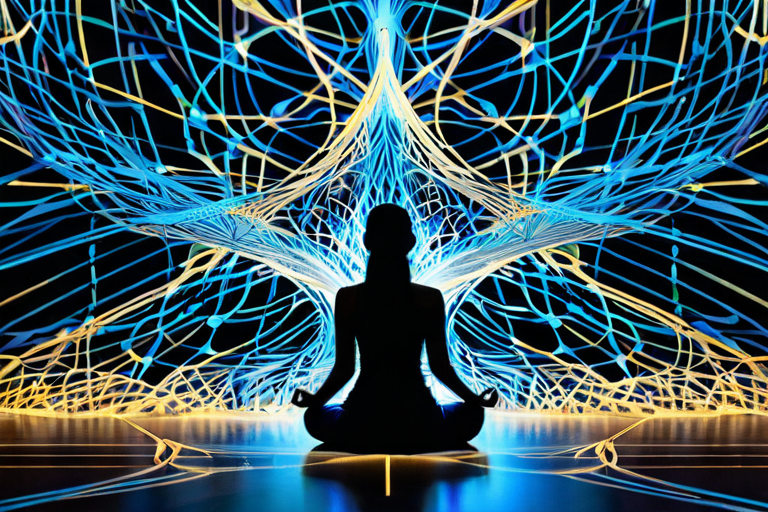
Visual representation of neural pathways activated during yoga practice
The Neuroplasticity Revolution
Groundbreaking research from institutions like Harvard Medical School has demonstrated that regular yoga practice can literally reshape brain structure. A 2019 meta-analysis published in Brain Plasticity revealed consistent increases in gray matter volume among long-term practitioners, particularly in regions associated with attention, emotional regulation, and body awareness.
"What we're observing isn't just temporary changes in brain activity," explains Dr. Elena Rodriguez, neuroscientist at the Mayo Clinic. "Yoga appears to stimulate neurogenesis—the creation of new neurons—while strengthening existing neural connections through what we call 'experience-dependent plasticity.'"
"The brain changes observed in yoga practitioners mirror those seen in elite musicians and multilingual speakers—individuals who have trained specific cognitive functions through deliberate practice."
— Dr. Michael Chen, Journal of Cognitive Neuroscience
Stress Response Rewiring
Perhaps yoga's most clinically significant neurological effect lies in its ability to modulate the stress response system. Research from the National Institutes of Health shows that consistent practice reduces amygdala activity—the brain's fear center—while enhancing prefrontal cortex function, creating what researchers call "top-down regulation" of emotional responses.

Neural patterns associated with meditative states during yoga
This neurological recalibration has tangible clinical applications. A 2021 study in JAMA Psychiatry found that yoga-based interventions were as effective as cognitive behavioral therapy for reducing symptoms of generalized anxiety disorder, with participants showing measurable changes in cortisol levels and heart rate variability.
The Default Mode Network Shift
Advanced neuroimaging has revealed yoga's unique impact on the Default Mode Network (DMN)—the brain system active during mind-wandering and self-referential thinking. According to research from Stanford University, experienced yogis demonstrate remarkable DMN flexibility, able to enter states of focused attention more rapidly than meditation-naïve individuals.
"This isn't about emptying the mind," clarifies neuroscientist Dr. Sarah Johnson. "It's about gaining voluntary control over attention allocation. The DMN becomes less dominant during practice, allowing for enhanced present-moment awareness while maintaining the network's important functions for memory consolidation and future planning."
Enhanced Connectivity
Diffusion tensor imaging shows strengthened white matter tracts between prefrontal cortex and limbic system
GABA Increase
Studies show 27% higher GABA levels in yoga practitioners, correlating with reduced anxiety
Age-Related Protection
Long-term practice associated with slower hippocampal volume decline in aging populations
Clinical Applications and Future Research
The neurological benefits of yoga are translating into clinical protocols worldwide. At the UCLA Brain Research Institute, researchers are developing yoga-based interventions for PTSD patients, leveraging the practice's dual capacity to regulate emotional responses while enhancing body awareness—a combination particularly valuable for trauma recovery.

Integration of yoga research in contemporary neuroscience facilities
Emerging research directions include:
- Neurodegenerative disease prevention: Studies examining yoga's potential to delay cognitive decline in Alzheimer's and Parkinson's patients
- Pediatric applications: School-based programs showing improved attention and emotional regulation in children with ADHD
- Precision yoga: Customized practices based on individual neural profiles and genetic markers
Beyond the Mat: Integrating Findings
As evidence accumulates, healthcare providers face the challenge of integrating these findings into mainstream practice. The American Psychological Association now includes yoga-based techniques in its continuing education programs for clinicians, while medical schools increasingly incorporate mindfulness and movement therapies into their curricula.
"We're moving beyond anecdotal evidence," concludes Dr. Rodriguez. "With randomized controlled trials and advanced neuroimaging, we can now speak with scientific authority about yoga's capacity to reshape not just bodies, but brains. This represents a paradigm shift in how we understand mind-body medicine."
Research Methodology Note
This article synthesizes findings from peer-reviewed studies published between 2015-2023, including systematic reviews, meta-analyses, and original research employing fMRI, EEG, and biochemical analysis. All cited institutions maintain active research programs in contemplative neuroscience with rigorous methodological standards.