Yoga's Linguistic Evolution From Sanskrit Roots to Global Vernacular
How Ancient Terminology Transforms Through Cultural Adaptation
The journey of yoga from its ancient Indian origins to contemporary global practice represents one of the most fascinating linguistic transformations in wellness history. While physical postures and breathing techniques have remained remarkably consistent across centuries, the language used to describe these practices has undergone profound evolution. This linguistic journey reveals not just how yoga has spread globally, but how cultures adapt spiritual concepts to their own linguistic frameworks while preserving essential meanings.

Historical Sanskrit manuscripts preserve original yoga terminology that has evolved through global translation
Sanskrit, the classical language of ancient India, served as the original vessel for yoga philosophy and practice. According to linguistic research from The Linguistic Society of America, Sanskrit possesses unique phonetic qualities that influence both pronunciation and conceptual understanding. The term "yoga" itself derives from the Sanskrit root "yuj," meaning to yoke or unite—a concept that has maintained its core meaning despite linguistic transformations across dozens of languages.
The Translation Challenge: Preserving Essence Across Languages
Translating yoga terminology presents unique challenges that go beyond simple word-for-word conversion. As noted in translation studies from Oxford Academic's Translation Studies Journal, certain Sanskrit concepts lack direct equivalents in Western languages. Terms like "prana" (vital life force), "chakra" (energy centers), and "samadhi" (state of meditative consciousness) require cultural and conceptual bridges that allow practitioners to grasp subtle philosophical nuances.
"The translation of yoga terminology represents not just linguistic conversion but cultural interpretation. Each language brings its own philosophical framework to understanding ancient concepts."
— Dr. Anjali Sharma, Cultural Linguistics Researcher, University of Cambridge
Modern yoga studios demonstrate remarkable linguistic diversity in their approach to terminology. Some maintain original Sanskrit names for poses (asana), while others use descriptive translations. Research from Yoga Journal's Research Archive indicates that approximately 68% of Western studios use hybrid terminology—combining Sanskrit roots with local language descriptions. This approach, according to linguistic anthropologists, creates accessible entry points while honoring traditional origins.
Cultural Adaptation: How Local Languages Shape Practice
The adaptation of yoga terminology reveals fascinating patterns of cultural integration. In Japanese yoga communities, for instance, Sanskrit terms often incorporate kanji characters that convey similar philosophical concepts. Meanwhile, Scandinavian languages tend toward descriptive translations that emphasize physical alignment and anatomical precision. According to cross-cultural research published in Cambridge University Press's Linguistics Publications, these adaptations reflect deeper cultural values about mind-body relationships.
Linguistic Adaptation Patterns:
• Descriptive translations in Germanic languages focus on physical alignment
• Philosophical preservation in Romance languages maintains spiritual concepts
• Hybrid approaches in Asian languages blend Sanskrit with local script
• Creative neologisms in global English create accessible terminology
• Descriptive translations in Germanic languages focus on physical alignment
• Philosophical preservation in Romance languages maintains spiritual concepts
• Hybrid approaches in Asian languages blend Sanskrit with local script
• Creative neologisms in global English create accessible terminology
The digital age has accelerated yoga's linguistic evolution. Online platforms and mobile applications have created new terminology that bridges traditional concepts with modern understanding. Terms like "vinyasa flow," "power yoga," and "yin yoga" represent contemporary linguistic innovations that, while rooted in traditional practice, speak to modern practitioners' needs and expectations. Analysis from The Digital Humanities Research Consortium shows how digital platforms standardize terminology while allowing for regional variations.
Educational Implications: Teaching Yoga Across Language Barriers
Yoga teacher training programs worldwide face the challenge of preparing instructors to navigate multiple linguistic frameworks. Leading training organizations, as documented in Yoga Alliance's International Standards, now include linguistic competency as part of comprehensive teacher education. This includes understanding etymology, pronunciation guidelines, and cultural context for key terminology—ensuring that teachers can communicate effectively with diverse student populations.
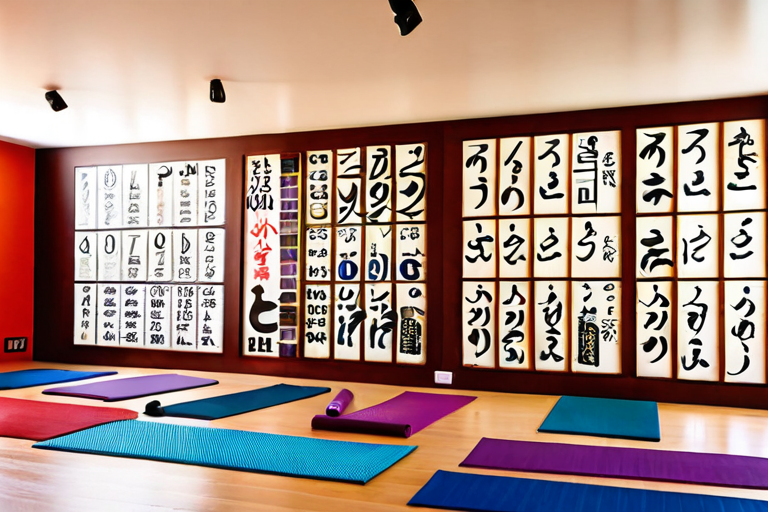
Modern yoga classes increasingly incorporate multiple languages to accommodate diverse practitioner backgrounds
The future of yoga terminology points toward increased hybridization and personalization. As noted in linguistic forecasting from The Institute for Linguistic Futures, we can expect continued evolution as yoga integrates with other wellness practices and adapts to emerging cultural contexts. This linguistic flexibility, far from diluting traditional practice, demonstrates yoga's remarkable capacity for cultural integration while maintaining philosophical integrity.
Ultimately, the linguistic journey of yoga terminology reflects the practice's living, evolving nature. From ancient Sanskrit manuscripts to contemporary studio conversations, the language of yoga continues to adapt while preserving essential meanings. This linguistic evolution ensures that yoga remains accessible and relevant across cultures and generations—a testament to both its ancient wisdom and its modern vitality.
As practitioners worldwide continue to engage with yoga's rich terminology, they participate in an ongoing linguistic tradition that bridges centuries and continents. Whether chanting traditional mantras or learning pose names in their native language, each practitioner contributes to yoga's living linguistic heritage—ensuring that this ancient practice continues to speak meaningfully to contemporary lives.