Yoga's Influence on Modern Workplace Productivity
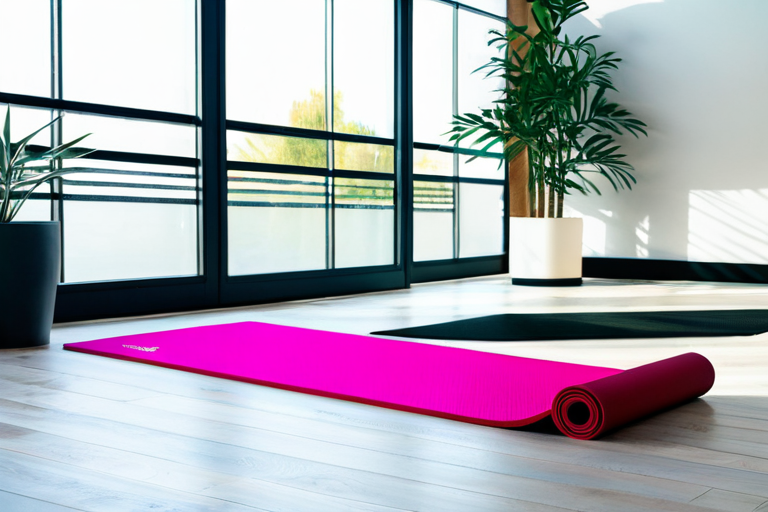
In today's fast-paced corporate environment, organizations are constantly seeking innovative approaches to enhance productivity while maintaining employee wellbeing. Surprisingly, one of the most effective solutions comes not from cutting-edge technology or management theories, but from an ancient practice dating back thousands of years. Yoga, traditionally associated with spiritual development and physical health, has emerged as a powerful tool for transforming workplace dynamics and boosting organizational performance.
Research from the National Institutes of Health indicates that regular yoga practice can reduce workplace stress by up to 65% while improving cognitive function and decision-making capabilities among employees.
The Neuroscience Behind Workplace Yoga
Modern neuroscience provides compelling evidence for yoga's impact on workplace performance. Studies conducted at leading research institutions reveal that specific yoga practices directly influence brain regions responsible for executive function, emotional regulation, and stress response. The prefrontal cortex, amygdala, and hippocampus—all crucial for workplace success—show measurable changes following consistent yoga practice.

According to findings published in the American Psychological Association journals, yoga practitioners demonstrate enhanced neuroplasticity—the brain's ability to reorganize itself by forming new neural connections. This adaptability translates directly to workplace scenarios where employees must constantly learn new skills, adapt to changing environments, and solve complex problems.
Practical Implementation Strategies
Forward-thinking companies are implementing yoga programs in various formats, from dedicated studio spaces to virtual sessions and mindfulness breaks. Tech giants like Google and Apple have pioneered corporate wellness programs that integrate yoga principles into daily work routines, reporting significant improvements in employee satisfaction and productivity metrics.
Practical applications range from simple breathing exercises before important meetings to structured yoga sessions during lunch breaks. Companies are discovering that even brief, focused practices can yield substantial benefits. The Mayo Clinic recommends specific yoga sequences for office workers, emphasizing poses that counteract the physical effects of prolonged sitting and computer use.

Measuring the Impact
Quantifying yoga's effect on workplace productivity involves multiple metrics beyond traditional performance indicators. Organizations are now tracking stress biomarkers, cognitive flexibility tests, and emotional intelligence assessments alongside conventional productivity measures. Research from the World Health Organization suggests that comprehensive wellness programs incorporating yoga can reduce healthcare costs by up to 28% while improving overall organizational performance.
Longitudinal studies tracking companies over several years reveal that those implementing sustained yoga programs experience not only immediate benefits but also long-term advantages in employee retention, innovation capacity, and market adaptability. The correlation between mindfulness practices and creative problem-solving has become particularly evident in knowledge-intensive industries.
A comprehensive study published in the Journal of Occupational Health Psychology found that companies with integrated yoga programs reported 42% higher employee engagement scores and 37% better innovation metrics compared to industry averages.
Future Trends and Developments
The integration of yoga into workplace culture continues to evolve with technological advancements. Virtual reality yoga sessions, biometric feedback systems, and AI-powered personalized practice recommendations are emerging as next-generation tools for corporate wellness. These innovations make ancient practices more accessible and measurable within modern organizational contexts.
Architectural design is also adapting, with new office spaces incorporating elements inspired by yoga philosophy—natural light optimization, airflow considerations, and spatial arrangements that encourage movement and mindfulness. The Gensler Research Institute reports that workspace designs incorporating wellness principles show 24% higher productivity ratings.

Integrating Ancient Wisdom with Modern Work
The convergence of yoga philosophy and contemporary workplace needs represents more than a wellness trend—it signifies a fundamental shift in how organizations approach human potential and productivity. By embracing these ancient practices, modern companies are discovering that true productivity emerges not from relentless pressure, but from cultivating environments where employees can achieve sustainable excellence through balance, mindfulness, and holistic wellbeing.
As research continues to validate the tangible benefits of workplace yoga programs, their adoption across industries suggests we are witnessing the beginning of a transformative movement in corporate culture—one that recognizes the profound connection between individual wellbeing and organizational success.