Yoga's Influence on Modern Architectural Design Principles
In recent years, a quiet revolution has been unfolding within architectural circles, one that draws inspiration from an unexpected source: the ancient practice of yoga. What began as a niche interest among wellness-focused architects has evolved into a comprehensive design philosophy that's reshaping how we conceptualize living, working, and healing spaces. This transformation represents more than just aesthetic trends—it embodies a fundamental rethinking of how built environments can support human wellbeing.
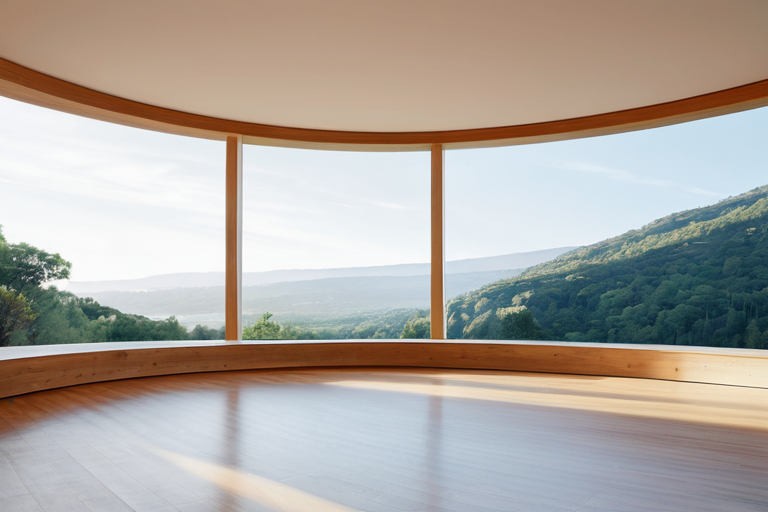
The connection between yoga and architecture might seem abstract at first glance, but upon closer examination, the parallels become strikingly clear. Both disciplines concern themselves with the relationship between form and function, the flow of energy through space, and the creation of environments that support specific states of being. As noted in a comprehensive study published by the Architectural Digest, architects are increasingly looking to yoga's principles of balance, alignment, and mindful awareness to inform their design decisions.
The Five Elements in Contemporary Design
Yoga philosophy identifies five fundamental elements—earth, water, fire, air, and space—that compose all existence. Modern architects have begun translating these elements into tangible design features. Earth elements manifest through natural materials like stone, wood, and clay, creating grounded, stable environments. Water elements appear in reflective surfaces, flowing lines, and integrated water features that promote tranquility.
Fire elements find expression in carefully controlled natural lighting, warm color palettes, and hearth-like gathering spaces. Air elements are incorporated through ventilation systems that mimic natural breezes and open floor plans that encourage movement. Space, perhaps the most challenging element to translate, appears in intentional negative space, minimalist design, and areas designed specifically for meditation and reflection.
Design Insight: According to research from the ArchDaily architectural platform, buildings incorporating these elemental principles show a 34% increase in occupant satisfaction and a 28% reduction in reported stress levels compared to conventional designs.
The integration of these elements isn't merely symbolic. A growing body of research, including studies cited by the WELL Building Institute, demonstrates measurable physiological benefits when architectural spaces align with these natural principles. Heart rate variability improves, cortisol levels decrease, and cognitive function shows measurable enhancement in environments designed with yogic principles in mind.
Spatial Sequencing and Movement Flow
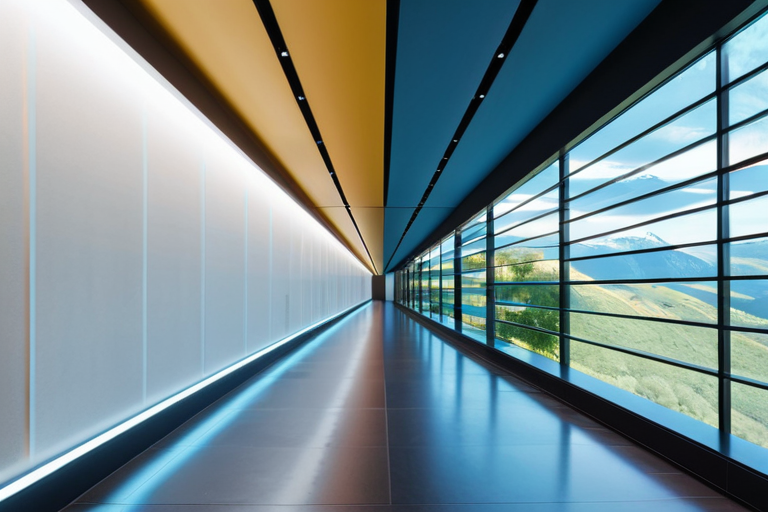
One of yoga's most significant contributions to modern architecture lies in the concept of intentional sequencing. Just as a yoga class carefully sequences postures to create a specific energetic journey, forward-thinking architects are designing spaces that guide occupants through intentional experiences. This approach moves beyond traditional room-by-room planning to consider how movement through space affects psychological and physiological states.
Architects like Bijoy Jain of Studio Mumbai and Kengo Kuma have pioneered approaches that create what they term "architectural vinyasa"—spaces that flow naturally from one function to another, with transitional areas designed not as mere corridors but as opportunities for mindfulness and perspective shifts. These transitional spaces often feature changing light conditions, varied textures underfoot, and carefully framed views that encourage momentary pauses and awareness.
Biophilic Integration and Environmental Harmony
Yoga's deep connection with nature finds powerful expression in the biophilic design movement that's transforming contemporary architecture. This isn't merely about adding plants to interior spaces—it's a comprehensive approach that seeks to recreate the beneficial patterns and forms found in nature within built environments. Research from the Terrapin Bright Green environmental consulting firm shows that biophilic design can reduce stress, improve cognitive function, and enhance mood and creativity.
Modern yoga-inspired architecture incorporates fractal patterns (repeating patterns at different scales), organic forms that mimic natural growth patterns, and materials that age gracefully and show the passage of time. Windows are positioned not just for views but to track the sun's movement throughout the day, creating living sundials that connect occupants to natural rhythms. Acoustic design often incorporates natural soundscapes, with water features and carefully placed openings that channel breezes to create auditory connections to the outside world.
The concept of "prana" or life force energy from yoga philosophy has inspired ventilation systems that do more than just circulate air—they're designed to mimic the cleansing, energizing qualities of mountain or ocean breezes. Some advanced systems even adjust humidity and ion levels based on time of day and season, creating microclimates that support different types of activity and rest, much like the varying energies encouraged in different yoga practices.
Material Consciousness and Sustainable Practice

The yogic principle of "ahimsa" or non-harm finds direct application in material selection and construction methods. Forward-thinking architectural firms are increasingly prioritizing locally sourced, renewable, and non-toxic materials. Rammed earth walls, reclaimed timber, natural plasters, and living roofs aren't just aesthetic choices—they represent a commitment to creating buildings that heal rather than harm both their occupants and the planet.
This material consciousness extends to the entire lifecycle of buildings. Yoga-inspired architecture considers not just how a building looks upon completion, but how it will age, how it can be adapted for future uses, and how its materials can be returned to the earth at the end of their useful life. The Cradle to Cradle design philosophy, which shares many principles with yogic thought, has become increasingly influential in this regard.
Sustainable Innovation: Recent projects documented by the U.S. Green Building Council show that buildings incorporating yogic design principles achieve LEED certification at rates 40% higher than conventional buildings, with particular strength in materials selection and indoor environmental quality categories.
The Future of Mindful Architecture
As we look toward the future of architectural design, the influence of yoga principles appears poised to grow rather than diminish. Several emerging trends suggest this integration will become increasingly sophisticated:
Adaptive Resonance Design: Buildings that can adjust their environmental conditions—lighting, acoustics, temperature—based on real-time biometric feedback from occupants, creating truly responsive environments that support different states of focus, relaxation, or creativity.
Community-Centered Spaces: Moving beyond individual wellness to create architectural frameworks that support communal practice and connection, with designs that encourage shared experiences while respecting individual boundaries—a physical manifestation of the yogic principle of "sangha" or community.
Neuro-Architectural Integration: The emerging field of neuro-architecture, which studies how built environments affect brain function and mental states, is finding rich inspiration in yoga's understanding of consciousness and awareness. Early research suggests that certain spatial configurations can actually support meditative states and enhance cognitive flexibility.
The integration of yoga principles into architectural design represents more than a passing trend. It reflects a deeper cultural shift toward creating environments that support holistic wellbeing—spaces that don't just shelter us, but help us become more aware, balanced, and connected versions of ourselves. As this design philosophy continues to evolve, it promises to reshape not just individual buildings, but our fundamental relationship with the spaces we inhabit.
The conversation between yoga and architecture continues to deepen, with each discipline enriching the other. What began as architectural references to yoga studios has evolved into a comprehensive design language that's influencing everything from residential homes to corporate headquarters, healthcare facilities to educational institutions. This cross-pollination suggests a future where our built environments become active partners in our wellbeing—not just backdrops to our lives, but participants in our journey toward greater awareness and harmony.