Yoga's Hidden History: Uncovering Ancient Practices in Modern Studios
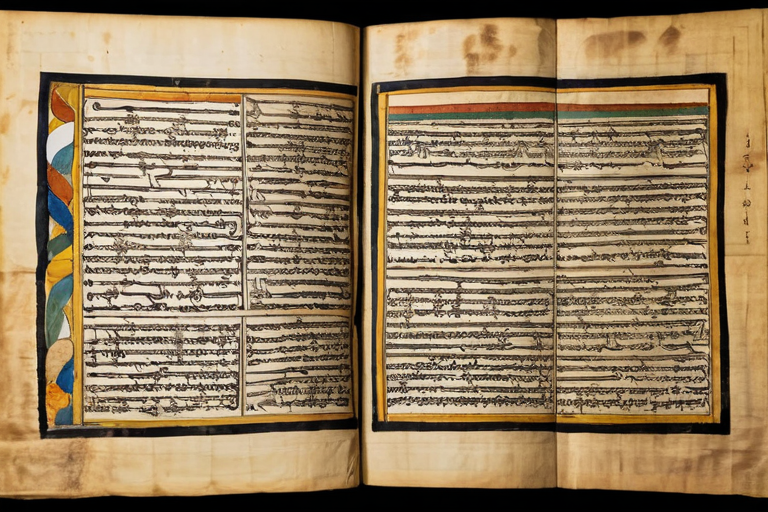
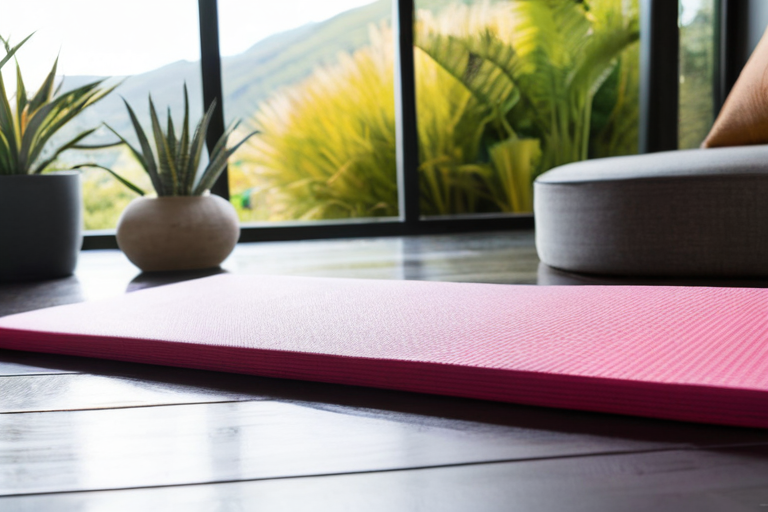
When you step into a contemporary yoga studio today, with its polished hardwood floors, temperature-controlled environment, and curated Spotify playlists, you're participating in a tradition that stretches back over 5,000 years. The yoga mat beneath your feet represents the latest chapter in a story that began in the Indus Valley civilization, evolved through Vedic rituals, was systematized by Patanjali, and survived colonial suppression before emerging as a global phenomenon. This journey from sacred ritual to secular practice reveals fascinating continuities and transformations that most modern practitioners rarely consider.
The Archaeological Evidence: Yoga Before Patanjali
Contrary to popular belief, yoga didn't begin with Patanjali's Yoga Sutras (circa 400 CE). Archaeological findings from the Indus Valley civilization (3300–1300 BCE) reveal seals depicting figures in what appear to be yogic postures. The Pashupati seal, housed at the British Museum, shows a horned figure surrounded by animals, seated in what scholars identify as a meditative posture. These artifacts suggest proto-yogic practices existed millennia before the classical texts.
"The earliest references to yoga appear not in philosophical texts but in ritual contexts. The Rigveda mentions 'yoking' the mind, while the Katha Upanishad compares the body to a chariot that must be controlled through disciplined practice." — Dr. James Mallinson, SOAS University of London
The transition from ritual to philosophy occurred gradually. Early Vedic yoga focused primarily on breath control and meditation as means to connect with divine forces. By the time of the Upanishads (800–200 BCE), yoga had developed into a more systematic approach to spiritual liberation. The Bhagavad Gita (circa 400 BCE) presents three distinct paths: karma yoga (action), bhakti yoga (devotion), and jnana yoga (knowledge). This tripartite system reveals yoga's early adaptability to different temperaments and lifestyles.
Patanjali's Systematization: The Eight Limbs Reexamined
Patanjali's Yoga Sutras represent not the beginning of yoga but its first comprehensive codification. His eightfold path (ashtanga) is often misunderstood in modern contexts. The yamas (ethical restraints) and niyamas (observances) weren't mere suggestions but prerequisites for practice. Contemporary research from Harvard University's Mind-Body Medical Institute suggests these ethical foundations may have neurological benefits, reducing cortisol levels and enhancing prefrontal cortex function.
What's frequently overlooked is that Patanjali mentions asana (posture) only briefly, emphasizing steadiness and comfort. The elaborate physical postures practiced today developed centuries later in hatha yoga texts like the Hatha Yoga Pradipika (15th century CE). This text describes only 15 asanas, a far cry from the hundreds taught in modern studios. The proliferation of postures occurred primarily in the 20th century as yoga teachers innovated to meet Western expectations of physical fitness.
Colonial Encounters and Modern Transformations
The British colonial period (1757–1947) nearly extinguished yoga as a living tradition. Victorian morality viewed yogis as "filthy fakirs," and colonial administrators suppressed practices they considered superstitious. Ironically, this suppression prompted reform movements that would eventually make yoga palatable to Western audiences. Figures like Swami Vivekananda presented yoga as a "science of religion" at the 1893 Parliament of World Religions in Chicago, emphasizing its rational aspects over ritual elements.
"Colonial censure forced yoga practitioners to systematize and sanitize their teachings. What emerged was a hybrid tradition—retaining Indian philosophical foundations while adopting Western physical culture elements." — Dr. Mark Singleton, author of Yoga Body: The Origins of Modern Posture Practice
The 20th century saw yoga's dramatic physicalization. Pioneers like Tirumalai Krishnamacharya (1888–1989) synthesized ancient techniques with Western gymnastics and Indian wrestling exercises. His students—including B.K.S. Iyengar, Pattabhi Jois, and T.K.V. Desikachar—created the dominant styles practiced globally today. Research from the National Institutes of Health now validates many physical benefits of these modern asana practices, from improved flexibility to reduced inflammation markers.
The Neuroscience of Ancient Practices
Modern neuroscience is now uncovering why ancient yogic techniques work. Pranayama (breath control) practices like nadi shodhana (alternate nostril breathing) have been shown in peer-reviewed studies to balance hemispheric brain activity and improve autonomic nervous system regulation. Meditation techniques described in the Yoga Sutras correlate with increased gray matter density in brain regions associated with attention and emotional regulation.
Perhaps most intriguing is research on samyama—the combined practice of dharana (concentration), dhyana (meditation), and samadhi (absorption) described by Patanjali. Studies using fMRI technology reveal that advanced practitioners can voluntarily modulate brain regions associated with self-referential thinking, potentially explaining yoga's reported effects on ego dissolution and interconnectedness.
Contemporary Applications: Beyond the Mat
Today's yoga innovations continue this historical pattern of adaptation. Trauma-informed yoga, developed by researchers like Dr. Bessel van der Kolk, applies yogic principles to PTSD treatment. Corporate yoga programs integrate mindfulness techniques with productivity metrics. Even athletic training has embraced yoga not just for flexibility but for proprioception and injury prevention—the UEFA now recommends yoga for soccer players to reduce hamstring injuries.
Yet these applications raise questions about cultural appropriation versus appreciation. As yoga becomes a $80 billion global industry (according to Global Wellness Institute data), its connection to Indian philosophical roots often weakens. Some studios offer "beer yoga" or "goat yoga," while others maintain rigorous connections to traditional lineages.
The Future: Digital Yoga and Personalized Practice
The COVID-19 pandemic accelerated yoga's digital transformation. Apps and virtual classes now reach practitioners in remote areas, but they also raise questions about the importance of in-person transmission (guru-shishya parampara). Emerging technologies like biofeedback wearables allow real-time monitoring of physiological responses during practice, potentially creating personalized yoga protocols based on individual stress responses or genetic markers.
As we look forward, yoga's history suggests it will continue evolving while retaining core principles. The tension between preservation and innovation has always driven yoga's development—from forest ascetics to palace teachers, from colonial suppression to global phenomenon. Perhaps the most authentic practice honors this entire journey, recognizing that today's vinyasa flow contains echoes of Vedic chants, colonial resistance, and neuroscientific validation.
Further Reading & Resources
- Yoga Journal: Historical Timeline - Interactive exploration of yoga's development
- Oxford Bibliographies: Yoga Studies - Academic resources and research
- Yoga Alliance: Historical Context - Professional organization perspective
- NIH Review: Therapeutic Effects of Yoga - Scientific research compilation