Yoga's Environmental Consciousness: Cultivating Sustainability Through Ancient Practices
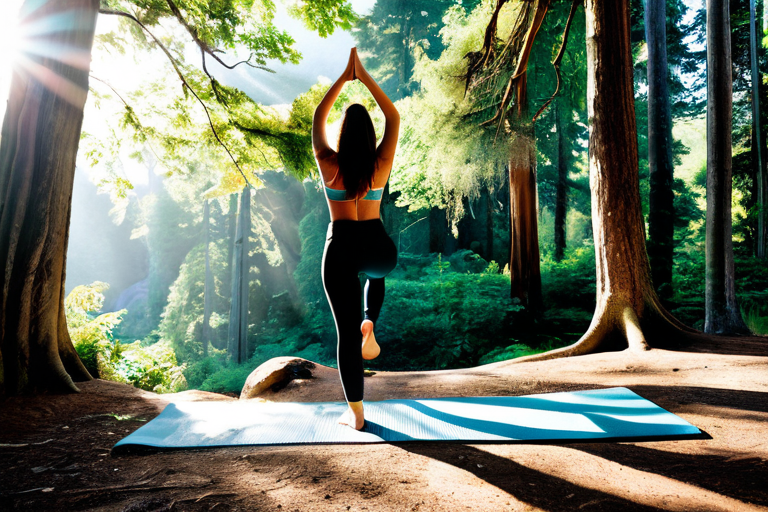
"The ancient yogic principle of Ahimsa (non-harming) extends beyond our personal practice to encompass our relationship with the natural world."
The Ecological Foundations of Yoga Philosophy
Yoga's environmental consciousness finds its roots in ancient texts that predate modern ecological movements by millennia. The Yoga Sutras of Patanjali, compiled around 400 CE, establish the foundational ethical principles known as Yamas. Among these, Ahimsa (non-violence) and Aparigraha (non-possessiveness) provide direct guidance for sustainable living. These principles encourage practitioners to minimize harm to all living beings and to cultivate contentment with what one has, reducing consumption and waste.
Contemporary research published in the Journal of Environmental Psychology demonstrates that regular yoga practitioners show significantly higher levels of environmental concern compared to non-practitioners. The study suggests that the mindfulness cultivated through yoga extends to awareness of one's ecological footprint, creating what researchers term "ecological mindfulness."
Key Ancient Principles Supporting Sustainability
- Ahimsa (Non-violence): Extends to environmental protection and animal welfare
- Aparigraha (Non-possessiveness): Encourages minimalism and reduced consumption
- Santosha (Contentment): Fosters satisfaction with what one has, reducing material desires
- Svadhyaya (Self-study): Includes understanding one's impact on the environment
Sustainable Materials in Modern Yoga Practice
The global yoga industry has undergone significant transformation in its approach to materials and manufacturing. Traditional cotton mats, while natural, often involve intensive water usage and pesticide application. In response, innovative companies have developed sustainable alternatives that align with yogic principles while minimizing environmental impact.
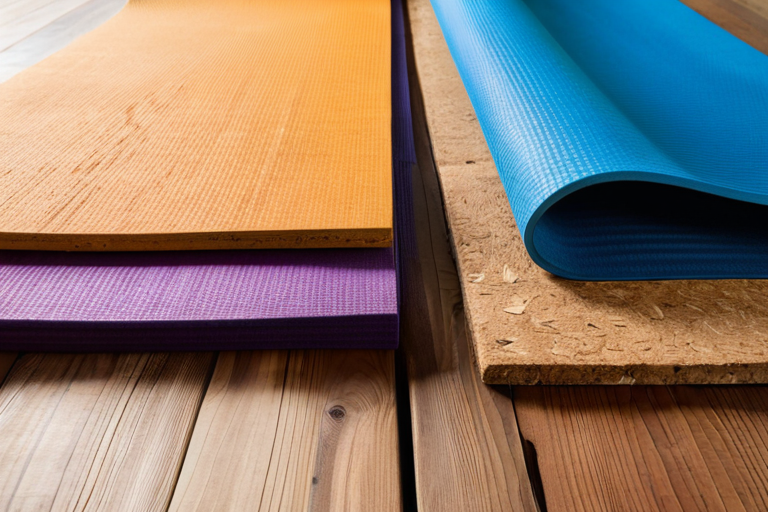
According to the Yoga Alliance's 2023 Industry Report, sustainable yoga products now represent approximately 35% of the market, with growth projected at 12% annually. Natural rubber mats, harvested from sustainably managed rubber tree plantations, offer excellent grip while being biodegradable. Cork mats provide antimicrobial properties naturally, eliminating the need for chemical treatments. Jute-based mats, made from fast-growing plants requiring minimal pesticides, offer another eco-friendly alternative.
Green Studio Design and Energy Efficiency
Modern yoga studios are increasingly incorporating sustainable design principles that enhance both environmental performance and the quality of practice. The LEED certification system has become a benchmark for eco-friendly studio design, with over 200 yoga studios worldwide achieving certification. Key design elements include natural ventilation systems that reduce energy consumption while improving air quality, bamboo flooring (a rapidly renewable resource), and strategically placed windows that maximize natural light while minimizing heat gain.
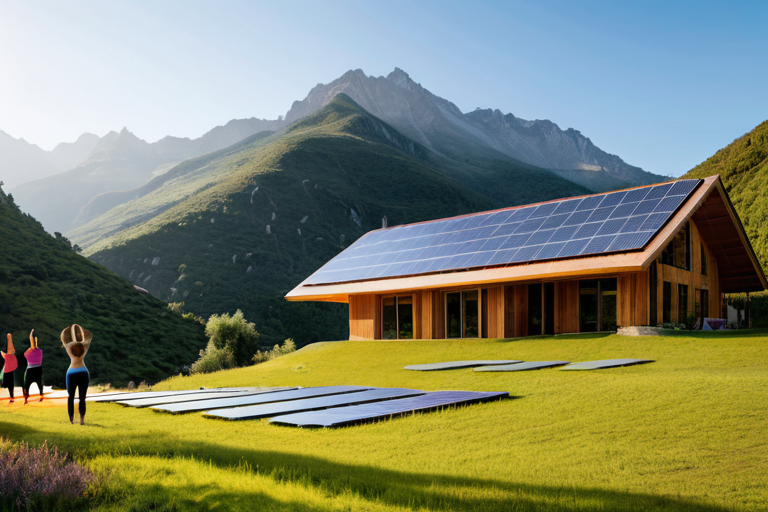
Energy efficiency represents another critical area of innovation. Studios are implementing solar panels, geothermal heating and cooling systems, and LED lighting with circadian rhythm programming. The Environmental Protection Agency reports that energy-efficient yoga studios can reduce their carbon footprint by up to 40% compared to conventional designs, while also creating healthier indoor environments for practitioners.
Water Conservation in Yoga Communities
Water usage represents a significant environmental concern for yoga studios, particularly those offering heated practices. Innovative water management systems are transforming how studios approach this precious resource. Greywater recycling systems capture and treat water from showers and sinks for reuse in toilet flushing and irrigation. Low-flow showerheads and faucet aerators reduce consumption without compromising user experience.
The Yoga Journal's Sustainability Initiative reports that studios implementing comprehensive water conservation measures typically reduce consumption by 50-70%. Some forward-thinking studios have eliminated bottled water entirely, installing water filtration systems and encouraging practitioners to bring reusable bottles. This simple change alone can eliminate thousands of plastic bottles annually from a single studio's waste stream.
Practical Steps for Eco-Friendly Yoga Practice
- Choose sustainable yoga mats made from natural rubber, cork, or jute
- Practice outdoors when possible to reduce energy consumption
- Use reusable water bottles and avoid single-use plastics
- Support studios with environmental certifications and policies
- Participate in community clean-up events organized by yoga studios
- Choose eco-friendly yoga wear made from organic or recycled materials
The Carbon Footprint of Yoga Events and Retreats
Yoga retreats and festivals present unique environmental challenges, particularly regarding travel and temporary infrastructure. The Green Yoga Association has developed certification standards specifically for yoga events, addressing transportation, waste management, and local community impact. Carbon offset programs are becoming standard for larger events, with organizers calculating emissions and investing in renewable energy projects or reforestation initiatives.
Local sourcing represents another important trend. Retreat centers are increasingly partnering with nearby organic farms for food, reducing transportation emissions while supporting local economies. The Sustainable Yoga Retreats Network reports that locally sourced retreats reduce their food-related carbon footprint by approximately 65% compared to those importing ingredients.
Waste Reduction and Circular Economy Principles
The traditional linear economy (take-make-dispose) conflicts fundamentally with yogic principles of interconnectedness and non-harm. Yoga studios are increasingly adopting circular economy models that minimize waste and maximize resource efficiency. Mat recycling programs allow worn-out mats to be repurposed into new products rather than ending up in landfills. Some innovative companies even offer mat take-back programs, where old mats are broken down and used as raw material for new products.
According to research from the Ellen MacArthur Foundation, businesses adopting circular economy principles typically reduce waste by 80-90%. Yoga studios implementing comprehensive recycling and composting programs report similar reductions, with some achieving near-zero waste status. Digital class materials and online registration further reduce paper consumption, while electronic payment systems minimize receipt paper waste.
Community Engagement and Environmental Education
Yoga studios serve as community hubs with significant potential for environmental education and action. Many studios now host workshops on sustainable living, organize community clean-up events, and partner with local environmental organizations. The Yoga for Climate Action movement has grown rapidly, with thousands of studios worldwide participating in coordinated events that combine practice with environmental advocacy.
Research from the Nature Conservancy indicates that community-based environmental initiatives have higher participation rates and longer-lasting impact than individual efforts. Yoga studios, with their built-in communities of engaged practitioners, represent ideal platforms for promoting sustainable behaviors and collective action.
The Future of Sustainable Yoga
As environmental concerns continue to grow, the integration of sustainability into yoga practice will likely deepen and expand. Emerging trends include:
- Carbon-neutral certification for yoga teacher training programs
- Development of biodegradable props and accessories
- Virtual reality yoga experiences that reduce travel while maintaining community connection
- Integration of permaculture principles into retreat center design
- Blockchain technology for tracking the sustainability of yoga products
Conclusion: Returning to Roots While Moving Forward
The environmental consciousness emerging in modern yoga represents not a departure from tradition, but rather a return to the deepest roots of yogic philosophy. The ancient principles of Ahimsa, Aparigraha, and interconnectedness provide timeless guidance for living in harmony with the natural world. As yoga continues to evolve and adapt to contemporary challenges, its environmental dimension offers a powerful framework for addressing some of our most pressing global concerns.
By aligning our personal practice with planetary wellbeing, we honor both the ancient wisdom of yoga and our responsibility to future generations. The mat becomes not just a space for personal transformation, but a starting point for ecological awareness and action. In this integration of ancient practice and modern environmental consciousness, we find a path toward true sustainability—one that nourishes both individual and planetary health.
References and Further Reading:
- Yoga Alliance Industry Reports and Sustainability Guidelines
- Environmental Protection Agency Energy Star Program for Commercial Buildings
- Green Yoga Association Certification Standards
- Journal of Environmental Psychology: "Mindfulness and Environmental Concern"
- Ellen MacArthur Foundation Circular Economy Case Studies