Yoga's Ecological Resonance: Ancient Practices for Modern Environmental Harmony
"When we practice yoga, we're not just moving our bodies—we're engaging in a dialogue with the natural world that has sustained these practices for millennia." - Dr. Anjali Sharma, Environmental Yoga Researcher
In an era marked by environmental challenges and ecological awareness, yoga offers more than physical benefits—it provides a framework for reconnecting with our natural environment. The ancient wisdom embedded in yoga philosophy contains profound ecological principles that remain remarkably relevant today. This exploration examines how traditional yoga practices align with contemporary environmental consciousness, creating pathways toward sustainable living through mindful movement.
The Five Elements in Practice: Yoga's Natural Foundation

The integration of earth, water, fire, air, and space elements in yoga practice
Traditional yoga philosophy recognizes five fundamental elements—earth (prithvi), water (jala), fire (agni), air (vayu), and space (akasha)—that constitute all matter in the universe. This elemental framework, detailed in ancient texts like the Yoga Journal's exploration of elemental philosophy, provides a natural foundation for environmental awareness. Modern practitioners can engage with these elements through specific asanas and meditation techniques that cultivate ecological consciousness.
Earth-focused practices, such as Mountain Pose (Tadasana) and grounding meditations, help reconnect practitioners with soil stability and geological rhythms. Water elements manifest in fluid movements and breath awareness, while fire energy emerges through dynamic sequences and internal heat generation. Air consciousness develops through pranayama techniques, and space awareness expands through opening postures and meditation. This elemental approach, supported by research from the National Institutes of Health, demonstrates how yoga naturally fosters environmental connection.
Sustainable Studio Practices: From Philosophy to Action
The environmental principles of yoga extend beyond the mat into studio design and management practices. According to the Green Yoga Association's sustainability guidelines, eco-conscious studios implement several key practices:
- Natural Material Selection: Using sustainable bamboo floors, organic cotton mats, and natural rubber props
- Energy Efficiency: Implementing solar panels, LED lighting, and passive heating/cooling systems
- Water Conservation: Installing low-flow fixtures and rainwater harvesting systems
- Waste Reduction: Comprehensive recycling programs and compostable cleaning products
- Local Sourcing: Supporting local artisans for props and organic farmers for studio cafe ingredients
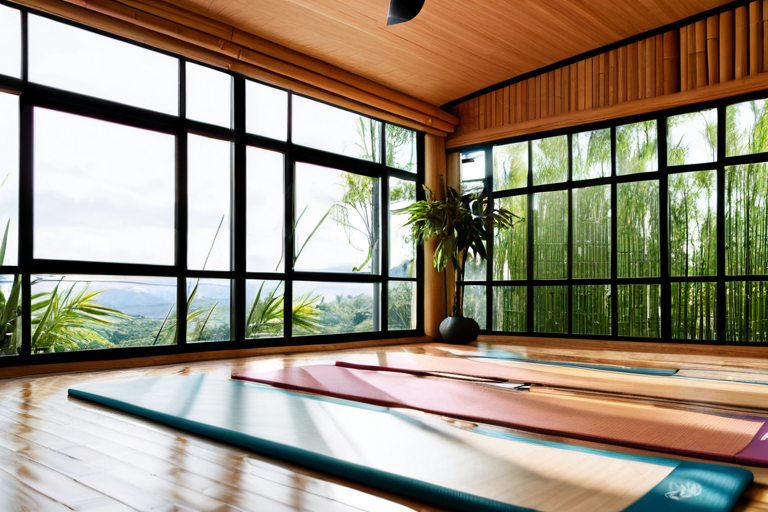
Modern eco-friendly yoga studio design incorporating sustainable principles
These practical applications demonstrate how yoga studios can become models of environmental stewardship. The Yoga Alliance Sustainability Initiative reports that studios implementing green practices see not only environmental benefits but also improved student satisfaction and community engagement.
Seasonal Yoga: Aligning Practice with Natural Cycles
Ancient yogic traditions recognized the importance of seasonal alignment long before modern environmental science. The concept of ritucharya (seasonal regimen) in Ayurveda, yoga's sister science, provides specific guidelines for adapting practice to natural cycles. Research published in the Journal of Ayurveda and Integrative Medicine confirms that seasonal practice adjustments can enhance both physical benefits and environmental awareness.
Spring practices might emphasize detoxifying twists and invigorating sequences, while summer sessions could focus on cooling forward folds and moon salutations. Autumn brings grounding practices and harvest-themed meditations, while winter encourages introspection through restorative poses and longer holds. This cyclical approach, documented in texts like the Himalayan Institute's seasonal living resources, helps practitioners develop sensitivity to environmental changes.
Practical Application: Creating an Eco-Conscious Home Practice
Transform your personal practice into an environmentally mindful routine:
- Practice near natural light sources to reduce energy consumption
- Use sustainable props (cork blocks, organic cotton straps)
- Incorporate nature sounds or silence instead of electronic music
- Practice seasonal sequences aligned with local climate patterns
- Include environmental gratitude in your meditation practice
The Ecological Impact of Yoga Equipment
The global yoga industry generates significant environmental impact through equipment production and disposal. A 2019 study on yoga equipment sustainability revealed concerning statistics about conventional yoga mats, most of which contain PVC and other non-biodegradable materials. However, eco-friendly alternatives are increasingly available:
Natural Rubber Mats
Biodegradable and providing excellent grip, though potential allergen concerns for those with latex sensitivity
Cork Equipment
Sustainably harvested, antimicrobial, and naturally moisture-resistant for blocks and wheels
Organic Cotton
For straps, bolsters, and blankets—grown without pesticides and fully biodegradable
The EcoYoga certification program helps consumers identify truly sustainable products, while initiatives like mat recycling programs address end-of-life equipment concerns.
Yoga Philosophy as Environmental Ethics

Practicing yoga in natural environments enhances ecological awareness
The yamas and niyamas—yoga's ethical guidelines—contain direct environmental implications. Ahimsa (non-harming) extends to all living beings and ecosystems. Satya (truthfulness) includes acknowledging environmental realities. Aparigraha (non-possessiveness) challenges consumer culture. Saucha (cleanliness) applies to environmental purity. These principles, explored in depth by the Yoga International ethics resource, provide a moral framework for environmental action.
Contemporary teachers like Dr. Kartikeya Bhatt are developing "ecological yoga" methodologies that explicitly connect practice with environmental activism. These approaches incorporate:
- Nature immersion practices
- Environmental service as karma yoga
- Climate change meditation techniques
- Eco-literacy integrated into teacher training
The Future of Ecological Yoga Practice
As environmental challenges intensify, yoga's ecological dimensions gain increasing relevance. Emerging trends identified by the Global Wellness Institute include:
Digital Minimalism in Online Practice
Streaming services optimizing energy use and promoting device-free periods
Urban Yoga Gardens
Studio-adjacent green spaces for practice and local food production
Carbon-Neutral Retreats
Offset programs and sustainable travel options for yoga tourism
The integration of yoga and environmental consciousness represents more than a trend—it's a return to the practice's roots in natural wisdom. As practitioners deepen their understanding of yoga's ecological dimensions, they contribute to a more sustainable future while enriching their personal practice. The mat becomes not just a space for personal transformation, but a starting point for planetary healing.
References & Further Reading:
- Green Yoga Association. (2023). Sustainable Studio Guidelines
- Yoga Alliance Sustainability Reports (2020-2023)
- Journal of Ayurveda and Integrative Medicine: Seasonal Practice Research
- Global Wellness Institute Environmental Wellness Trends
- Yoga International: Ethics in Modern Practice