Yoga's Ecological Footprint: Sustainable Practices in Modern Studios
In recent years, the global yoga community has witnessed a significant shift toward environmental consciousness. While traditional yoga philosophy has always emphasized harmony with nature (Prakriti), modern practitioners are now translating these principles into tangible ecological actions. This movement represents more than just a trend—it's a fundamental reimagining of how yoga studios operate and how practitioners engage with their surroundings.
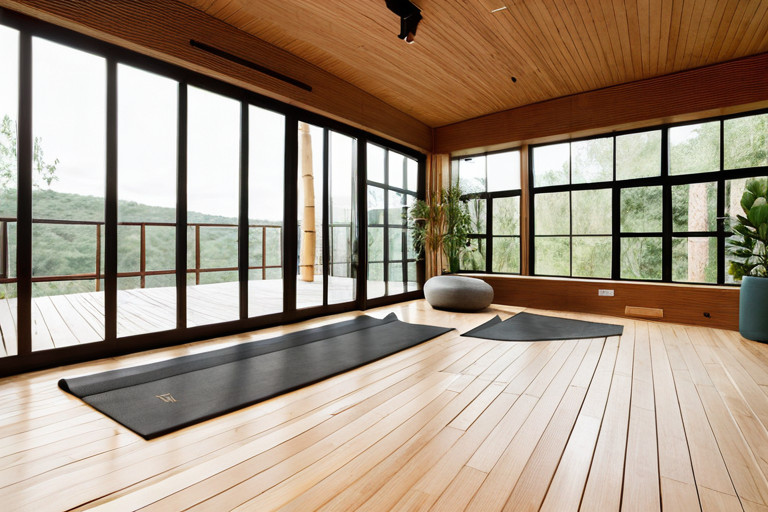
Modern eco-conscious yoga space featuring reclaimed wood and natural lighting
The Materials Revolution in Studio Design
Leading studios worldwide are abandoning synthetic materials in favor of sustainable alternatives. According to research from the Green Yoga Association, bamboo flooring has emerged as the preferred choice for practice spaces, growing 30 times faster than hardwood while providing superior durability. Cork mats are replacing PVC alternatives, offering natural antimicrobial properties and biodegradability.
The lighting revolution deserves particular attention. Studios like Earth & Flow Yoga in Portland have implemented circadian lighting systems that mimic natural daylight patterns, reducing energy consumption by 40% while enhancing practitioners' circadian rhythms. This innovation demonstrates how environmental sustainability and wellness benefits can synergize perfectly.
Waste Reduction and Circular Economy Models
Key Statistics from the International Yoga Sustainability Council:
- 72% of surveyed studios have eliminated single-use plastics
- 65% now use biodegradable cleaning products
- 89% offer mat recycling programs
- Average studio reduces water consumption by 35% through smart fixtures
The circular economy concept has taken root in innovative ways. Manduka's mat renewal program represents a groundbreaking approach, where worn mats are collected, broken down, and repurposed into new products. This closed-loop system has diverted over 50,000 mats from landfills since its inception, creating a model other industries could emulate.
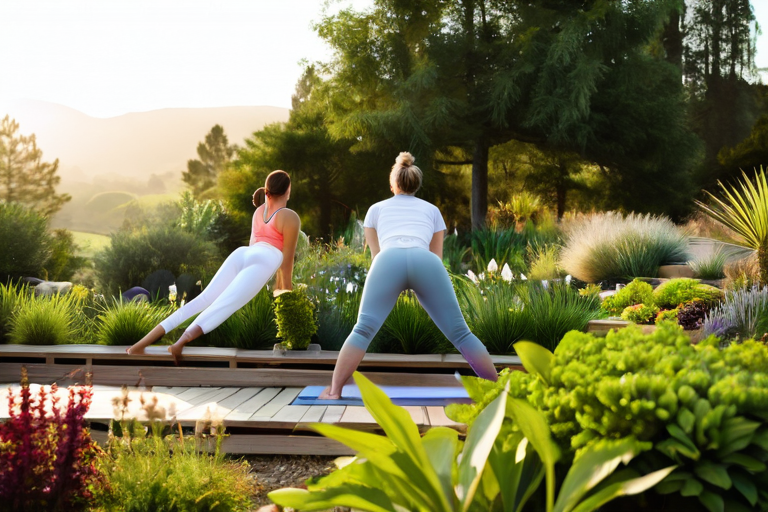
Outdoor yoga session surrounded by medicinal plants and sustainable landscaping
Biodiversity Integration and Urban Green Spaces
Forward-thinking studios are transforming rooftops and unused spaces into biodiversity havens. The Urban Yoga Gardens initiative in Berlin demonstrates how vertical gardens can serve dual purposes: improving air quality while providing herbs for post-practice teas. These living walls reduce urban heat island effects and create habitats for pollinators, extending yoga's benefits beyond human practitioners.
Rainwater harvesting systems have become standard in eco-conscious studios. By collecting and filtering rainwater for irrigation and toilet flushing, facilities like Green Lotus Yoga Center in California have reduced municipal water usage by 60%. This approach aligns perfectly with the yogic principle of aparigraha (non-possessiveness), encouraging mindful resource use.
Carbon-Neutral Operations and Community Impact
The carbon footprint of yoga operations has become a central concern. Studios are implementing comprehensive strategies including:
Renewable Energy Integration
Solar panel installations now power 45% of studio operations in sun-rich regions, with geothermal heating gaining popularity in colder climates.
Sustainable Transportation
Bike-sharing partnerships, electric vehicle charging stations, and preferential parking for carpoolers reduce transportation emissions.
Local Supply Chains
85% of products sourced within 100 miles, supporting local economies while minimizing transportation emissions.
Community education programs represent perhaps the most significant impact. According to the Sustainable Yoga Foundation's 2023 report, studios offering sustainability workshops see 300% higher engagement in local environmental initiatives. These programs transform yoga practitioners into environmental advocates, creating ripple effects throughout communities.
The Future: Regenerative Yoga Practices
Looking ahead, the concept of regenerative yoga—practices that actively improve environmental conditions—is gaining traction. This involves:
- Carbon-positive operations: Studios that sequester more carbon than they emit through reforestation partnerships
- Water restoration: Implementing systems that return cleaner water to watersheds than received
- Soil regeneration: Using studio compost to rebuild local soil health
- Biodiversity net gain: Creating habitats that support more species than displaced
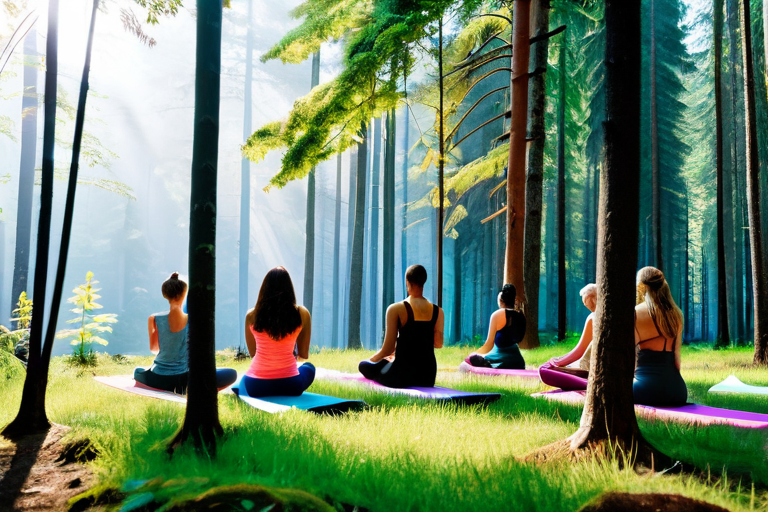
Community yoga event combined with native tree planting initiative
Pioneering studios like Regenerative Yoga Collective in Costa Rica demonstrate that yoga spaces can become net-positive environmental contributors. Their model integrates permaculture principles with yoga philosophy, creating self-sustaining ecosystems where practice spaces double as food forests and wildlife corridors.
Practical Steps for Studios and Practitioners
For studios beginning their sustainability journey, experts recommend starting with three foundational actions:
- Conduct a comprehensive waste audit to identify reduction opportunities
- Switch to renewable energy providers or install on-site generation
- Establish partnerships with local environmental organizations
Individual practitioners can contribute by choosing studios with verified sustainability credentials, bringing reusable equipment, and participating in studio-led environmental initiatives.
The evolution of yoga from personal practice to environmental stewardship represents one of the most significant developments in modern wellness culture. As studios continue to innovate and practitioners increasingly demand sustainable options, the yoga community is positioned to lead broader societal shifts toward ecological consciousness. This alignment of ancient wisdom with contemporary environmental science creates a powerful model for holistic living that benefits both individual well-being and planetary health.