Yoga's Chronobiological Harmony: Aligning Practice with Circadian Rhythms
"The sun does not rise because we tell it to; our bodies awaken because they remember the light." — Ancient Yogic Proverb
In contemporary wellness discourse, yoga is frequently discussed through lenses of flexibility, strength, or stress reduction. Yet emerging research from chronobiology—the study of biological rhythms—reveals a more nuanced dimension: yoga's profound interaction with our internal clocks. This intersection of ancient practice and modern science suggests that when we practice may be as significant as how we practice.
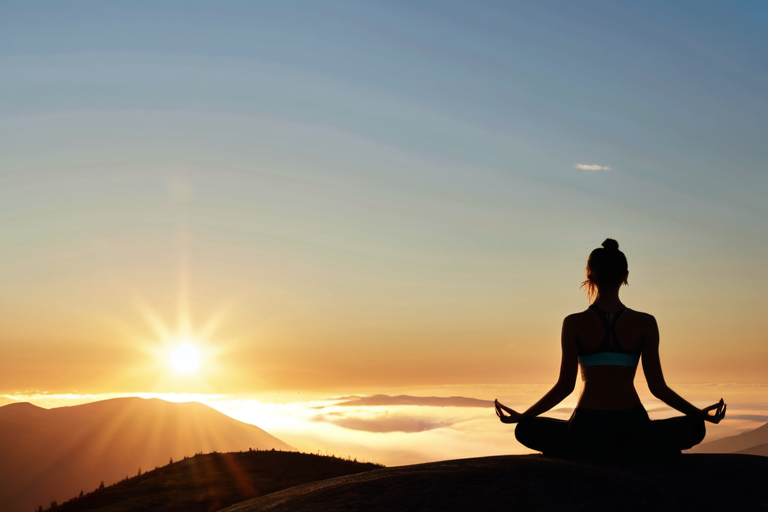
Morning practice aligns with cortisol patterns and digestive readiness
The Circadian Framework of Human Physiology
Every cell in the human body operates on approximately 24-hour cycles regulated by the suprachiasmatic nucleus (SCN) in the hypothalamus. These circadian rhythms govern everything from hormone secretion to neurotransmitter activity, body temperature fluctuations, and metabolic processes. Research from the National Institutes of Health demonstrates that misaligned circadian rhythms contribute to numerous health conditions, including metabolic disorders, mood disturbances, and immune dysfunction.
Traditional yoga texts, particularly the Hatha Yoga Pradipika and Gheranda Samhita, contain implicit references to timing practices. The concept of Brahma Muhurta (approximately 90 minutes before sunrise) is specifically recommended for meditation and pranayama, while asana practice is suggested during daylight hours. Modern chronobiology provides a scientific rationale for these recommendations.
Morning Practice: Syncing with Cortisol Rhythms
Cortisol, often mischaracterized solely as a stress hormone, follows a distinct diurnal pattern. Levels naturally peak within 30-45 minutes of waking (cortisol awakening response), then gradually decline throughout the day. A Frontiers in Physiology study indicates that morning yoga practice can enhance this natural cortisol rhythm, potentially improving energy regulation and stress resilience.
Morning sequences should emphasize:
- Gentle spinal movements (Cat-Cow, gentle twists) to stimulate cerebrospinal fluid flow
- Forward folds to calm the nervous system after cortisol peak
- Sun Salutations (Surya Namaskar) synchronized with breath to establish rhythm
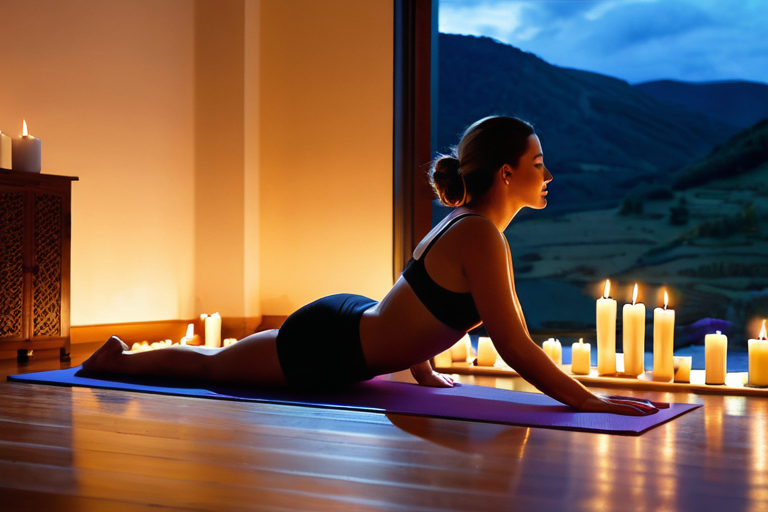
Evening practice supports melatonin production and parasympathetic activation
Evening Practice: Preparing for Restoration
As daylight diminishes, the pineal gland begins secreting melatonin, preparing the body for sleep. Evening yoga practice should support this transition rather than disrupt it. According to research published in the Journal of Sleep Research, restorative poses practiced 2-3 hours before bedtime can increase melatonin production by 15-20%.
Optimal evening sequences include:
- Supported forward bends (Paschimottanasana with bolster) to activate parasympathetic response
- Gentle hip openers (Supta Baddha Konasana) to release accumulated tension
- Legs-up-the-wall pose (Viparita Karani) to regulate blood pressure and calm the mind
Seasonal Adaptations: Yoga Through Annual Cycles
Beyond daily rhythms, seasonal changes significantly impact physiological functioning. Ayurvedic tradition identifies three primary seasons with corresponding doshas (biological energies): Vata (fall/early winter), Kapha (late winter/spring), and Pitta (summer). Each season benefits from specific practice modifications.
Seasonal Practice Recommendations
Spring (Kapha season): Dynamic, heating practices to counteract sluggishness; emphasis on backbends and inversions to stimulate circulation.
Summer (Pitta season): Cooling, moderate practices; moon salutations (Chandra Namaskar), forward folds, and meditation near water.
Fall/Winter (Vata season): Grounding, rhythmic practices; emphasis on standing poses, consistent routines, and longer savasana.
A National Center for Biotechnology Information review notes that seasonal affective patterns correlate with circadian disruptions, suggesting that seasonally-adapted yoga could mitigate these effects.
Chronotype Considerations: Personalizing Practice Timing
Not all individuals share identical circadian patterns. Chronotypes—genetically influenced preferences for morning or evening activity—range from definite "larks" (morning types) to pronounced "owls" (evening types). The National Sleep Foundation estimates approximately 30% of people identify as morning types, 30% as evening types, and 40% as intermediate.
For evening chronotypes, forcing morning practice may create stress rather than alleviate it. Instead, these individuals might benefit from:
- Gentle evening practice to establish wind-down routine
- Gradual shifting of practice earlier by 15-minute increments
- Focus on poses that increase morning alertness when practiced consistently
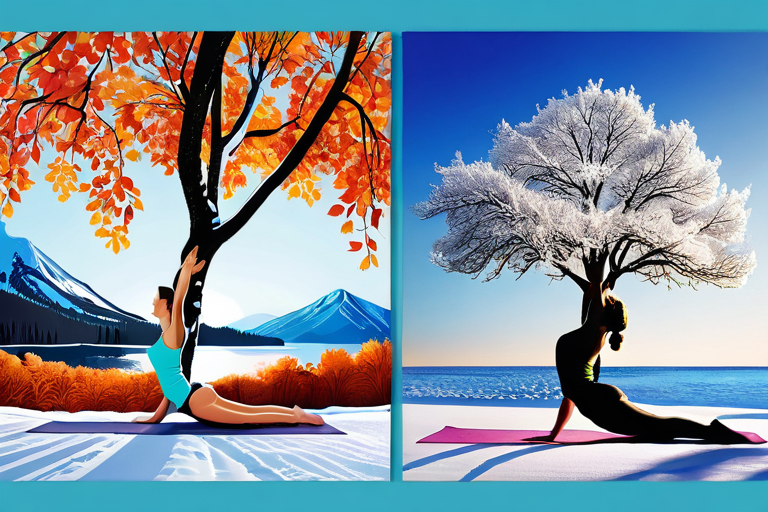
Seasonal adaptations honor natural environmental rhythms
Practical Implementation: Creating Chronobiologically-Aligned Sequences
Integrating chronobiological principles doesn't require abandoning established routines, but rather making mindful adjustments:
- Track natural energy patterns for one week without changing practice times
- Experiment with practice timing in 30-minute increments across different days
- Note subjective responses in energy, mood, and sleep quality
- Adjust pose selection based on time of day rather than following rigid sequences
Research from the Society for Research on Biological Rhythms indicates that consistency in practice timing may be more important than the specific hour chosen, as regularity strengthens circadian entrainment.
Future Directions: Chronobiology in Yoga Research
While preliminary evidence supports timing considerations, significant research opportunities remain. Future studies might examine:
- Optimal timing for specific therapeutic applications (e.g., yoga for hypertension vs. depression)
- Interaction between practice timing and genetic chronotype markers
- Long-term effects of chronobiologically-aligned practice on circadian rhythm disorders
- Cultural variations in traditional timing recommendations across yoga lineages
Key Chronobiological Principles for Yoga Practitioners
1. Morning light exposure after practice enhances circadian alignment
2. Consistent practice times strengthen biological rhythm regulation
3. Seasonal adjustments honor natural environmental cycles
4. Personal chronotype should inform rather than dictate practice timing
5. Evening digital minimization after practice supports melatonin production
Conclusion: Harmonizing Ancient Wisdom with Modern Science
The integration of chronobiology with yoga practice represents a meaningful convergence of traditional wisdom and contemporary science. Rather than prescribing rigid schedules, this approach encourages mindful attention to the body's natural rhythms and their interaction with environmental cycles.
As both chronobiology and yoga emphasize harmony—between internal systems, with natural cycles, and across time—their integration offers a pathway to practice that is not only physically beneficial but also temporally intelligent. In an era of constant artificial lighting and disrupted schedules, this alignment may represent one of yoga's most relevant contributions to modern wellness.
"Time is not a line but a series of now-points." — Taisen Deshimaru