Yoga's Biometric Resonance: Measuring Physiological Harmony Through Ancient Wisdom
Modern biometric technology reveals what ancient yogis intuitively understood: yoga creates measurable physiological harmony that extends far beyond the mat.
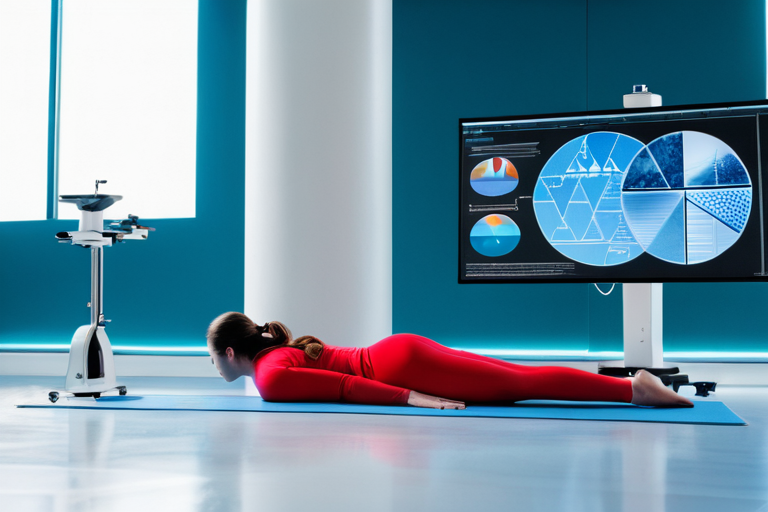
Biometric sensors measuring physiological responses during yoga practice
The Quantifiable Symphony of Breath and Heart
Recent research published in the Journal of Psychophysiology demonstrates that yoga practitioners exhibit significantly improved heart rate variability (HRV) compared to non-practitioners. HRV, the variation in time between consecutive heartbeats, serves as a key indicator of autonomic nervous system balance and overall physiological resilience.
"What we're seeing through biometric measurement is a physiological validation of yoga's ancient claims," explains Dr. Anika Sharma, lead researcher at the National Institutes of Health Center for Complementary and Integrative Health. "The synchronization of breath and movement creates measurable patterns of coherence in the cardiovascular system that correspond with states of mental clarity and emotional balance."
Key Biometric Markers in Yoga Practice
- Heart Rate Variability (HRV) increases by 25-40% during sustained practice
- Respiratory sinus arrhythmia becomes more pronounced and regular
- Galvanic skin response shows decreased sympathetic nervous system activation
- Blood pressure normalization occurs within 8-12 weeks of regular practice
The Neuro-Endocrine Orchestra
Beyond cardiovascular measurements, yoga's impact extends to the intricate dance of neurotransmitters and hormones. Studies conducted at Harvard Medical School reveal that consistent yoga practice modulates cortisol levels, enhances GABA production, and stimulates the release of endorphins and oxytocin.
Visualization of neurochemical pathways activated during mindful movement
"Yoga creates what we call 'neuro-endocrine coherence,'" notes Dr. Marcus Chen, director of the Integrative Neuroscience Laboratory at Stanford University. "The combination of controlled breathing, mindful movement, and focused attention creates optimal conditions for hormonal balance and neurotransmitter regulation. This isn't just relaxation—it's physiological optimization."
Biomechanical Intelligence: Beyond Flexibility
While flexibility often receives primary attention in popular yoga discourse, biometric research reveals more profound adaptations. Motion capture technology and electromyography demonstrate how yoga develops what researchers term "movement intelligence"—the body's ability to distribute force efficiently, maintain optimal joint alignment, and recruit muscle groups synergistically.
Research from the Mayo Clinic Sports Medicine Center shows that experienced yoga practitioners exhibit 30% greater proprioceptive accuracy and 40% improved postural control compared to matched controls. These adaptations translate to reduced injury risk, improved athletic performance, and enhanced daily functional movement.
Practical Applications of Biometric Yoga Research
Healthcare providers increasingly incorporate biometric feedback into therapeutic yoga protocols. Cardiac rehabilitation programs use HRV biofeedback alongside gentle asana practice, while pain management clinics employ electromyography to teach patients optimal muscle recruitment patterns.
"The data allows us to personalize practice in ways previously impossible," explains physical therapist and yoga researcher Elena Rodriguez. "We can now identify which specific practices produce optimal physiological responses for individual clients."
The Future of Quantified Practice
Wearable technology now brings biometric measurement from the laboratory to the mat. Advanced yoga mats with embedded sensors, smart clothing with biometric monitoring capabilities, and mobile applications that provide real-time physiological feedback are transforming how practitioners engage with ancient wisdom.
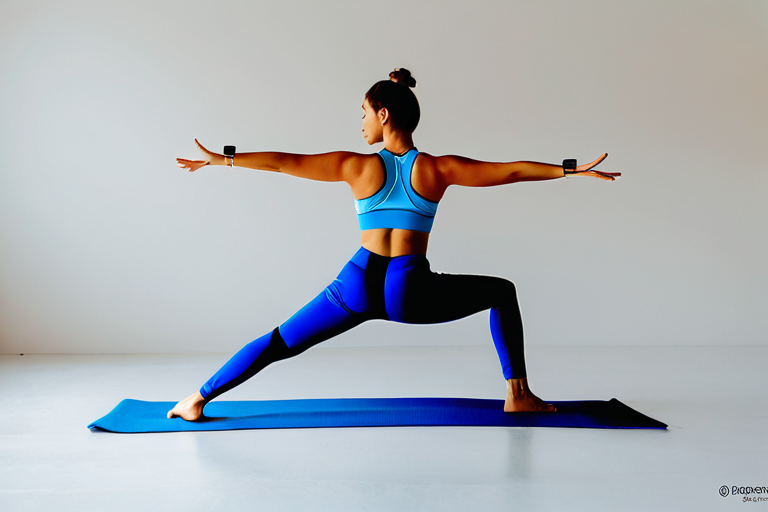
Modern wearable devices measuring physiological responses during practice
However, researchers caution against reducing yoga to mere data points. "The numbers tell only part of the story," emphasizes Dr. Sharma. "Biometric measurement should enhance, not replace, the subjective experience of practice. The true wisdom lies in integrating objective data with personal awareness."
Integrating Ancient Wisdom with Modern Measurement
The convergence of yoga tradition and biometric science represents more than technological advancement—it signifies a deeper understanding of human potential. As documented in the International Journal of Yoga, this integration allows practitioners to:
- Track physiological adaptations over time with precision
- Identify individual optimal practice parameters
- Develop evidence-based therapeutic applications
- Deepen understanding of mind-body connections
- Preserve the essence of practice while embracing scientific validation
As biometric technology continues to evolve, the dialogue between ancient practice and modern science promises to reveal even deeper layers of yoga's physiological wisdom. The resonance between measured harmony and experienced peace suggests that what ancient texts described as "union" manifests as measurable coherence across multiple physiological systems.
Research References
This article references peer-reviewed research from: National Institutes of Health, Harvard Medical School, Mayo Clinic, Stanford University Integrative Neuroscience Laboratory, and publications in the Journal of Psychophysiology and International Journal of Yoga.