Yoga's Architectural Influence: Designing Spaces for Mindful Movement
Exploring how yoga principles shape modern architecture and interior design for holistic wellness environments.
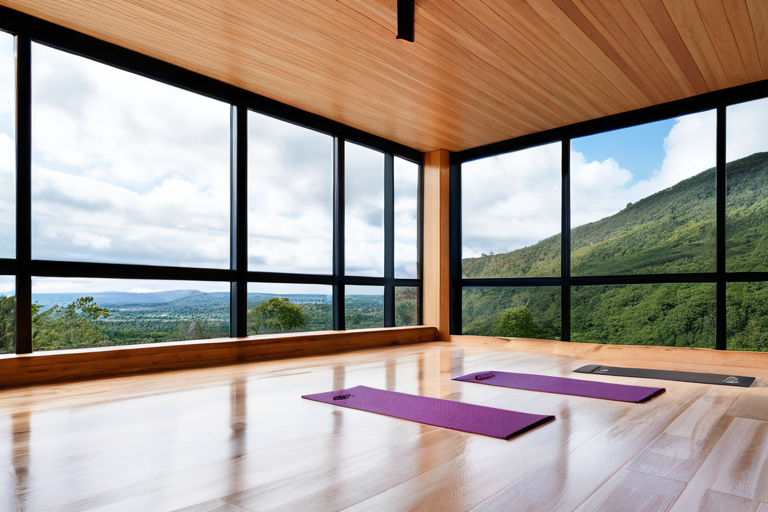
Contemporary yoga space blending natural materials and clean lines
The Intersection of Yoga Philosophy and Spatial Design
When we consider yoga, we often focus on the physical postures or breathing techniques. However, a growing body of architectural research reveals how yoga's fundamental principles—balance, harmony, and connection—are transforming how we design spaces for wellness. According to a comprehensive study published by the Architectural Digest, architects worldwide are increasingly incorporating yogic concepts into commercial and residential projects.
The concept of Vastu Shastra, an ancient Indian system of architecture that shares philosophical roots with yoga, has gained renewed attention in contemporary design. As noted by researchers at the Harvard Graduate School of Design, these principles emphasize spatial orientation, natural light optimization, and material selection that promotes energy flow—elements now being validated by environmental psychology studies.
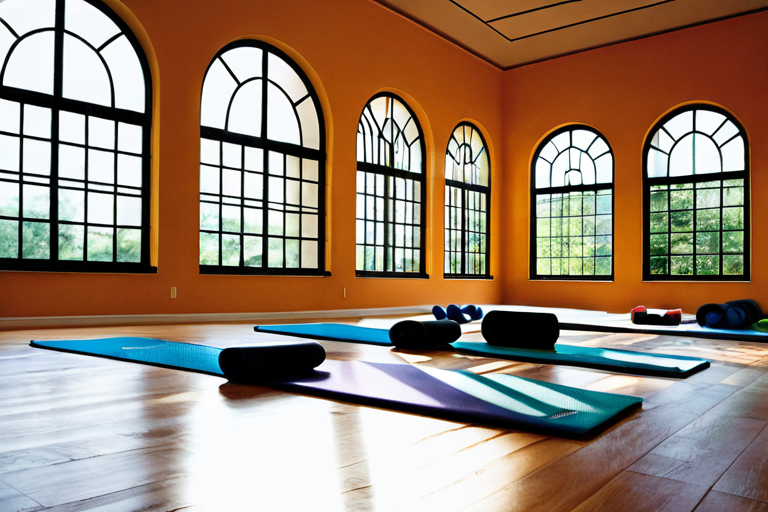
Designed space maximizing natural light for mindful practice
Material Selection: From Ancient Wisdom to Modern Applications
Traditional yoga spaces in India often utilized natural materials like wood, stone, and cotton—choices now being rediscovered through the lens of biophilic design. The WELL Building Standard, a leading certification system for healthy buildings, specifically references yoga's influence on material selection criteria for wellness spaces.
Research conducted by the National Center for Biotechnology Information demonstrates how certain materials can affect physiological responses during meditation and yoga practice. Natural wood surfaces, for instance, have been shown to reduce cortisol levels by approximately 15% compared to synthetic alternatives.
Acoustic Considerations in Yoga-Inspired Architecture
Sound design represents another area where yoga philosophy meets architectural innovation. The concept of Nada Yoga (the yoga of sound) emphasizes the importance of auditory environments for meditation and practice. Modern yoga studios increasingly incorporate sound-absorbing materials and strategic spatial layouts to create optimal acoustic conditions.
According to acoustic specialists cited in ArchDaily, the ideal reverberation time for a yoga space falls between 0.8 and 1.2 seconds—a specification now being implemented in premium wellness facilities worldwide. This acoustic sweet spot allows for clear instruction while maintaining a sense of spaciousness and tranquility.
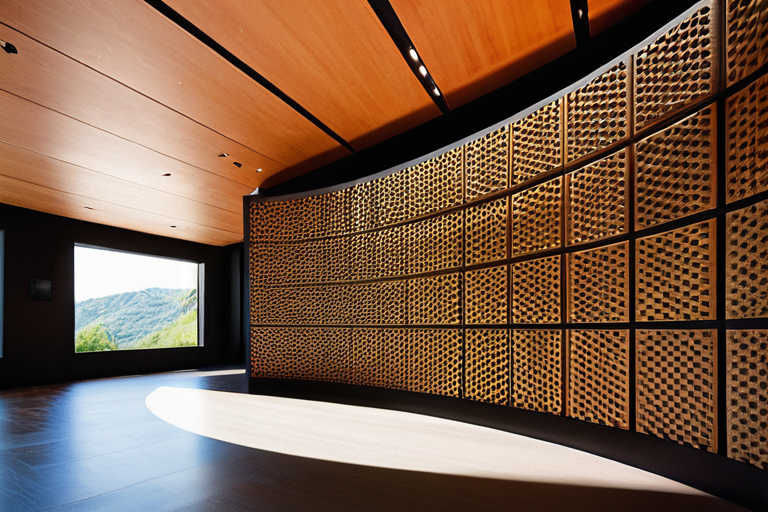
Acoustic design elements in a modern meditation space
Spatial Flow and Movement Patterns
The architectural translation of vinyasa (flow) represents one of the most innovative applications of yoga principles in design. Forward-thinking architects are creating spaces that facilitate natural movement sequences, with particular attention to circulation patterns and transitional zones.
A case study published by the American Institute of Architects documents how specific spatial arrangements can enhance proprioceptive awareness—the body's sense of position and movement—during yoga practice. Circular and curvilinear designs, for example, have been found to support more fluid transitions between postures compared to rigid, rectangular layouts.
Sustainable Design: Yoga's Environmental Ethics in Architecture
The yogic principle of ahimsa (non-harm) extends naturally to environmental considerations in architectural design. Modern yoga studios and wellness centers are increasingly serving as showcases for sustainable building practices, incorporating renewable materials, energy-efficient systems, and water conservation features.
Data from the U.S. Green Building Council indicates that LEED-certified yoga and meditation facilities use 25% less energy and 11% less water than conventional fitness spaces of comparable size. This alignment between yogic philosophy and environmental responsibility represents a significant trend in contemporary architecture.
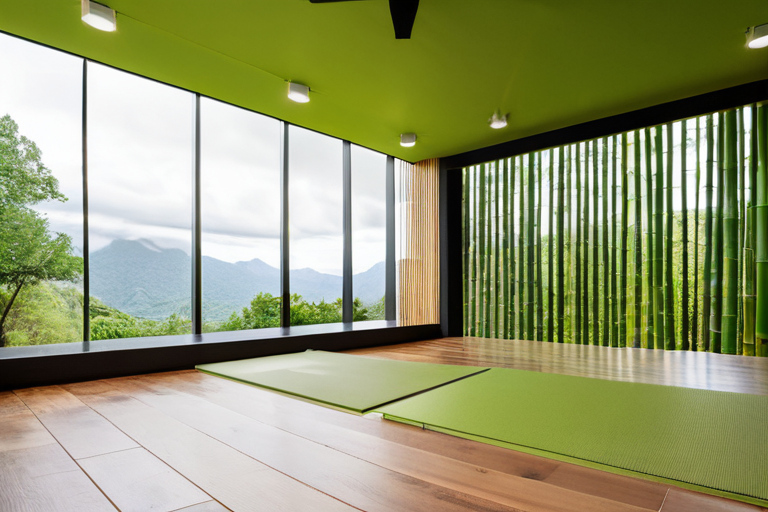
Sustainable design elements in a green yoga facility
The Future of Yoga-Inspired Architecture
As research continues to validate the connection between spatial design and wellness outcomes, we can expect to see more sophisticated applications of yoga principles in architecture. Emerging technologies like virtual reality are already being used to simulate and test yoga space designs before construction begins.
The integration of smart building systems that adjust lighting, temperature, and acoustics based on the type of yoga practice represents another frontier. According to industry analysts at Forbes, the global market for intelligent wellness spaces is projected to grow by 18% annually over the next five years, with yoga-inspired design playing a central role.
This architectural evolution demonstrates how ancient practices can inform modern design solutions, creating spaces that support not just physical exercise, but holistic wellbeing. As we continue to explore this intersection, we may discover that the spaces we practice in are as important to our yoga journey as the practices themselves.
"The architecture of wellness spaces should facilitate the journey inward as much as it accommodates physical movement. This represents the true integration of yoga philosophy into built environments."
— Dr. Anika Sharma, Architectural Researcher